Squirrel hunting is one of the most rewarding and accessible forms of hunting in North America. Whether you’re a seasoned outdoorsman or introducing a youngster to the woods, mastering squirrel hunting tips builds patience, sharpens marksmanship, and deepens your connection to nature. With over 13 million acres of public land open to small game hunting and seasons spanning from late summer through winter—and even spring in some states—opportunities abound. Squirrels are abundant, intelligent, and surprisingly elusive, making them an ideal quarry for refining woodsmanship skills. This guide delivers field-tested squirrel hunting tips that help you locate, stalk, and successfully harvest squirrels while preserving meat and staying safe.
Know Your Target: Gray, Fox, and Black Squirrels
Gray and Fox Squirrels Dominate the Hunt
The two most commonly pursued species are the eastern gray squirrel and the fox squirrel. Grays thrive in dense hardwood forests, especially where oak, hickory, and walnut trees grow. They’re agile, quick, and often vanish into the canopy the moment they sense movement. Fox squirrels, larger and bolder, prefer open woodlands, forest edges, and areas near agricultural fields. They’re more likely to forage on the ground and make louder, more noticeable movements.
Black squirrels are simply a dark-furred variant of the gray squirrel—same behavior, same habitat. Don’t treat them differently; they’re just as edible and just as alert.
Avoid Wasting Time on Red Squirrels
Smaller and feisty, red squirrels inhabit coniferous forests and are rarely hunted. Their meat has a stronger flavor, and their aggressive chattering can alert every squirrel within earshot. While legal to take in some areas, they’re not worth targeting unless you’re in northern pine forests with limited gray or fox squirrel populations.
Hunt Where Squirrels Feed: Focus on Mast Trees
Follow the Food—Hard Mast Is Key
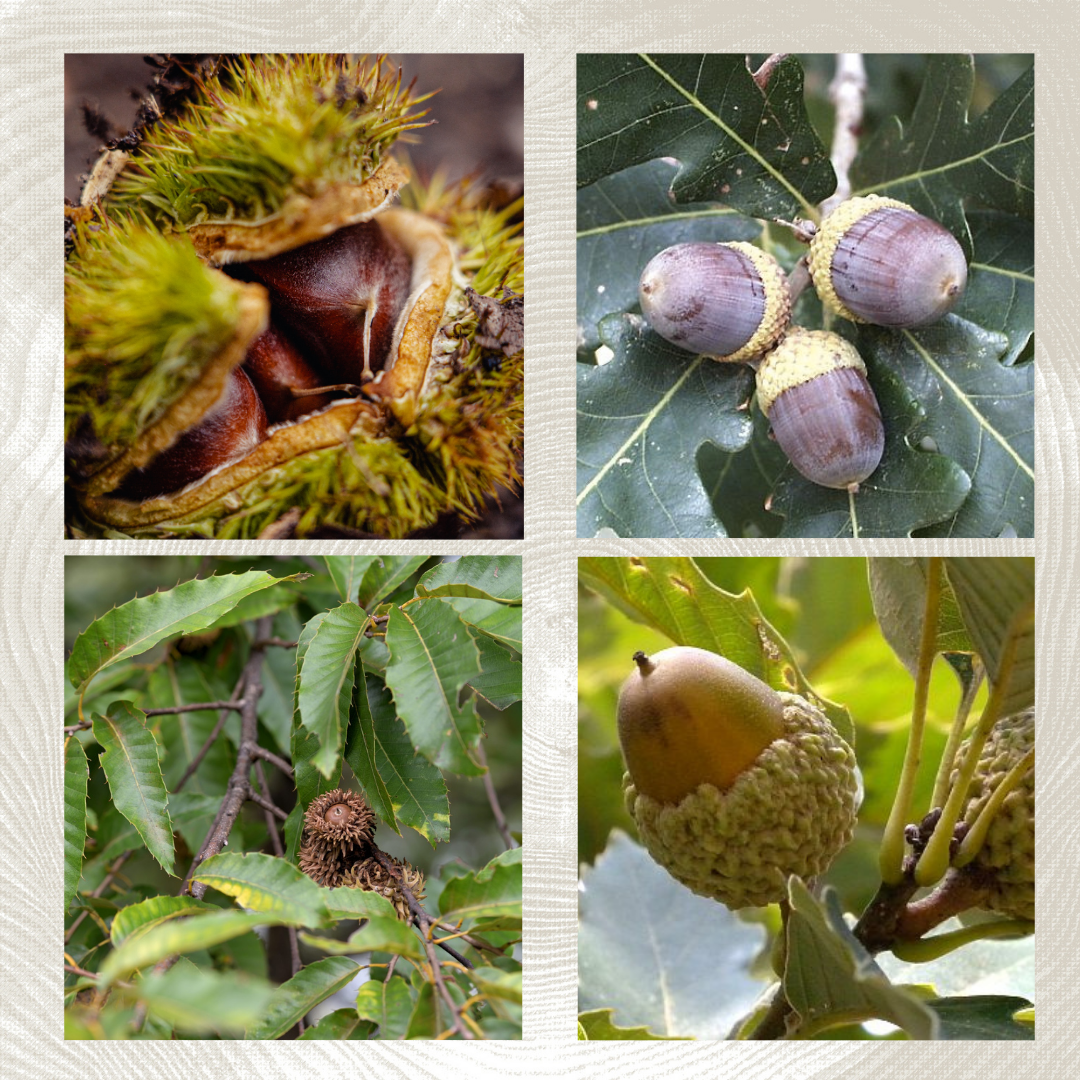
Squirrels go where the food is. Your success starts with identifying trees producing hard mast—nuts that squirrels rely on for survival.
- Hickory trees: In August and September, look for piles of cracked husks and shredded nut fragments beneath shagbark or pignut hickories.
- White oaks: Their sweet acorns are the first choice in early fall. Hunt under these trees from September to October.
- Red oaks: Bitter acorns are cached and eaten later in winter when other food sources dwindle.
- Beech trees: Produce small, triangular nuts in late fall. Their thinner canopy makes spotting squirrels easier.
- Walnut and pecan trees: Highly attractive—squirrels will travel long distances for these rich nuts.
Pro Tip: Scout in summer. Trees with heavy nut production in August will draw squirrels when hunting season opens.
Identify Squirrel Homes: Dreys and Den Trees

Find Nests and Hollows First
Squirrels use two types of shelters: dreys (leaf nests) and den trees (hollow trunks). Dreys are round, basketball-sized masses of leaves and twigs high in the treetops—look for them in forks of large branches. Den trees are older, often decaying hardwoods with natural cavities or broken limbs. Snags (dead standing trees) are prime real estate for denning, especially in winter.
Hunt near these structures when temperatures drop—squirrels emerge later and return earlier, limiting their daily movement. Being close increases your odds of intercepting them during short feeding windows.
Read the Signs: Spot Squirrel Activity
Look for Fresh Cuttings and Gnaw Marks
Squirrels are messy eaters. Signs of recent activity include:
- Piles of hickory husks or acorn caps on the ground
- Shredded pine cones with clean bite marks
- Half-eaten nuts with precise incisor grooves
- Green, unripe acorns discarded—too bitter to eat
In spring, shift focus to buds, berries, and soft mast near water sources or den trees.
Visual Cue: Fresh cuttings mean squirrels are active nearby. Hunt the area within 24–48 hours.
Hunt at the Right Time of Day
Dawn and Dusk Are Best—Except in Winter
Squirrels are crepuscular, most active during low-light hours. In early fall and spring, focus on the first 2–3 hours after sunrise and 2–3 hours before sunset.
But in winter, behavior shifts. On cold mornings, squirrels may not emerge until 10 a.m. or later. Warm, sunny days trigger midday feeding, so plan hunts between 10:30 a.m. and 2:30 p.m..
On overcast, drizzly days, squirrels often feed all day—especially after rain when the forest is quiet and the ground is soft.
Best Hunting Days: Calm, cool mornings with light mist or just after a rain shower.
Master Still Hunting: Walk Slow, Stop Often
Use the Stop-and-Go Technique
Still hunting—moving quietly through the woods—is the most effective method. Use the stop-and-go rhythm: walk 10–15 steps, then freeze for 30–60 seconds. Scan treetops for movement. Squirrels often freeze when you stop, giving themselves away with a twitching tail or flicking ear.
Move with the sun at your back to reduce glare and improve visibility. Keep your eyes up—look for eyes, ears, and tails, not full bodies.
Handle the “Tree-Hugger” Squirrel
When a squirrel spots you and darts behind a trunk:
- Stay behind cover—don’t expose yourself.
- Wait silently—many will peek out.
- Try rubbing two quarters together to mimic nut-cracking.
- Flick a small rock or shake vines to provoke movement.
Avoid calling too early: Let natural movement happen first. Mid-morning is best for using calls.
Try Stand Hunting in Winter
Sit Like a Deer Hunter
In leafless winter woods, stand hunting becomes highly effective. Scout for active den trees or beech mast zones. Set up downwind, within 25–50 yards. Sit quietly for at least 30 minutes—squirrels often return after feeling safe.
Use shooting sticks or lean against a tree for a steady rest. In late season, hunt near cornfield edges—squirrels forage for leftover grain up to 100 yards into the woods.
Choose the Right Firearm
.22 LR Rifle: Best for Precision and Meat
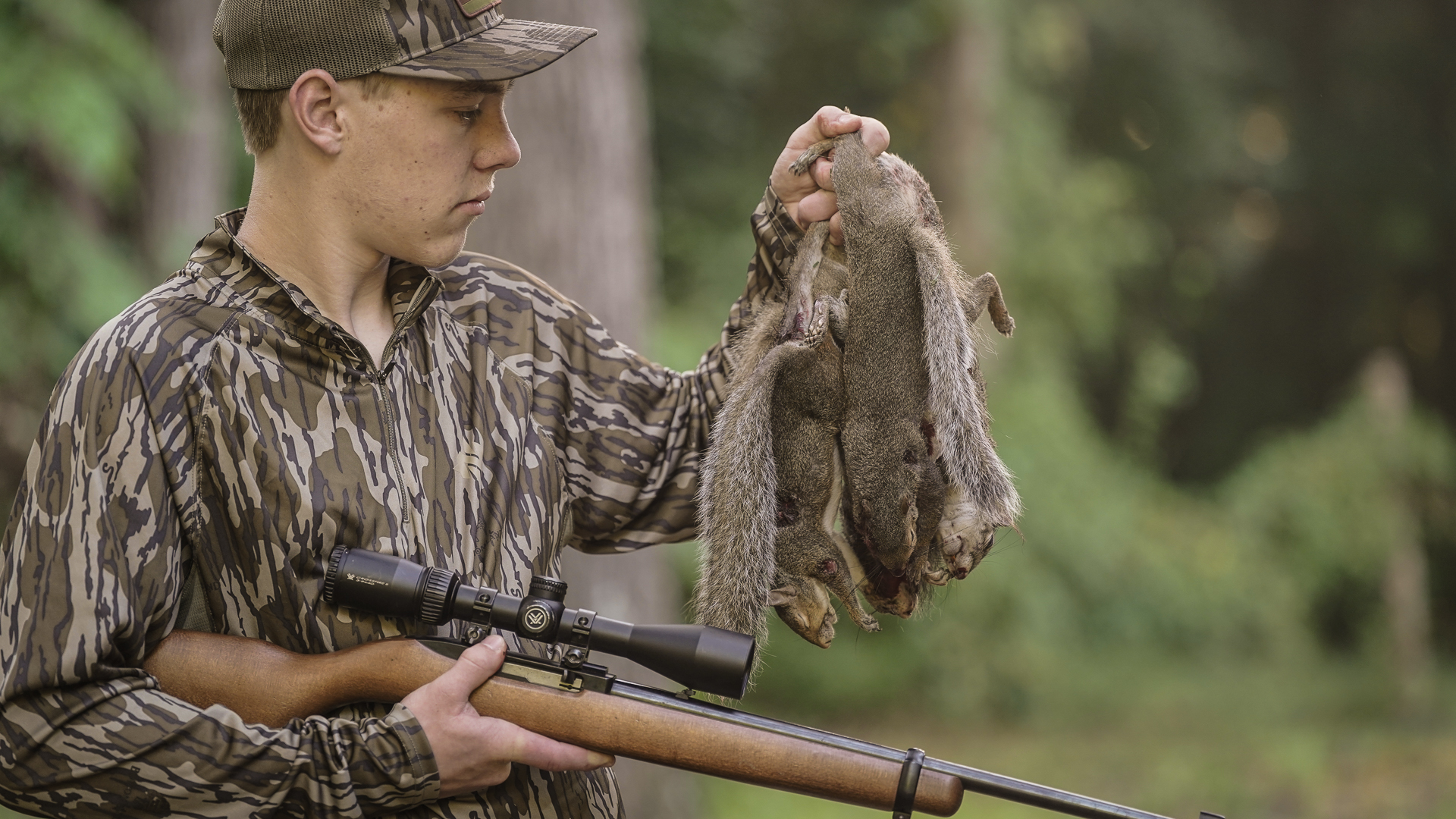
The .22 Long Rifle is the top choice for most hunters. It’s lightweight, quiet, and accurate to 50+ yards. Use subsonic ammo for quieter shots or high-velocity rounds for flatter trajectories. FMJ (Full Metal Jacket) ammo is legal in many states and causes minimal meat damage.
Avoid hollow points unless you’re confident in headshot accuracy—meat preservation is critical.
20-Gauge Shotgun: Ideal for Early Season
In dense foliage, a 20-gauge shotgun with #4, #5, or #6 shot is effective. Use modified choke for close range or full choke for longer shots. Avoid #7½—it lacks energy and often lodges in meat.
Safety Note: Shotguns have shorter range—safer in semi-populated areas.
Optimize Optics and Clothing
Use a 4x–5x Scope and Binoculars
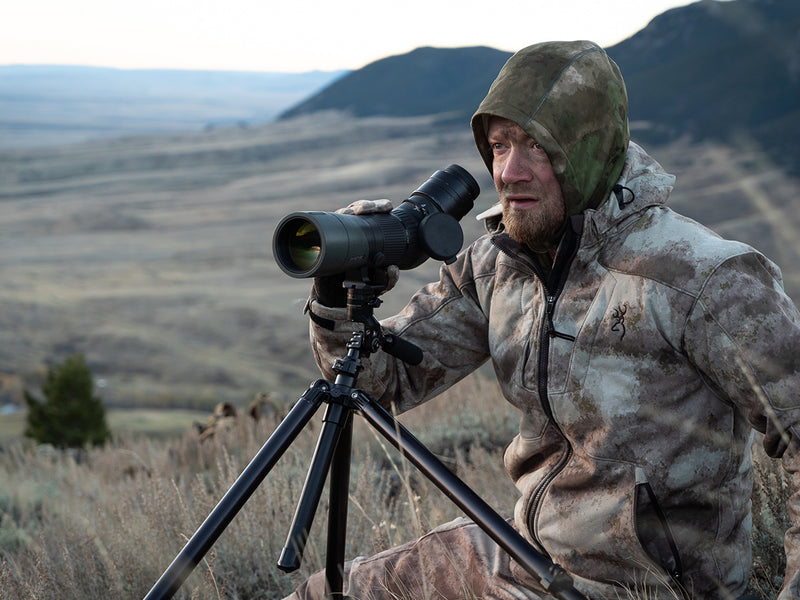
A 4x–5x scope is ideal for .22 rifles—zero at 25 yards for effective range to 50. For .17 HMR, sight in at 50 yards. Use illuminated reticles for dawn/dusk.
Binoculars help spot squirrels, track movement, and scan for feeding signs.
Dress for Stealth and Terrain
Wear earth tones (brown, green, olive)—camouflage isn’t always necessary. Blaze orange may be required—check state rules. Wear snake boots in venomous snake regions.
Pack a turkey vest—it holds gear, ammo, and game, and doubles as a seat.
Use Calls and Dogs Wisely
Calls Reveal, Not Lure
Squirrel calls don’t draw them in—use soft barks or chatters to trigger movement. Rub two quarters to mimic feeding sounds.
Avoid distress calls—they send squirrels into hiding.
Hunt With a Feist or Mountain Cur
Dogs like feists and Mountain Curs tree squirrels by barking. They cover more ground and increase success. Train them to ignore raccoons and deer.
Field Dress and Cook Like a Pro
Skin Immediately and Keep Meat Cool
Skin squirrels as soon as possible—meat is easier to clean when fresh. Remove entrails, rinse if needed, and store in a game bag or on ice.
Check for lodged shot—use tweezers and a bright light.
Cook It Right
Squirrel meat is lean and mild. Try:
– Fried squirrel (classic Southern dish)
– Nashville-Style Hot Fried Squirrel
– Stewed or braised with gravy and dumplings
Pro Tip: Marinate in buttermilk overnight to tenderize.
Stay Safe and Legal
Follow Safety and Ethics
- Know your backstop—.22 bullets travel over a mile.
- Never shoot through heavy brush—ricochet risk.
- Take clean headshots—preserve meat and ensure humane kill.
- Get landowner permission and follow state regulations.
Check for spring seasons and public land access—many state forests and WMAs allow squirrel hunting.
Final Pro Tips for Success
- Be quiet, slow, and patient.
- After a shot, scan the canopy—others often appear.
- If no activity in 20–30 minutes, move.
- Best days: Calm, cool mornings after rain.
Squirrel hunting builds the skills every hunter needs. With the right squirrel hunting tips, you’ll succeed, savor delicious wild game, and deepen your love for the woods. Get out early, stay silent, and let the forest work its magic.


0 Comments