In a world dominated by fast food, factory farms, and digital distractions, hunting for food offers a powerful return to authenticity. It’s not just about filling the freezer—it’s about reclaiming control over what you eat, reducing your environmental footprint, and reconnecting with nature in a deeply personal way. The benefits of hunting for food extend far beyond the dinner plate, touching on health, ethics, conservation, and even mental wellness.
More people are turning to ethical, regulated hunting not for sport alone, but as a conscious lifestyle choice. Unlike anonymous meat from supermarkets—often raised with antibiotics, hormones, and confined conditions—wild game is lean, natural, and harvested with intention. Each step, from tracking to processing, fosters responsibility, skill, and respect for life. This isn’t just eating; it’s engagement.
If you’re seeking cleaner food, a healthier body, a clearer mind, or a more sustainable way of living, hunting may be one of the most impactful choices you can make. Below, we break down the real, research-backed benefits of hunting for food—why it matters today, and how it can transform your relationship with nature, nutrition, and self-reliance.
Leaner, Cleaner, Healthier Meat Than Store-Bought
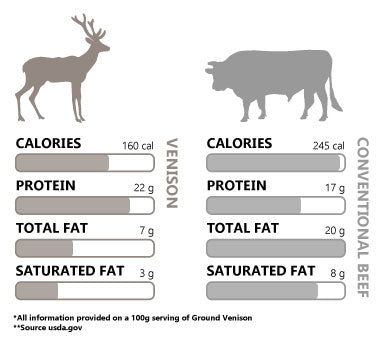
When you hunt your own food, you know exactly what’s on your plate—no hidden ingredients, no mystery labels. Wild game is naturally lean, nutrient-dense, and free from artificial additives.
Higher Protein, Lower Fat Than Beef
Wild animals live active lives and eat diverse, natural diets, resulting in meat that’s vastly different from grain-fed livestock. According to the USDA, venison and elk contain more protein per ounce than beef or pork, while having 50% less fat and 10% fewer calories. This makes wild game ideal for anyone focused on fitness, heart health, or weight management.
Unlike factory-farmed animals, wild game is never injected with antibiotics, growth hormones, or steroids. There’s no need—these animals thrive in their natural environments, building muscle through movement, not medication.
Omega-3s and a Healthier Fat Profile
A Purdue University study found that wild game contains higher levels of omega-3 fatty acids than even grass-fed beef. These essential fats support brain health, reduce inflammation, and lower the risk of chronic diseases like heart disease and diabetes.
Wild deer, elk, and antelope also offer a better omega-6 to omega-3 ratio—closer to what humans evolved to consume. This balance is crucial, as modern diets often overload us with omega-6s, promoting inflammation. With wild game, you’re eating food that aligns with your biology.
Rich in Iron, Zinc, and B Vitamins
Wild meat is packed with essential micronutrients in highly bioavailable forms:
– Iron helps prevent anemia and boosts energy
– Zinc strengthens immunity and aids tissue repair
– B12 and niacin support nerve function and metabolism
Because these animals forage naturally, their nutrient profiles are superior to those of animals fed processed feed and supplements.
No Preservatives, No Plastic Packaging
Store-bought meat often comes loaded with nitrates, preservatives, and chemical flavorings, then wrapped in layers of plastic. Wild game, by contrast, is typically freshly processed by the hunter, vacuum-sealed, or wrapped in butcher paper—free from unnecessary packaging and synthetic additives.
You know where it came from, how it was handled, and how it was stored. That kind of transparency is rare in modern food systems.
Hunting Keeps Ecosystems in Balance
Far from harming nature, ethical hunting plays a vital role in sustainable wildlife management. In many areas, natural predators like wolves and cougars have been reduced or eliminated, leading to overpopulation of species like deer.
Prevents Overgrazing and Habitat Damage
Too many deer lead to overgrazing, which destroys native plants, reduces biodiversity, and damages forest regeneration. It also increases tick populations, raising the risk of Lyme disease. Overpopulated herds damage crops, gardens, and cause over 1 million vehicle collisions annually in the U.S. alone.
Controlled, regulated hunting helps maintain healthy population levels, protecting both wildlife and human communities.
Funds Conservation Like No Other
Hunters are the largest private funders of wildlife conservation in North America. The Pittman-Robertson Act imposes an 11% excise tax on firearms, ammunition, and archery equipment, generating $700 million per year. These funds go directly to:
– Habitat restoration
– Species research
– Public land acquisition
– Access to outdoor recreation
Every time a hunter buys ammo or gear, they’re investing in the future of wild spaces.
Has a Near-Zero Environmental Footprint
Compared to industrial livestock farming—which produces 18% of global greenhouse gases, more than all transportation combined—hunting has minimal environmental impact. There are no feedlots, no manure lagoons, no deforestation for pasture, and no fossil fuels used to grow, transport, or process feed.
Hunting is the ultimate low-impact, high-reward protein source.
Upholds a Proven Conservation Model
The North American Model of Wildlife Conservation ensures that:
– Wildlife belongs to all citizens, not private owners
– Hunting is regulated, ethical, and science-based
– Wild game cannot be sold commercially (thanks to the Lacey Act)
This system has brought species like white-tailed deer and wild turkey back from near extinction. It’s a model the world admires—and hunters are its backbone.
“The U.S. has the most successful wildlife management system in the world. Hunters and anglers contribute more to it than any other group.”
— Dan Staton, ElkShape.com
Ethical Food with Full Transparency and Accountability
In an age of opaque supply chains, hunting offers something rare: complete honesty about where your food comes from.
Know How the Animal Lived and Died
Wild game lives free-range, eats a natural diet, and dies quickly with a well-placed shot. Contrast this with factory-farmed animals, often confined in overcrowded pens, subjected to routine antibiotics, and processed in high-speed slaughterhouses.
When you hunt, you see the animal. You harvest it. You process it. You eat it. This direct connection fosters deep respect and responsibility.
Take Full Responsibility for Your Food
Hunting removes the “middleman”—no corporate farms, no industrial slaughterhouses, no emotional detachment. You’re not just a consumer; you’re a participant in the food chain.
This accountability changes how you view food. You don’t waste it. You honor it.
Honor the Animal by Using Every Part
Many hunters follow a code of full utilization:
– Eat the meat
– Tan the hide
– Craft tools from bones and antlers
– Waste nothing
This reverence strengthens the bond between human and nature, turning food into a sacred act of reciprocity.
“Hunting takes out the middleman, the chemicals, the hormones, and the plastic packaging. You get an all-natural, free-range animal that lived its best life.”
— Reddit user
Builds Real, Functional Physical Fitness
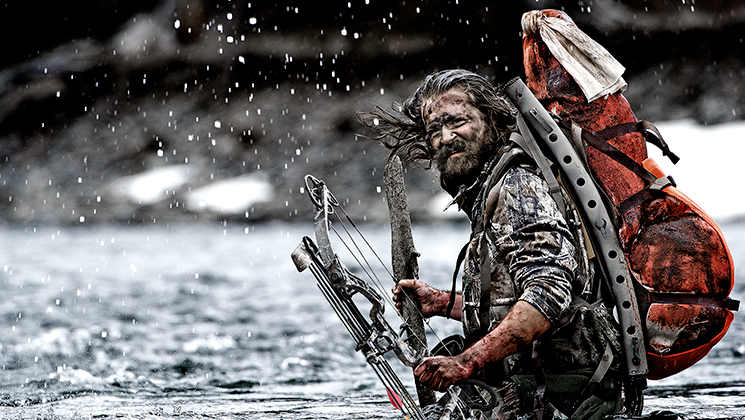
Hunting is one of the most demanding outdoor challenges you can undertake—especially in rugged terrain.
Extreme Endurance and Strength in the Backcountry
An average elk hunt involves:
– 10+ days in remote wilderness
– 10+ miles per day on steep trails
– Carrying 40+ lbs of gear
– Packing out 200–300 lbs of meat
This builds cardiovascular endurance, leg strength, core stability, and balance—functional fitness that translates to real-world resilience.
Year-Round Training with Purpose
Serious hunters train all year: hiking with weighted packs, strength training, marksmanship drills. This isn’t fitness for looks—it’s fitness for survival.
“My training isn’t about burning calories. It’s a requirement to be limitless in the mountains.”
— Dan Staton
Connects to Ancestral Survival Instincts
Humans evolved as hunter-gatherers. The physical demands of hunting—tracking, stalking, carrying game—activate deep biological patterns of movement and awareness. It’s not just exercise. It’s evolutionary fitness.
Boosts Mental Clarity and Emotional Resilience

Hunting is as much a mental practice as a physical one.
Natural Stress Relief and Mindfulness
Time in nature reduces cortisol, the stress hormone. Studies show forest immersion lowers anxiety, depression, and mental fatigue. Hunting amplifies this with focused engagement—waiting, watching, listening.
Digital Detox and Cognitive Reset
Most hunts happen off the grid, with no cell service. This forces a complete break from social media, email, and urban noise—giving your mind space to reset, reflect, and recharge.
“I come out the other side of a hunting trip a better person. I have more clarity, and it’s huge stress relief—regardless of success.”
— Dan Staton
Deep Sense of Accomplishment
Harvesting your own food builds confidence, competence, and self-reliance. You planned it. You executed it. You fed your family with your own hands.
“You’ll never remember buying a brisket at the store. But you’ll remember hunting, harvesting, and butchering your own meat.”
— Reddit user
Saves Money and Builds Long-Term Self-Sufficiency
While hunting has upfront costs, it pays off over time.
Real Savings on High-Quality Protein
A whitetail deer yields 50–65 lbs of meat. Even with gear and license, the cost averages $5–$6 per pound—cheaper than organic or grass-fed beef.
Add turkeys, rabbits, and ducks, and you can drastically reduce grocery bills.
Path to Food Independence
With skills in hunting, fishing, foraging, and gardening, you can aim to buy only salt, sugar, flour, and spices—and get the rest from the land.
“Next thing you know, you only need to buy seasonings. My goal is to grow a year’s supply of potatoes and cut my own fries.”
— Reddit user
Final Takeaway: Hunting Is About More Than Meat
The benefits of hunting for food go far beyond nutrition. It’s a path to health, sustainability, skill, and meaning. It reconnects us to nature, to tradition, and to ourselves.
It’s not for everyone—but for those who feel the call, it offers a deeper, more intentional way to live.
It’s not just about meat.
It’s about reclaiming agency over your food, your health, and your place in the wild.

0 Comments