You’ve just returned from a long day in the backcountry—your feet are tired, your gear is damp, and your hunting boots are caked in mud, sweat, and forest debris. It might be tempting to toss them in the corner until next season, but that’s the fastest way to shorten their lifespan. Knowing how to clean hunting boots properly is essential for preserving their performance, comfort, and durability. A well-maintained boot can last five years or more, keep your feet dry in downpours, and prevent painful blisters and odors.
This comprehensive guide walks you through exactly how to clean hunting boots—whether they’re made of leather, synthetic fabric, rubber, or a hybrid design. You’ll learn the correct tools, step-by-step cleaning methods, drying techniques, conditioning tips, and storage best practices. No guesswork, no damage-prone shortcuts—just proven, field-tested care that keeps your boots ready for every hunt.
Remove Laces and Insoles First for a Deep Clean
Before any scrubbing begins, take out the laces and insoles. This simple step is often overlooked but critical. It gives you full access to the interior, prevents moisture from being trapped, and allows both components to be cleaned separately.
Pull Out Insoles to Prevent Odor and Breakdown
Most hunting boots have removable footbeds. These collect sweat, salt, and bacteria—leading causes of odor, liner degradation, and fungal growth. Removing them lets you clean deep into the boot’s interior and inspect for wear.
Pro Tip: Soak insoles in warm, soapy water for 10 minutes, then air dry. Replace them if they’re flattened or permanently smelly.
Untie and Remove Laces to Access Hidden Grime
Laces trap dirt around eyelets and prevent thorough cleaning. Pull them out completely and set them aside. You can hand-wash them with mild soap or replace them every 1–2 seasons for better fit and hygiene.
Brush Off Loose Dirt and Mud Before Washing
Start your cleaning process by removing surface-level debris. Use a dry, soft-bristled brush—a horsehair or nylon brush works best. Tap the boots together over a trash can to knock off loose mud.
Match the Brush to Your Boot Material
Different materials require different care:
– Leather boots: Use a horsehair brush to lift dust without scratching.
– Synthetic boots: A soft toothbrush or nylon brush cleans mesh panels and seams.
– Rubber boots: A stiff scrub brush removes thick mud without damaging the surface.
Let Wet Mud Dry Before Brushing
If your boots are still wet with mud, let them dry completely first. Scrubbing wet mud pushes it deeper into stitching and fabric, making it harder to remove.
Visual Cue: When the mud cracks and starts to flake, it’s ready to be brushed off.
Clean Leather Hunting Boots Without Damaging Them

Leather is durable but sensitive. Improper cleaning leads to shrinkage, cracking, and waterproof membrane failure.
Wipe With a Damp Cloth or Leather Cleaner
After brushing, use a microfiber cloth dampened with water to wipe the upper. For stubborn stains, apply a leather-specific cleaner like Nikwax Footwear Cleaning Gel or Obenauf’s Clean It Spray.
Never soak or hose down leather boots. Waterlogged leather loses shape and delaminates.
Deep Clean With Saddle Soap (When Needed)
For heavily soiled areas:
1. Mix 1 tsp saddle soap with 1 cup warm water.
2. Apply with a soft cloth in circular motions.
3. Wipe clean with a damp cloth to remove residue.
4. Let air dry completely before conditioning.
Dry Leather Boots Safely and Slowly
- Stuff with crumpled newspaper—it absorbs moisture and holds shape.
- Place in a well-ventilated room, away from sunlight and heat.
- Change newspaper every 2–3 hours if boots are soaked.
- Never use a hair dryer, radiator, or oven—heat destroys glue and cracks leather.
Condition to Prevent Cracking and Stiffness
Once dry, apply leather conditioner:
– Mink oil: Deep hydration, boosts water resistance (darkens leather).
– Obenauf’s Heavy Duty LP: Beeswax-based, long-lasting protection.
– Nikwax Leather Conditioner: Water-based, safe for Gore-Tex-lined boots.
Apply sparingly. Over-conditioning softens leather too much, reducing support.
Re-Waterproof After Cleaning
Leather loses natural oils during cleaning. Restore protection with:
– Nikwax Waterproofing Wax for Leather
– Obenauf’s Water Shield (for coated leather)
Apply to clean, dry boots. Buff off excess to avoid dirt buildup.
Clean Synthetic Hunting Boots Safely and Effectively

Synthetic boots (nylon, polyester, Cordura) are lightweight and breathable but rely on DWR (Durable Water Repellent) coatings that degrade over time.
Soak and Scrub Without Damage
Unlike leather, synthetic boots can be submerged:
1. Fill a basin with warm water and mild dish soap or Nikwax Cleaning Gel.
2. Soak for 5–10 minutes.
3. Use a soft brush to scrub exterior and interior.
Avoid bleach or harsh detergents—they strip DWR and damage technical fabrics.
Rinse Thoroughly to Prevent Residue
Soap residue attracts dirt and breaks down materials. Rinse under clean water until all suds are gone.
Dry Without Heat or Sunlight
- Stuff with newspaper.
- Air dry at room temperature.
- Use a fan to speed drying—never direct heat or sunlight.
Restore DWR Coating After Washing
After drying, reapply a DWR spray:
– Nikwax TX.Direct Spray-On
– Obenauf’s Water Shield
Apply to slightly damp boots for best absorption. Let dry 12–24 hours before use.
Clean Rubber Hunting Boots to Prevent Cracking and Odor
Rubber boots excel in wet conditions but need specific care to maintain flexibility and prevent odor.
Scrub Exterior With Mild Soap
Use a soft brush and warm, soapy water. For tough stains, use a non-petroleum cleaner.
Never use gasoline, acetone, or silicone sprays—they degrade rubber.
Wipe Interior and Deodorize Thoroughly
- Remove insoles and wash separately.
- Wipe inside with a damp cloth and mild soap.
- Sprinkle baking soda inside overnight to neutralize odor.
Dry Slowly and Evenly
- Stuff with newspaper.
- Dry in a cool, ventilated area.
- Never leave in a hot car or near a heater—rubber warps under heat.
Condition to Maintain Flexibility
Apply a rubber-specific conditioner:
– Rubber Prep by Atsko
– 303 Rubber & Vinyl Protectant
These prevent drying and cracking, especially in cold climates.
Clean the Inside of Any Hunting Boot to Stop Odor and Decay
The interior is where damage often starts. Salt from sweat eats away at linings, adhesives, and insoles.
Wash Insoles Separately
Soak in warm, soapy water. Scrub gently with a brush. Rinse and air dry.
Replace insoles if they’re flattened, cracked, or permanently smelly.
Wipe Interior With Damp Cloth
Use a microfiber cloth with mild soap and water. Focus on:
– Heel collar
– Toe box
– Tongue area
Never soak the boot interior—water can’t escape, leading to mold and delamination.
Eliminate Odor at the Source
- Spray with plant-based deodorizer (e.g., Obenauf’s Odor Eliminator).
- Use enzymatic cleaners for stubborn smells.
- Insert cedar blocks or activated charcoal bags when storing.
UV boot sanitizers kill bacteria and fungi—ideal for frequent hunters.
Dry Hunting Boots the Right Way to Avoid Damage
Improper drying is the #1 cause of boot failure. Heat destroys adhesives, warps soles, and cracks leather.
Use Newspaper for Best Results
- Crumple and stuff boots tightly.
- Newspaper pulls moisture from lining and midsole.
- Replace every 2–3 hours if boots are soaked.
Use a Boot Dryer (Only If Low-Heat)
Temperature-controlled dryers like DryGuy or PEET are safe:
– Max heat should not exceed 100°F (38°C).
– Never use unregulated electric dryers.
Field Drying Hack
In the backcountry, place boots in your sleeping bag overnight. Body heat dries them slowly and safely.
Warning: Drying boots by a campfire ruins them. Even indirect heat is too much.
Condition and Waterproof for Longevity
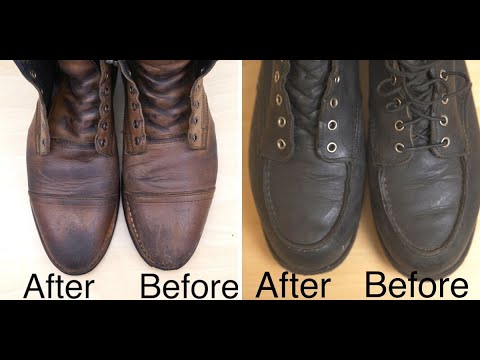
Cleaning removes protection. Always recondition and re-waterproof after cleaning.
Choose the Right Conditioner
| Product | Best For | Notes |
|---|---|---|
| Mink Oil | Heavy-duty leather boots | Darkens leather, boosts water resistance |
| Obenauf’s LP | Long-term preservation | Beeswax formula, gradual oil release |
| Nikwax Conditioner | Membrane-lined boots | Won’t clog breathable linings |
Apply Waterproofing Correctly
- Leather boots: Use Nikwax Waterproofing Wax.
- Synthetic boots: Use TX.Direct Spray.
- Rubber boots: Use silicone-free protectant.
Apply to dry boots. Buff off excess. Reapply every 3–6 uses.
Store Hunting Boots Properly to Prevent Mold and Warping
Bad storage ruins even well-cleaned boots. Follow these steps to prevent mold, odors, and material breakdown.
Clean and Dry Before Storing
Never store damp or dirty boots. Mold and mildew grow in 24–48 hours.
Use Cedar or Baking Soda
Insert cedar blocks or baking soda packets to absorb moisture and neutralize odor.
Store Upright in a Cool, Dark Place
- Avoid garages and basements—temperature swings cause cracking.
- Keep away from sunlight—UV rays degrade rubber and synthetics.
- Use a breathable boot bag—never plastic.
Pro Tip: Loosen laces and leave tongue upright to maintain shape.
Avoid These Common Cleaning Mistakes
Even experienced hunters make these errors—don’t let them shorten your boot life.
❌ Washing in a Machine
Agitation destroys glue, delaminates soles, and ruins waterproof membranes.
❌ Drying Near Heat
Radiators, campfires, and hair dryers cause irreversible damage.
❌ Over-Conditioning Leather
Too much oil softens leather, reduces support, and attracts dirt.
❌ Ignoring the Interior
Sweat and salt destroy linings. Clean the inside every time.
❌ Using Silicone Sprays on Leather
They clog pores, reduce breathability, and trap moisture.
Final Tips for Long-Lasting Hunting Boots
- Clean after every hunt—even if they look clean.
- Dry slowly—never rush with heat.
- Condition leather only when dry—not as routine maintenance.
- Reapply waterproofing after every deep clean.
- Clean the inside—sweat is more damaging than mud.
- Store properly—cool, dry, and ventilated.
- Build a boot care kit—brush, cleaner, conditioner, and drying supplies.
With consistent care, your hunting boots can last 5+ years—performing like new, keeping your feet dry, and saving you hundreds in replacements. Great boots deserve great care. Treat them right, and they’ll carry you through every season, every mile, and every successful hunt.


0 Comments