Raccoon hunting is more than just a nighttime adventure—it’s a calculated game of wits between hunter and one of the most intelligent small-game animals in North America. With sharp instincts, nocturnal habits, and an uncanny ability to adapt, raccoons challenge even experienced hunters. But by mastering proven raccoon hunting tips, you can turn that challenge into consistent success. Whether you’re tracking with coon hounds, calling from a blind, or scanning the darkness with thermal optics, knowing how raccoons move, feed, and react to pressure gives you the edge.
These animals are most active between 10 p.m. and 2 a.m., especially on overcast or new-moon nights when shadows offer cover. They follow established trails near water, crop edges, and wooded structures, often returning to the same dens and feeding zones night after night. Success isn’t just about having the right gear—it’s about reading the environment, controlling your scent, and timing your approach perfectly. From baiting techniques to ethical shot placement, this guide delivers field-tested raccoon hunting tips that work in real-world conditions.
Decode Raccoon Behavior Patterns
Understanding raccoon behavior is the foundation of every successful hunt. These animals aren’t just active at night—they’re highly strategic, using cover, scent, and terrain to avoid threats.
Nocturnal Movement Peaks
Raccoons begin moving 30 minutes after full dark, with peak activity between 10 p.m. and 2 a.m. They favor low-light conditions, especially during new moon or overcast nights, when they venture farther from shelter. On bright moonlit evenings, they tend to stay hidden in dense brush, hollow trees, or under structures. Daylight sightings aren’t rare—particularly in spring when nursing females forage during the day or in urban areas where human activity has shifted their routines.
Identify Preferred Habitats
Target locations where raccoons naturally congregate:
– Wooded areas near water (creeks, ponds, rivers)
– Hollow trees, rock crevices, and abandoned burrows
– Barns, sheds, decks, and soffits in rural or suburban zones
– Crop fields, especially cut corn or grain edges
Look for raccoon trails—repeated paths along fencerows, timber lines, and creek beds. Signs of regular use include tamped-down vegetation, scat, overturned logs, and grease marks on tree trunks where they’ve climbed.
Recognize Feeding Triggers
Raccoons are opportunistic omnivores. Their keen sense of smell draws them to high-calorie, easy-to-access foods. The most effective baits include:
– Sardines and fish-based lures (strong odor travels far)
– Peanut butter (smear on stumps or logs)
– Dry dog food mixed with grape Kool-Aid (sweet scent attracts curiosity)
– Marshmallows (ideal in neighborhoods—less appealing to cats)
– Bacon fat and Alpo (effective near farms)
They’ll climb deer feeders, dig through compost, and raid chicken coops—making agricultural and suburban edges prime hunting grounds.
Follow Legal and Ethical Hunting Rules
Before every hunt, verify that your methods comply with local regulations and ethical standards.
Verify Local Hunting Regulations
A valid raccoon hunting permit is required in most U.S. states and European countries. Regulations vary:
– Texas, Georgia: Night hunting allowed with restrictions
– Illinois, Pennsylvania: Limited spotlight use; some ban night firearms
– UK (DEFRA, Natural England): Raccoons are invasive; removal requires authorization
– Germany (Bundesjagdgesetz): Year-round hunting with regulated lighting
– France (OFB): Night control only in agricultural zones
Always check with your state wildlife agency—laws on firearms, lighting, dog use, and trapping change frequently.
Practice Ethical Hunting Standards
Even for nuisance animals, ethics matter. Follow these principles:
– Positive ID: Confirm it’s a raccoon before shooting.
– Safe backstop: Never fire without a contained background.
– Clean kill: Aim for head shots to prevent wounded animals.
– No trespassing: Always get landowner permission.
– Avoid non-targets: Use call timing and positioning to protect pets.
“Raccoons are smart and deserve respect. A clean, ethical kill honors the animal and the tradition of hunting.”
Choose the Right Hunting Method
Pick a strategy that matches your terrain, gear, and experience.
Hunt with Coon Hounds
Using dogs is the most traditional and effective method, especially at night.
Top Coon Dog Breeds
- Treeing Walker Coonhound – Fast, vocal, excellent treeing instinct
- Bluetick Coonhound – Strong scent drive, persistent tracker
- Redbone Coonhound – Agile in thick cover, reliable bay
- Black and Tan Coonhound – Deep voice, great for open terrain
Key Training Tips
- Train dogs to ignore deer and livestock scents
- Use GPS collars to track movement in dense woods
- Practice recall commands to regain control after a tree-up
When the dog bays and trees a raccoon, use a spotlight or thermal monocular to locate the animal in the canopy.
Pro Tip: If new to coon dogs, join an experienced hunter’s pack to learn the rhythm of the hunt.
Use Calling and Decoy Tactics
Calling works day or night—especially near den sites or feeding zones.
Best Call Types
- Fight calls: Trigger territorial response
- Wounded rabbit: Draws curious raccoons
- Squalling or distress calls: Mimic young raccoons; effective in spring
Optimize Call Volume
Use a three-stage volume increase:
1. 25% volume – Soft, distant sound to spark curiosity
2. 50% volume – Closer, more realistic
3. 75% volume – Urgent, competitive tone
Wait 5–10 minutes between sequences. If no response after 15–20 minutes, move silently to a new spot.
Add a Motion Decoy
A decoy with a wagging tail or moving body increases realism. Place it crosswind of your shooting lane to encourage broadside approaches.
“After a few distress calls, the coon stopped, turned, and came in slow. Thermal showed him clear—perfect head shot.”
Set Up Baiting Systems
Pre-baiting creates predictable movement patterns.
Proven Bait Combinations
- Sardines + dry dog food – Strong smell, long-lasting
- Dog food + grape Kool-Aid powder – Sweet scent travels far
- Peanut butter on stumps – Stays put, highly attractive
- Marshmallows – Works well in yards; avoids attracting cats
Build a Raccoon-Only Feeder
- Drill a hole in a 5-gallon bucket using a heated 1.5″ PVC pipe
- Insert pipe halfway—creates a narrow entry raccoons can use, but cats and dogs can’t
- Hang 40 yards from your blind for safe shooting distance
- Fill with 16 lbs of bait; monitor with a trail camera
Set up 3–5 days in advance to establish feeding habits.
Spotlight and Thermal Hunting
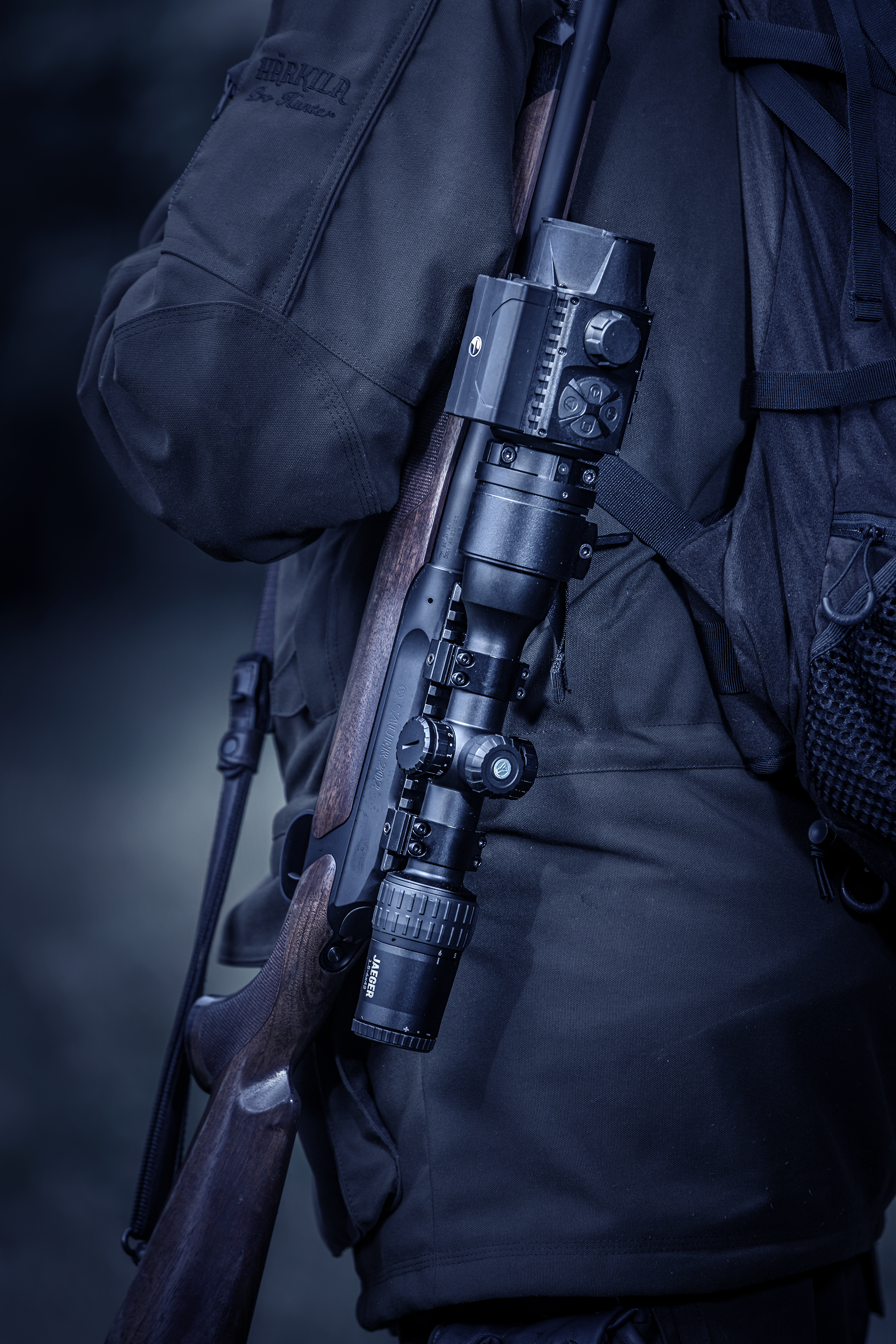
Modern optics have transformed night hunting.
Spotlighting Basics
- Use red or green lights—raccoons see red poorly
- Shine slowly along tree limbs and trails
- Watch for greenish-yellow eye shine
Avoid bright white lights that teach raccoons to flee.
Why Thermal Beats Night Vision
Thermal imaging detects heat signatures, working in:
– Total darkness
– Fog, smoke, or heavy brush
– Brightly lit farmyards
You can identify raccoons without shining a light—critical near homes or livestock.
Top Thermal Gear
| Device | Use Case |
|---|---|
| Pulsar Krypton 2 FXG50 | Clip-on for daylight scopes—no re-zeroing |
| Oryx LRF | Handheld scanning with laser rangefinder |
| Symbion | 24/7 surveillance with dual sensors |
| Talion | Rifle-mounted scope for precision shots |
“The Krypton 2 turns any .22 into a night hunter. Image clarity is unmatched—spotting a coon on a limb is easy.”
Trap Raccoons Humanely
Trapping is ideal where shooting isn’t allowed.
Use Live Cage Traps
- Havahart or similar models
- Bait with sardines, marshmallows, or peanut butter
- Check frequently—raccoons can be aggressive
Warning: Traps may catch possums, skunks, or pets. Always wear welding gloves when handling.
Try the “Stuck Paw” Trap (Verify Legality)
Based on Where the Red Fern Grows:
– Drill a 1–1.5″ hole into a log or PVC
– Place bait (shiny object or food) at the bottom
– Insert angled nails so raccoon can’t pull its fist out
Check local laws—this method is banned in some areas.
Gear Up for Night Success

The right equipment makes the difference between a missed opportunity and a clean harvest.
Firearms and Ammo
Best Calibers
- .22 LR – Standard for small game; quiet, accurate
- .25 caliber air rifle (900+ FPS) – JSB Exact Kings for head shots
- .30 caliber air rifle (Wildcat) – Extra power for larger raccoons
- Shotgun (tight choke) – Effective at close range
Ammo Tips
- Use subsonic rounds to reduce noise
- Test penetration by shooting 1/2″ pine boards—if it goes through, it’ll penetrate a skull
Critical Rule: Head shots only. Body shots lead to tracking and loss.
Optics and Lighting
Night Vision vs. Thermal
- Night vision amplifies light—fails in total darkness
- Thermal sees heat—works in all conditions
Light Choices
- Red/green headlamp – Low visibility to raccoons
- Scope-mounted green LED – Bright, compatible with standard scopes
- Illuminated scope (e.g., BugBuster 3-9x) – Older but effective
Clothing and Accessories
- Camouflage – Breaks up your outline
- Quiet, waterproof boots – Essential for stealth
- Thin gloves – Maintain dexterity while reducing noise
- Shooting sticks – Stabilize for precise shots
- UV flashlight – Helps spot blood trails at night
Scout Like a Pro
Success starts long before dark.
Daytime Scouting Checklist
Look for:
– Tracks and scat on muddy trails
– Overturned logs or dug-up soil
– Grease marks on den tree trunks
– Tipped feeders or smudged prints on decks
– Guard hairs caught on fences or bark
Use trail cameras to log activity times and numbers.
Best Hunting Locations
- Hardwood stands near water
- Cut corn fields and creek banks
- Abandoned barns and structures
- Wooded stream corridors
- Mature hedgerows and woody draws
- Woodlots next to farms
Set up stands or blinds downwind of travel routes.
Adapt to Weather and Wind
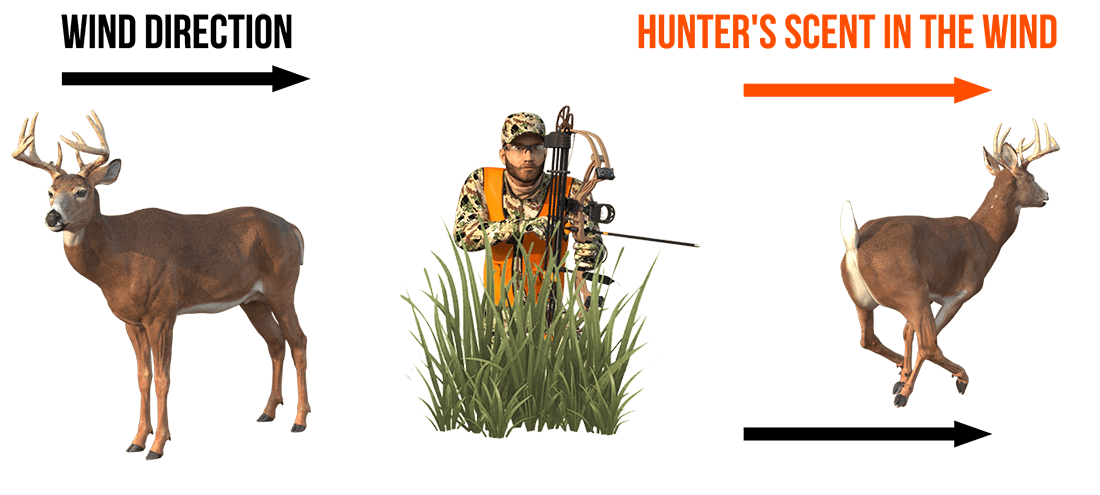
Environmental factors heavily influence raccoon movement.
Weather Impact
- Overcast/new moon nights: Raccoons move openly
- Bright moonlight: They stay deep in cover
- Cold snaps: Increased travel for food
- Humid nights: Linger near water
- After cold fronts: Move with wind in their face
Control Your Scent
- Hunt downwind of trails and dens
- Avoid scented soaps, detergents, or sprays
- Use scent-eliminating spray if needed
Avoid Common Beginner Mistakes
New hunters often fail due to preventable errors.
Top 6 Mistakes
- Using white lights – Spooks raccoons; use red or green
- Moving too fast – Misses subtle signs and movement
- Calling too loud – Sounds unnatural; start low
- Ignoring wind – Raccoons smell you from 100+ yards
- Poor shot placement – Body shots require tracking; head shots are best
- No pre-baiting – Raccoons need time to trust a site
Pro Tip: Set up your bait site 3–5 days early and monitor with a trail cam.
Summary: Best Raccoon Hunting Tips
| Category | Proven Strategy |
|---|---|
| Best Time to Hunt | 10 p.m. – 2 a.m., new moon or overcast |
| Top Hunting Method | Thermal + rifle or coon hounds |
| Most Effective Bait | Sardines, Kool-Aid + dog food, peanut butter |
| Best Call Strategy | 25% → 50% → 75% volume with motion decoy |
| Ideal Gear | .22/.25 air rifle, Pulsar Oryx, red light, shooting sticks |
| Legal Must-Dos | Check local laws, get permit, landowner permission |
| Ethical Rules | Positive ID, head shot, safe backstop, no trespassing |
Final Note: Raccoon hunting rewards patience, preparation, and respect. With the right raccoon hunting tips, you’ll turn a challenging pursuit into consistent success—whether you’re tracking with dogs, calling from a blind, or scanning the dark with thermal. Stay legal, stay safe, and always hunt with integrity.



0 Comments