The sudden burst of wings, the sharp whirr of flight, and the crack of a well-placed shot—quail hunting is as much about instinct as it is about preparation. Across North America, from the piney woods of Georgia to the arid canyons of Arizona, hunters pursue six distinct quail species, each with unique behaviors and habitats. Success isn’t just about trigger time—it’s about knowing where to walk, when to pause, and how to read the land. These quail hunting tips distill expert strategies into actionable guidance, covering species-specific tactics, gear choices, dog handling, and safety. Whether you’re a first-time hunter or refining your approach, mastering these fundamentals will increase your odds, deepen your connection to the field, and make every covey rise a moment to remember.
Know Your Quail Species and Their Habits

Not all quail behave the same. Tailoring your strategy to the species in your region gives you a decisive edge.
Northern Bobwhite: Flush Zones and Field Edges
The Northern Bobwhite is the classic upland game bird, known for its “bob-white” call and explosive flushes. Found from the Southeast to the Midwest, it thrives in grasslands, field borders, and shrubby cover. These birds often run before flushing, so watch for movement in low vegetation. After a flush, they may re-form into coveys, offering second chances later in the day.
Scouting Tip: Look for dusting areas and scattered feathers—signs of frequent use.
California Quail: Follow the Water and the Call
With its iconic forward-curving topknot, the California Quail favors riparian zones, coastal canyons, and brushy washes. It relies heavily on water, so focus on streams, arroyos, and shaded ditches. These birds flush explosively with a loud “chi-ca-go” call—be ready for fast, close-range shots.
Visual Clue: Manzanita thickets and juniper stands are prime hiding spots.
Gambel’s Quail: Desert Runners, Not Flyers
In Arizona and the Southwest, Gambel’s Quail prefers to run between cacti and shrubs rather than fly. They flush only when cornered, making patience key. Their short, rapid flights demand quick, clean shots.
Best Hunting Times: Early morning and late afternoon when birds are active.
Scaled Quail: The Ghosts of the Plains
With blue-gray, scaly plumage, the Scaled Quail blends into open grasslands of Texas and New Mexico. It’s skittish, often running toward cover before flushing with an erratic flight. After rain, birds move into greener forage zones—follow the moisture.
Pro Strategy: Prepare for fast, unpredictable shots in open terrain.
Mearns’ Quail: The Hidden Mountain Dwellers
Also called Montezuma Quail, Mearns’ Quail inhabit rugged oak woodlands at 3,500–8,000 feet. They remain hidden until nearly stepped on, making them one of the most challenging species. Look for ground scratchings where they dig for bulbs and insects.
Gear Note: Wear brush-resistant clothing—terrain is thick and unforgiving.
Mountain Quail: Tight Cover, Tighter Shots
Found in the Pacific Northwest, Mountain Quail live in dense underbrush and steep slopes. They’re hard to flush and often fly straight into cover. Shots are close-range and tight—practice shooting in thickets.
Scouting Tool: Use GPS to mark feeding zones in remote areas.
Read the Habitat: Where Quail Really Live
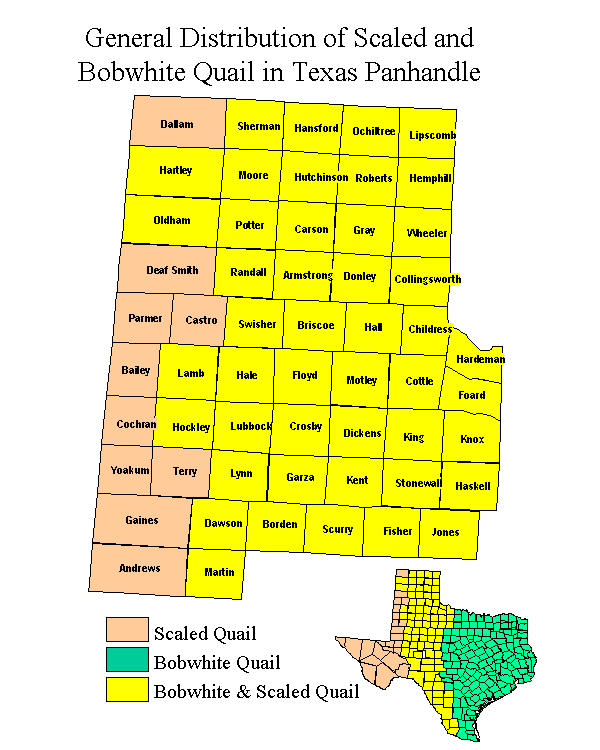
Quail don’t roam randomly. They live where food, cover, and water intersect.
Hunt Edge Habitats for Maximum Success
Quail love transition zones: where fields meet woods, crops border fencerows, or grasslands brush up against shrubs. These edges offer food, overhead cover, and escape routes.
Look For:
– Mixed vegetation layers
– Low shrubs and native grasses
– Seed-producing plants and insect-rich soil
Find Water in Arid Zones
In dry regions, water is life. Gambel’s and Scaled Quail cluster near springs, washes, and guzzlers. Even temporary rain pools attract birds.
Pro Move: Scout after rain—quail move into lush new growth within hours.
Use Thermal Cover in Cold Weather
When temperatures drop, quail seek south-facing slopes that catch morning sun and dense brush that blocks wind. They may delay feeding until mid-morning.
Cold-Weather Hotspots:
– Hedgerows
– Shelter belts
– Thickets near food plots
Try Unconventional Spots When Pressure is High
When primary cover is hunted out, quail retreat to secondary habitats:
– Wheat stubble fields
– Dikes and ditches
– CRP terrace creases
– Overhangs and caves
Expert Insight: After heavy pressure, surviving birds hide in marginal areas—reassess your strategy.
Time Your Hunt for Peak Activity
Even perfect gear won’t help if you’re in the field at the wrong time.
Hunt Early Morning and Late Afternoon
Quail are most active during first and last light. They forage at dawn and move to roosting areas at dusk. The Golden Hour—last 60 minutes of daylight—is prime for covey flushes.
Pro Tip: Arrive early—set up before sunrise to catch first movement.
Adjust for Cold Weather
On cold days (~50°F or below), birds may not stir until late morning. Slow your pace and work dogs closer—scent doesn’t carry well on frozen terrain.
Behavior Change: Quail conserve energy, roost in tight circles, and flush less readily.
Take Advantage of Post-Front Movement
After a cold front passes, quail often concentrate and move more. Cooler temps and wind improve dog scenting ability—take advantage.
Bonus: Full moon periods may shift nocturnal activity, affecting daytime locations.
Choose the Right Shotgun and Ammo
Your gear must match the fast, close-range nature of quail hunting.
Best Shotgun: 20-Gauge Over-Under
The 20-gauge is the go-to—light enough for long walks, powerful enough for clean kills. A break-action over-under offers quick follow-up shots and reliability in brush.
Alternatives:
– 28-gauge for open terrain and skilled shooters
– 12-gauge with light loads (7/8 oz) and open choke for dense cover
Ammunition: Light Loads, Small Shot
Use 7/8 oz of #7.5 or #6 shot—ideal for quail’s small size and short flight. Larger shot risks overkill; smaller lacks energy.
Recommended Load: Winchester AA Game Load—consistent patterning and clean performance.
Choke Choice: Improved Cylinder or Modified for close to mid-range shots.
Practice Rule: Train with the same gun and ammo you’ll use in the field.
Sharpen Your Shooting Skills
Wing shooting is a skill—not instinct. Practice makes all the difference.
Practice on Sporting Clays
Even experienced hunters benefit from sporting clays or five-stand—both simulate real hunting scenarios. Focus on:
– Smooth gun mount
– Target acquisition
– Lead and follow-through
Beginner Benefit: Clay shooting reinforces safe handling and eye dominance.
Wing Shooting Fundamentals
- Pick one bird in the covey—don’t swing wildly.
- Let your eyes lead the barrel—focus on the bird, not the bead.
- Maintain balance—plant your feet for follow-up shots.
- Don’t rush—pause briefly to ensure a clean shot.
Common Mistake: Breaking focus or jerking the trigger—results in missed birds.
Work with Hunting Dogs Effectively
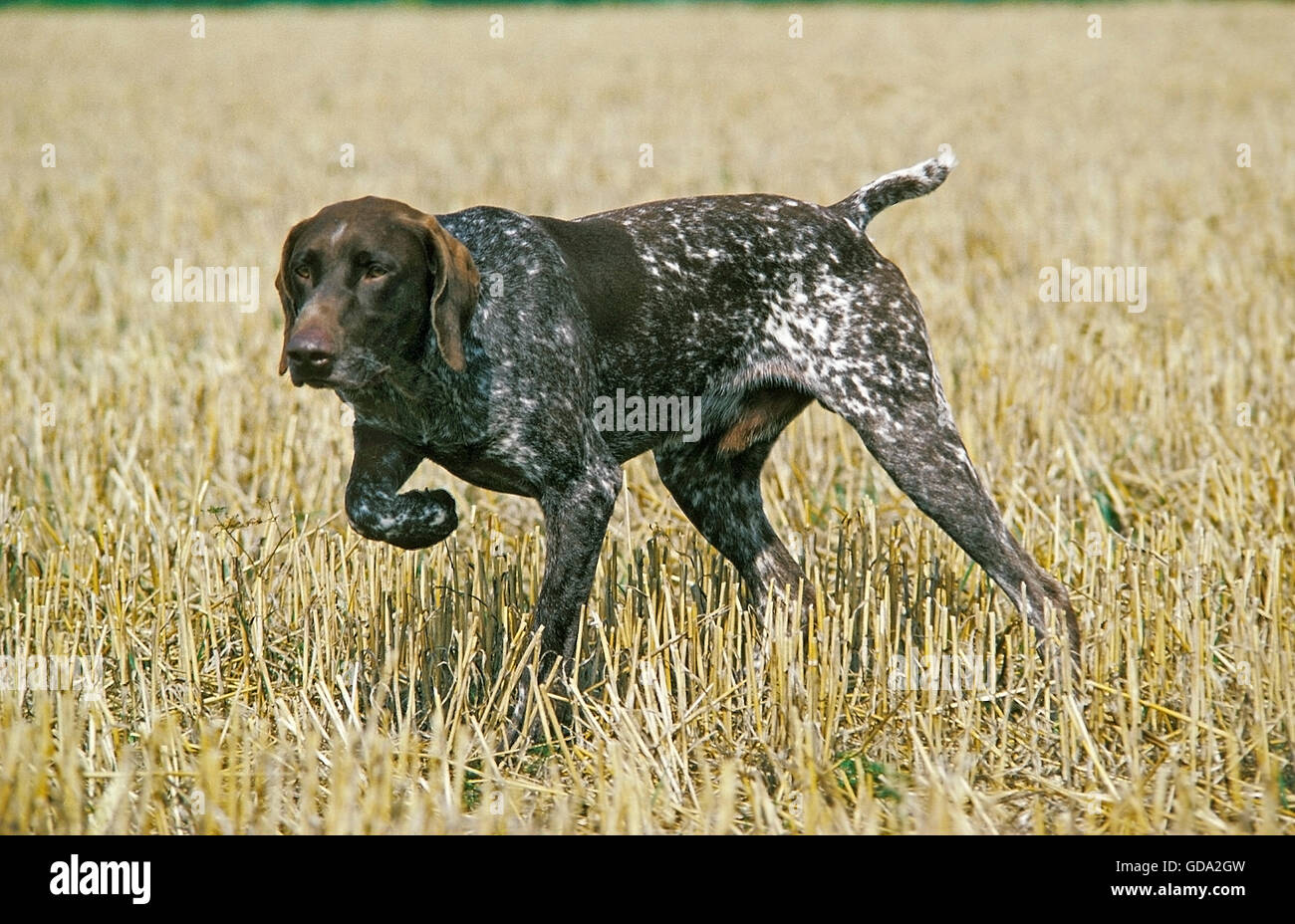
A well-trained dog is worth more than any high-end shotgun.
Choose the Right Dog Type
| Dog Type | Best For | Top Breeds |
|---|---|---|
| Pointers/Setters | Locating and holding point | English Pointer, GSP, English Setter |
| Flushing Dogs | Driving birds into flight | Springer Spaniel, Cocker Spaniel, Brittany |
| Retrievers | Recovering downed birds | Labrador, Golden Retriever |
Versatile Option: German Shorthaired Pointer—points, flushes, retrieves.
Dog Handling Rules
- Never shoot over the dog—wait until birds are above head height.
- Respect shooting lanes—each hunter gets a 90-degree arc.
- Work slower in cold weather—frozen ground reduces scenting.
- Hydrate and protect paws—use booties on rocky terrain.
Golden Rule: “Don’t shoot the dog.” Always know your dog’s location.
Off-Season Training
Keep dogs sharp with:
– Basic commands (sit, stay, come)
– Retrieval drills
– Scent work in varied terrain
– Regular exercise for stamina
Pro Tip: Join NAVDA or local clubs for performance testing.
Stay Safe in the Field
Safety isn’t optional—it’s the foundation of ethical hunting.
Wear Blaze Orange
Always wear a blaze orange vest and cap, especially in dense cover where other hunters may not see you.
Confirm Target and Beyond
Never shoot unless you positively identify the target and know what’s behind it.
Group Hunting Safety
- Stay in line with partners
- Communicate constantly
- Follow the guide’s lead
- If unsure, don’t shoot
Mental Check: Ask: “Is my shot safe for everyone?”
Prepare Before the Hunt
Success starts before you step into the field.
Get Licensed & Legal
- Carry valid license, stamps, and permissions
- Check season dates and bag limits
- For private land: Get written permission
- For public land: Verify access
New Mexico Tip: Check the Open Gate Program.
Pack the Right Gear
Essential Kit:
– Broken-in, lightweight boots (add snake chaps early season)
– Blaze orange clothing
– Layered, moisture-wicking layers
– Water, snacks, first aid
– GPS, extra shells, game vest
Scout 2–3 Weeks Early
Look for tracks, feathers, droppings, dusting areas. Mark productive spots with GPS.
Scouting Tip: Visit after rain—quail move into refreshed cover.
Respect Conservation & Tradition
Quail hunting is a legacy—protect it for future generations.
Support Habitat Efforts
Organizations like Quail Forever promote:
– Habitat restoration
– Prescribed burns
– Predator control
– Youth outreach
Pass It On
Teach new hunters:
– Firearm safety
– Ethical shot selection
– Respect for wildlife
Best Way: Mentor a beginner—take them on a guided hunt.
Final Tips for Beginners
Starting out? These tips will get you off on the right foot.
- Complete hunter education
- Find a mentor or hire a guide
- Gear up wisely: Focus on boots, orange vest, reliable shotgun
- Hunt the edges: Field borders, food plots, thermal cover
- Watch the dog: Learn from their behavior
- Be patient—quail hunting is as much about the experience as the harvest
Final Note: Quail hunting is a blend of skill, preparation, and respect—for the bird, the dog, and the land. Use these quail hunting tips to read the terrain, time your hunt, and make ethical shots. Whether you’re a beginner or refining your craft, every walk through the brush is a chance to grow. Now grab your gear, check the wind, and hit the field—your next covey is waiting.

0 Comments