Most hunters hang up their gear after the peak of the rut, convinced the best opportunities are behind them. But seasoned whitetail hunters know the truth: the post-rut is when mature bucks reappear—exhausted, hungry, and surprisingly vulnerable. With breeding demands fading, deer shift focus from chasing does to surviving winter, creating new, predictable movement patterns driven by cold weather, food scarcity, and lingering hormonal urges.
This is when big bucks make mistakes. They move during daylight, travel unfamiliar ground, and respond to calls and scents—sometimes even more than during peak rut. The key? Adapt. Forget chasing scrapes all day. Instead, hunt food, use weather fronts, and stay stealthy when others have already quit.
You’ll learn how to target long-distance cruisers, exploit late-cycling does, and use ground blinds, rattling, and scent strategies effectively. Whether you’re in the Midwest, South, or Northeast, these field-tested post-rut hunting tips will keep you in the game when pressure drops and opportunity rises.
Decode Post-Rut Buck Behavior
After weeks of nonstop chasing, fighting, and burning energy, bucks are physically drained—many down 20–30% in body weight. Their priorities shift fast: find food, rest, and avoid danger. But this doesn’t mean they vanish.
Testosterone levels remain elevated in many mature bucks for up to two weeks after the peak rut, keeping them active and aggressive. Some continue cruising, especially if late-cycling does are still present. Others retreat to thick cover but make short, repeated trips to feed. This behavioral mix creates ideal hunting conditions.
Bucks Are Still on the Move
- Dominant bucks travel miles outside their core range searching for final breeding chances.
- New bucks appear on trail cameras—transients not seen earlier in the season.
- Daylight activity spikes during cold fronts and snowfall.
“This is when I’ve harvested some of my biggest deer. The woods get quiet, and that old buck finally makes a mistake.” — Veteran hunter, Iowa
Don’t assume bucks go nocturnal. Cold weather and hunger override caution. Your best shot may come midday in a standing cornfield or along a snowy ridge. The post-rut isn’t a lull—it’s a second peak.
Hunt Food Sources Aggressively
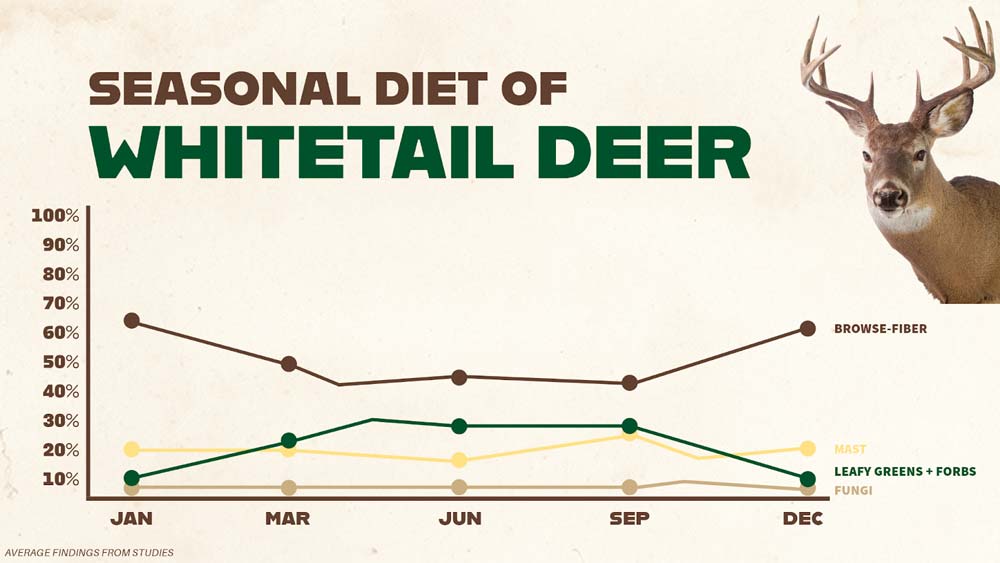
Food drives nearly every deer movement in the post-rut. Both does and bucks need to replenish fat stores before winter. Set up where deer eat—not where they bed.
Top Late-Season Food Options
| Food Source | Why It Works |
|---|---|
| Standing corn | Provides cover and calories; deer bed and feed in it |
| Green soybean stubble | High-protein residue attracts deer after harvest |
| Brassica food plots | Turnips and radishes stay palatable under snow |
| Acorns (white oak) | High-fat natural food, especially valuable in hardwoods |
| Browse (twigs, vines) | Critical in big woods where crops aren’t available |
Strategic Stand Placement
- Position stands 30–40 yards from field edges for bowhunting.
- Use ground blinds for better concealment and wind protection.
- Focus on green edges, such as power lines, fencerows, or clear-cuts.
“I set up closer to food than bedding now. That’s where they’re going, and that’s where I want to be.” — Chad Schilling
Don’t overlook small food sources. A forgotten apple tree, a patch of honeysuckle, or a strip of unharvested beans can draw deer when larger fields are pressured.
Target Thermal and Security Cover
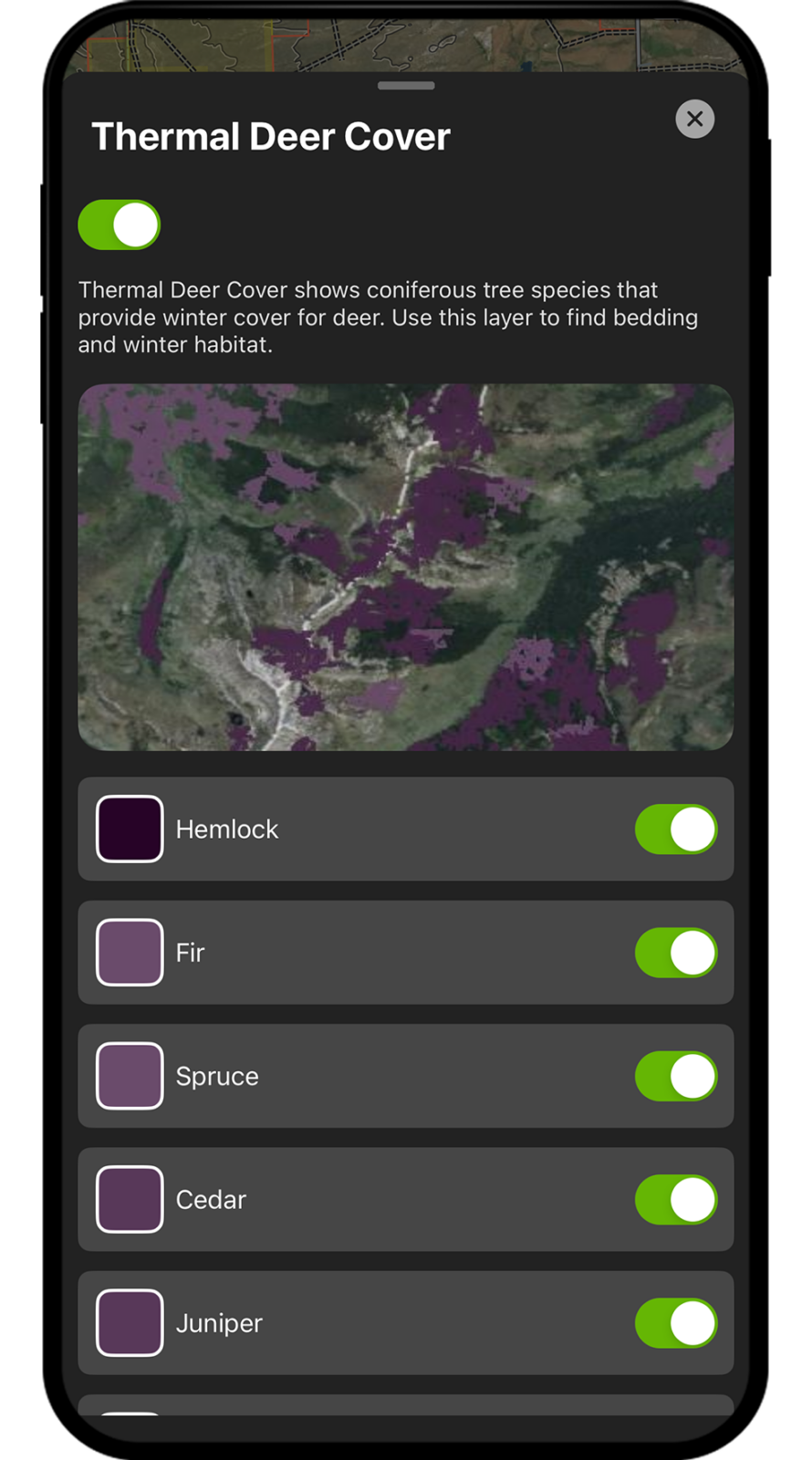
Exhausted bucks seek thick, sheltered bedding areas that block wind and conserve heat. These zones become daytime sanctuaries—especially in snowy or windy conditions.
Best Bedding Locations
- Dense conifers (pine, cedar, spruce)
- Laurel or rhododendron thickets
- Swamp edges, ditches, and brushy fencerows
- Steep slopes, hollows, and inside corners of woodlots
Bucks often bed 400–1,000 yards from food, but in harsh weather, they’ll cut that distance to under 400 yards. In northern states, snow forces shorter trips—sometimes within a few hundred yards of food plots.
When to Hunt Bedding Areas
- Mid-morning to early afternoon, when bucks return from feeding.
- After a cold front, when deer bed in sunny, wind-protected spots.
- On still, overcast days, when movement is less predictable.
Use topographic maps or scouting apps to locate saddles, ridgelines, and funnels between bedding and food. These pinch points are gold during post-rut.
Reuse Rut Travel Corridors
Even after the rut ends, bucks often follow the same paths they used during breeding season. Familiarity wins when energy is low.
Hunt These Key Zones
- Creek bottoms and draws that connect bedding and feeding areas
- Saddles and ridgelines where bucks travel between zones
- Funnel points like fence gaps, timber edges, or downed timber
Look for fresh rubs or reopened scrapes—some dominant bucks continue marking territory into early December. A buck pawing a scrape may be checking for late-cycling does.
“I’ll hunt the same spots I used in early November. Bucks cycle back through, especially in the morning.” — Forum contributor
Set up downwind of these corridors and stay patient. Movement may come in short bursts, but when it does, it’s often a mature buck.
Chase Late-Cycling Does for Second-Rut Action
Not all does breed during the first estrous cycle. Unbred does, does that failed to conceive, and 7-month-old doe fawns can trigger a “second rut” in late November and early December.
Why Late-Cycling Does Matter
- In areas with good nutrition (like Iowa or Kansas), doe fawns enter heat.
- These does attract dominant bucks looking for one last breeding chance.
- Movement mimics peak rut—buck tending, chasing, and increased daylight activity.
A hunter in Tennessee observed a large buck actively tending does at 10 a.m. in early December—proof the rut isn’t truly over.
How to Use This
- Keep trail cameras on doe groups to detect late-cycle activity.
- Hunt near food sources where does gather.
- Use doe-in-heat urine to simulate receptive females.
Even minimal breeding activity can bring mature bucks out of hiding. Don’t assume the rut is dead.
Call and Scent Strategically
Calling remains effective in the first two weeks of post-rut, especially when testosterone is still elevated.
Rattling: Most Effective Post-Rut
- Best during early post-rut when bucks are still aggressive.
- A 3-year study by Mickey Hellickson found 29 mature bucks responded—10 were 5.5+ years old.
- Use 30 seconds of aggressive rattling, then wait 30–60 minutes.
“Rattling works better now than during peak rut in some areas.” — Research finding
Best done early morning on cold, still days. Set up near funnels or field edges where cruising bucks might investigate.
Grunt Calls: Keep It Natural
- Use mid-range grunts every 20–30 minutes to mimic a cruising buck.
- Avoid overcalling—post-rut bucks are wary.
- Use wind direction to carry sound into likely travel routes.
Scent Lures (Where Legal)
- Doe-in-heat urine: Lay a fresh trail into your stand daily.
- Tarsal gland scent: Revive old scrapes to simulate buck activity.
- Dominant buck urine: Trigger territorial response.
- Mock scrapes: Refresh every few days to attract curiosity.
“Stink up the December woods. Scent use takes on renewed importance.” — Michael Hanback
Always follow local regulations—some states ban synthetic lures.
Leverage Cold Weather and Snow
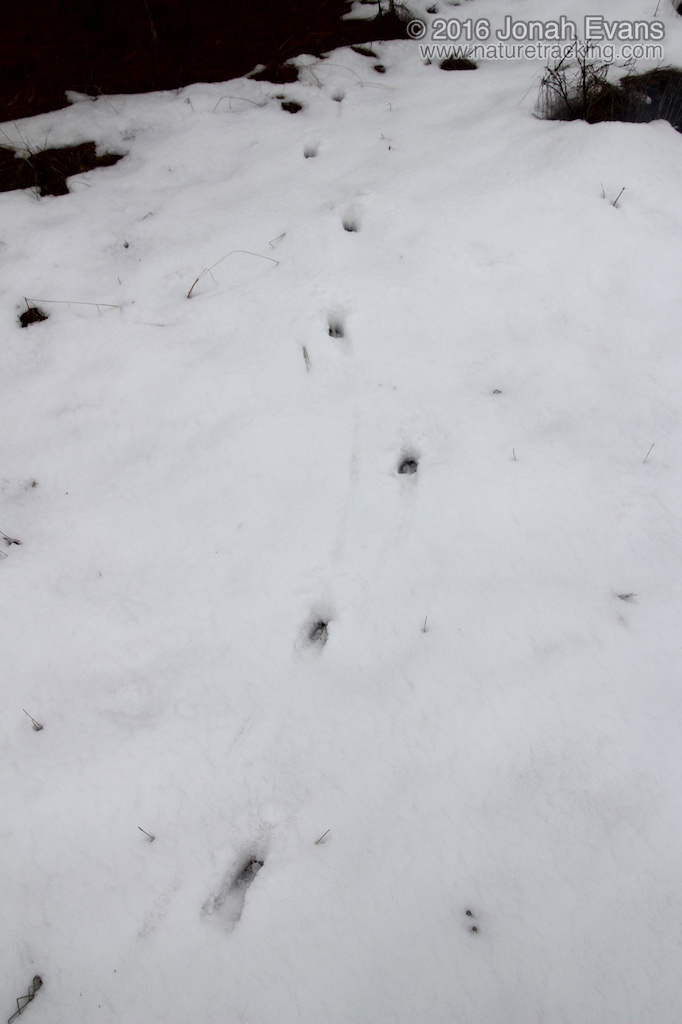
Weather is the biggest trigger for post-rut deer movement. Cold fronts, snow, and dropping pressure force deer to feed during daylight.
Ideal Conditions
- Temperatures between 10°F and 35°F
- Calm winds and clear skies
- Snow cover (2+ inches) that exposes tracks and limits movement
“Pray for snow and temps from the teens to mid-30s. A hungry buck might pop out into the crops.” — Michael Hanback
Avoid warm spells. Unseasonably mild weather makes deer nocturnal—they’ll bed in sunny spots and avoid open areas.
Hunt the Front, Not the Calm
- Arrive before a cold front hits—deer often feed heavily in advance.
- Stay out during snowfall—movement increases as deer seek food.
- Hunt midday after a storm—buck tracks lead straight to food sources.
In northern states, snow opens opportunities for tracking and wind bumping—tactics that shine when others have gone home.
Adjust Tactics and Gear
The post-rut demands different gear and strategies than early season.
Switch to Ground Blinds
- Break wind and improve hunter comfort in cold weather.
- Blend into snowy landscapes—build a “snow igloo” around the blind.
- Easier to move with changing wind patterns.
- Less visible in leafless woods.
“Whitetails rarely notice the igloo-like object in the white backdrop.” — Chad Schilling
Best for open fields, food plots, and agricultural edges.
Still-Hunt in Big Woods
Effective on public land or high-pressure areas where stand hunting fails.
- Move slowly: take a few steps, glass, wait, repeat.
- Use terrain—ridges, saddles, and drainages—to stay concealed.
- Best done midday when deer are bedding.
“Still-hunting lets me cover ground and catch bucks off guard.” — Beau Martonik
Wear quiet clothing and use binoculars frequently.
Track Bucks in Snow
Highly effective in northern states (MI, MN, ME, PA).
- Follow fresh tracks to intercept or ambush.
- Read gait: walking = relaxed, trotting = pressured, bounding = fleeing.
- Judge track age by edge sharpness and snow melt.
Guide Hal Blood (Maine) uses tracking as his primary late-season method, adjusting speed based on terrain and track freshness.
Try Wind Bumping
Two-person tactic for thick cover:
- One hunter walks slowly into the wind toward a bedding area.
- Second hunter ambushes escape routes downwind.
Deer move cautiously—not panicked—increasing shot chances.
“We got a 20-yard shot on an 8.5-year-old buck using wind bumping.” — Success story, Pennsylvania
Know Your Region’s Timing
Post-rut timing varies by region. Adjust your strategy accordingly.
Midwest (OH, MI, IA, IL)
- Post-rut: Nov 13–20
- Focus on standing corn, soybeans, and food plots
- Cold fronts in late November drive daylight feeding
South (SC, GA, AL, LA)
- Rut peaks later—post-rut extends into December
- Hunt green food plots, swamps, and thick cover
- Monitor doe fawns for late-cycle activity
Northeast (PA, NY, VT, ME)
- High hunting pressure pushes deer into steep, thick terrain
- Still-hunting and tracking are top tactics
- Gun seasons open post-rut—stealth is critical
Great Plains (KS, NE, OK)
- Agriculture dominates food sources
- Stubble fields and food plots are key
- Late-season snowstorms trigger daytime movement
Stay Patient and Hunt Smart
The post-rut isn’t about constant action. It’s about timing, positioning, and persistence.
Hunt Midweek
- Most hunters are gone by December.
- Monday–Thursday hunts offer lowest pressure and best buck movement.
Embrace the Lull
- Bucks move in “little waves with longer lulls.”
- Be ready when activity spikes—often just after sunrise or before snowfall.
Don’t Quit After the Rut
- The last day of the season can be the best.
- As one hunter said: “I capped off a weird season with a big buck at the very end.”
“Don’t quit after the rut. Stay patient, stay stealthy, and stay in the woods. The best opportunities come when others have gone home.”
Final Tip: The Post-Rut Is Prime Time
The post-rut isn’t a fallback—it’s a strategic advantage. With most hunters gone, food-driven deer, and lingering rut behavior, your odds of harvesting a mature buck may be higher now than in November.
Shift your focus:
– From scrapes to food
– From calling all day to hunting weather fronts
– From stand hunting only to still-hunting and tracking
Whether you’re in Iowa cornfields or Pennsylvania ridgelines, the post-rut offers a second chance—and for many, it’s the best chance.
“The weeks following the rut are my favorite time. I see more mature bucks in early December than any other period.” — Mark Drury
Stay in the woods. Adapt your strategy. And be ready when the last giant comes cruising through.

0 Comments