Pheasant hunting is a fall tradition that blends crisp air, loyal dogs, and the explosive flush of a rooster launching from cover. But consistent success isn’t just about luck—it’s about strategy, timing, and understanding the bird. Whether you’re a beginner or a seasoned hunter, applying proven pheasant hunting tips can turn scattered flushes into full game bags. These birds are crafty, often choosing to run instead of fly, and they thrive in edge habitats where food and cover meet. By mastering their patterns, gear, and terrain, you’ll increase your odds of clean shots and more roosters in hand.
This guide delivers field-tested pheasant hunting tips that go beyond basics. You’ll learn how to time your hunt for peak movement, read landscapes like a pro, and use tactics that pressure birds into flight. From solo stalks to group drives, dog handling to shot placement, every element is designed to get you on more birds—safely, legally, and effectively.
Best Times to Hunt Pheasants
Timing your hunt to match pheasant behavior dramatically increases your chances. These birds follow predictable daily and seasonal rhythms.
Hunt First and Last Shooting Hours
Pheasants are most active during transition periods—moving from roost to feed at dawn and back at dusk. The first 60 minutes of legal shooting time is prime for intercepting birds leaving thick cover. They head to roadsides, crop edges, or gravel for grit and food. Similarly, the last 45–60 minutes of daylight sees birds returning to roost, often along predictable paths.
Avoid midday unless weather forces movement. Cold, wind, or snow can push birds into open fields earlier, but under normal conditions, they’ll be hunkered down in heavy cover.
Pro Tip: Sunday afternoons are often overlooked and less pressured—perfect for public land success.
Wait 2–3 Weeks After Opening Day
Opening day draws crowds, crops may still be standing, and birds flush erratically. Instead, target the second or third week of the season. By then:
– Crops are harvested, exposing feeding areas.
– Hunting pressure drops.
– Birds settle into routine patterns.
You’ll find more birds and fewer hunters—especially on public land.
Exception: If you have private land access, opening day offers unpressured birds and high flush rates.
Top Pheasant Habitats and Where to Look

Pheasants love edges. They don’t live in open fields or deep woods—they live between them.
Focus on Edge Habitats
Look for seams where different cover types meet:
– Cornfield to CRP transition zones
– Soybean stubble next to brushy fencerows
– Grassy ditches cutting through harvested fields
– Wetlands bordered by standing corn
These edges offer food, cover, and escape routes—everything a pheasant needs.
Target Late-Season Cover
As winter sets in, pheasants shift to dense, protective cover:
– Cattail marshes (especially after freeze-up)
– Conifer stands and windbreaks
– Wooded creek bottoms with thick underbrush
– Overgrown pastures and weedy CRP fields
Snow flattens grasslands, pushing birds into woodlots and thickets. Don’t ignore the woods—roosters often use them in heavy snow.
Insight: Pheasants in woodlands are frequently roosters. The reason is unclear, but the pattern holds across regions.
Scout Before the Season
Walk potential spots 2–3 weeks before opening day. Look for:
– Tracks, droppings, and molted feathers
– Flattened grass where birds roosted
– Flocks moving at dawn or dusk
Use state public land maps or apps like PLOTS or HuntWise to mark high-potential areas. Handwritten notes help track changes year to year.
Key Move: Hunt public land immediately after nearby crop harvests. Birds flee disturbed fields and concentrate in adjacent cover.
Solo Hunting Strategies That Work
Solo hunting demands discipline, but it’s highly effective—especially late in the season.
Use the Push-and-Pause Method
Pheasants listen for footsteps. When you stop moving, they often can’t locate you and flush.
- Walk 10–20 steps, then pause for 5–10 seconds.
- Repeat in a zigzag pattern across cover.
- Stay downwind so birds don’t catch your scent.
This disrupts their ability to track your position and increases flushes.
Break Cover into Sections
Don’t wander aimlessly. Divide a field or patch into manageable 40- to 80-yard strips.
- Start at a downwind corner.
- Work in parallel passes, 20–30 yards apart.
- Let your dog (if used) work from edge to center.
If a bird runs, decide in advance: pursue or stay on pattern. Many runners flush on the next pass.
Focus on Narrow Cover
Solo hunters excel in:
– Fencerows and hedgerows
– Irrigation or drainage ditches
– Creek beds with thick vegetation
These areas limit escape routes and force birds to flush.
Late-Season Bonus: Without a dog, you can still be effective. Birds hold tighter and run less when cold and pressured.
Group Hunting Tactics for Maximum Pressure
Two or more hunters can manipulate pheasant behavior to increase flushes.
Use the Block-and-Drive Technique
This is the gold standard for group hunting.
- 1–2 hunters block at the far end of a field or cover strip.
- Remaining hunters drive in from the opposite side.
- Birds either flush into the open or hunker down and flush back.
Psychological Edge: Pheasants that sense a blocked escape are less likely to run and more likely to sit tight.
Try the Fake Blocker Trick
One hunter pretends to block at the far end, then quietly circles back to join the drive.
- Birds perceive a threat and stay put.
- The “blocker” now becomes a hunter, increasing coverage.
This trick works best in linear cover like ditches or fencerows.
Maintain Safe Spacing and Zones
- Spread 25–40 yards apart.
- Each hunter has a 45-degree field of fire (arms extended, thumbs touching).
- Announce: “Hunter here” or “Coming through” to avoid surprises.
Safety First: Never shoot toward another hunter, even if you think they’re out of range.
Dog Handling for Pheasant Success
A well-trained dog is worth ten extra eyes. But dogs must be managed, not micromanaged.
Hunt Into the Wind
Always approach cover into the wind so your dog can catch scent. Pheasants downwind will be missed if the dog can’t smell them.
Use the Right Breed for the Job
| Pointers | Flushers |
|---|---|
| English Pointer, GSP, Weimaraner | Springer, Lab, Cocker |
| Best for large, open areas | Ideal for thick cover |
| Points birds, allows shot setup | Charges in, forces flushes |
Choose based on terrain and preference.
Train to E-Collar Tone
Avoid loud commands that spook birds. Use a silent e-collar tone:
– Single beep: Change direction or check in.
– Continuous tone: Come in immediately.
This keeps control without alarming game.
Golden Rule: Never shoot a bird flushed by another hunter’s dog. That shot belongs to them.
Essential Gear for Pheasant Hunting
You don’t need expensive gear, but the right setup makes a difference.
Shotgun Setup: Chokes and Shot Size
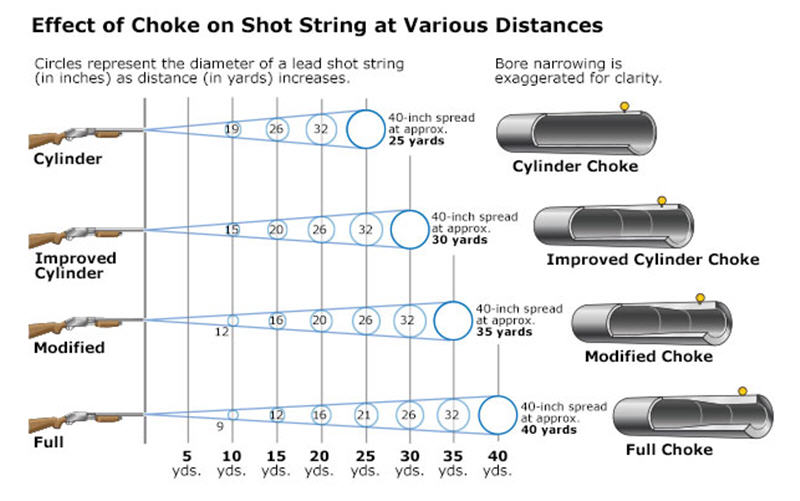
- Choke: Use Improved Cylinder (IC) or Modified. Full choke is too tight for typical pheasant ranges (15–30 yards).
- Best Setup: Over/under with IC front, Mod rear or a pump with Modified.
- Shot Size:
- Early Season: #5 or #6
- Late Season: #4 or #5 (larger pellets for longer shots)
Note: #4 is the largest legal size in some states—check local rules.
Must-Have Clothing and Layers
- Blaze orange vest or coat (250+ sq in visible)
- Brush pants (canvas or Cordura for thorn protection)
- Sturdy, waterproof boots
- Lightweight layers—add or remove as needed
- Knit cap in pocket for cold snaps
Avoid overheating: Pheasant hunting is active. Start cool and layer up.
Shooting Tips for Clean Kills
Most missed pheasants are due to poor timing, not aim.
Wait for the Right Shot
- Don’t shoot at ground level. Wait until the bird is head-high or above.
- At 10 yards, the pattern is too tight—wait for better range.
- Never shoot low—always ensure space between bird and horizon.
Pro Move: Stifle the urge to shoot when a bird explodes at your feet. Take a breath, swing, and focus.
Aim for the Neck Ring
The white ring around a rooster’s neck is a great aiming point. It’s visible and central.
- Swing through the bird, not at it.
- Focus on the target, not the barrel.
- Practice trapshooting to improve going-away and crossing shots.
Take Turns in Groups
In a group, don’t race to shoot first. Let the closest hunter take the shot.
- Reduces misses.
- Prevents mangled birds.
- Builds teamwork and respect.
Late-Season and Weather Adjustments
Pheasants change behavior when conditions turn harsh.
Cold Weather: Hunt Open Fields Early
In subzero temps, pheasants leave roost early to feed on high-energy grain.
- Skip thick cover at dawn.
- Focus on grainfields, corn stubble, and road edges.
- They need calories fast—intercept them en route.
Windy or Stormy Days: Hit the Thickets
Bad weather keeps birds in protective cover longer.
- Hunt cattail sloughs, willow patches, and dense grasses.
- Move slowly—birds may sit until you’re close.
- Use the push-and-pause method to trigger flushes.
Snow Cover: Head to the Woods
When snow flattens grasslands, pheasants seek wooded areas with brush, thickets, or creek beds.
- Cattail marshes become accessible when frozen—prime late-season spots.
- Look for tracks leading into woodlots.
Late-Season Edge: Birds hold tighter, flush later, and offer better shot opportunities.
Safety and Regulations You Must Know
Stay legal and safe with these critical rules.
Blaze Orange Is Non-Negotiable
- Wear 250+ sq in of blaze orange on head, chest, or back.
- 360-degree visibility is best—use a vest and hat.
- Allows quick ID of hunting partners during flushes.
Respect Safety Zones
- No shooting within 150 yards of occupied buildings.
- No shooting near PGC stocking vehicles (in states like PA).
- Avoid roads and private property boundaries.
Follow Bag and Season Limits
In Pennsylvania (example):
– Bag Limit: 2 per day, 6 in possession.
– Season: Oct 22–Nov 25, Dec 12–23, Dec 26–Feb 27.
– Junior Season: Oct 8–15 (under 16).
– Required Permits: Hunting license + pheasant permit (adults).
Check local rules: Regulations vary by state.
Processing and Cooking Your Pheasant
Field care affects meat quality.
Field Dress Immediately
- Wear gloves.
- Cut off wings, neck, and legs with shears.
- Peel back breast skin and remove body skin.
- Make small cut at breastbone base; remove organs by hand.
Cleaned pheasant looks like a small chicken.
Store and Cook Properly
- Chill fast if warm—spoilage starts quickly.
- Cook to 160°F for safety.
- Freeze for long storage: Double-wrap or vacuum seal to prevent freezer burn.
Cooking Tip: Brine before cooking to retain moisture—pheasant is lean.
Final Tips for Consistent Success
- Sleep in, hunt late: The last hour of daylight is prime. Don’t quit early.
- Move on if quiet: No birds after 30–45 minutes? Find a new spot.
- Join Pheasants Forever: Supports habitat, offers mentored hunts and local chapters.
- Respect landowners: Ask permission, leave gates as found, pack out trash.
- Enjoy the experience: The real win is the dog’s point, the crisp air, and the tradition.
Final Note: Success in pheasant hunting comes from preparation, patience, and pattern recognition. Use these pheasant hunting tips to time your hunt, read the land, and outsmart one of the wariest game birds. Whether you’re chasing roosters on public land or private fields, every season is a chance to improve—and every hunt is a memory in the making.

0 Comments