The woods are quietest just before dawn—but that silence won’t last. As the first light spills across the fields and creek bottoms, coyotes are already on the move, following routines shaped by hunger, season, and survival. If you’re looking for morning coyote hunting tips that actually work, the answer lies in timing, terrain, and tactics that match real predator behavior. The golden window? The first two hours after sunrise, when coyotes are most active and least pressured by human traffic.
This isn’t just about showing up with a call and hoping. Success begins long before the first howl echoes—when you’re scouting calving pastures, checking wind direction, and setting up 45 yards inside the tree line with your rifle ready. Whether you’re after a high-value winter pelt, protecting livestock, or chasing a double takedown like one hunter did at 9:15 a.m. in Kentucky, your best shot starts at first light. In this guide, you’ll learn how to hunt smarter—from calling sequences to concealment—using proven strategies backed by real-world hunts and expert insights.
Hunt the First Two Hours for Peak Activity
Why dawn delivers the most coyotes
Coyotes are crepuscular, meaning they’re naturally most active at dawn and dusk—but morning offers a broader window than many realize. The first 30 to 120 minutes after sunrise is prime time, especially in spring and fall. During this period, female coyotes return from nighttime hunts to feed pups, young dispersers explore new territory, and territorial males patrol boundaries. All of this movement creates opportunity.
In agricultural regions, coyotes prowl calving pastures at first light, targeting vulnerable newborns. This instinct-driven behavior makes them highly responsive to distress calls. Even in areas with heavy human activity, coyotes often remain on the move well past 9 a.m., particularly when food is scarce or pups are hungry.
Stay until the heat settles in
While many hunters pack up by 10 a.m., don’t be too quick to leave. In spring and early fall, coyotes may respond well past 11 a.m., especially near fresh-cut hay fields or water sources with recent tracks. Movement slows as temperatures rise, but it doesn’t stop. If you’re near a pond dam or creek crossing and see sign—tracks, scat, or howls—stay put.
Pro tip: In winter, extend your stand time. Cold weather increases metabolic demands, making coyotes more willing to investigate calls during daylight. Hunger overrides caution.
Target High-Traffic Terrain That Forces Movement
Calving pastures and livestock zones
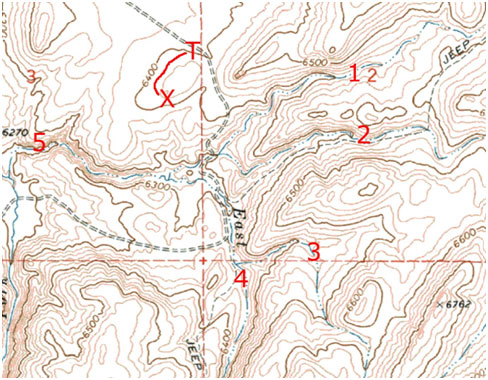
Nothing draws coyotes like easy food. Pastures with newborn calves are hotspots from April through June. Coyotes circle these areas at dawn, waiting for an opening. Set up 10–20 yards inside the tree line, facing open fields, with your call placed 40–50 yards out. Use natural funnels like fence lines or railroads to block escape routes and channel movement into your kill zone.
Farmers often welcome coyote hunters—ask for access. Removing predators protects their livelihood, and successful hunts can lead to long-term hunting privileges.
Hay fields, dams, and creek bottoms
Fresh-cut hay fields are coyote buffets. Mowing flushes rabbits, mice, and birds, making them easy prey. Hunt these areas at first light when coyotes are actively patrolling.
Pond dams and mosquito flats are natural congregation points. Dams offer vantage points and nearby den sites. Mosquito flats provide thick cover and harbor small game. Both are ideal for early morning setups.
Creek bottoms serve as travel corridors. Coyotes use them like highways between feeding and bedding areas. Position yourself where the terrain narrows—bottlenecks increase your odds of a clean shot.
Play the Wind Like a Pro to Stay Undetected
Always hunt upwind
Wind is your silent partner—or your downfall. Coyotes have an incredible sense of smell and will detect human scent long before they see you. Always set up with the wind in your face so your scent blows away from likely approach paths.
Coyotes almost always circle downwind to investigate calls. That means they’ll likely come in from your left or right, not straight on. Anticipate this and keep scanning the leeward side.
Use crosswinds carefully
If you must use a crosswind, only do so in open terrain with 360-degree visibility. Thick cover limits your ability to spot a circling coyote, and a sudden wind shift can blow your cover.
Watch for warning signs: If a coyote’s nose lifts or its ears pivot sharply, it may have caught your scent. Be ready to shoot fast—your window could be seconds.
Call Smart: Start Loud, Finish Soft
Begin with rabbit distress
The Mrs. McCottontail or similar rabbit distress call is your go-to opener. It mimics an easy meal and works year-round. Play it for 45 seconds to 1.5 minutes, then shut off and wait.
This pause is critical. Coyotes often approach during silence, using cover to stay hidden. Stay motionless. Scan slowly. Many hunters miss the subtle creep of a low-profile coyote moving through tall grass.
Switch calls if the first fails
If you get no response after two cycles, change your sound. Try a pup distress call—especially effective in spring and summer when maternal instincts are high. Or use short coyote yips or howls to simulate an intruder in the territory.
In fall, group howls or “pound town” calls trigger curiosity in dispersing juveniles. These young coyotes are less cautious and more likely to commit.
Seal the deal with hand calls
When a coyote is within 100–200 yards, turn off your electronic caller and use a lip squeak or hand call. This low-volume sound mimics a vulnerable animal and can stop a coyote in its tracks—giving you the shot.
Pro tip: Shutting off the call completely when a coyote is approaching prevents it from pinpointing your location. Play hard to get.
Gear Up for Morning Success
Choose the right rifle
For most morning hunts, you need a fast, flat-shooting rifle with precision at 100+ yards. Top choices:
- .22-250 Remington: Low recoil, high velocity, ideal for quick follow-up shots.
- 6.5 PRC: Excellent long-range performance; proven at 80–90 yards in real hunts.
- Winchester Model 70 Coyote Light: Lightweight, accurate, built for predator hunting.
Use polymer-tipped ammo like Winchester Varmint X for rapid expansion and minimal pelt damage—critical if you’re selling or preserving hides.
Use a suppressor for double kills
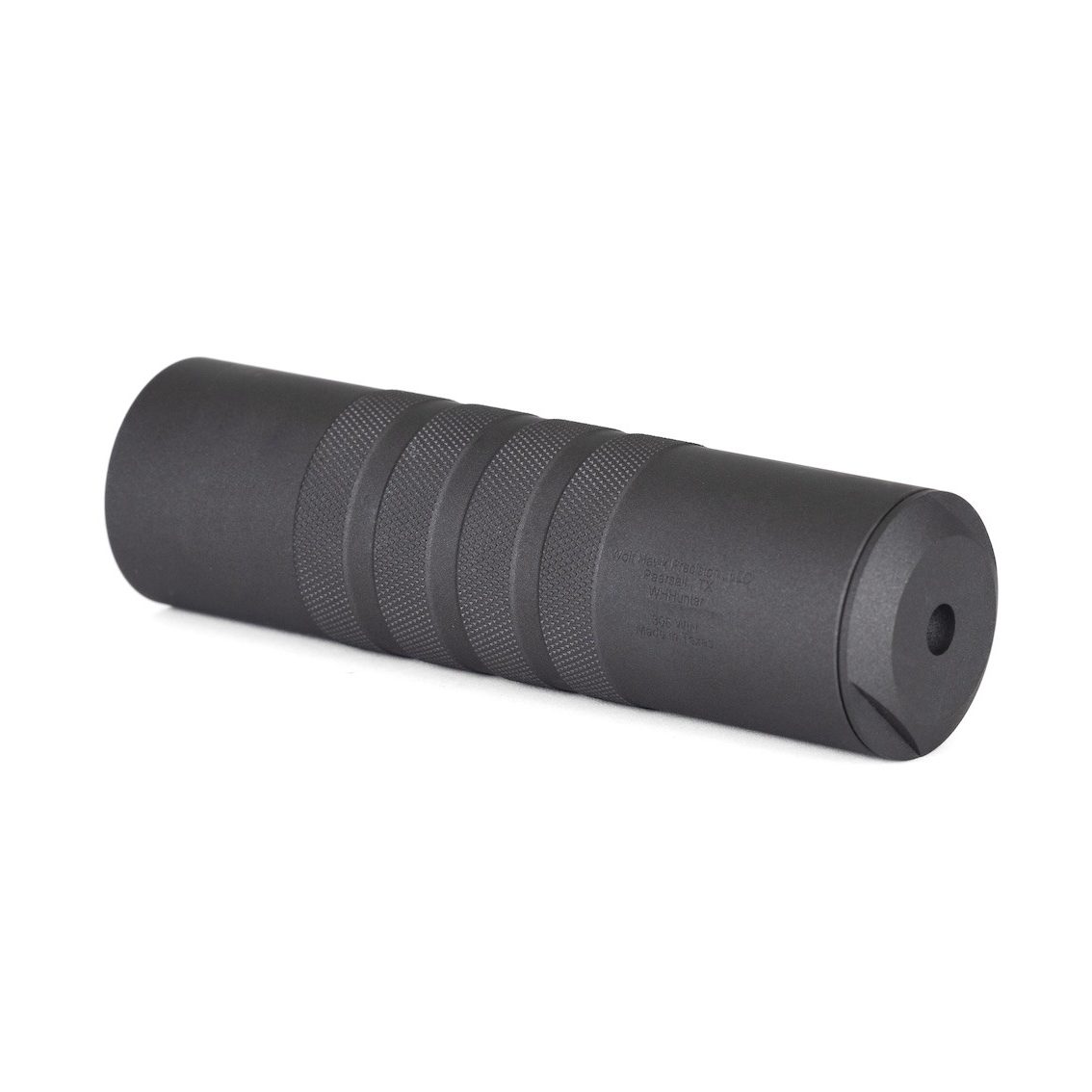
A suppressor is a game-changer. It reduces noise and muzzle blast, keeping nearby coyotes from bolting after the first shot. In multiple-kill scenarios, it’s often the difference between one and two in the truck.
Pair it with a quick-detach sling like the QD42s for faster reacquisition and follow-up shots under pressure.
Shotguns for close cover
In thick woods or dense brush, a 12-gauge Remington 870 with No. 4 or 5 shot and an extra-full turkey choke is deadly within 40 yards. Ideal for reactive shots when coyotes ghost in silently.
Stay Hidden and Ready
Dress for invisibility
Wear full camouflage—face mask, gloves, and gloves—even in daylight. Coyotes have sharp eyes and detect movement and color contrast instantly. In winter, snow camo is essential. In summer, match the terrain with woodland or brush patterns.
Avoid bright colors. If you must wear blaze orange during deer season, cover it with camo or wear a reversible vest you can flip.
Break your silhouette
Never skyline yourself. Position slightly below the ridgeline or behind natural cover like logs, rocks, or brush piles. Even a slight rise can expose your outline against the morning sky.
Stay motionless. A twitch of a hand or shift in position can alert a distant coyote. If you need to move, do it slowly—and only when the field is clear.
Be Patient—Wait It Out
Minimum 20-minute stands
Don’t rush. Stay in position for at least 20–30 minutes per setup. Some coyotes take 5–10 minutes to respond, especially during mid-morning hunts. In open terrain with good visibility, extend your wait.
In dense cover, you may need to move more often—every 10–15 minutes—but always do so quietly and with a plan.
Know when to relocate
If you’ve had no movement, no howls, and no sign after 30 minutes, it’s time to move. But don’t walk randomly. Shift to a new terrain feature—a creek crossing, field edge, or dam—and repeat your setup process.
Pro tip: Use terrain to your advantage. Coyotes often double back to investigate a call they’ve heard before. Setting up downwind of a previous stand can pay off.
Double Your Chances: Tactics for Multiple Kills
Stay still after the first shot
Most hunters stand up or move after a kill—big mistake. If there’s a second coyote nearby, movement will spook it. Stay seated, stay hidden, and stay ready.
In one Kentucky hunt, a female broke off after the first shot. The hunter stayed put, switched to a pup distress call, and brought her back into range within minutes.
Have a backup call ready
After the first shot, switch calls immediately. A pup distress or coyote challenge call can re-engage a spooked animal or draw in a curious partner.
Use your electronic caller to restart the sequence, or go silent and use a hand call to lure them in close.
Adapt to the Season

Spring: Use pup and maternal calls
From April to June, females are feeding pups and highly responsive to pup distress and coyote yips. Set up near known den sites or calving areas. Nutritional demand is at its peak—make your call sound like a helpless meal.
Summer: Focus on hay fields and prey distress
In July and August, young coyotes are feeding independently. Hunt fresh-cut hay fields with rabbit or bird distress calls. These areas are natural feeding zones.
Fall: Trigger curiosity with group howls
Pup dispersal season means young, bold coyotes are exploring new territory. Use pound town calls or group howls to simulate pack activity. These calls spark curiosity and territorial challenges.
Winter: Hunt for thick pelts and breeding activity
Cold weather increases movement. Use territorial challenge calls during breeding season. This is prime time for high-value pelts—protect them with clean head or heart-lung shots.
Respect the Rules and Land
Check local regulations
Some states ban night hunting (e.g., Arizona) or require blaze orange during deer season. Know your local laws before you go.
Verify bag limits, weapon restrictions, and legal hunting hours. Morning hunts often start before official sunrise—make sure you’re compliant.
Build relationships with landowners
Farmers and ranchers are your best allies. Offer to help control predators, and you may earn long-term access. A few well-placed coyotes removed from a calving pasture can build trust fast.
Always ask permission, leave gates as you found them, and respect private property.
Final Note
Morning coyote hunting isn’t just about showing up—it’s about working the odds. The first light offers the best chance, but success comes from preparation, patience, and precision. Use terrain to your advantage, play the wind, call smart, and stay ready for that second shot. Whether you’re after one coyote or a double, the morning woods reward those who plan ahead and stay sharp.
Remember: the only sure thing in coyote hunting is that you can’t kill one from the couch. Get out there—sunrise is calling.


0 Comments