Kudu hunting is one of the most challenging and rewarding pursuits in African big-game hunting. Known as the “grey ghost” for its uncanny ability to vanish into thick brush, the greater kudu demands more than just a steady trigger finger—it requires patience, fieldcraft, and a deep understanding of animal behavior. Whether you’re after a 60-inch trophy bull or a well-executed plains game hunt, success hinges on preparation, stealth, and ethical decision-making. This guide delivers actionable kudu hunting tips drawn from proven field strategies, sensory awareness, and terrain mastery. You’ll learn how to read wind patterns, glass effectively, judge trophy quality, and make clean, lethal shots—ensuring not only a successful hunt but a respectful one.
Decode Kudu Behavior Patterns
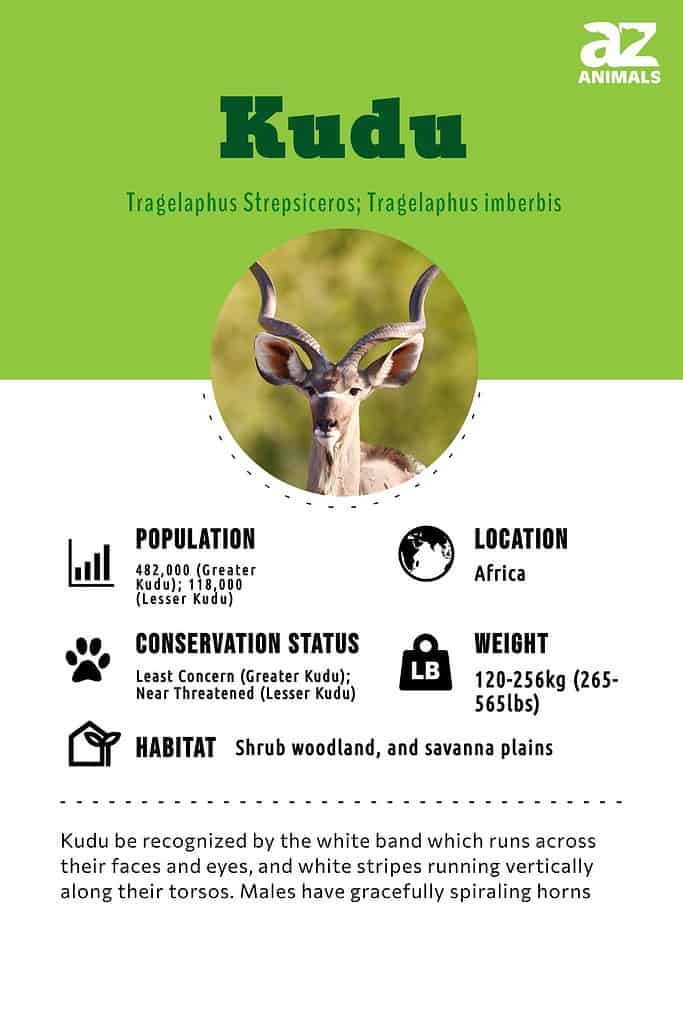
Understanding kudu movement, feeding habits, and survival instincts is the foundation of any successful hunt.
Crepuscular Activity: Timing Is Everything
Kudu are crepuscular, meaning their peak activity occurs during dawn and dusk. During these cooler hours, they move to feed in open areas or travel between bedding and water sources. Midday heat drives them into dense cover, where they rest under acacia or mopane trees. Plan your hunt around this rhythm:
– Begin glassing 30 minutes before sunrise from a high vantage point.
– Resume stalking efforts 2–3 hours before sunset.
– Use midday hours for tracking, scouting, or resting.
In dry seasons, mature bulls may visit waterholes daily, especially in arid regions like Namibia’s Kalahari. This makes ambush hunting near water a viable strategy—just be patient and set up early.
Why Kudu Are So Hard to Hunt
The kudu’s reputation as the “ghost of the bushveld” is earned through three powerful senses:
– Hearing: Their large, rotating ears detect the faintest rustle of clothing or footstep on dry leaves.
– Smell: They can pick up human scent from over 100 yards downwind, especially in still air.
– Sight: While not color-sensitive, kudu are hyper-alert to movement and unnatural shapes.
A single misstep—noise, a wind shift, or sudden motion—can send a trophy bull slipping silently into the thickets before you even spot him.
Where to Find Trophy Bulls
Kudu social structure plays a key role in locating bulls:
– Cow herds: 6–12 females and calves, often seen in open areas.
– Bachelor groups: Young males, less cautious and not prime trophies.
– Mature bulls: Typically solitary, especially after the rut (April–June).
Trophy bulls favor remote, rugged terrain—rocky outcrops, dense mopane woodlands, or steep ravines. Focus your search on isolated, older bulls in areas with thick escape cover and multiple vantage points.
Choose the Right Hunting Method
The best kudu hunters adapt their approach to terrain, weather, and animal behavior.
Spot-and-Stalk: The Ultimate Challenge
This is the most common and immersive method for trophy kudu hunting.
Move Like a Predator, Not a Prey
- Cover no more than 200 meters per hour.
- Take 3–5 steps, then stop, scan, and listen.
- Use natural terrain folds, tree lines, and bush clusters for concealment.
- Wear soft-soled footwear (like moccasins) to avoid snapping twigs or crunching leaves.
Pro Tip: Walk “like a kudu”—pause frequently, listen intently, and mimic the animal’s deliberate pace. This reduces detection and increases your chances of closing the gap.
Wind Control Is Non-Negotiable
- Always stay downwind of suspected kudu locations.
- Use scent-neutralizing sprays and avoid perfumed soaps or detergents.
- Test wind direction every 10 minutes with talcum powder or a wind checker.
On cold, windy days, kudu bed in sheltered areas where wind noise masks human movement. Use this to your advantage for closer approaches.
Ambush Hunting: Patience Over Movement
When terrain favors concealment, waiting can be more effective than walking.
Best Ambush Locations
- Waterholes (especially late afternoon in dry season)
- Game trails between thickets and feeding zones
- Salt licks (where legal)
- Riverbed crossings
Set up before first light, remain motionless, and use shooting sticks for stability. Most shots occur within 100 yards, so be ready for quick, precise execution.
Warning: If no kudu appear after 2–3 days, reassess your location with your PH. Poor placement kills patience.
Tracking: Follow the Clues
When a bull vanishes, tracking becomes essential—especially for wounded animals.
Key Signs to Watch For
- Hoof prints: Large, elongated, slightly splayed.
- Droppings: Oval pellets, often clumped.
- Bedding sites: Depressions under shade trees, sometimes with hair or tracks.
- Rub marks: On trees or soil from horns or body rubbing.
An experienced tracker can determine age, direction, and speed from fresh sign—critical for recovery.
Glassing Like a Pro: Find the Grey Ghost
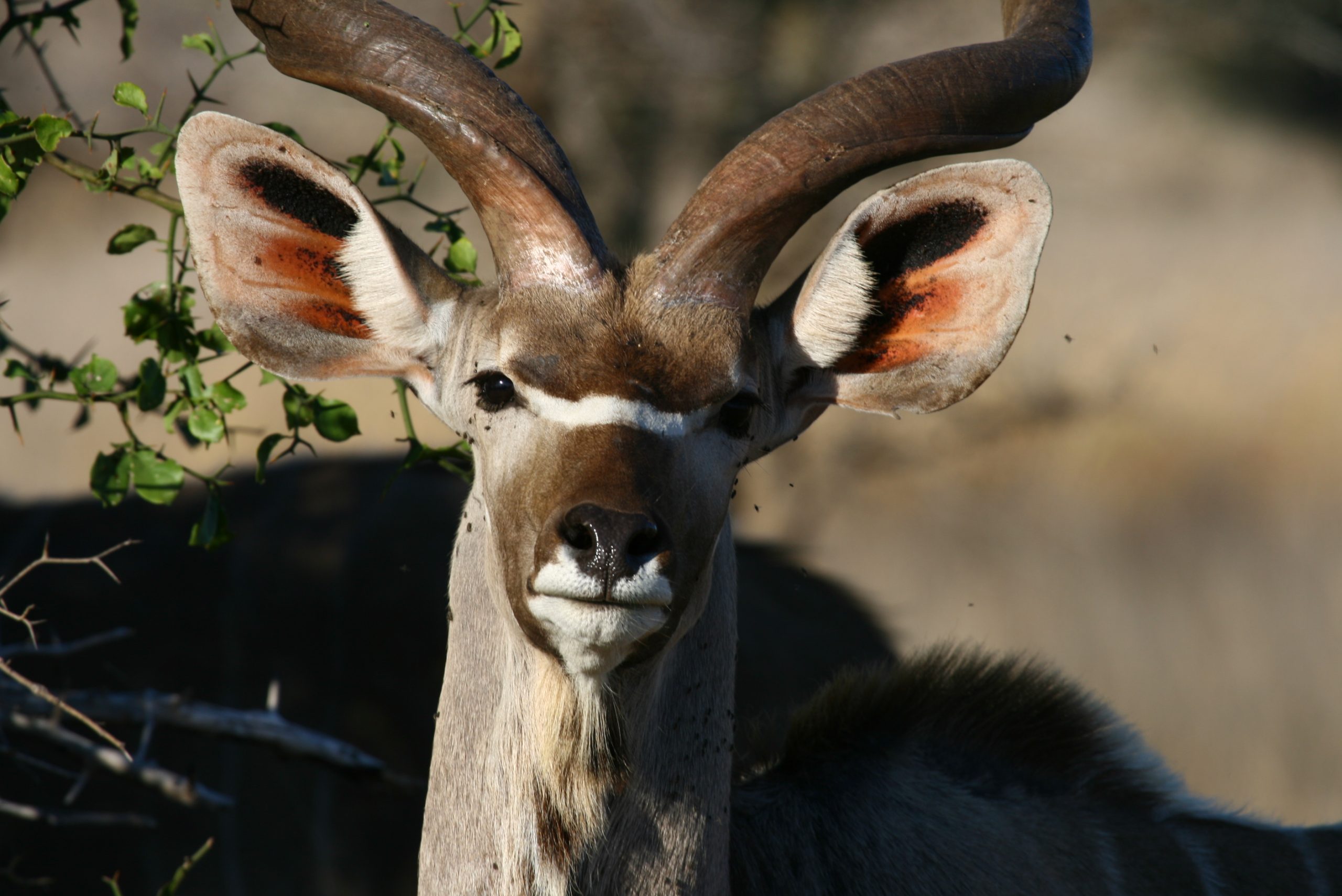
Spotting kudu is often harder than shooting them. Their striped coat blends perfectly into dappled light.
Best Times and Angles for Glassing
- Early morning and late afternoon: Low-angle sunlight creates glints off horn tips.
- Midday: Scan shaded thickets where bulls rest.
- Use high vantage points: hills, vehicle roofs, or towers.
Expert Tip: Look toward the sun—reflections from horn tips are rare in nature and a dead giveaway.
What to Scan For
- Horn glints (even partial exposure)
- Ear flicks or sudden head turns
- White tail flags when fleeing
- Shadows with unnatural outlines
Don’t assume silence means absence. Kudu can remain motionless for hours, relying on camouflage.
Judge Trophy Quality in the Field
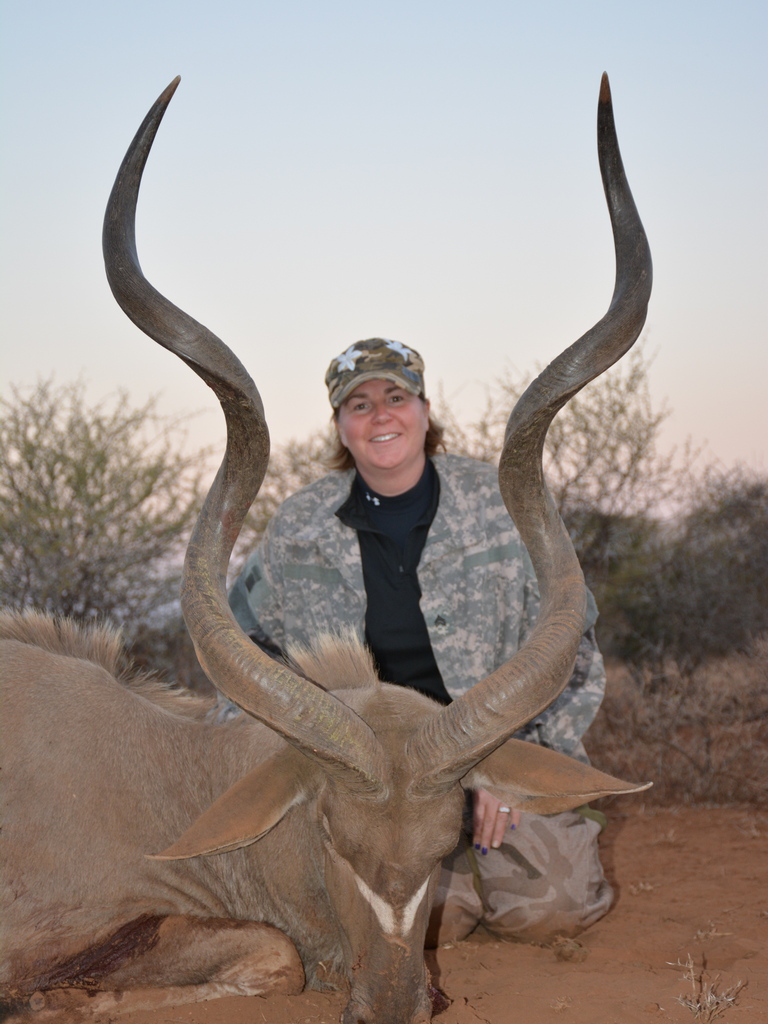
Many hunters misjudge kudu age. Relying solely on horn size leads to poor decisions.
Horn Characteristics That Matter
Depth of Curl
- The deeper the spiral, the longer the measurement.
- Deep curls suggest older bulls (9–12+ years).
Horn Tip Direction
- Upward or outward tips = mature bull.
- Backward-pointing tips = often younger.
Parallelism and Spread
- Parallel horns indicate maturity and potential for 50”+ length.
- Wide, V-shaped horns may belong to younger animals.
Body Clues Trump Horns
The most reliable indicators of age are physical:
- Sagging belly and loose skin
- Stiff, slow gait
- Thinning neck mane
- Broad, “old man” face
- Secondary horn growth at the base
- Worn, chipped, or broken horn tips
A 48” bull with clear age signs may be more mature than a 52” bull with a youthful body.
Make Ethical, Lethal Shot Placements

Precision ensures a quick, humane kill. Kudu are resilient and will survive marginal hits.
Heart-Lung Zone: The Primary Target
Broadside Heart Shot (Ideal)
- Aim point: One-third up from belly to spine, just behind the front leg.
- Hits both heart and lungs.
Quartering-Away Shot
- Aim at the offside foreleg.
- Ensures full chest penetration.
Quartering-Towards Shot
- Aim inside the near shoulder.
- Better to wait for a broader angle.
Frontal Shot (High Risk)
- Only if no alternative.
- Aim center-chest, just below neck base.
- Small margin for error.
Avoid Neck and Brain Shots
- Neck shots: High risk of wounding and trophy damage.
- Brain shots: Instant if precise, but slight error causes suffering and skull destruction.
Not recommended in ethical trophy hunting.
Bow Hunting: Close Range Only
- Max range: 40 yards.
- Ideal shot: Behind front shoulder, targeting heart.
- Equipment:
- 60+ lb draw weight compound bow
- 450–500 grain arrows
- Fixed broadheads (100+ grain)
Stealth and patience are even more critical.
Select the Right Caliber and Weapon
While shot placement trumps caliber, the right rifle ensures clean kills.
Recommended Rifle Calibers
| Caliber | Best For |
|---|---|
| .270 Winchester | Minimum acceptable; excellent accuracy |
| 7mm Mauser | Classic African choice |
| .308 Winchester | Versatile, widely available |
| .30-06 Springfield | Proven performer |
| .338 Winchester Magnum | Deep penetration in thick bush |
Avoid muzzleloaders—restricted by airlines and many African nations.
Practice Before You Go
- Most shots: 100–300 yards.
- Train with shooting sticks or bipod.
- Simulate offhand, kneeling, and supported positions.
Hunt in the Best Kudu Destinations
Location impacts success, trophy quality, and logistics.
Namibia: Top Choice for Trophy Bulls
- Low human pressure, pro-hunting policies.
- Easy firearm import, direct flights.
- High chance of 50”+ bulls.
South Africa: Variety and Accessibility
- Year-round hunting, Eastern Cape is prime.
- Mix of fenced reserves and free-range areas.
- Ideal for non-hunters and side activities.
Zimbabwe: Quota-Based but Rewarding
- Strong populations in certain areas.
- Confirm species quotas with outfitter.
- Opportunity for lion or leopard combo hunts.
Botswana: The 60” Dream
- Best chance at a “holy grail” kudu.
- Logistical hurdles: complex firearm import, ammunition tax.
Avoid Common Kudu Hunting Mistakes
Even seasoned hunters make errors.
Poor Shot Placement
A high or rearward shot may only clip the lungs, leading to 30+ hour tracking efforts.
Fix: Wait for the right angle. If unsure, don’t shoot.
Overestimating Camouflage
Kudu detect movement and shape, not just color.
Fix: Freeze at the first sign of alert.
Ignoring Wind Shifts
A 5 mph shift can carry your scent directly to a bull.
Fix: Test wind every 10 minutes.
Rushing the Stalk
Excitement leads to noise and detection.
Fix: Slow down. Take twice as long as you think necessary.
Misjudging Age
Young bulls with good horns can fool inexperienced eyes.
Fix: Prioritize body condition over horn size.
Final Tips for a Successful Kudu Hunt
Let Your PH Lead
Your Professional Hunter knows:
– Local movement patterns
– Wind behavior
– Ethical shot judgment
– Recovery procedures
Trust their call—even if it means passing on a “good” bull.
Respect the Animal and Environment
- Support sustainable hunting.
- Follow ethical harvest guidelines.
- Contribute to local conservation.
Kudu populations thrive where regulated hunting funds land management.
When in Doubt, Don’t Shoot
A missed opportunity beats a wounded animal. Patience and discipline define great hunters.
Final Note: Kudu hunting is more than a trophy pursuit—it’s a test of skill, humility, and connection to the wild. With the right preparation, mindset, and respect for the game, your hunt can become a lifelong story of triumph in the African bush.


0 Comments