The sky darkens as a hundred pairs of wings thunder overhead, their deep honks echoing across the frost-covered field. Your heart pounds—this is the moment every goose hunter lives for. But if your decoys sit untouched and the flock swings wide, you already know why: location, concealment, decoy placement, calling, and flagging weren’t aligned. These five pillars separate consistent success from empty retrieves.
Whether you’re chasing early-season family groups or late-season veterans that’ve seen every trick, these goose hunting tips will sharpen your edge. You’ll learn how to read flight patterns like a tracker, vanish into the landscape, place decoys with precision, call with confidence, and avoid the mistakes that send geese skyward. Let’s break down what actually works—season by season, setup by setup.
Scout Like a Pro to Find Where Geese Feed
Track Flight Paths at First Light
Geese are creatures of habit. To beat them, be in position before sunrise near roosting water—lakes, rivers, or sloughs—and watch where they fly to feed. Use binoculars or a spotting scope to mark entry and exit points. Note wind direction: geese always land into the wind, so their approach tells you where to set up.
Watch for natural funnels—tree lines, ditches, or power lines—that guide their path. Take GPS notes or photos. Return in the afternoon to confirm return flights. The most productive fields see birds come and go on a predictable clock.
Target Crop Damage Fields with High-Protein Foods
Farmers battling geese in their fields are often your best allies. Corn, wheat, barley, and pea stubble are top choices. Early season, geese crave protein—peas and barley win. Late season, they pack on fat in cornfields.
Call or visit local landowners. Offer to clean up shells, trash, or even help with chores. A good relationship means repeat access. Many states, like Minnesota, list crop damage hotspots through the DNR—tap into that intel.
Use Public Land Strategically
Wildlife Management Areas (WMAs) like Lac Qui Parle or Thief Lake offer structured hunts and are perfect for learning. Arrive early to scout your assigned zone. Watch how other hunters set up—what works one day may fail the next due to wind shifts or spooked birds.
Public land teaches you to adapt. You can’t always pick the perfect spot, so mastering concealment and calling becomes even more critical.
Set Up Invisible Blinds That Vanish in the Field
Choose the Right Blind for Your Setup
| Blind Type | Best For | Why It Works |
|---|---|---|
| Layout blinds | Open fields, snow | Low profile, near-total concealment |
| A-frames | Edge setups, limited cover | Better visibility, but overused |
| Pit blinds | Permanent spots | Most concealable, but hard to dig |
| Pop-up blinds | Mobile hunts | Fast setup, blend with brush |
| Goose chairs | Snow goose fields | Comfortable, but stand out |
Trend: As geese wise up to A-frames, layout blinds are back in favor for their stealth.
Eliminate Every Trace of Human Presence
Even a glint off a phone screen or coffee cup can flare birds. Cover all gear. Wear facemasks and gloves—bare skin reflects sunlight. In short stubble, dig 6–8 inches into the ground to lower your profile. Use stubble, raffia, or cut brush to break up your outline. Collect cover from a distance so you don’t leave bare patches.
Control Movement and Shadows Like a Sniper
Geese spot motion from 300 yards. Never raise your head to watch birds. Use blind ports or slowly shift position. Never move when birds are circling.
In group setups, space blinds 15–20 yards apart—close enough to communicate, far enough to avoid bunching. Place taller blinds at field edges where terrain hides them.
Build Killer Decoy Spreads That Pull Birds In
Mix Decoy Types for Maximum Realism
- Full-body decoys: Most realistic, especially flocked heads.
- Silhouette decoys: Lightweight, affordable, great for early season.
- Shell/sleeper decoys: Mimic resting birds—key in cold weather.
- Floaters: Use in rivers or ponds—natural movement draws birds.
- Motion decoys: Spinning wings attract attention but risk spooking pressured geese.
Pro Tip: Magnum decoys are easier to see from the air. Size doesn’t matter—visibility does.
Match Spread Size to the Season and Pressure
- Beginners: Start with 5–10 dozen silhouettes + 3–6 dozen full bodies.
- Early season: 4–5 dozen max—big spreads scare small family groups.
- Late season: Downsize to 12–30 decoys. Under pressure, less is more.
- High pressure: Try 1–2 dozen decoys, minimal calling. Curiosity kills geese.
Use Proven Patterns That Guide Birds to the Kill Zone
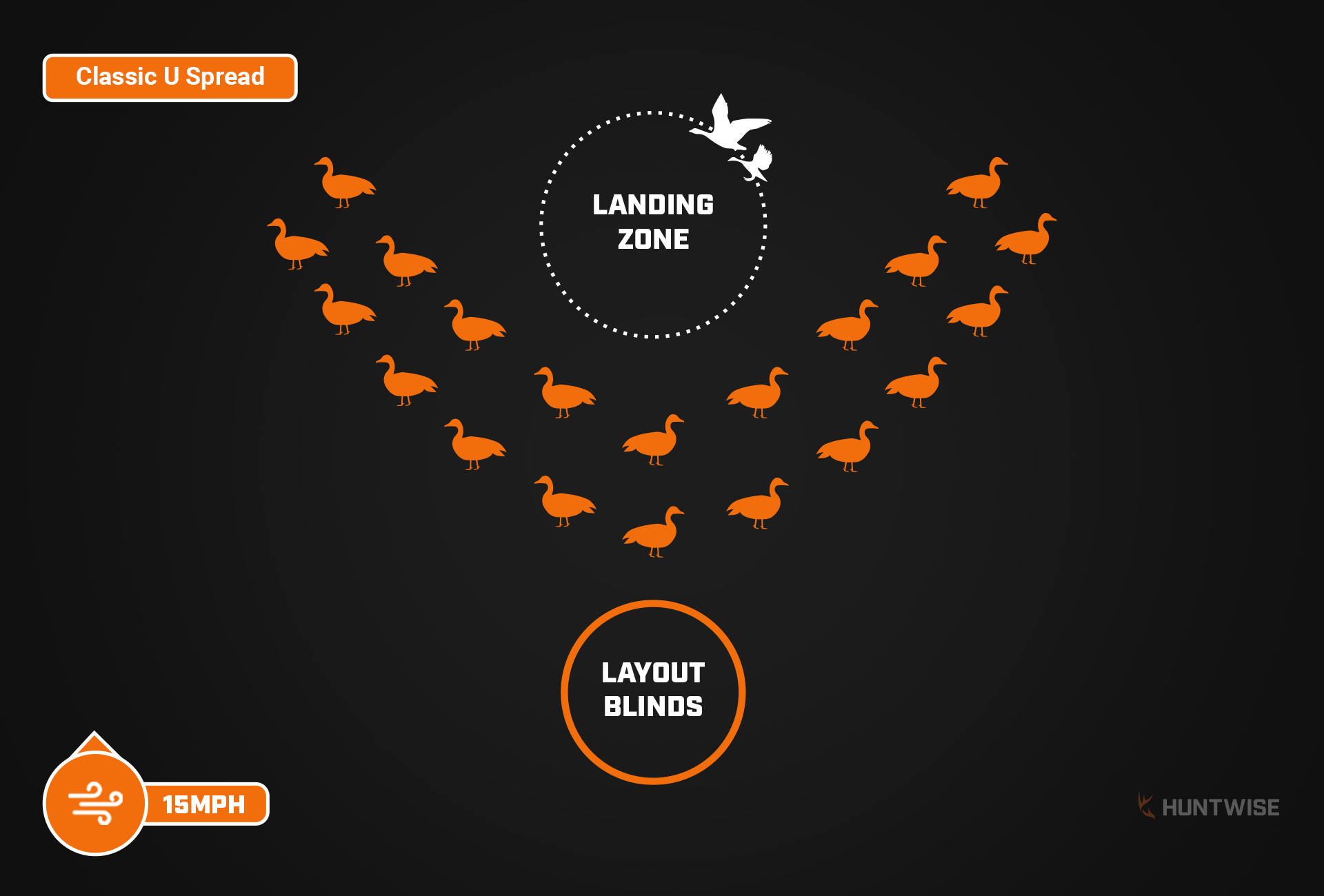
- U-shape / J-hook: For water or small fields. Open end faces into the wind.
- V-pattern: Field setups. Hunters sit at the point; birds funnel into the center.
- Family clusters: Groups of 5–7 decoys spaced apart—mimics real flocks.
- Mixed active and resters: Use walking decoys to block zones, sleepers to signal safety.
Space Decoys for Natural Landing
Keep decoys 10 feet apart (five large steps). Geese have 5-foot wingspans—tight spacing prevents safe landings.
Face decoys into the wind. Leave a kill hole in front of guns where birds walk after landing.
Adapt Your Spread to Weather Conditions
- Cold weather (<20°F): Geese lie down. Use sleeper decoys or lay full-bodies flat. Keep a few upright to mimic new arrivals.
- Icy fields: “Root up” soil with your boot to simulate feeding.
- Water with current: Replace full-bodies with floaters. One hunter cut 200 full-bodies to 60 floaters—success doubled.
Use Decoys to Send the Right Message
- Feeder decoys: Say “food here.”
- Active decoys (walking): Say “no food here”—use to steer birds.
- Sleepers: Signal safety—birds land with confidence.
- Sentry decoys: Use only 7–8 in a 60-decoy spread. Too many suggest danger.
Call with Confidence—But Know When to Stay Silent
Master the Essential Goose Sounds
- Clucks: Soft, short—mimic feeding geese.
- Moans: Low and smooth—say “I’m here, all’s well.”
- Feeding calls: Rhythmic, fast—simulate eating.
- Honks: Loud, for long-range attention.
- Come-back calls: Turn birds already passing.
- Double clucks: Add realism once birds are close.
Carry the Right Calls for Any Condition
| Call | Best For | Why |
|---|---|---|
| Acrylic short-reed | Windy days, long range | Loud, sharp |
| Wood short-reed | Calm days, close range | Softer, more natural |
| Diablo 4500 | All-around | Reliable, versatile |
| Ducks Unlimited Call | Beginners | Easy to blow |
| Mack’s Squealer | Close range | Distressed goose sound |
Golden Rule: “You can blow a loud call soft, but you can’t blow a soft call loud.” Carry both.
Adjust Calling Based on Conditions
- Windy days: Call louder and more aggressively—birds land short, need sound to pull them in.
- Foggy days: Reduce calling. Use flagging instead when birds are heard but not seen.
- Early season: Light calling. Use occasional honks or moans. Avoid over-calling—“short poem, not a symphony.”
- Late season: Match the birds. Quiet birds? Use soft clucks. Vocal birds? Respond in kind. Silence can be deadly.
Avoid the Top Calling Mistakes
- Over-calling: Causes flaring. If birds aren’t responding, stop and wait.
- Buzzing or screeching: Sounds unnatural. Practice tone control.
- Calling from the blind: Point the call away from incoming birds to avoid revealing position.
Flag Like a Veteran to Catch a Goose’s Eye
Know When and Why to Flag
- Foggy conditions: Sound travels far—flagging works better than calling.
- Birds not looking: A gentle wave redirects attention.
- Birds turning away: Use to regain interest.
- Early season: Effective when used sparingly.
Use the Right Technique
- Never flag within 100 yards unless birds are leaving.
- Use short, controlled waves—no wild arm flailing.
- Designate one or two flaggers—others stay still.
- Stop when birds respond. Overuse looks fake.
Combine with minimal calling—less is more.
Gear Up with the Right Shotgun, Ammo, and Practice
Choose a 12-Gauge or 10-Gauge That Hits Hard
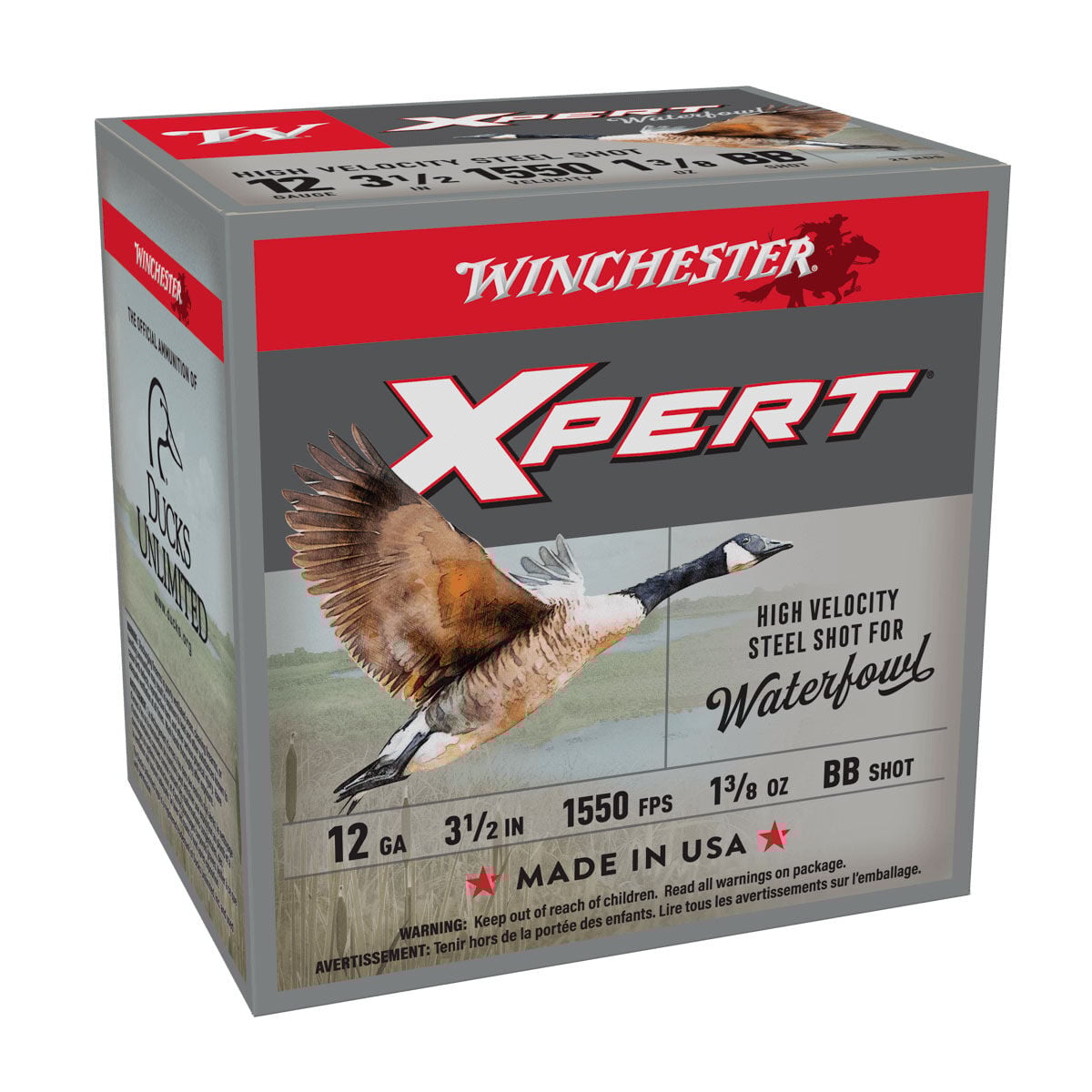
- 12-gauge (3.5-inch capable) or 10-gauge preferred.
- Avoid sky busting—shots beyond 45–50 yards cripple birds.
- Practice shooting from layout blinds in wind and cold.
Use Legal, Effective Ammo
| Shot | Best For | Notes |
|---|---|---|
| BB, BBB, #1 steel | General use | Balanced energy and pellet count |
| T steel | Better penetration | More expensive |
| Tungsten, Bismuth | Premium options | Less recoil, better ballistics |
Lead shot is illegal for waterfowl in most states.
Pattern Your Gun for Clean Kills
- Hang a 40×40 inch target at 40 yards.
- Fire five shots with your hunting load.
- Draw a 30-inch circle around the densest cluster.
- Count pellets: 35–55 inside = clean kill zone.
Adjust choke or load until you hit the sweet spot.
Shoot Ethically and Accurately
- The vital zone is tiny—about 1/10th the bird’s body.
- Lead geese properly—they move fast despite slow wings.
- If the barrel covers more than half the bird, it’s over 45 yards—don’t shoot.
Understand Goose Behavior to Predict Their Moves
Know the Difference Between Lesser and Greater Canada Geese
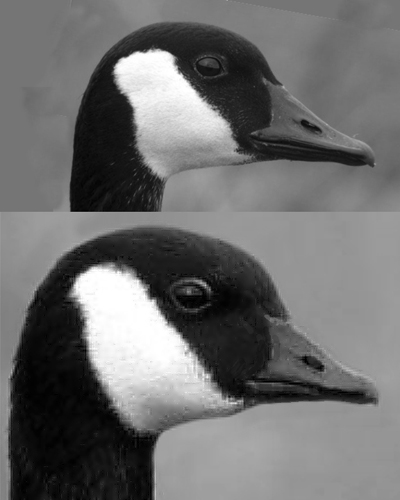
- Lesser Canada Geese: Smaller, faster, less predictable.
- Greater Canada Geese: Larger, more patternable, dominant in many areas.
Adapt to Seasonal Shifts
| Season | Strategy |
|---|---|
| Early (Aug–Sep) | Small family groups. Use small spreads, light calling, flagging |
| Mid-season | Flocks grow. Use moderate spreads, steady calling |
| Late season | Pressured. Use small spreads, minimal calling, perfect concealment |
Mimic Natural Actions for Realism
- Geese land into the wind—set decoys and blinds accordingly.
- Sentry birds face into the wind—mirror this in your spread.
- In cold weather, they lie down immediately—use sleeper decoys.
- Feeding is rhythmic—use feeding calls to match the beat.
Respect Landowners and Follow the Law
Build Trust with Farmers
Always ask permission. Offer to clean up trash or help with chores. Treat the land like it’s yours.
Farmers battling crop damage often welcome hunters—position this as a win-win.
Follow the Rules
- Carry a valid license and federal duck stamp.
- Check state regulations for seasons, bag limits, and zones.
- Use only steel, tungsten, or bismuth shot.
- Join DNR seminars like Minnesota’s “Get Your Goose” program for education and compliance.
Final Checklist: Keys to Success
✅ Scouted location and confirmed bird activity
✅ Blind fully concealed—no shine, no movement
✅ Decoys spaced, patterned, wind-aligned
✅ Multiple calls (loud + soft) ready
✅ Gun patterned with your load
✅ Ammo loaded with legal shot
✅ Face and hands covered
✅ Zero movement until shot
✅ One person calls shot—no crossfire
✅ Landowner respected, laws followed
Concealment trumps all. Stillness wins. Simple calling kills.
The best goose hunters aren’t the ones with the most decoys—they’re the ones who blend in, stay quiet, and make geese curious. Use these goose hunting tips to turn every hunt into a lesson, and every season into progress. Whether you’re chasing early-season family groups or late-season war veterans, the field rewards those who pay attention to the details.

0 Comments