Hunting regulations are the backbone of ethical, legal, and sustainable hunting in the United States. From season start dates to species-specific bag limits and required permits, these rules ensure wildlife populations remain healthy and hunting traditions continue for generations. With regulations varying widely by state, species, and even geographic zone, staying informed is critical. This comprehensive guide breaks down the latest hunting regulations for Louisiana, Idaho, Florida, and Washington for the 2025–2027 seasons—directly from official state sources. Whether you’re waterfowl hunting in Louisiana, applying for a controlled elk tag in Idaho, chasing turkey on a Florida WMA, or helping combat Chronic Wasting Disease in Washington, this resource delivers the accurate, up-to-date details you need to hunt responsibly and legally.
Louisiana Hunting Seasons & Limits

Louisiana’s hunting framework is highly structured by species, method, and region, with season dates and harvest restrictions designed to support wildlife conservation across diverse ecosystems.
Migratory Bird Hunting by Zone
Louisiana divides key migratory species into hunting zones to manage populations based on regional abundance and migration patterns.
Dove Season Dates
- North and South Zones:
- Sept 5–20, Oct 17–Nov 29, Dec 12–Jan 10
- Daily Bag Limit: 15 total doves (mourning, white-winged, Eurasian collared, and fully dressed Eurasian/collared doves)
- Possession Limit: 45
Pro Tip: All harvested doves must be tagged if transported beyond the hunting location—use official LDWF tags to stay compliant.
Duck Hunting by Zone
- East Zone: Nov 21–Dec 6, Dec 19–Jan 31
- West Zone: Nov 14–Dec 6, Dec 19–Jan 24
- Daily Bag Limit: 6 ducks total, with species-specific caps:
- 4 mallards (max 2 females)
- 3 wood ducks
- 2 canvasbacks
- 2 redheads
- 1 black duck
- 3 pintails (max 1 female)
- Scaup: 1 daily for first 15 days, 2 thereafter
- Mottled ducks: Not allowed before Oct 18; 1 per day after
Critical Reminder: Mottled ducks are a sensitive species—harvesting one before the legal season can result in fines and penalties.
Geese and Conservation Order
- Regular Season (East & West Zones): Nov 14–Dec 6, Dec 19–Feb 7
- Daily Bag Limits:
- Light geese: 20
- White-fronted geese: 3
- Canada geese: 1
- Possession Limits: 3× daily bag (except light geese: no possession limit)
Light Goose Conservation Order
- Purpose: Address overpopulation harming Arctic breeding grounds
- Dates: Dec 7–18; Feb 8–Mar 7 (both zones)
- No Bag or Possession Limits
- Allowed Methods:
- Electronic calls permitted
- Shotguns may be unplugged
- Extended shooting hours: 30 min before sunrise to 30 min after sunset
Must Register: All hunters must enroll annually in the LDWF Conservation Order program—no exceptions.
Turkey Hunting by Area
Louisiana divides turkey hunting into three zones—A, B, and C—each with distinct season windows to align with regional gobbling activity and nesting timelines.
General Season Dates
- Area A: Apr 3–May 3
- Area B: Apr 3–26
- Area C: Apr 3–19
Youth & Physically Challenged Hunt
- Dates: Mar 26–28
- Eligibility: Hunters under 16 and wheelchair-confined physically challenged hunters
- Location: Private lands within Areas A, B, and C only
- WMA Note: Separate turkey seasons apply on Wildlife Management Areas—always consult WMA brochures.
Small Game Seasons
Louisiana offers diverse small game opportunities, with split seasons for species like squirrels and extended hunts for quail and rabbits.
Quail and Rabbit Seasons
- Quail: Nov 21–Feb 28
- Bag: 10 daily, 30 possession
- Rabbit: Oct 3–Feb 28
- Bag: 8 daily, 24 possession
Squirrel Hunting Split Season
- Fall: Oct 4–Feb 28
- Bag: 8 daily, 24 possession
- Spring: May 2–24
- Bag: 3 daily, 9 possession
- Closed Areas: Kisatchie National Forest, federal refuges, Corps of Engineers lands, and some WMAs
Check Before You Go: Spring squirrel hunting is prohibited in several WMAs—verify rules online before heading out.
Deer Hunting by Zone and Method
Louisiana’s deer hunting is divided into 10 zones with multiple season types based on hunting method—archery, primitive firearms, and firearms with or without dogs.
Season Types by Area
| Area | Archery | Primitive Firearms | Firearms (Still-Hunt) | With/Without Dogs | Youth & Veterans |
|---|---|---|---|---|---|
| 1 | Oct 1–Jan 31 | Nov 8–14; Jan 19–31 | Nov 15–Dec 5; Jan 5–18 | Dec 6–Jan 4 | Oct 25–31 |
| 5 | Oct 16–Feb 15 (Either Sex); Bucks Only: Oct 1–15 | Either Sex: Nov 8–14; Bucks Only: Jan 19–31 | Either Sex: Nov 15–16, 28–30; Bucks Only: Nov 17–27, Dec 1–5 | Either Sex: Dec 6–7, 13–14; Bucks Only: Dec 8–12, 15–Jan 18 | Oct 25–31 |
| 10 | Sep 20–Jan 15 | Oct 11–17; Jan 5–11 | Oct 18–Jan 4 | — | Sep 27–Oct 3 |
Bag and Possession Limits
- Daily: 1 antlered + 1 antlerless (when legal)
- Season Total: 6 deer max
- No more than 3 antlered or 4 antlerless
- Special Area Caps:
- Area 4: 4 total (max 2 antlered or 2 antlerless)
- Area 10: 3 total (max 2 antlered or 2 antlerless)
Avoid Overharvest: Keep a written log of harvested deer—exceeding possession limits is a common but avoidable violation.
Year-Round and Experimental Seasons
Louisiana allows year-round hunting for select species under strict reporting and harvest limits.
Bobcat: Year-Round Harvest
- Status: Experimental year-round season
- Harvest Limit: 1 bobcat per calendar year
- Reporting: Must be reported within 24 hours of harvest via LDWF app or hotline
Raccoon and Opossum
- Season: Year-round
- Daily Limit: 2 raccoons, 2 opossums
- No possession limit stated
Crow Hunting
- Season: Sep 1–Jan 1
- No daily or possession limit
- Legal Methods: All legal firearms and archery
Ethical Reminder: Just because a species has no bag limit doesn’t mean it should be overharvested—practice restraint and respect wildlife.
Idaho Big Game Regulations
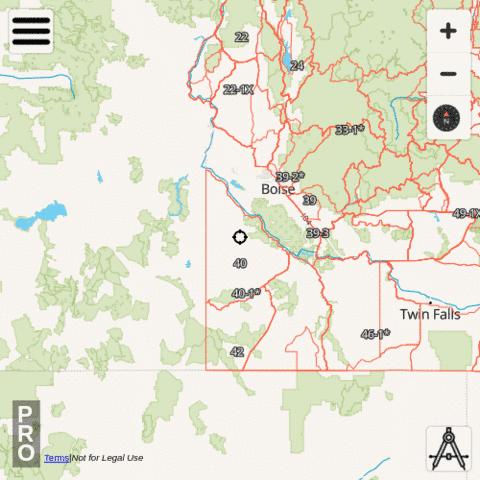
Idaho’s hunting system prioritizes population control, landowner cooperation, and equitable access through a mix of general and controlled hunts.
Big Game Species Overview
Idaho manages hunting for seven major species:
– Elk
– Mule deer
– White-tailed deer
– Pronghorn
– Black bear
– Mountain lion
– Gray wolf
Most require participation in a controlled hunt system with limited tags and strict application deadlines.
Controlled Hunts & Tag Applications
Controlled hunts are the primary method for big game access in Idaho, especially for elk and deer.
Application Process
- Deadline: Species-specific; generally in February–April
- Submission: Online only—mail-in applications no longer accepted
- Resident Elk Tag Rule: Must wait 5 days after general tag sales begin before purchasing a capped zone tag if applying for a controlled hunt
Warning: Violating the 5-day rule invalidates your controlled hunt application—plan ahead.
Landowner Access Programs
- Landowner Appreciation Program (LAP):
- Landowners receive tags in exchange for allowing public hunting
- Available for deer, elk, pronghorn, and bear
- Landowner Permission Hunts:
- Hunters may access private land with written authorization
- Must carry landowner permission while hunting
Benefit: These programs expand access and strengthen rural conservation partnerships.
General Wildlife Laws
Idaho enforces universal rules across all hunts.
Key Regulations
- Hunting Hours: 30 min before sunrise to 30 min after sunset
- Weapon Restrictions: Vary by season (archery, muzzleloader, modern firearms)
- Tagging Requirements: Game must be tagged immediately upon harvest
- Baiting: Prohibited for big game
- Hunter Safety: No mandatory orange, but strongly recommended
Pro Tip: Wear blaze orange—it reduces accidental shootings by up to 80% in high-traffic zones.
Florida Hunting Rules & Access
Florida’s hunting regulations are governed by Division 68A of the Florida Administrative Code, with detailed rules for public land access and limited entry hunts.
Regulatory Authority & Access
- Final Authority: Wildlife Code of Florida (68A FAC)
- Online Access: flrules.org
- Disclaimer: FWC guide is informational—official code prevails in disputes
Always verify with FWC regional offices if rules seem unclear.
Hunting on Public Lands
Florida offers extensive hunting through WMAs and special opportunity programs.
WMA Requirements
- Access: Requires compliance with WMA brochure rules
- Permits: Some areas require quota or limited entry permits
- Seasons: Vary by WMA—check annually
Special Hunts
- Limited Entry Hunts: High-demand hunts (e.g., hog, turkey) via lottery
- Special Opportunity Hunts: For youth, disabled, or veteran hunters
- Military Bases & Refuges: Additional federal rules may apply
Apply Early: Limited entry permits fill quickly—submit applications on opening day.
Washington’s Conservation-Focused Approach
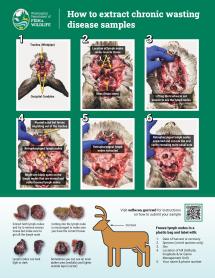
Washington integrates hunting with habitat conservation, disease management, and public stewardship.
Hunter Role in Conservation
Washington hunters are key contributors to wildlife conservation.
Funding Sources
- State hunting licenses
- Federal Pittman-Robertson tax on firearms and ammunition
Conservation Contributions
- Habitat restoration (e.g., Asotin Creek fence removal)
- Public access improvements
- Volunteer-led projects
- Mentoring youth hunters
- Participation in scientific research
Hunters = Stewards: Every license helps protect wildlife and access.
Chronic Wasting Disease (CWD) Response
After detecting its first CWD case in 2024, Washington launched an emergency response.
Hunter Responsibilities
- Submit Harvest Samples: Free CWD testing encouraged for deer, elk, and moose
- Follow Emergency Regulations: Includes carcass transport restrictions and check station compliance
- Report Sick Animals: Use WDFW hotline
Why It Matters: Early detection stops CWD spread—your sample could save entire herds.
Cross-State Regulatory Themes
Despite regional differences, several key patterns emerge across states.
Season and Zone Structures
- Zoning: Used in LA (ducks, deer), ID (elk), FL (WMAs)
- Split Seasons: Common for waterfowl, turkey, and small game
- Youth/Veterans Hunts: Offered in all four states—early access for priority groups
Falconry Regulations
- Louisiana: Extended seasons with 3-bird daily limit, 9 possession
- Idaho & Florida: Dedicated falconry seasons; limits align with regular hunts
- Universal Rule: Falconry bag counts toward annual limits
Check State Calendars: Falconry seasons often differ by species and zone.
Permit and Access Systems
| Program | State | Purpose |
|---|---|---|
| LAP Tags | Idaho | Reward landowners for public access |
| BBWD Permit | Louisiana | Required for black-bellied whistling duck |
| Limited Entry | Florida | Control high-demand WMA hunts |
| Conservation Order | Louisiana | Manage light goose overpopulation |
Digital Regulation Access
All states provide:
– PDF Brochures (printable and downloadable)
– Interactive Tools (e.g., FL’s dynamic lookup, LA’s flipbook)
– Printed Copies (available at regional offices)
– Online Updates: Digital versions may be revised—printed versions are static
Best Practice: Bookmark your state’s hunting page for real-time updates.
Hunter Safety and Ethics
- Blaze Orange: Voluntary in Idaho, recommended everywhere
- Ethical Harvest: Enforced through bag limits, reporting, and CWD compliance
- Mentorship: Recognized in WA as vital to hunting’s future
Lead by Example: Teach safety, respect game, and protect access.
Final Compliance Checklist
Before every hunt, verify:
– ✅ Season dates for your zone and species
– ✅ Bag and possession limits—don’t exceed
– ✅ Permits required (controlled, WMA, special)
– ✅ Reporting rules (bobcat, CWD, harvest logs)
– ✅ Legal hunting hours
– ✅ Tagging procedures—immediate tagging required
– ✅ Transport regulations—especially for CWD zones
Final Note: Regulations change. Always consult your state’s official Fish and Wildlife agency for the most current rules. This guide reflects the 2025–2027 cycles based on published state materials—but final authority lies in the administrative code. Hunt legally, hunt ethically, and continue the tradition of conservation through responsible hunting.

0 Comments