You’ve got your hunting bow in hand—now it’s time to learn how to use a hunting bow effectively. Whether you’re chasing deer in the woods or honing your skills on the range, success starts with mastering the fundamentals. Unlike firearm hunting, bowhunting demands precision, patience, and consistent form. One misstep in your stance, grip, or release can mean the difference between a clean harvest and a missed opportunity.
Modern bowhunting is more accessible than ever, thanks to advanced compound bows, reliable broadheads, and proven shooting techniques. But no matter which type of bow you choose—compound, recurve, or crossbow—your ability to shoot accurately under real hunting pressure comes down to proper setup, repetition, and discipline.
This guide walks you through every critical step of using a hunting bow: selecting the right equipment, tuning your bow, perfecting your shooting form, and practicing like a pro. By the end, you’ll understand not just how to shoot, but how to hunt confidently and ethically with a bow.
Choose the Right Bow for Your Hunting Style

Your bow is your primary tool—choosing the right one sets the foundation for success.
Use a Compound Bow for Power and Control
Compound bows are the top choice for most modern bowhunters. Their pulley system reduces the amount of weight you hold at full draw—typically 65–80% let-off—which means you can aim longer without shaking. This is crucial when waiting for a buck to step into range from a tree stand.
With arrow speeds exceeding 300 fps and draw weights adjustable from 50–70 lbs, compounds deliver deep penetration and flat trajectories. Models like the Matthews Monster Chill (333 fps, 70-lb draw) offer elite performance for big game.
While new models can cost $400–$1,100, a well-maintained used bow from just 2–3 years ago delivers nearly the same performance at half the price—ideal for beginners.
Opt for a Recurve Bow to Build Skill
Recurve bows are simpler, quieter, and more affordable. With no cams or cables, they’re easier to maintain and perfect for developing strength and consistency.
However, there’s no let-off, so you hold the full draw weight the entire time. That makes aiming under adrenaline much harder. Recurves are best for small game, backyard practice, or hunters who value tradition.
Takedown models let you swap limbs as you grow stronger, making them a smart long-term investment.
Consider a Longbow for a Traditional Experience
Longbows offer the purest form of archery—minimalist, silent, and historically authentic. They require high draw weights and long draw lengths, demanding real strength and practice.
Less accurate than compound or recurve designs, longbows are best suited for experienced traditionalists, not first-time hunters.
Try a Crossbow for Easy Learning
Crossbows feel more like rifles, with scopes and triggers. You can cock and hold them safely, making them ideal for youth hunters or those with physical limitations.
They’re heavier and slower to reload, but legal in many states. Always verify local regulations before buying.
Crossbows shoot flat to 40 yards, but your effective range depends on practice. Know your limits before heading into the field.
Essential Gear: What You Need to Hunt Successfully
A bow is just the start. To shoot accurately and safely, you need the right accessories.
Match Your Bow to Your Body
Your draw length and draw weight must fit your frame. Draw length is measured from the bow’s grip to your anchor point—usually the corner of your mouth or under your jaw. Most adult men fall between 27–30 inches.
Start with 30–40 lbs for practice, then build to 50–70 lbs for hunting. Anything below 40 lbs may lack penetration for ethical kills on deer or hogs.
Axle-to-axle length affects balance: 32–35 inches is stable and beginner-friendly; shorter bows (<30″) are better for tight spaces like tree stands.
Select the Right Arrows and Broadheads
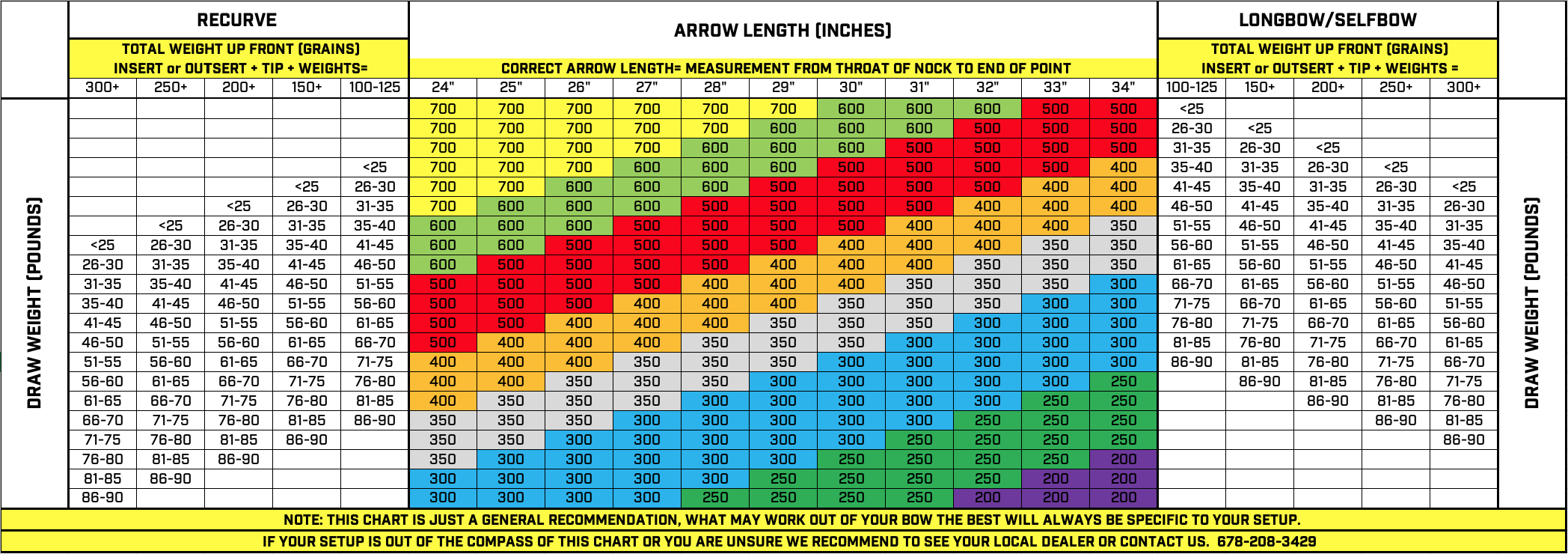
Carbon arrows are the standard—light, strong, and consistent. Match the length to your draw and spine (flex) to your bow setup. A weak spine causes wobble; too stiff reduces accuracy.
For hunting, use arrows weighing at least 400 grains, with 11.2 grains per inch (GPI) or more for maximum energy transfer and penetration.
Always use broadheads, not field points, when hunting:
– Fixed-blade: Fly consistently, durable, great for recurves.
– Mechanical: Open on impact, create larger wound channels—ideal for compounds.
Practice with a broadhead target to avoid damaging your arrows or bow.
Use a Release Aid for Better Accuracy
Finger shooting works, but a release aid dramatically improves consistency. It eliminates finger pinch and ensures a clean release.
Types include:
– Index release: Trigger pulled with the index finger—popular among hunters.
– Thumb release: Activated by pressing a button with the thumb—offers surprise release.
– Back-tension release: Fires when back muscles pull the mechanism—used by elite shooters.
Hook-style releases (e.g., Cobra) attach to the D-loop on the string. A wristband keeps it secure.
Switching to a release aid can halve your group size in just a month.
Install a Sight and Peep for Precision
A sight is essential for accuracy. Beginners should start with a three-pin sight set at 20, 30, and 40 yards. Advanced shooters use single-pin adjustable sights for long-range precision.
Pair it with a ¼-inch peep sight installed in the string. This acts as your rear sight and ensures consistent eye alignment.
Use a round pin guard that fits within the peep for maximum light and precise alignment.
Mount a Reliable Arrow Rest
Your arrow rest holds the arrow before release. Common types:
– Whisker Biscuit: Plastic bristles cradle the arrow; allows fletchings to pass through; slightly slower but very reliable.
– Drop-away rest: Retracts on release for minimal contact; best for speed and accuracy but requires tuning.
– Prong rest: Simple and lightweight, but less forgiving.
Always ensure the arrow is fully seated before drawing.
Carry Arrows with a Quiet Quiver
A quiver keeps your arrows accessible. Bow-mounted quivers are convenient but can affect balance. Hip or belt quivers are quieter and preferred by traditional hunters.
Choose one with noise dampening and quick-draw features.
Wear Safety and Scent Control Gear
Never skip safety:
– Arm guard: Prevents string slap on your bow arm.
– Gloves or finger tabs: Protect fingers if shooting without a release.
– Safety harness: Mandatory when hunting from a tree stand.
– Blaze orange clothing: Wear when moving to and from your stand—never while hunting.
Add scent control products if needed, but remember: playing the wind is more effective than masking odor.
Set Up and Tune Your Bow for Hunting Accuracy
A poorly tuned bow won’t shoot straight—no matter how good your form.
Never Dry-Fire Your Bow
Never shoot without an arrow—it’s called dry-firing, and it can destroy your limbs, cams, or strings. Always double-check that an arrow is nocked.
Keep a clear backstop behind your target. Never shoot toward roads, homes, or people.
Wax and Inspect Strings Regularly
Bowstrings wear out. Check for fraying, dryness, or loose servings. Wax your strings every few weeks to prevent moisture damage and extend life.
Inspect cables and limbs for cracks or twists. Keep all hardware tight.
Tune for Broadhead Accuracy
The goal: broadheads and field points hit the same spot.
Common tuning issues:
– Nocking point too high/low.
– Arrow rest misaligned.
– Poor string alignment.
Test it:
1. Shoot a field point at the center.
2. Shoot a broadhead at the top-right.
3. If both groups overlap, your bow is tuned.
If not, visit a pro shop for professional tuning. Don’t trust unqualified advice.
Master the Shooting Process: From Stance to Follow-Through
Now it’s time to shoot. Follow these steps for repeatable, accurate shots.
Stand with a Balanced, Repeatable Stance
Feet shoulder-width apart, perpendicular to the target. Distribute weight evenly or slightly forward on the front foot to avoid leaning back.
For consistency, Levi Morgan recommends tracing your footprints on cardboard and using them as a template during practice.
Grip the Bow Lightly to Avoid Torque
Hold the bow with a relaxed hand. Let the grip rest on the bony heel of your palm, between thumb and index finger. Do not squeeze—this causes torque and inaccurate shots.
Imagine making an “OK” sign with your hand. Push the bow forward gently; let your elbow bend slightly outward to avoid string contact.
White knuckles? You’re gripping too hard.
Nock the Arrow Safely and Securely
Place the arrow on the string at the D-loop. Push it forward until you hear and feel a distinct click. Confirm it’s fully seated—loose arrows can cause injury.
Draw Smoothly Using Back Muscles
Attach your release to the D-loop and pull straight back. Engage your back and shoulder muscles, not just your arm.
Think of pulling a barn door closed, not starting a lawnmower. Draw smoothly and consistently.
If you pull up during the draw, your draw weight may be too high.
Anchor in the Same Spot Every Time
Your anchor point is where your release hand touches your face at full draw. Common spots:
– Under the jaw.
– Corner of the mouth.
– Nose touching the string.
Levi Morgan’s Triple Anchor ensures consistency:
1. Hand in the same facial spot.
2. Nose touches the string.
3. Consistent grip on the release.
Align your peep sight so it frames the front sight clearly. It should be slightly off-center for a clean sight picture.
Aim with Focus, Not Force
Center the round pin guard within the ¼-inch peep sight for maximum light and precision.
Focus on the target, not the pin. Let the pin float—don’t fight it. The shot should happen naturally.
Choose the Right Release Technique for You
Three main release styles exist:
Command-Style: Fire on Target
Used by most bowhunters. Slow the pin onto the target, lightly place your finger on the trigger, and fire the moment it passes center.
Use 30% push and 70% pull tension to stabilize the pin. Trust the “thunk” feeling when the shot hits.
Best for high-pressure situations where timing matters.
Surprise Release: Let the Shot Happen
Used by 3D shooters. Float the pin over the target, focus on the bullseye, and slowly squeeze the trigger or press the thumb.
The shot should come as a surprise. This reduces anticipation and flinching.
Thumb or hinge releases make this easier than index triggers.
Back Tension: Pull with Your Muscles
Used by elite shooters. Pull the bow apart using back muscles. Squeeze your shoulder blades together until the release fires.
Uses large, stable muscles instead of small finger movements.
Training plan:
– Week 1: Draw at point-blank, close eyes, use back to trip release.
– Week 2: Shoot 30–40 arrows at 15–20 yards, then repeat drill.
– Week 3: Shoot at 20–30 yards, focus on burning the pin into the target.
Practice Like a Hunter, Not Just a Shooter
Range practice isn’t enough. Train for real hunting conditions.
Prioritize Consistency Over Volume
Shoot fewer arrows with maximum focus. Aim for repeatable form, not speed.
Use one-arrow groups: shoot, evaluate, reset. That mimics real hunting—you only get one shot.
Simulate Real-World Scenarios
Practice:
– From kneeling, sitting, and uneven ground.
– At 20, 30, 40+ yards.
– Under adrenaline: have a friend yell or run at you mid-draw.
This builds confidence for actual hunts.
Improve Accuracy with Smart Tips
- Relax: Tension kills accuracy. Unlock your bow arm slightly to absorb shock.
- Shorten release stem: Move trigger contact to a less sensitive part of your hand for better surprise.
- Stretch your skills: Practice at 50 yards to feel confident at 30.
Hunt Smart and Ethically
Bowhunting is more than shooting—it’s understanding game and making ethical decisions.
Scout Before You Shoot
Look for:
– Tracks, droppings, rubs, and scrapes.
– Bedding areas and travel corridors.
– Use trail cameras to track movement patterns.
Deer move more during cold fronts and the rut.
Play the Wind
Always set up so the wind carries your scent away from game. Never hunt downwind.
Wait for the Right Shot
Best times: dawn and dusk. Be patient. Wait for a broadside or quartering-away angle.
Draw quietly—movement alerts game. Know your effective range—don’t take risky long shots.
Track and Field Dress Properly
After the shot:
– Wait 1 hour for lung/heart hits.
– Wait 4–6 hours for gut shots.
– Follow the blood trail carefully.
Learn proper field dressing to preserve meat and avoid contamination.
Stay Safe and Hunt Ethically
Bowhunting Safety Rules
- Wear blaze orange when moving.
- Never make animal calls near other hunters.
- Identify your target and what’s beyond before shooting.
- Always use a safety harness in tree stands.
Bowhunting Ethics
- Use adequate arrow weight and broadheads for humane kills.
- Know your limits—don’t shoot beyond your effective range.
- Respect wildlife and landowners.
Mastering how to use a hunting bow takes time, but every step builds toward confidence and success. Start with the right gear, tune your bow, and perfect your form. Practice under real conditions, respect the animal, and hunt ethically.
With focused training and respect for the craft, you’ll not only harvest game—you’ll earn the deep satisfaction that comes from skill, patience, and connection to the wild.

0 Comments