You’ve checked your trail camera at dawn and found it full of nighttime visitors—dozens of deer slipping through the woods under cover of darkness, just out of reach. They’re there. You know it. But when legal shooting light arrives, the forest is silent. This is the reality of nocturnal deer, and if you want to harvest a mature buck, you can’t rely on luck during daylight hours.
The answer isn’t illegal spotlighting or reckless night hunting. For most hunters, success starts with understanding why deer go nocturnal—and using that knowledge to either intercept their nighttime patterns or bring them back into daylight. With the right strategy, gear, and timing, even the most elusive bucks can be caught on the move.
This guide breaks down exactly how to hunt deer at night, covering behavior-driven stand placement, rut timing, scent control, low-light optics, and legal alternatives when night hunting is restricted.
Why Deer Become Nocturnal—And How to Reverse It
Deer don’t naturally prefer the dark. They learn to avoid daylight because of pressure.
White-tailed deer are crepuscular by nature—most active at dawn and dusk. But under constant human activity, they shift to nocturnal movement as a survival tactic. The more hunting pressure, trail cameras, ATVs, and baiting during daylight, the deeper into the night they retreat.
Primary causes of nocturnal behavior:
– Hunting pressure from weekends and gun seasons
– Mature bucks learning human routines and avoiding danger
– Does teaching fawns to stay hidden during daylight
– Environmental disturbances like feeders, stands, and vehicles
“I had 2,000 night photos and zero daylight sightings all season.”
If your trail cams light up from midnight to dawn, your deer are under pressure. The solution? Stop making them afraid.
The goal isn’t to chase them in the dark—it’s to become invisible. Reduce your presence, and you’ll start seeing deer return to legal hunting hours.
Hunt the Rut: Nature’s Window into Daylight Movement
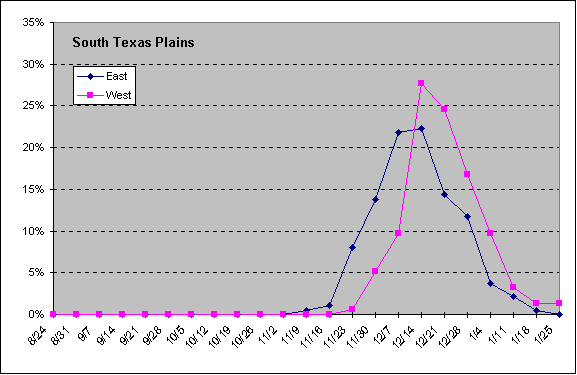
Even the most nocturnal bucks break their patterns during the rut.
Breeding instinct overrides caution. Bucks chase does, fight rivals, and move at all hours. This is your best chance to intercept mature deer during legal shooting light.
Time Your Sits Around Rut Phases
- Pre-rut (late October): Bucks establish dominance. Use rattling and grunting to simulate competition.
- Peak rut (early to mid-November): Bucks chase does relentlessly. Use doe bleats and buck grunts to trigger curiosity.
- Post-rut: Dispersed movement. Focus on food sources and thermal cover.
“Ruts on in Michigan!”
That single phrase signals opportunity.
Pro Tip: Combine rut activity with a cold front. A sudden drop in temperature spikes deer movement—both night and day. Plan your longest sits for the last week of October through mid-November, and be in your stand 2 hours before daylight.
Many bucks are still moving at first light—especially during peak rut.
Create a Low-Pressure Sanctuary to Restore Daylight Activity
You can’t harvest what you can’t see—and you won’t see deer if you’re pushing them into hiding.
Reduce Human Impact
- Limit stand entries. Every walk-in alerts deer.
- Avoid baiting during daylight if it conditions nocturnal feeding.
- Rotate hunting spots to prevent pattern recognition.
- Stop using ATVs near core areas—noise travels far.
On private land, consider a no-harvest buffer zone near bedding areas. Let deer feel safe, and they’ll start moving earlier.
“Reduce hunting pressure, then hunt during the day.”
Deer return to daylight when the threat diminishes. Your job isn’t to chase them at night—it’s to become undetectable.
Scout Night Movement with Trail Cameras

You can’t hunt what you can’t pattern.
Trail cameras are your eyes in the dark. Use them to map movement corridors, not just confirm deer presence.
Place Cameras Strategically
- Pinch points: Narrow trails, creek crossings, fence gaps
- Bedding edges: Where deer exit thick cover at dusk
- Water sources: Secluded ponds or streams
- Scrapes and rubs: Active sign indicates buck travel routes
Review timestamps. Are deer moving at 10 PM? 2 AM? Just before dawn?
“Go where they are during the day. They are moving somewhere.”
Use this intel to position stands where deer must pass—not where you hope they’ll go.
Hunt the Edges of Darkness for Maximum Success
You don’t need to hunt in the dark to catch nocturnal deer.
Most mature bucks move just before or after legal light. Be ready.
Maximize Shooting Light Windows
- Morning sits: Arrive 2+ hours before sunrise. Stay until 1 hour after last movement.
- Evening sits: Get in stand 2 hours before sunset. Hunt through last light.
- Focus on first and last hour—peak overlap between nocturnal and legal hours.
Many bucks stage in thick cover before entering fields. If you leave too soon, you’ll miss them.
Pro Tip: Use a thermal monocular to scan edges before climbing down. You might catch a buck sneaking in late.
Use Calls and Scents to Trigger Responses
Even cautious bucks can be lured—especially during the rut.
Match Calls to the Season
- Pre-rut: Rattle antlers or use a rattling bag to simulate buck fights.
- Peak rut: Grunt softly to challenge or curiosity-call a buck.
- Post-rut: Use doe bleats to mimic estrous activity.
“Rattles pre-rut, grunts after and during.”
Caution: Overcalling spooks deer. One sequence every 20–30 minutes is enough.
Add a lifelike decoy if legal and wind allows. A buck decoy can trigger aggression; a doe decoy pulls in curious suitors.
Place Stands in Natural Funnels for Guaranteed Crossings
Location beats luck.
Deer follow paths of least resistance. Force them into your shooting lane.
Target These Chokepoints
- Creek crossings with downed trees or narrow banks
- Ravines between ridges
- Fence line gaps in agricultural areas
- Timber strips between food plots
“Set up near pinch points—narrow sections where deer must pass.”
Elevate stands for clear sightlines and better wind control. Use a lock-on stand for silent entry and exit.
Avoid placing stands near food plots with water sources—mature bucks avoid these high-pressure zones.
Master Scent Control Like a Predator
Deer smell you long before they see or hear you.
Scent is the #1 reason mature bucks avoid your stand.
Pre-Hunt Scent Elimination
- Shower with scent-free soap and shampoo
- Dry with scent-free towels
- Store clothes in airtight totes with activated carbon
- Use ozone generators (e.g., Ozonics) to destroy odor in the field
Field-Ready Protocols
- Keep boots in scent-proof bags until arrival
- Wear rubber clogs to the stand
- Spray gear with scent-killer spray (e.g., Scent Killer Gold)
- Hunt only with perfect wind conditions—never risk a downwind approach
“There is never such thing as too much scent control.”
If you don’t know what you spooked, you’ve already failed.
Optimize Bow Setup for Low-Light Hunting
Bowhunting at dawn or dusk demands precision.
Even if you’re not hunting in the dark, you’re hunting in low light—and your gear must adapt.
Choose the Right Peep Sight
- 3/16” or ¼” peep allows more light than smaller sizes
- No peep works if you have a consistent anchor point
- RedHawk Peep: Amber window with black ring improves sight picture
- SAP Peep: Compatible with verifier lenses for vision correction
Use Illuminated Sights Wisely
- Single-pin sights reduce clutter
- Illuminated pins must have rheostat control—adjust brightness to ambient light
- Blue lighting (e.g., HHA Blue Burst) minimizes glare and preserves night vision
Avoid red or green flood lights—they wash out the pin.
Equip Your Bow for Night Shooting
When light fades, visibility fails—unless you add light.
Mount a Bow Light
- Screws into stabilizer hole
- Use 190+ lumen red or green LED
- Remote switch lets you activate light without moving
Top pick: Hawgfather HF100 (successor to Hawglite Sabre)
“Using white isn’t necessarily a deal breaker… but power the light high, then lower slowly.”
Pair with a Crimson Trace CMR-201 laser for instant target acquisition in total darkness.
Firearm Setup for Legal Night Hunting
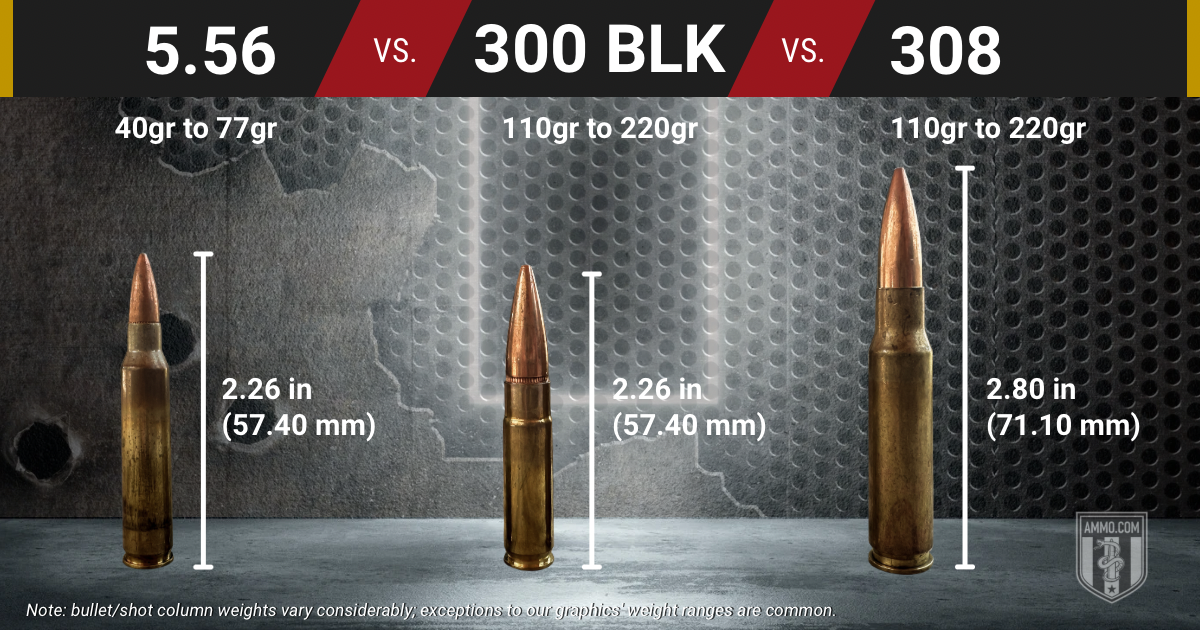
In some areas, night hunting is allowed—for depredation or nuisance control.
If legal, use the right tools for clean, humane kills.
Best Calibers for Night Hunting
| Caliber | Use Case | Notes |
|---|---|---|
| .300 AAC Blackout (subsonic) | Suppressed AR-15 | Quiet, effective at 100–150 yards |
| .308 Winchester | Bolt or semi-auto | Longer range with suppressor |
| .22 Magnum | Close-range | Head shots only; effective within 100 yards |
| .17 HMR | Small game rifle | Flat trajectory, quiet with suppressor |
“.22 magnum… shoot a deer in the head within 100 yards—it’s toast.”
Pair with a suppressor to reduce noise—critical near homes or livestock.
Use Night Vision and Thermal Optics
Seeing in the dark changes everything.
But know the law: Night vision and thermal are banned for hunting in many states—except for depredation with a permit.
Thermal Scopes
- Detect heat signatures in total darkness
- No ambient light needed
- Spot deer at 200+ yards
Night Vision Devices (NVDs)
- Amplify available light (moon, stars)
- Gen 3 is best—clearer image, longer life
- Pair with infrared illuminator for zero-light conditions
“Use a high-quality thermal scope or night vision device.”
Never use white light for hunting—unless legal and paired with a red or green filter.
Follow Legal and Ethical Rules
Night hunting is highly regulated.
Know Your State’s Laws
- Most states ban night hunting during general seasons
- Spotlighting from roads is illegal almost everywhere
- Depredation permits may allow night removal of problem deer
- Suppressors are legal in many states but require federal registration
“Illegally”
“Poaching lol”
“Nice try, Game Warden…”
Don’t risk your license. If night hunting is illegal, shift focus to influencing daytime movement.
Ethical Night Hunting Practices
Even when legal, ethics matter.
- Ensure clean kills. Use head or heart-lung shots.
- Only shoot at close range—under 100 yards.
- Use proper optics to confirm species and antler status.
- Respect neighbors—noise and light can cause complaints.
“Respect the animal and ensure a clean, humane shot.”
Technology isn’t a shortcut. It’s a responsibility.
Final Strategy: Be the Predator, Not the Prey
Nocturnal bucks aren’t ghosts. They’re survivors.
They move at night because you taught them to.
The real question isn’t how to hunt deer at night—it’s how to make them come back during the day.
Your Game Plan:
- Reduce pressure—become invisible.
- Scout with trail cams—map their night routes.
- Hunt the rut and cold fronts—timing is everything.
- Use low-light gear—illuminated sights, bow lights, thermal.
- Master scent and silence—don’t tip your hand.
- Follow the law—never cross the line.
When you create a low-pressure sanctuary, deer will return to daylight—not because you chased them, but because you made them feel safe.
“Nocturnal bucks aren’t a mystery — they’re a response to pressure.”
Be patient. Be smart. Be ready when they step into the light.


0 Comments