You’ve seen it on shows like MeatEater or heard stories from friends who return from the woods with a deer strapped to their truck. Bow hunting isn’t just about the harvest—it’s about discipline, connection to nature, and mastering a skill that’s thousands of years old. If you’re wondering how to get into bow hunting, you’re not alone. Thousands of new hunters start each year with no connections, no gear, and no idea where to begin.
The good news? You don’t need a family legacy or outdoor survival skills to start. What you do need is the right guidance, gear, and mindset. This guide cuts through the noise and gives you a clear, step-by-step path—from choosing your first bow to making an ethical shot in the field. Whether you’re drawn to the quiet challenge of the hunt or the satisfaction of putting wild game on your table, this is your roadmap to becoming a capable, responsible bowhunter.
Choose the Right Type of Bow for Your Hunting Style

Your first bow sets the tone for your entire experience. Pick the wrong one, and you’ll struggle with accuracy, comfort, and motivation. The right choice makes learning enjoyable and effective.
Compound Bow: Best Choice for Most New Bowhunters
The compound bow is the top recommendation for beginners—and for good reason. Its cam-and-cable system creates let-off, meaning you hold only a fraction of the draw weight at full extension. For example, a 60-pound bow with 80% let-off requires just 12 pounds to hold at full draw.
- Delivers fast arrow speeds (280–350+ fps), improving accuracy at distance
- Adjustable draw length and weight grow with your strength
- Compact size fits easily in tree stands and ground blinds
- Highly tunable for precision shooting
While more complex than traditional bows, modern compounds are reliable, widely supported, and beginner-friendly.
Pro Tip: Don’t buy online without testing. Visit a local archery shop to try different models and feel how they draw and shoot.
Recurve Bow: Lightweight and Traditional
Recurve bows offer a simpler, quieter alternative. They’re ideal for hunters who value tradition, stealth, or minimalism.
- No let-off—requires holding full draw weight
- Effective range: 15–25 yards
- Takedown models let you increase draw weight gradually
Best suited for close-range stalking or open-country hunting, but less forgiving for beginners still building strength and form.
Longbow: For the Traditionalist
Longbows are the original hunting weapon—smooth, silent, and timeless. But they demand strength, skill, and space.
- Full draw weight with no let-off
- Hard to maneuver in tight spaces like tree stands
- Less accurate beyond 20 yards
Only consider this if you’re committed to a traditional-only hunting experience.
Crossbow: Easiest to Learn, But Limited Use
Crossbows are popular among youth, seniors, or hunters with physical limitations. They shoot like rifles and use scopes, making aiming intuitive.
- High draw weight (150–200 lbs) and fast speeds (up to 380 fps)
- Can be cocked and held ready
- Legal in most states—except Oregon and some others
Downsides include bulkiness, noise, and the need to uncock after every hunt.
Bottom Line: Start with a compound bow unless you have a specific reason to choose otherwise.
Get Professionally Fitted at an Archery Pro Shop
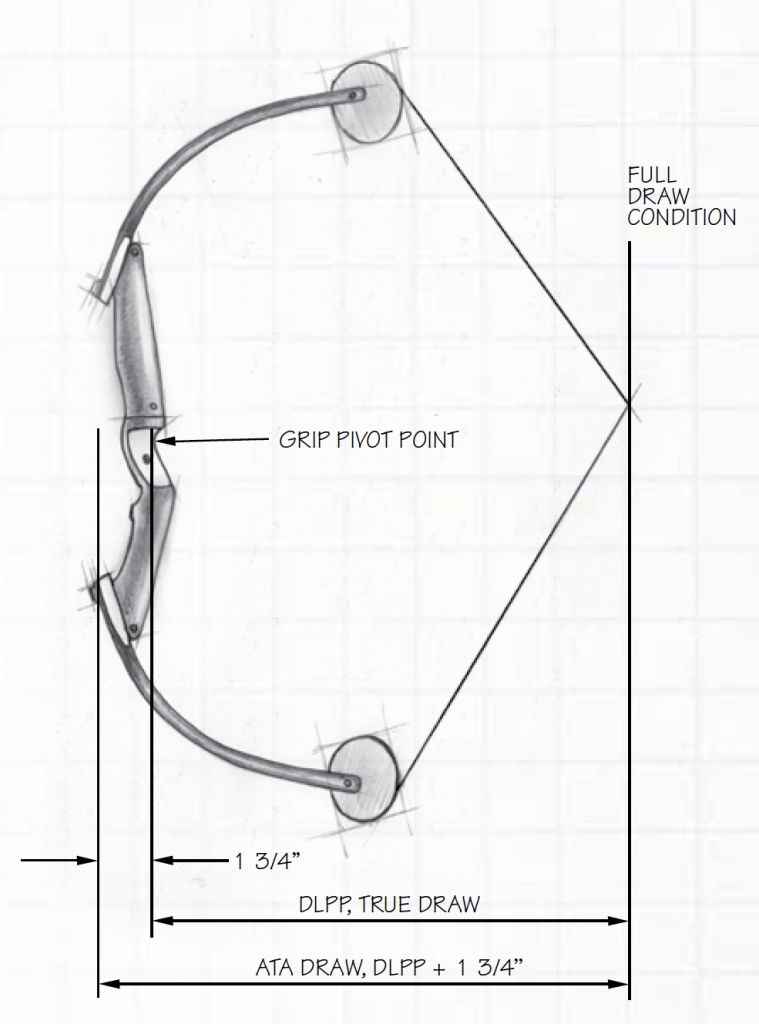
Your bow must match your body. A poor fit leads to bad form, pain, and missed shots—especially under hunting pressure.
Measure Your Draw Length Correctly
Draw length is based on your wingspan. Here’s how to estimate it:
- Stand with arms outstretched, palms flat against a wall.
- Measure fingertip to fingertip in inches.
- Divide that number by 2.5.
Example: 70″ arm span ÷ 2.5 = 28″ draw length.
Take this measurement to a pro shop for confirmation and fine-tuning using a draw board.
Set the Right Draw Weight for Your Strength
Too heavy, and you’ll fatigue quickly. Too light, and your arrow won’t penetrate cleanly.
- Minimum for deer: 40 lbs (required in most states)
- Beginners: Start at 40–50 lbs (women), 50–60 lbs (men)
- Don’t max out—you can increase weight as you build strength
Warning: “Don’t try to be macho.” A bow you can’t control is dangerous and unethical.
Test Multiple Bows Before Buying
Even within the same brand, bows feel different. Shoot at least 5–6 models in your price range. Look for:
- Smooth draw cycle
- Comfortable grip
- Natural pointability—the bow should aim itself
- Minimal vibration on release
Let the bow “speak to you”—the right one will feel intuitive and balanced.
Build Your Essential Bowhunting Gear Kit
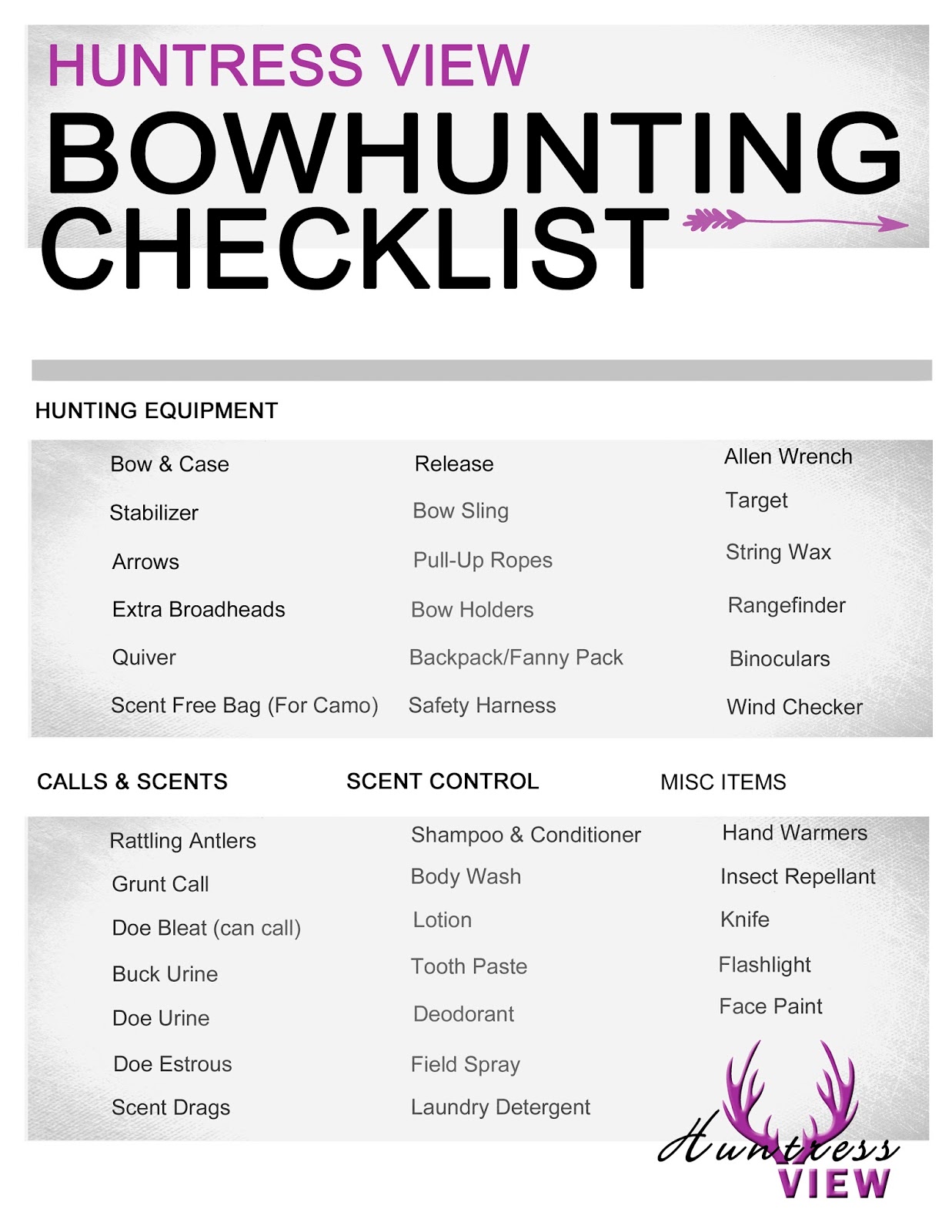
You don’t need everything on day one, but these core items are non-negotiable for success and safety.
Must-Have Equipment
| Item | Why It Matters |
|---|---|
| Arrows | Must match your draw weight and length. Carbon arrows (e.g., Gold Tip, Easton) offer durability and consistency. |
| Arrow Rest | Whisker Biscuit is best for beginners—durable and forgiving. |
| Bow Sight | 3- or 5-pin hunting sight with micro-adjustments. Avoid target sights. |
| Peep Sight | Installed in the string for consistent aiming. ¼-inch diameter is ideal. |
| Quiver | Bow-mounted or backpack style. Practice with it attached. |
| Release Aid | Caliper-style wrist strap (e.g., Nock 2 It) for consistent, clean releases. |
| Target | Block target (like Morrell) for durability. Add a 3D deer target later. |
Highly Recommended Add-Ons
- Laser Rangefinder: Know exact distances. Vortex Fury is a top pick.
- Safety Harness: Full-body harness with suspension relief strap—mandatory for tree stands.
- Arm Guard: Prevents string slap, especially with gloves.
- Headlamp: Hands-free light for tracking or early-morning setup.
- Binoculars: 10×40 for scouting and spotting game.
- Wind Checker: Powder or liquid to detect air movement.
Skip the used gear trap. Old cams, worn strings, or cracked limbs can fail. Buy new or certified used from a pro shop.
Master Shooting Form and Build Consistent Accuracy
Hitting a deer isn’t like hitting a bullseye. You need repeatable form under real hunting conditions.
Perfect Your Shooting Basics
- Stance: Feet shoulder-width, perpendicular to target.
- Grip: Use the web of your hand. Keep it loose—don’t torque the bow.
- Draw: Use back muscles, not arms. Elbow should point up and back.
- Anchor Point: Touch the same spot every time—corner of mouth or jaw.
- Aim: Align peep sight with bow sight. Focus on the pin.
- Release: Squeeze the trigger slowly. It should feel like a surprise.
- Follow-Through: Hold your position until the arrow hits.
Key Insight: “The release should come as a mini-surprise—just like a rifle’s trigger.”
Practice Like a Real Hunter
- Shoot 30+ arrows, 3x per week
- Start at 10 yards, increase in 5-yard increments
- Practice from awkward positions: kneeling, sitting, turning
- Wear your hunting clothes, harness, and gloves during practice
Ethical Standard: You must hit a 9-inch pie plate at 30 yards, 4 out of 5 times, before hunting.
Test and Tune Your Broadheads Before the Hunt
Field points and broadheads don’t always fly the same. Never assume they’ll group together.
Broadhead Types
- Fixed-blade: Tough, consistent, but harder to tune
- Mechanical: Open on impact, easier to tune, but can fail
How to Test
- Shoot field points at 20 yards—group tightly.
- Switch to broadheads (same brand you’ll hunt with).
- If they don’t hit the same spot, adjust your sight or arrow rest.
Never hunt without testing your broadheads. A miss could mean a wounded animal.
Pick Your Hunting Method and Field Setup
Your hunting style depends on terrain, game, and personal preference.
Tree Stand Hunting
Most common for whitetail deer.
- Set up early—at least a week before season
- Use a full-body harness—never climb without one
- Pull your bow up with a rope
- Practice climbing with gear on
Safety First: One fall from a tree stand can end your hunting career—or your life.
Ground Blind
Great for turkey, deer, or when landowners don’t allow tree stands.
- Set up quietly and early
- Let animals get used to it
- Use scent control and stay downwind
Spot-and-Stalk
Best for open terrain (elk, mule deer).
- Requires fitness, stealth, and terrain reading
- Move slowly, stop often, glass ahead
- Use natural cover to stay hidden
Still Hunting
Walking slowly through woods, stopping to scan.
- Ideal in thick cover
- Stay alert for movement and sound
- Be ready to shoot at any moment
Learn Shot Placement and Animal Anatomy
A clean kill is your responsibility. Know where to aim—and when not to shoot.
Vital Zone: Heart and Lungs
- About the size of a grapefruit
- Located just behind the front shoulder
Best Shot Angles
- Broadside: Aim just behind shoulder, ⅓ up from belly
- Quartering Away: Aim slightly back and high to hit both lungs
- Quartering Toward: Aim forward of shoulder to avoid gut
Avoid These Shots
- Full Frontal: Risk of hitting only shoulder bone
- Straight Away: Spine blocks vital organs
- Extreme Angles: Can’t guarantee organ hit
Golden Rule: “Wait for the animal to present a fully broadside or slightly quartering away shot.”
Track and Recover Your Animal Ethically
After the shot, your job isn’t over—it’s just beginning.
Wait Before Tracking
- Lung/Heart Shot: Wait 30 minutes
- Liver Shot: Wait 2–3 hours
- Gut Shot: Wait 4–6 hours
Rushing in can spook a downed animal.
What Blood Tells You
- Pink, bubbly: Lung hit—follow the trail
- Bright red, steady flow: Possible liver or muscle—track carefully
- Dark, foul-smelling with food: Gut shot—wait, then track slowly
Your Duty: “Exert maximum effort to find any animal you shoot.”
Follow Laws, Safety, and Bowhunting Ethics
Bowhunting is a privilege that comes with responsibility.
Get Licensed and Educated
- Hunter Education Course: Required in all U.S. states
- Bowhunter Education: Often required or recommended
- Buy License & Tags through your state wildlife agency
Start here: Your state’s official hunter safety course.
Know Your State’s Rules
Example (British Columbia, Canada):
| Bow Type | Min Draw Weight | Broadhead Width |
|---|---|---|
| Longbow, Recurve, Compound | 40 lbs | 7/8 inch |
| Crossbow (Bow A) | 150 lbs | 7/8 inch |
Check your local regulations for season dates, legal equipment, and bag limits.
Practice How You Plan to Hunt
Don’t just shoot at targets. Train for the real thing.
Simulate Real Hunts
- Wear full gear: clothes, harness, facemask, gloves
- Practice from a tree stand or blind
- Use 3D targets at unknown distances
- Shoot in wind and low light
Pro Move: “Pack your bow like a photographer carries a camera. You’re not always going to shoot—but you’re ready.”
Join the Bowhunting Community
You don’t have to go it alone.
Learn from Experts
- Books: Bowhunting for Beginners, The Complete Guide to Bowhunting
- YouTube Channels: Inside Out Precision, The Hunting Public, Bowmar Bowhunting, Seek One
Connect with Hunters
- Reddit: r/bowhunting, r/Archery
- Facebook Groups: “Beginner Bowhunters”, “Bowhunters United”
- Local Shops: Host clinics, mentorship, and events
Wisdom: “The best camo is being still and shutting up.”
Final Tips for New Bowhunters
- Start simple: Focus on bow, arrows, target, and practice
- Be patient: Missed shots are part of learning
- Respect the animal: Use all the meat, honor the harvest
- Stay safe: Harness, scent control, firearm safety rules
- Celebrate small wins: Seeing a buck, getting into your stand, making a good shot
Remember: “The goal isn’t just to harvest a deer—it’s to learn, grow, and enjoy the journey.”
Quick-Start Checklist
✅ Complete hunter education course
✅ Visit archery pro shop for fitting
✅ Buy compound bow, arrows, rest, sight, quiver, release
✅ Set up target and practice 3x per week
✅ Master form and hit 9″ target at 30 yards
✅ Test broadheads and tune bow
✅ Get safety harness, rangefinder, hunting clothes
✅ Scout and set up stand or blind
✅ Study animal anatomy and shot angles
✅ Buy license and tags
✅ Hunt ethically, safely, and respectfully
With the right preparation, anyone can become a skilled, ethical bowhunter. The woods are waiting—your journey starts now.

0 Comments