Dove hunting isn’t just about fast shooting and tight patterns—it’s about being in the right place at the right time. The most accurate shotgun in the world won’t help if you’re set up in a field where no birds fly. The secret to consistent success starts with knowing how to find dove hunting spots where doves actually feed, drink, and roost. Unlike many game species, doves follow predictable daily routines driven by food, water, and safety. By learning their habits and reading the landscape, you can pinpoint high-traffic areas long before opening day.
The best dove hunting spots aren’t lucky guesses. They combine three essential elements—feeding grounds, water sources, and roosting trees—a combination experts call the “habitat triple threat.” When these converge, so do doves. This guide walks you through exactly where to look, how to scout like a pro, and how to position yourself for maximum shot opportunities—all based on real-world tactics used by experienced hunters and backed by habitat science.
Target Harvested and Plowed Fields for Feeding Activity

Doves spend most of their day on the ground, walking and pecking for seeds. The first step in finding dove hunting spots is identifying where they feed. Look for open, disturbed ground with exposed seeds and minimal cover.
Focus on Recently Harvested Crop Fields
Doves are drawn to bare soil where they can spot predators and move freely. The most productive feeding zones include:
- Cut cornfields with leftover kernels scattered after harvest
- Harvested wheat or sunflower fields where seeds spill between rows
- Newly plowed fields that bring buried grain to the surface
- Missed strips in large crop fields where machinery left gaps
Avoid fields with tall grass, thick stubble, or dense cover—doves won’t risk entering areas where they can’t see or escape quickly.
Look for signs: Flocks walking in loose groups, heads down, pecking at the soil. If you see doves perched on power lines overlooking a field, they’re likely preparing to land and feed.
Scout for Seed-Rich Crops Before Harvest
Not all crops attract doves equally. Prioritize fields planted with:
- Millet
- Sorghum
- Sunflowers
- Wheat
- Corn
Fields with spilled grain along access roads or between rows are especially attractive. A freshly harvested sunflower field with scattered heads left behind acts like a dove buffet.
Pro Tip: Walk the edges of harvested fields and look for white dove droppings and small feathers—clear signs birds have been feeding there.
Hunt Near Water Sources During Peak Drinking Times

After feeding, doves fly to water—especially during the warm early season. Positioning near reliable water sources dramatically increases your odds in the late afternoon.
Choose Water with Open, Flat Banks
Doves need safe, unobstructed access to drink. They avoid steep, brushy, or cluttered shorelines.
Ideal water features include:
– Farm ponds with sandy or gravelly edges
– Stock tanks in pastures
– Windmill runoff pools
– Gravel bars in shallow rivers
– Lakes with vegetated shorelines and open banks
Key Insight: Doves land cautiously, often circling once before touching down. They prefer bare, flat banks with clear approach paths and quick escape routes.
Scout Water 2–3 Hours Before Sunset
Doves visit water most heavily in the late afternoon, just before flying to roost. This creates a reliable daily pattern.
Scout Strategy: Arrive 2–3 hours before sunset and use binoculars to track flight lanes. Watch for birds flying in from feeding fields and note where they land.
Caution: Never hunt below the high-water mark on rivers unless you’re certain it’s legal. Check state regulations on riparian access and land ownership.
Set Up Near Roosting Trees and Perch Lines
At dusk, doves leave feeding and watering areas and fly to roosting sites. These locations are consistent and predictable.
Look for Tall, Isolated Trees and Structures
Doves prefer tall pines, dead snags, or isolated hardwoods with open branches. These offer safety from predators and good visibility.
Common roosting structures include:
– Clumps of timber along field edges
– Fence-line trees
– Abandoned barns or silos
– Power lines and broadcast towers
Behavioral Clue: As the sun sets, doves often stage in large trees near fields before flying into dense roosts. Set up near these staging trees for last-light shots.
Position Between Water and Roosting Sites
Once you identify a roost, intercept birds during their evening commute.
Pro Tip: Stand between the water source and the roosting trees in the evening. Birds will fly directly overhead in a predictable corridor.
Exploit Gravel Pits and Transition Zones
Certain landforms and man-made features naturally concentrate dove activity.
Find Gravel Pits and Railroad Beds
Doves eat small stones to aid digestion—a behavior called gizzard gritting. Gravel-rich areas are essential.
Prime spots:
– Commercial gravel pits
– Railroad track ballast
– Stream gravel bars
– Roadside shoulders (check local laws—often not legal to hunt)
Strategic Combo: A gravel pit next to a harvested cornfield is a dream setup. Birds feed, grit, and return to water—all within a tight loop.
Access Tip: Use onX Maps or Google Earth to locate public land near rivers with gravel bars. Many states allow access via navigable waterways.
Hunt Reclamation Sites and Field Islands
Some of the best dove spots are overlooked because they don’t look like traditional hunting land.
High-potential areas:
– Strip mine reclamation sites (common in Appalachia)
– Ponds in timber-meadow transitions
– Old machinery or log piles in open fields
– Field “islands” of brush or trees
Why They Work: These spots serve as navigation aids and temporary perches. Doves use them to scout fields before landing.
Bonus: These areas often have low hunting pressure, giving you a better chance at unpressured birds.
Read Flight Lanes to Choose Your Stand Location
Even in perfect habitat, poor stand placement leads to missed opportunities. Read the sky, not just the ground.
Set Up in Natural Flight Corridors
Doves follow linear features and use terrain breaks as flight highways.
Best stand locations:
– Gaps in tree lines (50–75 yards into the field)
– Field corners with fences or isolated trees
– High ground or slight rises
– Points or bulges in timber
– Along power, phone, or fence lines
Visual Cue: If you see doves perched on a fence line or power wire, set up nearby—they’ll likely fly into the adjacent field.
Avoid Overhead Shots Near Roost Trees
Being too close to roosting trees forces difficult, dangerous overhead shots.
Rule of Thumb: Position far enough into the field to see birds coming from the woods. This gives you longer lead time and safer shooting angles.
Scout Early and Use Technology to Your Advantage
The best hunters don’t show up on opening morning blind. They scout days—or weeks—ahead.
Drive Field Perimeters Before the Season
Scan rural roads for:
– Doves on power lines
– Flocks feeding in open ground
– Birds circling over ponds
– Dusting activity in dry soil
Note: Look for multiple habitat elements in one area. A field with water nearby and tall trees on the edge is a top-tier spot.
Use Mapping Apps to Identify Public Land
Apps like onX Hunt, Google Earth, and HuntStand help identify:
– Public dove fields
– Water sources
– Gravel bars
– Reclaimed mining areas
– Property boundaries
Pro Move: Mark potential spots and revisit them during pre-season scouting trips.
Use Decoys to Attract Doves to Your Location
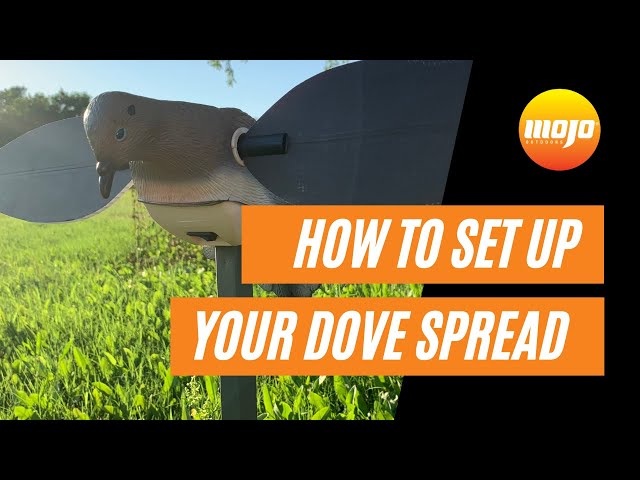
Even in low-traffic areas, decoys can turn a slow field into a hotspot.
Combine Mojo and Static Decoys for Best Results
Effective options:
– Mojo dove (spinning-wing motorized decoy)
– Flicker tails (wind-activated wing decoys)
– Plastic or feather decoys (8–12 in a spread)
User Feedback: A single Mojo decoy may not be enough late in the season. Hunters report best results with 8–12 static decoys + one Mojo in a scattered, natural pattern.
Place Decoys in Open, Visible Areas
Spread decoys over a 50-foot zone in bare or short-vegetation ground.
Avoid: Geometric patterns. Scatter decoys like birds naturally feed—some close, some apart.
Warning: If doves are flying high or avoiding decoys, abandon the spread and set up on observed flight paths instead.
Know the Rules and Gain Access Legally
Even the best spot is useless if you can’t legally hunt it.
Apply Early for Public Dove Field Permits
Many states manage designated dove fields with planted crops and controlled access.
- Apply early for quota hunts or draws
- Check state wildlife agency websites for reservation systems
- Some areas require check-in/check-out
Benefit: Public fields often have lower pressure and are maintained specifically for dove hunting.
Build Relationships for Private Land Access
Farmers may be reluctant to allow hunting during harvest season.
Build Trust: Offer help with farm work, introduce yourself early, and respect boundaries.
Focus on Edges: Ask to hunt trees near grain fields—birds fly between these areas daily.
Avoid Illegal Hunting Zones
Never hunt:
– Along active roads or rail lines
– Below high-water marks on rivers (unless permitted)
– On posted private property
Final Check: Verify shooting hours, bag limits, and species regulations before you go.
Time Your Hunt to Match Dove Movement Patterns
Doves move on a predictable daily schedule. Match your hunt to their rhythm.
| Time of Day | Dove Behavior | Best Strategy |
|---|---|---|
| Dawn (30 min before sunrise) | Leaving roost, heading to feed | Set up near feeding fields |
| Morning (sunrise–10 a.m.) | Feeding, then watering | Hunt between field and water |
| Midday | Resting in shade or trees | Scout or rest |
| Late Afternoon | Feed, water, then roost | Hunt near water or roost trees |
Note: Morning flights are lower and straighter due to low light. Afternoon flights are higher, giving birds better field visibility.
Adjust for Species and Sun Position
Small adjustments can make a big difference.
Know the Dove Species in Your Area
Mourning Doves are fast and erratic—require quick leads. Eurasian Collared Doves are larger, slower, and often don’t count against your bag limit. White-winged Doves are found in the South and Southwest.
Check Regulations: Some areas allow extended seasons or higher limits for collared doves.
Position with the Sun at Your Back
- Never face the sun—it blinds you and hides incoming birds
- Early morning and late-day sun creates glare
- North-facing setups eliminate sun issues all day
Pro Tip: Wear a wide-brimmed hat and polarized glasses to reduce glare and spot birds faster.
The Perfect Dove Hunting Spot Checklist
✅ Feeding area with exposed seeds (harvested or plowed field)
✅ Water source with bare, accessible banks
✅ Roosting trees or power lines nearby
✅ Flight corridors like gaps, points, or fence lines
✅ Open ground for decoys and visibility
✅ Low hunting pressure (public or overlooked land)
Final Takeaway: Success isn’t luck. It’s scouting, pattern reading, and smart positioning. The best dove hunters don’t wait for birds—they know where they’ll be and set up first. Start with the habitat, follow the flight lanes, and stay mobile when conditions change. With this strategy, you’ll find dove hunting spots that consistently produce.

0 Comments