A hunting knife covered in rust isn’t a lost cause—it’s a call to action. Whether you’ve pulled your blade from a damp sheath after a rainy season, discovered a forgotten relic in the garage, or inherited a rusted family heirloom, rust can be removed safely and effectively with the right methods. This guide walks you through proven techniques—from kitchen staples to advanced restoration—to bring your hunting knife back to life. You’ll learn how to assess rust damage, choose the best cleaning method, protect the handle, refinish the blade, and prevent future corrosion. With patience and the right tools, your knife can regain its strength, shine, and reliability.
Assess Rust Severity Before You Begin

Jumping straight into cleaning can do more harm than good. First, identify how deep the rust has penetrated to choose the safest, most effective method.
Identify Light Surface Rust
- Appears as dull gray or black spots, often near the spine or base of the blade
- No visible pitting or flaking
- Can be wiped off temporarily but returns quickly
✅ Best treatment: Baking soda paste, WD-40, or lemon and salt
🔍 Tip: This is early-stage oxidation—easy to fix and prevent from worsening
Spot Moderate Rust Buildup
- Red-orange patches with a rough, gritty texture
- Feels uneven when touched with a fingernail
- Often forms along the edge or in moisture-prone areas
✅ Best treatment: Vinegar soak + steel wool or Scotch-Brite pad
⚠️ Warning: If left untreated, this will turn into pitting
Recognize Heavy or Pitting Rust
- Flaking metal, deep pits, or crumbling edges
- Blade may feel weak or uneven
- Metal loss is visible and irreversible
✅ Best treatment: Electrolysis, muriatic acid (with caution), or sanding
🔧 Note: Cleaning removes active rust but won’t restore lost metal—focus on stabilization, not perfection
Use Household Items to Remove Rust
You don’t need expensive gear. Many effective rust removers are already in your pantry.
Soak in White Vinegar Overnight
- Fill a container with distilled white vinegar
- Submerge only the blade—keep the handle dry
- Soak times:
- Light rust: 30 minutes
- Moderate rust: 2–4 hours
- Heavy rust: 8–24 hours
After soaking, scrub with a brass brush or Scotch-Brite pad
Rinse immediately and dry thoroughly
Apply mineral oil to prevent flash rusting🔥 Warning: Vinegar can darken carbon steel and strip chemical finishes like Parkerizing—use only when necessary
Apply Baking Soda Paste
- Mix 2 parts baking soda with 1 part water or lemon juice
- Spread on rusted areas with an old toothbrush
- Let sit 5–10 minutes, then scrub in one direction
Boost effectiveness with 0000 steel wool
Wipe clean and apply oil💡 Pro Tip: Use this after a vinegar soak to neutralize acid residue and protect the steel
Rub with Lemon and Salt
- Sprinkle coarse salt on the rust
- Cut a lemon in half and rub the fleshy side over the area
- Wait 5–15 minutes, then scrub again
- Rinse and dry fast—citric acid works quickly
Best for light rust in the field or quick touch-ups
✅ Safe, natural, and effective for early oxidation
Try the Potato Trick
- Cut a raw potato in half
- Insert the blade into the cut side
- Leave overnight
- Remove, wipe clean, and oil
Works via oxalic acid in the potato
Ideal for camp or emergency situations with no supplies
Scrub Safely with Abrasive Tools
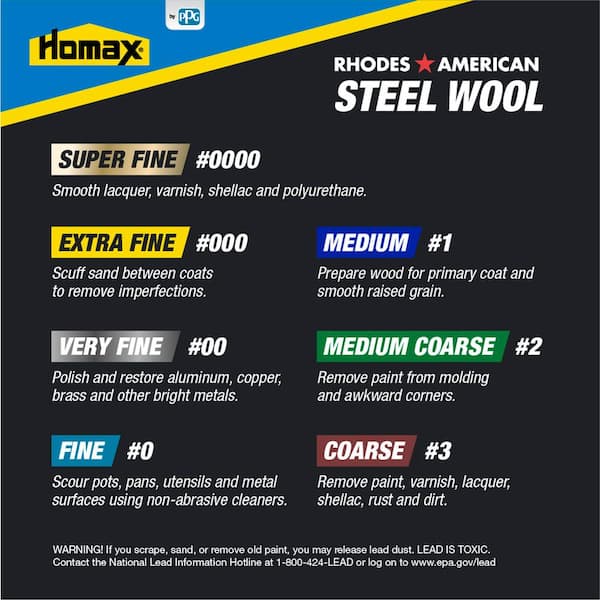
Once rust is loosened, physical removal restores smoothness and prepares the blade for finishing.
Use 0000 Steel Wool Correctly
- Grade 0000 is safest—fine enough not to scratch most finishes
- Dip in WD-40 or oil for lubricated scrubbing
- Use long, straight strokes—never circular motions
- Avoid the cutting edge to prevent dulling
✅ Works well on carbon steel and polished finishes
Scrub with a Scotch-Brite Pad
- Use green 3M pad (standard for military gear)
- Start with the softer side
- Moisten slightly to reduce abrasion
- Move in one direction for uniform finish
⚠️ Don’t press too hard—can leave swirl marks
Clean with a Rust Eraser
- Rubber block embedded with micro-abrasives
- Wet before use
- Rub over rust spots with light pressure
- Great for precision work near the handle
Brands like Su-Hero offer ~400–800 grit performance
Sand Progressively with Wet/Dry Paper
- Use 600–1000 grit to remove remaining rust
- Move to 1200–3000+ grit for polishing
- Always wet the paper with water or oil
- Sand in straight lines, flip sides evenly
🔧 Clamp the knife securely to avoid slipping
Cool the blade with water to prevent overheating
Try Advanced Rust Removal Methods
For neglected blades or collectibles, stronger techniques preserve metal integrity.
Run an Electrolysis Setup
- Removes rust without scraping or etching
- Ideal for antique knives or sentimental pieces
You’ll need:
– Plastic tub
– Battery charger (6–12V)
– Washing soda (electrolyte)
– Rebar or scrap steel (sacrificial anode)
Steps:
1. Fill tub with water + 1 tbsp washing soda per quart
2. Submerge blade (connect to negative terminal)
3. Submerge rebar (connect to positive terminal)
4. Turn on charger—bubbles mean it’s working
5. Let run 2–6 hours
6. Remove, scrub lightly, rinse, dry, oil
🛡️ No metal loss—only rust transfers to anode
Use Muriatic Acid with Extreme Caution
- For severely corroded or buried blades
- Only use on stainless steel—destroys carbon steel patina
Safety gear required:
– Gloves
– Goggles
– Respirator
– Outdoor or ventilated area
Process:
1. Dilute acid per instructions
2. Dip blade for 10–60 seconds
3. Watch closely—steel starts to etch fast
4. Neutralize with baking soda bath
5. Rinse thoroughly and oil
⚠️ Not beginner-friendly—risk of over-etching or injury
Boil to Loosen Rust Crust
- Place blade in distilled water
- Boil for 10–20 minutes
- Rust softens and flakes off
Follow with scrubbing and oiling
Doesn’t dissolve rust—only prepares it for removal
Protect the Handle and Fittings
Don’t forget non-blade parts during cleaning.
Clean Brass Guards and Bolsters
- Scrub with vinegar + salt paste
- Rinse and dry
- Polish with 1500–2000 grit paper or cloth + jeweler’s rouge
Avoid harsh abrasives that wear down engraved details
Care for Wood, Bone, or Micarta Handles
- Keep dry during blade cleaning
- Wipe with damp cloth, not submerged
- Dry immediately
- Condition wood with linseed oil or beeswax
Never soak—can crack, warp, or loosen scales
Finish and Polish Like a Pro

After rust removal, refine the blade for looks and protection.
Refine the Surface Gradually
- Start at 600 grit, go to 1200 → 2000 → 3000
- Use long, straight strokes
- Maintain consistent pressure
Goal: Remove scratch marks from earlier steps
Polish to Satin or Mirror Finish
- Use jeweler’s rouge on a buffing wheel or cloth
- For hand polishing: chamois cloth + chrome polish
- Achieve kasumi-style finish with stone slurry (see below)
Make Your Own Stone Slurry
- Crush used sharpening stones (220, 700, 3000 grit)
- Mix with water into a paste
- Apply with damp cloth in straight lines
- Start with fine grit, work down only if needed
✅ Reusable and precise
Used by professionals for high-end restoration
Sharpen After Cleaning
Even if the edge looks intact, rust affects performance.
Use a Whetstone for Best Results
- Choose angle: 15–22° for hunting knives
- Start with coarse stone (200–800 grit) if bevel is damaged
- Move to fine stone (3000–8000 grit) for sharpness
- Finish with leather strop + honing compound
Keep stone wet (water or oil) depending on type
Field Sharpen with Outdoor Edge Edge-X Pro
- Compact: 1.6 × 3.9 × 0.7 in, weighs 1.2 oz
- Features:
- Carbide bits (22° preset)
- Ceramic rods
- Diamond rod for serrations
- Hook sharpener
- Perfect for on-the-go touch-ups
Keep in your pack after cleaning to maintain edge
Prevent Rust from Returning
The best way to handle rust is to stop it before it starts.
Dry and Oil After Every Use
- Wipe blade immediately after use
- Dry with a lint-free cloth
- Apply thin coat of oil:
- Mineral oil (safe for food contact)
- Gun oil (long-lasting)
- Smith’s Premium Oil or Tuf-Glide (blade-specific)
One drop wiped thin beats a thick coat
Store in a Dry Place
- Avoid damp basements or humid garages
- Use silica gel packs in storage boxes
- Add a dehumidifier if storing long-term
Choose the Right Sheath
- Leather retains moisture—bad in wet climates
- Use Kydex or plastic sheaths for damp conditions
- Remove knife periodically to inspect and re-oil
Maintain a Rust-Free Routine
Make care part of your habit.
Inspect Monthly
- Check for early oxidation (gray spots)
- Reapply oil even if blade looks clean
- Look at hidden areas: near the handle, spine, pivot
Clean After Every Hunt
- Wipe off blood, sap, sweat
- Wash with mild soap and water if needed
- Dry and oil before returning to sheath
🔄 Rule of thumb: If it got wet, it needs oil
Know the Limits of Restoration
Some damage can’t be undone.
Pits and Dents Stay Forever
- Rust removal exposes lost metal
- Deep pits can’t be filled—only smoothed
- Focus on stopping active corrosion, not perfection
Original Finish May Be Gone
- Sanding and polishing alter factory look
- Decide: Preserve history or restore function?
A well-loved knife earns character with age
Final Tips for Long Knife Life
- Never leave a wet knife—even stainless steel rusts
- Avoid dishwashers—harsh detergents strip oil and corrode steel
- Rotate stored knives—use and inspect regularly
- Embrace patina—a dark layer on carbon steel protects against rust
“A knife is like an old truck—it gains value with age and use.”
Keep it clean, sharp, and protected, and it’ll serve you for decades.
Bottom Line: You can revive almost any rusty hunting knife with patience and the right method. Start gentle—with vinegar, baking soda, or WD-40—and escalate only if needed. Once clean, oil, store, and inspect regularly to prevent future damage. Your knife isn’t just a tool—it’s a story. Protect it.


0 Comments