Sore, wet, or blistered feet can end a hunt before it even begins. The right hunting boots don’t just protect your feet—they extend your range, improve your stealth, and keep you in the field when conditions turn brutal. With so many options on the market—from lightweight stalkers to heavy-duty pac boots—it’s easy to feel overwhelmed. But the secret to success is simple: match your boot to your hunt.
This guide breaks down exactly how to choose hunting boots based on terrain, season, insulation, weight, and fit—using real-world insights from top brands like Schnee’s, Magellan, Crispi, and others. You’ll learn which features actually matter, avoid costly mistakes (like cotton socks or wrong sizing), and walk away knowing which boot style fits your next adventure—whether you’re glassing elk at dawn or wading through flooded timber after feral hogs.
Let’s dive into the field-ready details.
Match Boots to Terrain and Environment

Your hunting ground dictates your footwear. No single boot works everywhere. Choosing the wrong one means fatigue, instability, or worse—cutting your hunt short.
Rugged Mountain Hunting Needs Stiff Support
If you’re scrambling over rocks and sidehilling in steep terrain, stiff, high-cut boots are non-negotiable. They reduce ankle roll, minimize lower-leg fatigue, and protect against scree and roots.
- Look for: Rigid shanks, aggressive outsoles (like Vibram Tsavo), 9–10+ inch shafts.
- Top picks: Schnee’s Granite II, Lowa Tibet GTX.
- Why it matters: A flexible boot flexes with the terrain—not your ankle. On sidehills, that leads to strain and injury over time.
Pro tip: Many hunters size up slightly in mountain boots to accommodate thick merino socks and foot swelling at elevation.
Flat or Forested Terrain Favors Lightweight Flexibility
Walking miles through hardwoods or farm fields? You want lightweight, flexible boots that feel like trail runners.
- Best for: Early season, long-distance still-hunting, high-mobility strategies.
- Features: Soft midsoles, breathable uppers, low to mid-cut height.
- Top picks: Scarpa Zodiak GTX Plus, Prowl Boot, Crispi Lapponia III.
These boots let you move fast and quietly, with minimal break-in. Just don’t expect them to handle deep snow or rocky ridgelines.
Wet or Swampy Ground Requires Knee-High Protection
Hunting feral pigs in Louisiana or waterfowl in flooded timber? Standard hiking boots won’t cut it.
- You need: Knee-high rubber or neoprene pac boots.
- Key features: Waterproof construction, mud-shedding treads, insulation options.
- Top picks: Schnee’s Hunter II Pac Boot, Magellan Swamp King Pro.
These boots keep water out during creek crossings and prevent debris from entering. The vulcanized rubber bottoms resist punctures and offer solid grip on slippery surfaces.
Snake-Prone Areas Demand Reinforced Uppers
In Texas, Oklahoma, or the Southeast, venomous snakes are a real threat. Standard boots offer zero protection.
- Choose: Snake-resistant boots with Kevlar or tightly woven materials in the lower shaft.
- Best model: Magellan Snake Shield—light enough for hiking, tough enough to stop fang penetration.
- Don’t assume: Camo or price tag equals snake protection. Only verified snake-resistant models deliver.
Pick the Right Boot for the Season
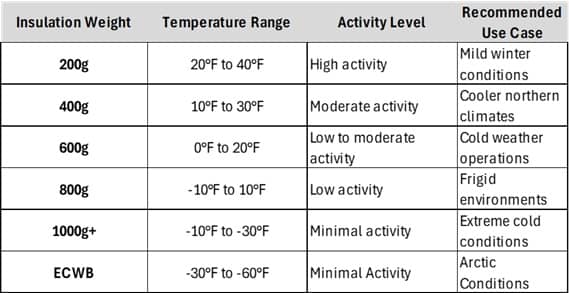
Hunting in July isn’t the same as hunting in December. Your boot must adapt—or you’ll suffer.
Early Season: Prioritize Breathability and Light Weight
Temperatures rise, and activity levels soar during archery season. Sweaty feet lead to blisters fast.
Choose Non-Waterproof, Lightweight Models
- Why: Waterproof membranes trap heat and sweat—great in snow, terrible in heat.
- Ideal boots: Athletic-style, non-insulated, breathable synthetics.
- Top picks: Scarpa Zodiak GTX Plus, Maverick Boot.
Fact: Even “breathable” waterproof boots (like those with OutDry or HYDRAFUSE™) still limit airflow. In 80°F+ conditions, non-waterproof wins.
Avoid Insulation Unless Needed
- Skip 200g+ insulation in early season. It’s overkill and increases sweat buildup.
- Better strategy: Wear moisture-wicking merino wool socks and ventilate your feet during breaks.
Mid-Season: Balance Waterproofing and Insulation
Fall brings rain, mud, and dropping temps. You need protection without overheating.
Go Waterproof, But Keep Insulation Minimal
- Best choice: Mid-height, waterproof hiking boots with 200g–400g insulation.
- Top models: Schnee’s Beartooth II (400g version), Crispi Lapponia III.
- Why: Keeps feet dry in wet leaves and morning frost, but not so warm you overheat during climbs.
Warning: Wet feet + cold air = trench foot risk. Once boots get soaked, warmth plummets fast.
Late Season: Maximize Warmth and Weatherproofing
Sub-zero mornings, deep snow, and long sits in a tree stand demand serious foot protection.
Choose Heavily Insulated, High-Cut Pac Boots
- Insulation: 400g–800g Thinsulate or Primaloft.
- Height: 10+ inches to block snow entry.
- Soles: Thick, insulated, with aggressive lugs for snow traction.
- Top picks: Schnee’s Hunter II Pac Boot (13–16 inch), Magellan Swamp King Pro.
Key insight: Many hunters prefer uninsulated boots with thick socks during active movement. But when standing still for hours, insulated boots are essential.
Understand Boot Stiffness and Support Levels
Stiffness affects comfort, fatigue, and safety—especially under load.
Use the Flex Rating to Guide Your Choice
GOHUNT’s 1–5 stiffness scale helps hunters compare models:
| Rating | Flex Level | Best For |
|---|---|---|
| 1 | Very flexible | Stalking, flat terrain |
| 3 | Moderate | General hunting |
| 5 | Very stiff | Mountain, heavy packs |
Soft Boots = Quiet, Fast, Less Supportive
- Pros: Lightweight, quiet on dry leaves, excellent ground feel.
- Cons: Poor ankle support, higher fatigue on uneven ground.
- Best use: Early season, short-range stalking.
- Models: Prowl Boot, Scarpa Zodiak.
Stiff Boots = Stable, Protective, Require Break-In
- Pros: Reduce strain on long hikes, protect from sharp rocks, prevent ankle rolls.
- Cons: Heavier, less flexible, need 3–5 short hikes to break in.
- Best use: Backcountry elk hunts, rocky terrain.
- Models: Schnee’s Granite II, Lowa Tibet GTX.
Expert note: Hunters with past ankle injuries should lean toward stiff boots—even if it means sacrificing some speed.
Don’t Ignore Boot Weight
Every ounce counts when you’re covering miles.
Lighter Boots Reduce Fatigue
- Rule of thumb: “One pound on your feet feels like five on your back.”
- Lightweight: < 3 lbs/pair — ideal for long hikes.
- Midweight: 3–4 lbs — balanced support and speed.
- Heavy: > 4 lbs — maximum durability and insulation.
Example: Schnee’s Timberline Saves 1 Pound Per Pair
That’s 10 extra pounds saved over a 20-mile trek—just from boots. Lighter models like the Timberline use hybrid uppers and EVA midsoles to cut weight without sacrificing durability.
Trade-off: Lighter boots wear out faster and offer less protection in extreme terrain.
Choose the Right Boot Height
Shaft length impacts support, warmth, and debris protection.
Low-Cut Boots Need Gaiters
- Pros: Lightweight, fast, flexible.
- Cons: No ankle support, lets in dirt, snow, and water.
- Only use with gaiters—otherwise, you’re risking injury and discomfort.
- Best for: Trail walking, warm weather, flat terrain.
Mid-Cut (6–8 Inches) = All-Around Balance
- Ideal for: Most general hunting scenarios.
- Offers: Moderate ankle support, debris protection, reasonable weight.
- Example: Schnee’s Beartooth II.
High-Cut (9–16 Inches) = Maximum Protection
- Best for: Deep snow, wet conditions, mountain hunts.
- Benefits: Blocks snow, keeps out mud and rocks, supports weak ankles.
- Options: Schnee’s Hunter II comes in 7, 10, 13, and 16-inch versions—customize by snow depth.
MeatEater crew preference: Nearly all pros choose high-cut boots for real-world reliability.
Know Your Boot Materials
Material choice affects durability, weight, and breathability.
Leather Uppers Last Longer
- Full-grain leather: Most durable, abrasion-resistant, molds to your foot.
- Nubuck leather: Sanded finish, more water-resistant than suede.
- Pros: Can be resoled, accepts wax/oil treatments, ages well.
- Cons: Heavier, needs break-in, less breathable.
Top brands: Schnee’s, Lowa, Crispi use premium leathers for long-term use.
Synthetic Uppers Are Light and Fast-Drying
- Materials: Polyester Oxford, STEELskin™, Desolve® Veil™.
- Pros: Lightweight, flexible, breathable, dries fast.
- Cons: Less durable, membranes degrade over time, can’t be re-waterproofed.
Best for: Early season, high-mobility hunts.
Trend: Many hunters rotate—synthetics in fall, leather in winter.
Hybrid Uppers Offer the Best of Both
- Combine: Leather toe caps + synthetic sides.
- Example: Element Boot (Nubuck upper with woven panels).
- Result: Durable where it matters, light and breathable elsewhere.
Outsole Tech: Grip That Keeps You Upright
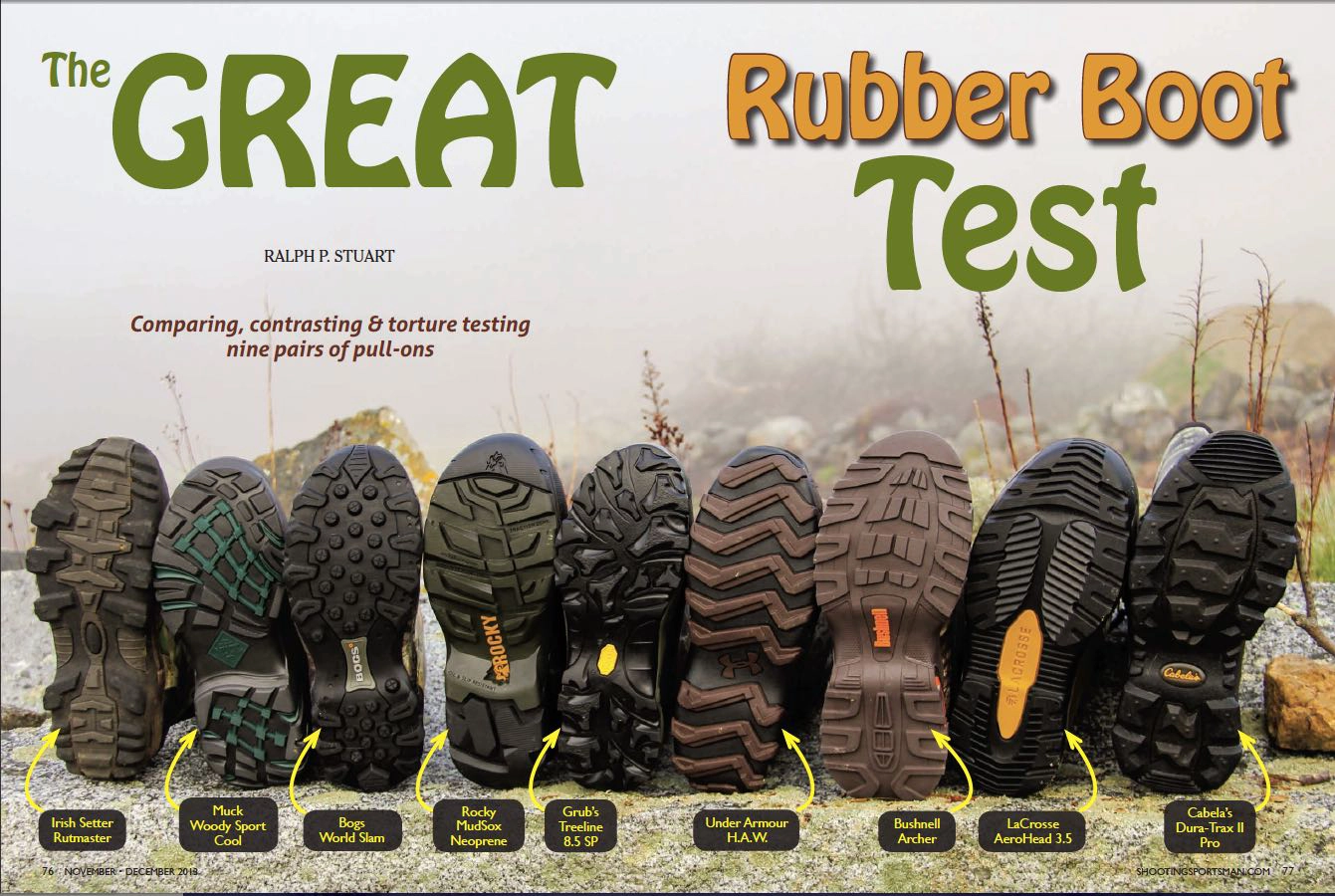
Slipping on a wet rock can end a hunt—or worse.
Vibram Rules the Mountain
- Why: Industry standard for grip, durability, and performance in wet/muddy conditions.
- Used in: Schnee’s Granite II (Tsavo sole), Crispi models.
- Benefit: Deep, widely spaced lugs resist clogging and shed mud fast.
Air Bob Sole Floats in Snow
- Found in: Schnee’s Hunter II Pac Boot.
- Design: Hollow chambers reduce weight and improve flotation in deep snow.
- Bonus: Self-cleaning tread pattern sheds slush and slurry.
Avoid Flat or Shallow Lugs
- Flat soles = zero traction on ice or mud.
- Look for: Aggressive, multi-directional lugs made of sticky rubber compounds.
Sizing and Fit: The #1 Mistake Hunters Make
Wrong fit = blisters, numb toes, or twisted ankles.
Size Up for Thick Socks and Cold Weather
- General rule: Go half to one size up from your street shoe.
- For cold boots: Add a full size—feet swell in cold, and thick socks take up space.
- Never buy tight boots expecting them to “stretch.” They won’t.
Test Fit With Field Socks
- Wear the socks you’ll hunt in during fitting.
- Check: Heel lock, toe room (½ inch clearance), no pressure points.
- Walk on incline to simulate downhill hiking (prevents toe jam).
Break In Before the Hunt
- Wear new boots on 3–5 short hikes.
- Address hot spots early with moleskin or aftermarket insoles.
- Stiff boots need 10–20 miles to fully mold.
Build a Smart Sock System
Your socks are as important as your boots.
Use a Two-Layer Merino Wool System
- Layer 1: Thin liner sock (synthetic or merino) to wick sweat.
- Layer 2: Thick cushion sock (70%+ merino wool) for warmth and padding.
- Why merino: Naturally wicks moisture, resists odor, regulates temperature.
Never Wear Cotton Socks
- Cotton absorbs moisture and stays wet—doubling blister risk.
- Even “blend” socks with cotton are risky in damp conditions.
Pro tip: Carry a dry pair of socks in a ziplock. Change mid-hunt if feet get wet.
Top Boot Picks by Use Case
Match your mission to the right model.
Best All-Around Boot: Schnee’s Beartooth II
- Waterproof, 400g insulation option, Vibram sole.
- Durable nubuck upper, mid-stiff flex.
- Trusted by professional guides and MeatEater team.
Best Mountain Boot: Schnee’s Granite II
- Stiff shank, aggressive Tsavo outsole, 200g Primaloft.
- Built for elk country and rocky ridgelines.
Best Early Season Boot: Scarpa Zodiak GTX Plus
- Lightweight, quiet, flexible.
- Great for stalkers and long archery hunts.
Best Late Season Boot: Magellan Swamp King Pro
- 800g insulation, zip-down shaft, Big Time Grip sole.
- Rated to -20°F with removable liner.
Best Pac Boot: Schnee’s Hunter II
- Rebuildable, multiple shaft heights, Air Bob sole.
- Lasts years with proper care.
Maintain Your Boots for Long Life
A $300 boot can last a decade with care.
Leather Care: Wax and Condition
- After every wet hunt: Clean, dry, apply beeswax or mink oil.
- Why: Restores water resistance and prevents cracking.
Synthetic Care: Mild Soap, No Heat
- Clean with lukewarm water and mild detergent.
- Never dry near a heater or in direct sun—melts adhesives.
Replace Insoles and Resole When Needed
- Insoles wear out first—replace every 300–500 miles.
- High-end boots (Schnee’s, Crispi) can be resoled—extends life by years.
Final Tips for Choosing the Right Hunting Boot
- Own multiple pairs: One for early season, one for late. Rotate and preserve.
- Test before you trust: Try boots on real terrain before the big hunt.
- Price is an investment: $200–$500 boots pay off in comfort, safety, and success.
- Noise matters: For stalking, choose quiet soles and soft uppers.
- There’s no universal best boot—only the best boot for your hunt.
Bottom Line: Your feet carry you to the moment of truth. Choose boots that match your terrain, season, and style. Prioritize support in the mountains, breathability in the heat, and warmth when the mercury drops. With the right pair—and the right socks—you’ll go farther, stay quieter, and come back with more than just tracks.
0 Comments