There’s nothing quite like the quiet crack of a .22 rifle echoing through the hardwoods—followed by the rustle of a squirrel tumbling from the canopy. But once you’ve made a clean harvest, the next challenge begins: how to carry squirrels while hunting without staining your gear, spoiling the meat, or attracting ticks. Whether you’re a weekend woodsman or a dedicated small-game hunter, your method of transporting harvested squirrels can make a big difference in meat quality, hygiene, and overall enjoyment.
From old-school stick stringers to high-tech game vests, hunters have perfected dozens of ways to keep squirrels secure, cool, and out of the way. The best method for you depends on weather, terrain, gear, and personal preference. This guide breaks down every proven technique used by seasoned squirrel hunters—from immediate field dressing to DIY stringers—so you can choose the right system for your next hunt.
Use a Game Vest with a Bloodproof Game Pouch
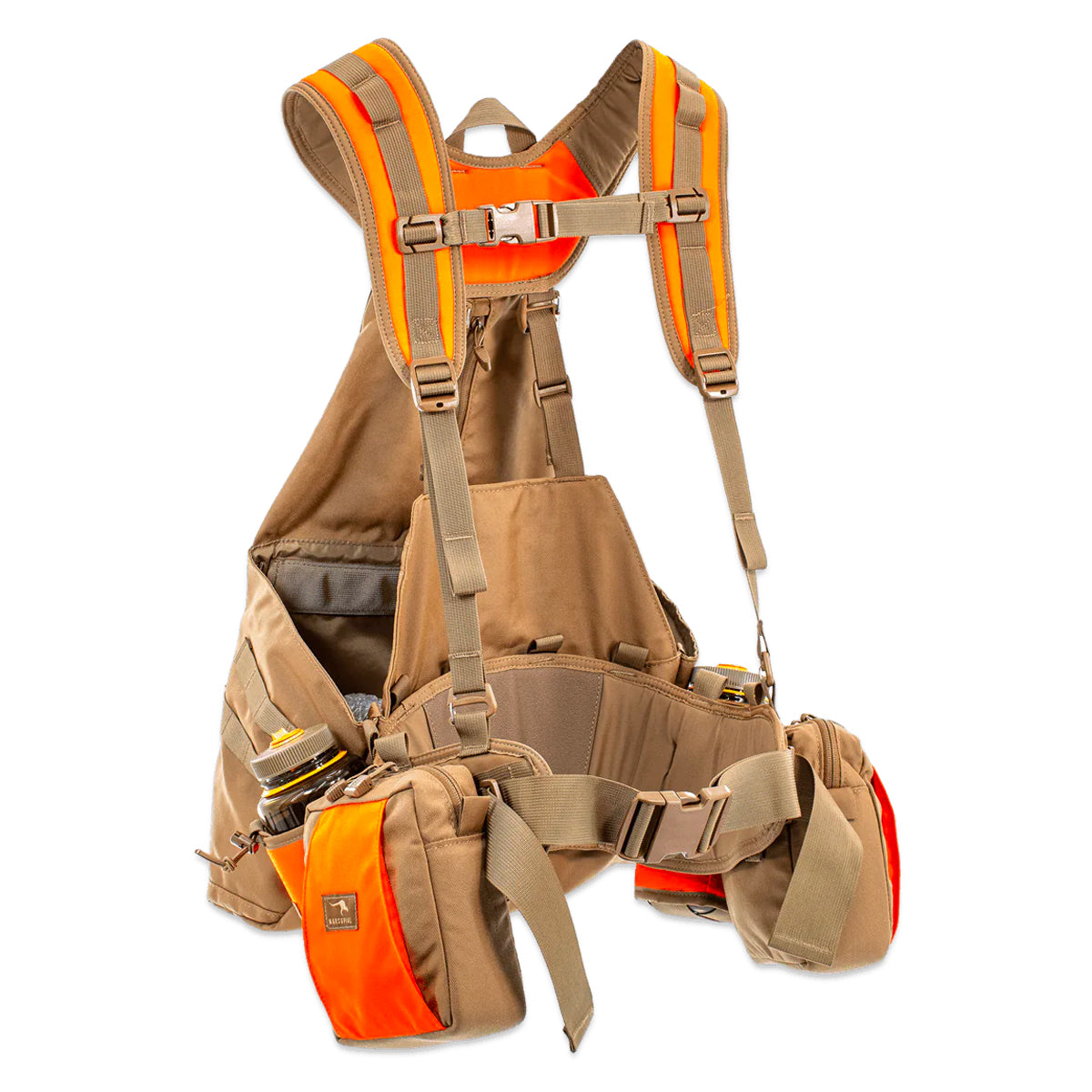
Choose a Ventilated Upland Vest for Maximum Function
A dedicated game vest is one of the most efficient ways to carry squirrels hands-free. Designed for upland bird and small-game hunters, these vests feature a lower-back game pouch—often lined with wipe-clean, bloodproof material—that keeps harvested squirrels contained and mess-free.
Look for models with mesh ventilation panels to stay cool in warm weather. If you hunt during deer season, opt for a blaze orange vest to stay visible and safe. Many hunters prefer upland vests even in non-deer seasons simply for their functionality.
“I use my upland game vest when squirrel hunting during deer muzzleloader season because it’s blaze orange.” — Rjratliff1975
Double-Bag to Prevent Leaks and Odor
Even with a bloodproof liner, always place each squirrel in a plastic grocery bag or ziplock before dropping it into the pouch. This double layer:
– Prevents blood and fluids from soaking into fabric
– Makes cleanup effortless
– Reduces odor and deters flies
For added protection, line the entire game pocket with a kitchen garbage bag—this can be swapped out mid-hunt if it gets too messy.
Load Smart: Avoid Overloading the Pouch
Larger game pouches, like those on turkey hunting vests, can hold 8–10 squirrels, making them ideal for high-yield hunts, especially when targeting larger fox squirrels. However, avoid overloading—too much weight can pull the vest down or cause squirrels to shift and leak. Keep the load balanced and bagged for a clean, comfortable carry.
“A lightweight upland vest with a full-wrap game pocket makes dealing with each squirrel quick and clean.” — TheLBLman
Field Dress Squirrels Immediately to Preserve Meat
Stop Spoilage Fast in Warm Weather
One of the most effective ways to carry squirrels is to process them right after harvest. Field dressing—removing fur, guts, and organs—halts bacterial growth, especially when temperatures rise above 50°F.
Hunters who skin and quarter their squirrels in the field report better meat quality and less mess at home. It also reduces bulk and eliminates the risk of internal organs spoiling during transport.
“Early season, when it’s hot, I clean them right away. Then I put them in a ziploc with ice.” — jethro224
Follow a 6-Step Field-Processing Routine
- Wear rubber gloves to avoid ticks and bacteria.
- Lay the squirrel on its back and make a shallow incision from chest to pelvis.
- Peel back the skin and remove all four legs.
- Pull out the internal organs—discard or save the heart and liver if desired.
- Rinse the cavity with water from a small bottle (optional).
- Cut into four meat quarters for compact storage.
Store Cleaned Meat in Sealed Bags with Ice
Place each quarter in a resealable plastic bag. For longer hunts in warm conditions, carry a small insulated cooler bag with ice packs. Even a few cold packs in your backpack can keep meat fresh for hours.
“I skin ’em, cut ’em up, and bag ’em right after they’re on the ground. No mess to take home.” — cooperve
⚠️ Safety Warning: Always unload your firearm and set it aside before processing. Accidental discharges during skinning are a real risk.
Carry Squirrels on a Stick Stringer (Classic Method)

Cut and Whittle a Green Stick for a Natural Stringer
The stick stringer, or “meat stick,” is a no-cost, time-tested method. All you need is a 6–12 inch hardwood stick—hickory, oak, or maple—with a forked end.
To use:
– Cut from a live tree (green wood is more flexible)
– Whittle one side of the fork to a sharp point
– Insert through the tendon above the hind foot
– Let the squirrel hang—its weight secures it
“I just cut a stick and put it through the back feet.” — Donnie Powell
Hang 5–8 Squirrels on One Stick
A single stick can carry 5 to 8 gray or fox squirrels. Balance the load so it doesn’t tilt. When resting, lay the stick across two limbs in the shade to keep meat cool and off the ground.
“I’ve had as many as 8 on one stick at one time.” — dutchmac
Try the Natural V-Crotch Fork Technique
Many hunters prefer using a branch with a natural “V” crotch:
– Leave one side long as a handle
– Whittle the other to a point
– Thread through the hind leg tendon
– Hang and go
This method is zero-waste, biodegradable, and requires no tools.
“Most of the time now, I find a limb with a ‘V’ crotch… whittle one half to a point… the other half is left as a handhold.” — Skychief
Attach Squirrels with a Large Safety Pin
Secure Squirrels to Your Belt with a Horse Blanket Pin
A 5–6 inch safety pin—like a horse blanket or laundry pin—is a minimalist, reusable way to carry squirrels.
Attach it to a belt loop with paracord so it doesn’t get lost. Then:
– Open the pin
– Hook it through the heel or hind leg tendon
– Let the squirrel hang
The weight keeps it secure, and you can carry several this way.
“I use a big horse blanket safety pin tied to my belt.” — SARGE
Add a Paracord Handle for Better Control
If squirrels start swinging or dragging, tie a T-handle to the pin with paracord. This keeps the meat off the ground and gives you better control. Some hunters even clip the pin to their backpack for hands-free carry.
“I made myself a ‘stringer’ with a huge safety pin and some paracord.” — Kiteman72
⚠️ Caution: Blood can drip and stain pants or boots. Always carry a plastic bag to wrap the squirrel later.
String Squirrels with Paracord and Slip Knots
Create a DIY Paracord Stringer in Seconds
If you already carry 550 paracord, turn it into a squirrel stringer with just a few knots.
Steps:
1. Tie 3–5 slip knots along a 3–4 foot length of cord
2. Attach one end to your belt, pack, or waders with a carabiner
3. Feed each squirrel’s hind leg into a knot and tighten
The slip knot cinches tight under the squirrel’s weight—no untying needed.
“I usually just use slip knots in para cord. If it starts getting heavy, I tie a T-handle to it.” — scootch
Upgrade for Heavy Loads with a T-Handle
For 6+ squirrels, add a T-shaped handle at the top. You can also:
– Attach the stringer to waders (less concern about stains)
– Combine with a safety pin as an anchor
– Coil and stow when not in use
This method is lightweight, durable, and perfect for versatile hunters.
Build a Permanent Homemade Squirrel Stringer

Assemble a Dowel-and-Swivel Carrier in Minutes
Create a reusable, high-capacity stringer with simple hardware:
Materials:
– 6” hardwood dowel (poplar, oak, or lemon wood)
– #12 x 1 3/16” eyelet screw
– #5 snap swivel
– Chain fishing stringer
Steps:
1. Cut dowel to 6 inches and sand smooth
2. Screw eyelet into the center
3. Attach snap swivel to the eyelet
4. Thread one end of the fishing chain through the swivel and reattach
Now you can clip squirrels directly onto the chain.
“The #5 snap holds about five grays before bending. For 8 squirrels, I hook the big snap straight through the eyelet.” — Article 7
Customize with Wood-Burning or Sealing
Personalize your stringer:
– Wood-burn your name or hunting date
– Use lemon wood for durability and scent
– Paint or seal for weather resistance
“I’m turning a piece of lemon wood on my lathe to make a fancy one.” — lovesmausers
Ideal for meeting daily bag limits (e.g., 8 in North Carolina).
Carry Squirrels in a Mesh Game Bag
Use a Breathable Shoulder Bag for Warm Weather
Mesh game bags allow airflow and drainage, reducing spoilage and odor. Look for models with:
– Shoulder straps for hands-free carry
– Drawstring or zip closure
– Reinforced stitching for heavy loads
Hang the bag from a tree limb during breaks to keep meat cool and off the ground.
“I’ve used a game bag with a shoulder strap—it’s lightweight and keeps squirrels protected from bugs.” — Member1
Best for Long Hunts and High Heat
Because mesh promotes cooling, it’s ideal when temperatures are above 45°F. Pair with plastic liners inside each time you add a squirrel to control fluids.
Some use collapsible game baskets or modified laundry baskets for high-volume transport.
“A sturdy hunting tote with double straps works great… easy to hang from a car rack.” — Member2
Pack Squirrels in a Backpack with Plastic Liners
Prevent Stains with Double Containment
Backpacks, military pouches, or reinforced canvas totes are excellent multi-use carriers. To protect your gear:
– Line the compartment with a plastic grocery bag
– Place each squirrel in a ziplock or dog waste bag
– Use separate pockets to isolate meat from gear
“I carry three or four rolled-up plastic bags. Kill a squirrel, and it goes in the bag first—cheap insurance.” — Article 4
Ideal for Cold Weather and Long Hikes
In cooler months, you can carry whole squirrels this way without field dressing. Popular options:
– U.S. Army field pouch
– Waterfowler’s blind bag
– Green military-style backpack
Just check local regulations—some states require visible game tagging.
Final Note: The best way to carry squirrels while hunting depends on your environment, gear, and personal style. Whether you go old-school with a stick stringer, go high-tech with a cooled game vest, or let your grandson do the work, the key is to keep meat clean, cool, and safe. Experiment with these field-tested methods to find your perfect system—and enjoy every successful hunt to the fullest.


0 Comments