If you’re tired of spending $300 or more on commercial coon hunting lights, building your own is a smarter, more customizable solution. With a DIY coon hunting light, you control the brightness, beam pattern, battery life, and stealth—especially when targeting raccoons that freeze under red light but bolt at the first flash of white. This guide walks you through constructing a powerful, multi-mode spotlight capable of over 1,000 feet of throw, featuring red and white spot beams, flood lighting for navigation, and an integrated walking light—all running on a rechargeable battery pack for 10+ hours of runtime. Whether you’re a seasoned hunter or a DIY electronics hobbyist, this build delivers professional-grade performance at a fraction of the cost.
Select High-Output LEDs for Spot, Flood, and Stealth

Use 1500-Lumen LEDs with Specialized Lenses
Your coon hunting light needs two distinct white light modes: a tight spot beam to illuminate raccoons at distances of 200–1,000 feet, and a wide flood beam for safe trail navigation. For both, use a high-output LED like the LEDSupply 1500-lumen model. Mount the spot LED behind a narrow reflector or spot lens to maximize beam distance and center intensity. For the flood function, use the same LED type but pair it with a wide-angle diffuser or flood lens to scatter light across the ground. This dual-LED setup lets you switch between long-range scanning and close-up visibility without carrying multiple lights.
Add a Red LED for Silent Scouting
Raccoons are far less likely to flee under red light, making it ideal for initial detection. Install a dedicated red LED module behind a spot lens to maintain beam focus and throw. This allows you to quietly scan tree lines and dens without spooking animals. Only switch to bright white light once the raccoon is treed and stationary. While some hunters prefer amber, red preserves your night vision better and causes less disturbance. Power this LED through its own driver channel but control it via a shared mode switch for seamless operation.
Integrate a Low-Power Walking Light
Don’t overlook ground illumination. A 5–10W auxiliary LED mounted in the battery pack or housing base can serve as a walking light, pointing downward to light your path. Run this light directly from the main battery via a separate on/off switch, bypassing the dimmer and mode selector so it stays on independently. Use a diffused or wide-angle lens to evenly spread light without glare. Since it draws minimal power, it extends usability while keeping your hands free and eyes focused ahead.
Choose Reliable Drivers and Infinite Dimming Control
Use Constant Current Drivers Per Channel
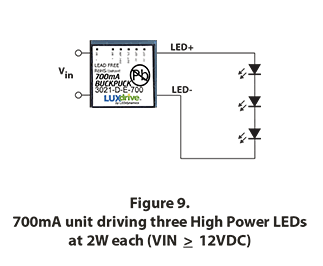
Stable power delivery is critical to LED performance and longevity. Avoid cheap drivers that flicker or overheat. The BuckPuck 700 is a top-tier choice—it delivers true constant current regulation up to 700mA, perfect for 10W-class LEDs. Use one driver for each LED channel (spot, flood, red) to ensure precise control and consistent brightness. While Micropuck drivers are compact, they aren’t guaranteed constant current and may degrade under heat. For reliable field use, stick with proven systems like BuckPuck, X-Drive, or FlexDrive.
Install a Potentiometer for Smooth Brightness Control
Stepped brightness settings aren’t ideal for hunting. Instead, wire a high-quality potentiometer (rheostat) into the driver’s modulation input for infinite dimming. This lets you start with a faint red glow to scan without startling animals, then gradually increase brightness when needed. Choose a heat-resistant, sealed potentiometer rated for continuous use—cheap models often fail after just a few nights. Mount the knob on the housing for easy access, and seal it with silicone O-rings to prevent moisture damage.
Select a Lightweight, Safe Battery Pack
Compare LiPo and NiMH for Runtime and Safety
Your battery choice impacts weight, runtime, and safety. LiPo packs (11.1V 3S or 14.8V 4S) are lightweight—around 1.4 lbs for 11,000mAh—and ideal for head-mounted use. However, they require overcharge/discharge protection and should always be stored in a fireproof LiPo bag. NiMH packs (21V, 10,000mAh) are heavier (~3.65 lbs) but safer, more stable, and better for beginners. They also handle temperature extremes better. For most hunters, LiPo is preferred—as long as you include a battery management system (BMS) and follow safety protocols.
Build a Custom 18650 Pack for Flexibility
For full control, assemble your battery pack from individual 18650 cells (3.7V, 2500–3500mAh). Wire them in series or parallel to meet your voltage and capacity needs. This modular approach lets you replace failed cells instead of the entire pack. Always use protected cells or add a PCB protection circuit to prevent short circuits, over-discharge, and thermal runaway. Charge with a smart balance charger and store batteries at 50% charge when not in use for more than a week.
Design a Rugged, Heat-Safe Housing
Use 3-Inch Aluminum Tubing for Strength and Cooling
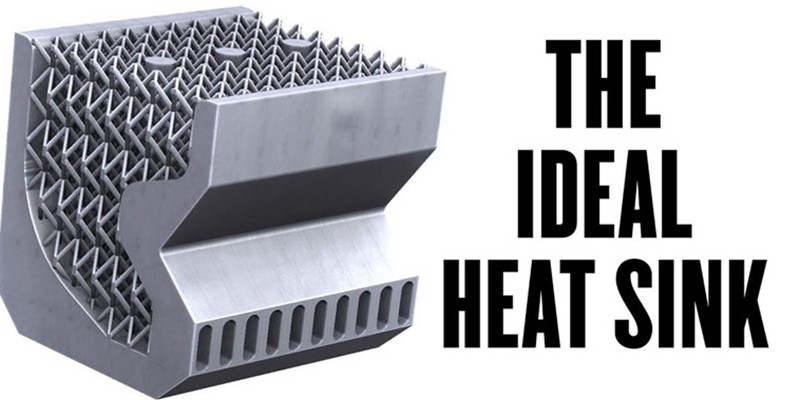
Construct the main housing from 3-inch diameter aluminum tubing with 0.5-inch thick walls. This provides structural strength, excellent heat dissipation, and space for internal components. The internal 2-inch diameter accommodates LED mounts, wiring, and reflectors. Cut the tube to 6–8 inches, depending on your layout. Seal the front with a Lexan (polycarbonate) lens for impact resistance and optical clarity, using an O-ring to keep out moisture. Attach an aluminum rear cap to close the unit and enhance heat transfer.
Maximize Heat Dissipation with Passive Cooling
High-power LEDs generate significant heat. Without proper cooling, brightness drops and LEDs can fail. The aluminum housing acts as a passive heatsink—its thick walls absorb and radiate heat. Add external fins or grooves to increase surface area and improve airflow. Apply high-quality thermal paste between the LED module and mounting surface to boost heat transfer. Avoid plastic enclosures—they trap heat and can melt. Test cooling performance with an infrared thermometer: after 10 minutes of full brightness, the LED base should stay below 85°C (190°F).
Enable Handheld and Head-Mounted Use
Your light should work both handheld and head-mounted. Balance the weight so the light doesn’t tilt when worn. Add a rubberized grip sleeve for comfort during handheld use. For cap or helmet mounting, install side brackets or a strap system compatible with standard hunting headgear. Keep the battery pack on a belt or in a backpack to reduce neck strain. Use padded straps and secure cables with Velcro or zip ties to prevent snagging.
Wire the System for Reliability and Control
Follow a Clean Power Distribution Layout
Wire the system in this order:
Battery → Main Power Switch → Drivers → Potentiometer → Mode Selector → LEDs
Use a 6-conductor silicone-insulated cable between the battery and light head. Conductors should include:
1. Positive (main power)
2. Negative (ground)
3. Spot LED control
4. Flood LED control
5. Red LED control
6. Walking light (optional)
Silicone wire is flexible, heat-resistant, and perfect for moving parts. Seal all connections with heat shrink tubing and electrical tape. Add strain relief clamps where wires enter the housing to prevent damage.
Wire the Walking Light for Independent Operation
The walking light should run independently of the main system. Connect it directly from the battery to a separate on/off switch, bypassing the dimmer and mode selector. Use 18-gauge wire and a low-current switch. Mount the LED in the battery pack housing, pointing downward. This ensures your path stays lit even when the spotlight is off.
Install a 3-Way Mode Switch for Instant Access
Use a 3-position rotary or toggle switch to select:
1. White Spot
2. White Flood
3. Red Light
Each position powers its corresponding LED through a dedicated driver. Ensure the switch is rated for at least 3 amps per channel. Label each mode clearly. Test each circuit before final assembly. Avoid momentary switches—you need instant, reliable access when a raccoon moves.
Optimize for Real-World Hunting Success
Start with Red, Then Switch to White
Use a two-stage lighting strategy:
1. Scan with red light to locate raccoons without alerting them.
2. Switch to white spot beam only after the animal is treed.
This prevents escape and maximizes eye-shine visibility. Use dimming to keep output low during scanning—many raccoons will watch a faint red glow, mistaking it for a distant light.
Balance Weight and Ergonomics for All-Night Comfort
Keep total weight under 4 lbs. Use a LiPo pack and mount it on your belt with a pouch. Connect it to the light head with a coiled or slack cord to reduce neck strain. Adjust strap tension for a secure, comfortable fit.
Maintain Your Light for Long-Term Reliability
After every hunt, clean the lens to prevent fogging and scratches. Inspect wires for cracks or corrosion. Check thermal paste annually—reapply if the LED runs hotter than usual. Store LiPo batteries at 50% charge to extend lifespan.
Follow Legal and Ethical Hunting Practices
Check your state’s hunting regulations—some restrict artificial light use. Never shine lights into private property. Avoid excessive beam use in populated areas. For stationary setups, consider timers or motion sensors to reduce light pollution.
Building your own coon hunting light gives you unmatched control, performance, and value. Focus on thermal management, battery safety, and smooth dimming to ensure reliability. Start with a single-LED prototype to test your wiring and drivers, then scale up to the full multi-mode system. With this guide, you’ll have a rugged, long-range spotlight ready for your next night hunt—built by you, tailored to your needs.


0 Comments