Chasing eastern coyotes isn’t just hunting—it’s a tactical game of wits, timing, and terrain mastery. Larger, smarter, and more elusive than their western cousins, Canis latrans var. dominate diverse landscapes across the Northeast and Mid-Atlantic, from dense hardwoods to suburban backyards. With rising hunting pressure and increasing wariness, these animals demand more than random calling and hope. To consistently put a coyote down, you need a system.
These eastern coyote hunting tips are field-tested, season-proven, and built on decades of predator calling experience. From satellite scouting and scent discipline to aggressive calling sequences and post-hunt tracking, this guide breaks down exactly what works—right now. Whether you’re managing a nuisance animal near livestock or pursuing a trophy-sized alpha in deep woods, these strategies will increase your odds and sharpen your edge.
Let’s get to work.
Target High-Traffic Terrain Using Satellite Intelligence
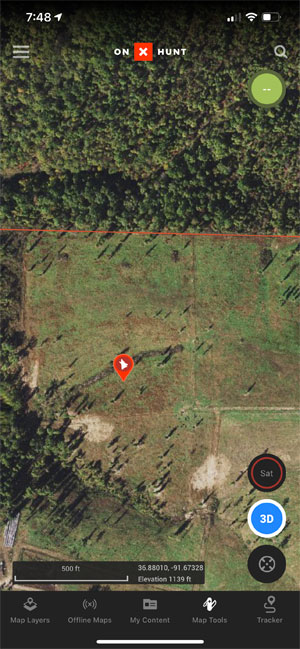
The best eastern coyote hunts start long before dawn—with your phone or computer. Success begins with smart location selection, and nothing beats Google Maps satellite view for identifying high-probability zones.
Look for these terrain features:
– Swamps or thickets bordering open fields—prime bedding and denning areas.
– Narrow valleys (“hollers”)—natural travel funnels between feeding and resting zones.
– Field edges near woods and water—nightly movement corridors.
– Farms with livestock, especially those leaving carcasses exposed in winter.
Zoom in on elevated homes or barns. Eastern coyotes often approach from low, timbered ground toward open pastures, using terrain for cover. These transition zones are gold.
Pro Tip: Mark 3–5 calling spots per property and rotate weekly. Overusing one setup educates local packs and kills future opportunities.
Confirm Bedding and Den Activity with Night Howling
Eastern coyotes use multiple bedding sites year-round—dense brush, overgrown fence rows, or remote swamps. Unlike dens (active April–June), beds are used constantly, making them prime calling targets.
To verify use, scout at night using an electronic howler or human howl. Immediate or aggressive responses signal you’re near a core area. Avoid calling directly in bedding zones—set up 100–200 yards downwind and use soft calls to draw them out.
Set Up Bait Zones That Build Scent Over Time
Natural food sources are your best allies. Smart baiting doesn’t mean fresh meat—it means long-term scent accumulation.
Use Frozen Gut Buckets
Fill a 5-gallon bucket with deer or livestock entrails and water. Freeze it solid, then place it in a field corner near forest edge. The slow thaw releases scent for weeks, drawing curious and territorial coyotes.
Warning: Never call near a fresh kill. A well-fed coyote ignores distress sounds.
Leverage Farmer Carcass Zones
Many farmers drag dead livestock into the woods during winter when the ground is frozen. These sites become long-term feeding hubs. Even after consumption, bone fragments and residual scent keep coyotes returning.
Set up 150–200 yards downwind, use soft prey distress calls, and stay patient. These educated animals often approach cautiously.
Hunt When Eastern Coyotes Are Most Active

Timing is everything. Eastern coyotes follow seasonal rhythms driven by food, weather, and reproduction.
Focus on Morning Hunts Before 10:00 AM
Your best chance is early morning, ideally between first light and 10:00 a.m.
Why?
– Coyotes return from nocturnal foraging.
– They’re alert but not yet pressured by daytime traffic.
– Visibility is optimal—soft light, no glare.
Make your first stand of the day your highest-priority setup. Fatigue and reduced movement later in the day make afternoon hunts less productive.
Try Night Hunting Under Ideal Conditions
Night hunting can be devastating—when done legally and safely.
Best conditions:
– Full moon
– Snow cover (tracks visible, sound carries)
– Low human activity
Use a red LED light—invisible to coyotes but clear to your eyes. Pair with an electronic caller and decoy for maximum effect.
Note: Always check local laws. Night hunting is restricted or prohibited in many states.
Know the Seasonal Windows
Each season offers distinct advantages.
Winter (Dec–Feb): Scavenger Mode
- Frozen ground means unburied livestock carcasses.
- Tracks in snow reveal travel routes.
- Increased hunger = higher response rates.
This is prime time for bait-assisted calling and tracking.
Spring/Summer (May–July): Den-Centric Movement
Pups demand constant feeding. Adults hunt around the clock—even in daylight.
Key tactics:
– Call near active den sites.
– Use pup distress or intruder coyote calls.
– Expect movement at dawn, dusk, and even midday.
Fall (October): Peak Aggression
Many experts consider October the best month to hunt eastern coyotes.
Why?
– Cooler temps improve hunter endurance.
– Bright foliage provides contrast for spotting.
– Coyotes are establishing territories and reacting aggressively.
Start with 3–4 house calls, then switch to frantic distress (e.g., FoxPro Pump Stress #3). Responses often come within 75 seconds—fast and bold.
Master Wind Direction and Eliminate Human Scent
If you remember one thing: wind kills more hunts than missed shots.
Eastern coyotes almost always circle downwind to catch your scent before approaching. If they smell you, they vanish.
Always Hunt Upwind—No Exceptions
Approach your stand with the wind blowing into your face. Be willing to walk half a mile out of your way to stay undetected. Position open fields or clear zones downwind so you can see circling animals.
Fact: Human scent can alert coyotes from 300+ yards downwind.
Use Natural and Artificial Concealment
Even slight movement or silhouette gives you away.
- Set up behind brush piles, logs, or terrain folds.
- Avoid skyline positions.
- Wear full camouflage, including face and hands.
In open areas, a tree stand reduces ground scent and improves visibility. Elevation also helps you spot circling coyotes before they see you.
Place Callers Away From Your Position
Use electronic callers placed 20–40 yards from your stand.
Benefits:
– Sound comes from a different location than your scent.
– Allows you to focus on scanning and shooting.
– Enables decoy placement near the sound source.
Use Calling Sequences That Trigger Real Responses
Calling isn’t noise—it’s psychology.
Start Soft, Then Escalate
Follow this sequence:
1. Lone howl (female invitational) – suggests social activity.
2. Soft prey distress (mouse, rabbit) – piques curiosity.
3. High-pitched, frantic distress – triggers feeding instinct.
Wait 30–45 seconds between sequences. Total set: 12–15 minutes.
Try the October Aggression Setup
When territorial tension peaks:
1. Play 3–4 house calls (sharp yips).
2. Immediately switch to aggressive distress (e.g., FoxPro Pump Stress #3).
3. Expect fast, direct approaches—sometimes within 50 feet.
Pro Insight: Eastern coyotes in fall often respond faster and more boldly than any other time.
Choose the Right Electronic Caller
Mouth calls fail under pressure. Electronic callers win.
Top performers:
– FoxPro CS24 – excellent for scouting and night use.
– FoxPro Pump Stress Number Three – top-tier for aggressive responses.
– PredatorGTS5 – durable, long-range, customizable.
Avoid overused factory presets. Mix and match sounds to stay ahead of call-shy coyotes.
Deploy Decoys That Tell a Convincing Story

A decoy turns sound into a believable threat or meal.
Pick the Right Decoy for the Situation
- Prey decoy (rabbit, squirrel) – triggers feeding response.
- Coyote decoy (lone female or intruder) – provokes territorial aggression.
Attach the decoy to the caller unit so attention focuses away from you.
Position for Maximum Effect
Place decoy:
– Downwind of expected approach.
– In clear line of sight.
– 25–35 yards from your shooting position.
Add motion:
– Use motorized tail wags or spinner wings in open fields.
– Motion grabs attention at long range.
Warning: Avoid decoys in high-traffic pet areas—safety first.
Track and Analyze After Every Hunt
Smart hunters treat every set as intelligence gathering.
Back-Track Responders
After a call—successful or not—follow coyote tracks.
Look for:
– Where they came from (bed, den, trail).
– How they approached (direct vs. wide circle).
– Signs of feeding or resting before arrival.
Tracking a mile or more reveals patterns you can exploit next time.
Scout at Night with Howls
Before committing to a daytime stand, howl at night.
Use:
– Human howl
– Electronic howler
Listen for responses. A coyote that answers tonight will likely be within 1–2 miles at dawn.
Pro Move: Record response direction and distance. Mark it on your map.
Optimize Firearms and Shooting Tactics
One clean shot ends the hunt. Make it count.
Choose the Right Rifle and Ammo
Stick with repeating rifles for follow-up shots.
Best caliber:
– .223 Remington with 55-grain soft-point bullets
Why?
– Flat trajectory
– Adequate expansion at 200 yards
– Low recoil for quick recovery
Pair with a 3–9x scope for target ID and precision.
Use Red LED for Night Shooting
Forget infrared unless you have night vision.
Instead:
– Use a red LED light mounted on your rifle.
– Red light is invisible to coyotes but visible to you.
Avoid white lights—they spook animals instantly.
Aim for Vital Zones
Two shot placements work best:
– Head/shoulder junction – instant drop.
– Heart/lung zone – high kill probability.
Wait for full exposure. Never shoot through brush.
In aggressive October setups, coyotes may come within 50–60 feet. Stay ready.
Always Use a Safe Backstop
Safety isn’t optional.
Ensure:
– No livestock, homes, or roads behind your target.
– Bullet won’t over-penetrate or ricochet.
– You’re compliant with local shooting distance laws.
Stay Persistent—Success Favors the Stubborn
Here’s the truth: you will fail—often.
- It’s normal to run 40–50 unsuccessful sets per coyote taken.
- Most hunters quit after 5–10 tries.
- The ones who win? They keep going.
Build Mental Toughness
Eastern coyote hunting demands:
– Early mornings
– Long walks
– Repeated rejection
But every failed set teaches you something.
Truth: Dedication beats talent. Volume beats luck.
Make More Sets Than Anyone Else
This isn’t a high-volume game—but volume increases odds.
Set goals:
– 3–5 stands per weekend
– Rotate locations weekly
– Log wind, time, calls used, and results
The hunter who “sticks with it” wins.
Final Note: Eastern coyote hunting is a war of attrition fought with brains, gear, and grit. Use satellite maps to find hot zones, time your hunts for October mornings or full-moon nights, master wind discipline, and deploy aggressive calling sequences with decoys. Pair hunting with trapping when needed, prioritize safety, and above all—stay relentless. With these eastern coyote hunting tips, you’re not just chasing animals. You’re outsmarting them.


0 Comments