You’ve probably heard the old hunter’s saying: “If the wind blows, the deer won’t go.” For decades, this belief has kept countless hunters cooped up at home, sipping coffee while waiting for calm, “perfect” conditions. But what if that advice is not just outdated — but completely backward? Deer hunting on windy days might actually be one of your best chances to tag a mature buck, especially during the pre-rut and rut phases.
Contrary to myth, moderate to high winds often trigger increased daytime movement in bucks, not less. Groundbreaking research from Penn State University shows that bucks travel over twice as far in 16–27 mph winds compared to calm days. While does tend to hunker down, bucks take advantage of the noise and scent dispersal to cruise for does, check scrapes, and challenge rivals — often in full daylight.
That means when most hunters stay home, you could be the only one in the woods when the biggest bucks are on the move. This isn’t about enduring bad weather — it’s about using wind to your tactical advantage. With the right strategy, a blustery forecast becomes a green light.
Here’s how to turn windy days into your most productive hunts.
Buck Movement Peaks in Wind

Bucks Move More in High Winds
Forget everything you thought you knew about deer behavior in the wind. GPS-collared deer studies from Penn State reveal a clear pattern: buck movement increases significantly as wind speeds rise. Between 16 and 27 mph, bucks travel an average of 213 feet per hour — more than double their movement in calm conditions.
Even in 45–50 mph gusts, mature bucks have been observed chasing, fighting, and cruising during the rut. The breeding urge overrides nearly all environmental discomfort. Does, however, show little change in daytime activity and may actually reduce nighttime movement, likely to avoid predators in low-visibility, high-noise conditions.
Why the difference? Bucks are risk-takers when the rut is on. Wind helps them cover ground quietly and detect does from greater distances. With fewer hunters in the woods, they feel bolder. That’s why winds of 15–25 mph are prime time for mature buck activity — and why you should be in your stand when the gusts hit.
Does Stay Put, Bucks Cruise
If you’re targeting does, wait for calmer days. But if you’re after a trophy buck, windy days are golden opportunities. Does prioritize safety and energy conservation, especially if they have fawns. They’ll bed down in thick cover and minimize travel.
Bucks, on the other hand, use the wind to their advantage. The constant noise masks their footsteps. The airflow carries scent farther, helping them detect receptive does. And with fewer human threats in the woods, they move with less caution.
Shift your focus from food plots to buck sign zones — active rub lines, fresh scrapes, and travel corridors between bedding areas and doe concentrations. These are where you’ll find cruising bucks when the wind is howling.
Why Wind Increases Deer Activity
Wind Enhances Scent Detection
Deer rely on their sense of smell above all else — and wind gives them better, more consistent scent information. While gusts can scatter plumes, they also prevent scent from pooling or dropping in dead air. This creates a reliable, far-reaching signal that bucks can follow with confidence.
A buck can detect a hot doe over a mile away on a steady windy day. That’s why he’s more likely to move during daylight — he knows he’ll smell danger before it gets close.
Noise Masks Predator and Prey Sounds
Rustling leaves, creaking branches, and howling wind create a natural sound barrier. Deer know they can’t hear predators well — but they also know predators can’t hear them. This “acoustic cover” makes bucks more willing to travel, especially during daylight hours.
For hunters, this means perfect conditions for still hunting or repositioning. One successful hunter put it best: “It’s the perfect time to stalk — the woods are loud, and you blend right in.”
Cold Winds Drive Thermal Movement
Wind chill increases calorie burn. To stay warm, deer may move to feed or shift between thermal cover zones. In early season or late fall, cold fronts with strong winds often trigger feeding activity before or after the storm.
Bucks may also move to sheltered south-facing slopes or dense conifer stands to escape the wind and conserve energy — perfect ambush points for alert hunters.
Fewer Hunters = More Deer
Here’s the biggest edge: 90% of hunters don’t go out in high winds. That means less pressure, fewer human scents, and quieter woods. Deer sense this. With fewer threats, they feel safer moving during daylight.
As one hunter said: “When the wind blows, I go. I’ve got the whole section to myself — and the deer are walking.”
Hunt Sheltered Travel Zones
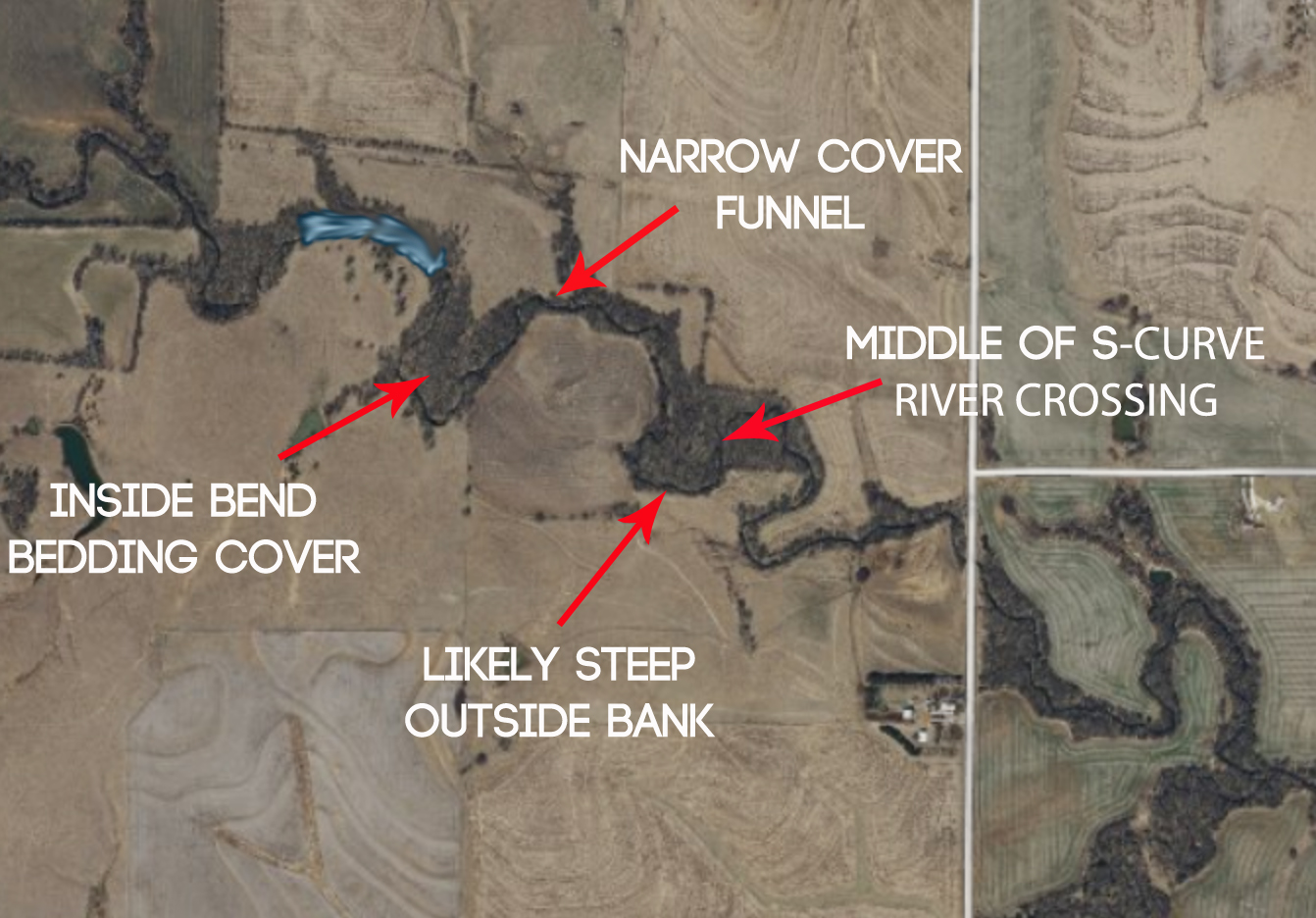
Target Creek Bottoms and Hollows
Deer avoid exposed ridges in high winds. Instead, they use natural windbreaks like creek beds, ravines, and low-lying hollows. These areas are calmer, quieter, and offer quick escape routes.
Set up stands or blinds along the leeward side of ridges — the side sheltered from the prevailing wind. Look for trails that dip into draws or follow timber edges.
Use Dense Thickets and Conifers
Evergreens and thickets act as windbreaks. Deer bed and travel through these areas to avoid gusts. Focus on cedar stands, pine plantations, and overgrown fencerows.
Avoid open fields and flat timber unless you’re still hunting. Wind whips across these areas, making deer nervous and hyper-vigilant.
Avoid Exposed Ridges and Field Edges
While ridges are great on calm days, they become danger zones in high winds. Not only are they exposed, but falling limbs (“widowmakers”) pose serious risks.
Save ridge stands for light wind days. On blustery afternoons, drop into the valleys and drainages where deer seek shelter.
Use Wind to Your Advantage
Always Stay Downwind
Wind direction is more critical than ever on windy days. Gusts can swirl, dive, and shift — creating unpredictable scent patterns.
Always enter your stand upwind of bedding areas. Use scent control:
– Wash clothes in odor-eliminating detergent
– Spray gear with scent killer
– Wear rubber boots (they don’t absorb odor)
– Store clothes in airtight bags
Test Wind Flow Before Climbing
Don’t rely on the breeze at ground level. Wind behaves differently in the canopy. Use these tricks:
– Toss milkweed seeds to see drift and turbulence
– Use scent powder or smoke sticks to visualize airflow
– Watch treetop movement — if limbs are swaying, thermals are active
Hunt with Crosswinds, Not Direct Headwinds
A full headwind is safest, but not always possible. A 45–90° crosswind is acceptable if your stand is positioned so deer approach from downwind.
Avoid quartering tailwinds — they carry your scent right into the deer’s path.
Choose the Right Stand Type
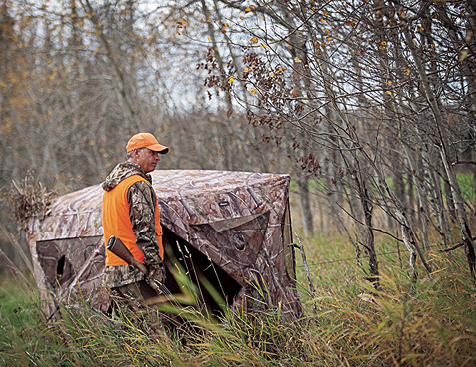
Ground Blinds Beat Tree Stands in High Wind
When winds exceed 20 mph, ditch the treestand. Swinging platforms, noisy harnesses, and creaking trees spook deer. Worse, dead limbs can fall without warning.
Switch to ground blinds or natural cover like brush piles or fallen logs. You’ll be safer, quieter, and more stable.
Have Multiple Stand Options
Rotate stands based on wind direction. You should have:
– A north-facing stand for south winds
– A south-facing setup for north winds
– East and west options for crosswinds
Always position your stand so deer approach from downwind — never let them circle behind you.
Still Hunting Works Best in Wind
Move Slow, Stay Quiet, Stay Downwind
Windy days are perfect for still hunting. The noise covers your footsteps. The movement breaks up your silhouette. And with fewer hunters around, deer are less alert.
Use these tips:
– Walk with the wind in your face
– Pause every 10–15 steps to scan and listen
– Focus on edges, funnels, and rub lines
– Keep your head on a swivel — deer may appear suddenly
One hunter killed a 160-class buck while still hunting in 30 mph gusts: “He came out of nowhere — the wind masked everything.”
Use Natural Cover to Stalk
Blowing branches and rustling leaves make it hard for deer to pinpoint sound. Use that to your advantage.
Stay behind trees, brush, or terrain folds. Move when the wind gusts. Stop when it lulls. This “surge and stop” method keeps you hidden.
Safety First in High Winds
Watch for Widowmakers
Dead limbs, broken tops, and unstable trees become deadly in high winds. One hunter nearly got hit by a 50-foot limb: “I saw it coming — dropped right where I was sitting.”
Never hunt in:
– Standing dead trees (especially ash or poplar)
– Areas with recent storm damage
– Tall, exposed stands with no escape route
If the wind is howling and limbs are snapping, get down.
Avoid Risky Climbs
Ladders and climbing stands are harder to use in gusts. One misstep can be fatal. If you must climb:
– Use a haul line for your pack and gun
– Wear a full safety harness
– Check all hardware before ascending
Better yet — switch to ground-level hunting when winds exceed 25 mph.
Final Tips: Hunt Smart, Hunt Windy
Do:
- Hunt during 15–25 mph winds — peak buck movement
- Focus on rubs, scrapes, and bedding edges
- Use ground blinds or still hunt in high gusts
- Stay downwind and control your scent
- Monitor thermals and wind shifts
- Prioritize safety over heroics
Don’t:
- Assume deer won’t move — data proves otherwise
- Ignore wind direction — it’s your #1 detection risk
- Stay in a swaying treestand — come down if unsafe
- Rely on others’ habits — scout your own land
Windy days aren’t a reason to skip the woods — they’re a golden opportunity. While others sit at home, you can be in the stand when bucks are on the move. Let the wind work for you: mask your scent, cover your noise, and clear the competition.
As one successful hunter said:
“Just let your trophy room speak for itself.”
Next time the forecast calls for wind, grab your gear. And maybe, just maybe, ask your taxidermist to inscribe the wind speed on the plaque.

0 Comments