You’ve bought your license, packed your gear, and studied the maps—deer hunting season is finally here. But if you’re new to the woods, the thought of actually finding, stalking, and ethically harvesting a deer can feel overwhelming. You’re not alone. Every seasoned hunter started exactly where you are: standing at the edge of the forest, wondering if they’ll even see a deer, let alone bring one home.
Deer hunting isn’t about luck—it’s about skill, patience, and respect for the animal and the wild. For beginners, success starts with mastering the fundamentals: knowing your quarry, choosing the right gear, reading the wind, and making clean, humane shots. This guide delivers actionable deer hunting tips for beginners, distilled from decades of field-tested knowledge. You’ll learn how to spot deer signs, avoid rookie mistakes, and increase your odds of a successful, ethical harvest—all while staying safe and enjoying the experience.
Whether you’re after your first buck or simply want to fill your freezer with wild, organic meat, this is your roadmap to becoming a confident, capable hunter.
Know the Deer You’re Hunting
Before you step into the woods, you need to identify your target. In North America, three species dominate: white-tailed, mule, and black-tailed deer. Each behaves differently and lives in distinct habitats.
White-tailed deer are the most common, found in every U.S. state except Alaska. They’re named for their large, white tail that raises like a flag when startled—a behavior called “flagging.” They run low to the ground, especially in thick brush, and prefer forest edges, agricultural fields, and riparian zones.
Mule deer, found west of the Great Plains, have large, mule-like ears and a short, black-tipped tail. They move with a stiff-legged bounce called “stotting,” where all four hooves hit the ground at once. Their antlers branch evenly in a forked pattern, unlike the single-beam tines of whitetails.
Black-tailed deer, a subspecies of mule deer, live along the Pacific Coast. They’re smaller, darker, and have tails that are black on top.
Pro Tip: In overlapping regions like the Rockies, misidentification can lead to fines. Many states issue separate tags—know the rules before you shoot.
Master Hunting Laws and Ethics
Deer hunting is tightly regulated to protect populations and ensure ethical harvests. Ignoring the rules can cost you your license—or result in criminal charges.
Every state requires a hunting license, and most mandate a hunter safety course. Even if you qualify for an apprentice license (which allows supervised hunting), take the full course. It covers firearm safety, wildlife conservation, and survival skills—foundations of responsible hunting.
You’ll also need:
– A deer tag (obtained via lottery or over-the-counter)
– Any required permits (archery, muzzleloader, etc.)
– Landowner permission for private property
Warning: Tags are non-transferable. Shooting a deer without a valid tag is poaching.
Hunting seasons align with deer behavior:
– Early season (Sept–Oct): Deer feed heavily. Hunt near food sources.
– Rut (Oct–Dec): Bucks chase does. More active—but meat may be gamy.
– Late season (Jan–Feb): Deer seek high-calorie food. Hunt warmer midday hours.
Archery, rifle, and muzzleloader seasons often run separately. Always check your local regulations.
Choose the Right Hunting Method
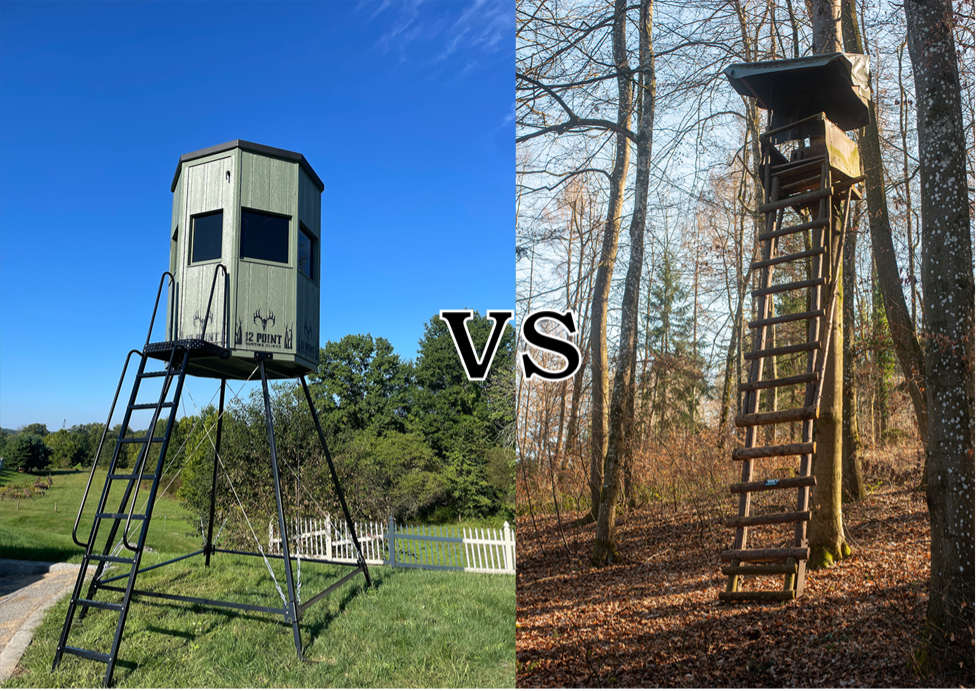
Two main approaches dominate deer hunting: stand-hunting and still-hunting. Beginners often start with stand-hunting because it’s less physically demanding.
Stand-Hunting: Wait, Watch, and Act
Stand-hunting means waiting in a fixed position—either in a tree stand or ground blind—for deer to come to you.
Tree stands offer elevation, better visibility, and help mask your scent. But they require a full-body safety harness—one-third of hunters will fall from a stand in their lifetime. Use a lifeline system and hoist your gun with a rope.
Ground blinds are quieter to set up and ideal for bow hunting, but your view is limited.
Best for: Hunters who can sit still for hours and want a wide field of view.
Still-Hunting: Move Like a Predator
Still-hunting (or stalking) means moving slowly through the woods, scanning for deer. When you spot one, you close the distance quietly and take the shot.
This method demands stealth, patience, and terrain knowledge. Move one step every few minutes. Stop if you hear or see anything.
Best for: Thick cover, rainy days (sound is muffled), and active hunters.
Pro Tip: Try creek stalking—remove your boots, roll up your pants, and walk slowly in a stream. The water masks your scent and sound.
Hunt the Wind Like a Pro
Deer have a nose up to 1,000 times more sensitive than a human’s. Your scent can spook them long before they see you.
Never Hunt Downwind
- Downwind: Your scent blows directly to deer—avoid at all costs.
- Crosswind: Scent moves sideways—this is your best bet.
- Example: Wind from the north? Set up west of a trail. Deer moving south to north won’t catch your scent.
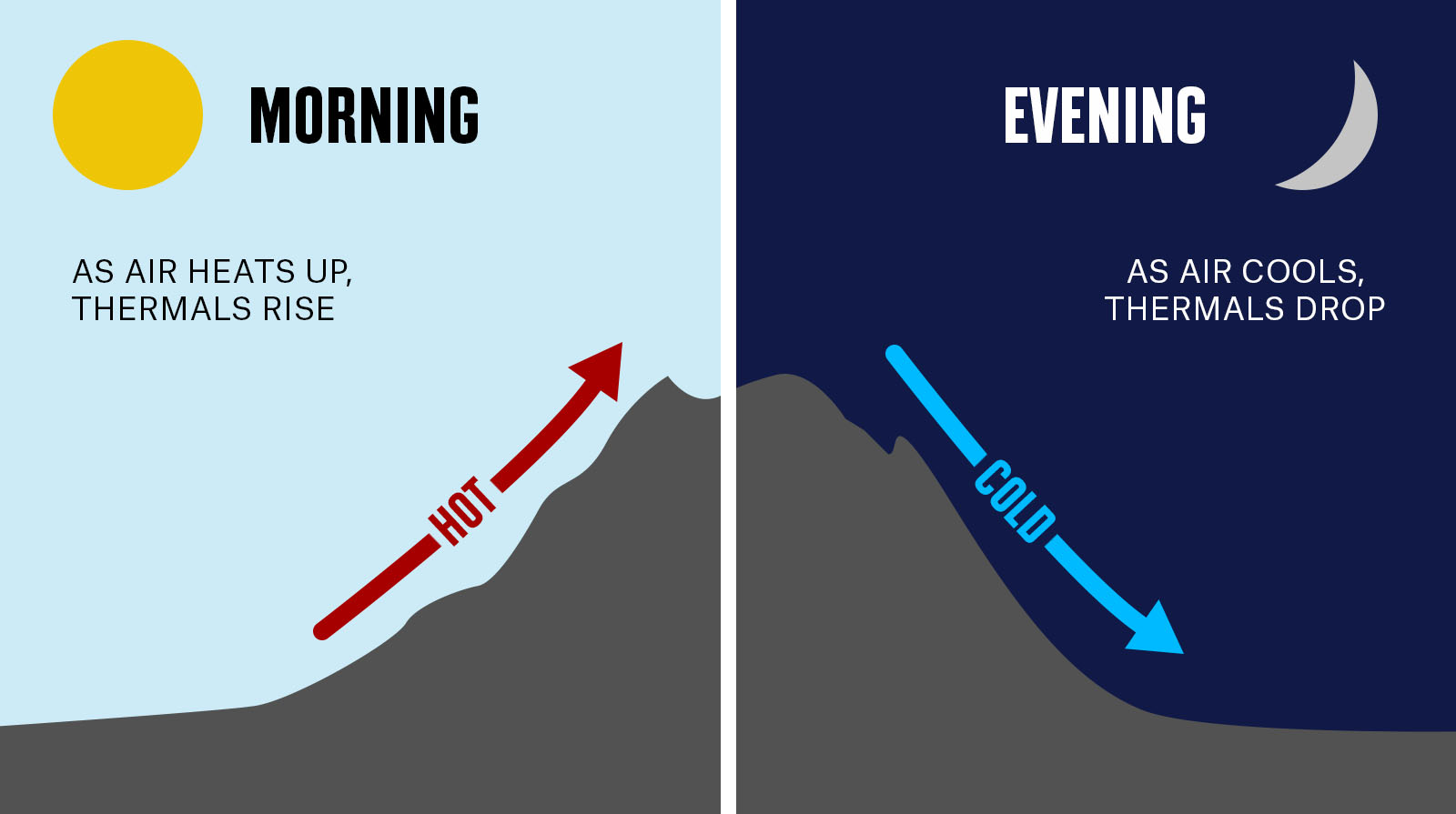
- Thermals: Cold air sinks in the morning; warm air rises in the afternoon. Adjust your position accordingly.
Eliminate Human Scent
- Wash clothes in scent-free detergent (no UV brighteners).
- Store gear in sealed, odor-proof bags.
- Shower with scent-free soap before hunting.
- Never wear hunting clothes in your house or truck—cooking smells linger.
Field Hack: Use milkweed pods as wind indicators. They float on air currents and last longer than puff bottles.
Hunt at the Right Time
Timing is everything. Hunt when deer are most active—and when light and weather work in your favor.
Best Times of Day
- Early morning: Be in your stand 30 minutes before shooting light. Let the woods settle.
- Late afternoon: Deer move before dark. Stay until 30 minutes after sunset.
- Midday: In cold weather, deer may feed during warmer hours.
Never leave early. Some of the best sightings happen in the last minutes of legal light.
Best Times of Season
- Early season: Focus on food sources—acorns, crops, orchards.
- Rut: Bucks chase does. Use calls and decoys. But avoid if you want quality meat—hormones make venison gamy.
- Late season: Return to food plots. Hunt during warm afternoons.
Note: The rut peaks for only 1–2 days per region. Check local data.
Dress for Success
Your clothing can make or break your hunt.
Layer Smartly
- Base layer: Moisture-wicking (wool or synthetic).
- Mid layer: Insulating (fleece or down).
- Outer layer: Windproof and quiet (avoid nylon or stiff canvas).
Wear Blaze Orange—Safely
Most states require 500+ square inches of blaze orange (vest or hat). Deer see it as gray, so it won’t spook them. Choose a mesh vest—it’s quiet and fits over any outfit.
Camouflage: Less Important Than Stillness
Deer detect movement far more than color. Focus on staying still. Avoid:
– White clothing (can mimic a flagging tail)
– Blue or purple (UV brighteners glow in deer vision)
Choose the Right Weapon
Your weapon should match your style and terrain.
Rifles: Most Beginner-Friendly
- .30-30 Winchester: Ideal for brushy woods. Effective up to 100 yards.
- .270, .280, .30-06: Better for open fields. Flat trajectory out to 400 yards.
- Zero your rifle at 100 or 200 yards, depending on terrain.
Shotguns and Bows
- Slug shotgun: Great for short range and populated areas. Safer than rifles.
- Bow/compound: Requires close range (20–40 yards). Demands extreme scent control.
Muzzleloader: For Special Seasons
Used during traditional seasons. Slower to reload, but a rewarding challenge.
Safety First: Always treat your firearm as loaded. Know what’s beyond your target.
Practice Smart Shooting
Hitting a deer isn’t just about aim—it’s about preparation.
Build Shooting Confidence
- Dry fire at home: Builds muscle memory, reduces flinch.
- Live fire at the range: Essential for real-world confidence.
- Field practice: Set up targets at 20, 50, and 100 yards. Simulate shooting from a stand or kneeling.
Aim for the Vital Zone
- Target the area just behind the front shoulder, 1/4 to 1/3 up from the belly.
- This hits the heart and lungs—ensures a quick, humane kill.
- Aim small, miss small: Focus on a patch of fur, not the whole deer.
- Avoid shoulder shots: Risk breaking bone and ruining meat.
Follow Through
After the shot:
– Keep your cheek on the stock.
– Hold the trigger for two full breaths.
– Watch the deer’s reaction.
Track and Recover Your Deer
If the deer runs, don’t panic. Track it the right way.
Wait Before You Follow
- Lung shot? Wait 30 minutes.
- Gut shot? Wait 8+ hours—the deer will bed down.
- If you don’t see blood, wait longer.
Read the Blood Trail
- Bright red, frothy: Lung hit. Deer won’t go far.
- Dark red: Liver or muscle.
- Greenish with food: Gut shot. Be patient.
- Hair at impact: Dark hair = good hit. White hair = glancing shot.
Mark the trail with toilet paper if blood is sparse. Take a compass bearing on the last place you saw the deer.
Never give up. If you wound a deer, track it relentlessly.
Field Dress and Care for Meat
Once you’ve recovered your deer, care for the meat immediately.
Field Dress Fast
- Tag the deer (check local rules).
- Cut from sternum to pelvis—avoid puncturing the gut.
- Remove organs in one pull.
- Cool the cavity—spread the body open or insert ice.
Transport Smart
- Drag the deer head-first—it’s easier.
- Keep meat clean, dry, and cool.
- For large deer, field dress to reduce weight and spoilage.
Tip: Small deer can be transported whole if processed within hours.
Scout Like a Pro
The best hunters scout long before season starts.
Off-Season Scouting
- Winter or summer is ideal—no leaves, cooler weather.
- Look for:
- Deer trails at pinch points (fence lines, creek bottoms)
- Scrapes and rubs (buck sign)
- Bedding areas (flattened grass in thick cover)
- Food sources (acorns, crops, fruit trees)
Key Habitat Features
- Travel corridors: Natural bottlenecks.
- Pinch points: Narrow passages between cover types.
- Food plots: Plant clover, brassicas, or cereal grains.
- Water sources: Creeks, ponds—critical in dry areas.
Use Google Earth to study sun exposure and thermal flows.
Think Like a Deer
The best hunters don’t just know deer—they think like them.
Deer prioritize survival. Mature bucks use core zones—safe areas deep in cover—and only travel at night.
Hunt the edges and bottlenecks, not the middle of the woods.
Reduce all human cues:
– Scent: Control it.
– Noise: Move slowly.
– Movement: Freeze if a deer looks your way.
– Visual: Wear the right camo and avoid shiny gear.
Final Wisdom: The most successful hunters aren’t the loudest—they’re the ones who watch, listen, and remember.

0 Comments