You’ve felt the pull—the thrill of uncovering something ancient, hidden beneath layers of earth, shaped by time and pressure into a sparkling crystal. Whether you’re chasing quartz in Arkansas or hunting Herkimer diamonds in New York, crystal hunting tips can turn random digging into targeted discovery. This guide distills expert techniques, field-tested tools, and geological insights so you know exactly where to dig, what to look for, and how to extract your finds safely. You’ll learn to read the land like a pro, avoid common mistakes, and walk away with specimens worth keeping—no luck required.
Know Where Crystals Form
How Pockets Create Perfect Crystals
Crystals grow in pockets—natural cavities in rock filled with mineral-rich fluids that cooled slowly over thousands of years. These voids allow crystals to develop full terminations and clean faces. The best specimens come from undisturbed pockets where growth wasn’t interrupted by pressure or fracturing.
Three main types of crystal pockets exist:
– Vein pockets: Form in rock fractures, often rich in quartz.
– Pegmatite pockets: Found in coarse igneous rock; host rare minerals like tourmaline and beryl.
– Miarolitic cavities: Gas-formed spaces in volcanic rock with large, well-shaped crystals.
Pockets are more likely at geological “hot spots”:
– Intersections of two pegmatite veins
– Bends or kinks in a mineralized zone
– Fault lines where pressure created open space
Pro Tip: Some of the richest pockets lie just inches below the surface—overlooked by earlier diggers who stopped too soon.
Search Tailings Piles Like a Pro

Why Old Digs Are Goldmines
Tailings piles—leftover rock and soil from past mining—are among the most productive spots for amateur crystal hunters. Experienced diggers often revisit their own tailings and find high-quality crystals they missed the first time.
What Makes Tailings Productive
- Weathering exposes hidden crystals
- Mud-covered rocks may conceal smoky quartz or fluorite
- Previous diggers may have discarded “imperfect” or stained pieces
- Float (weathered-out crystals) accumulates near dig sites
How to Dig Smart in Tailings
- Look for heavy rocks – Crystals are denser than surrounding material.
- Break open clay balls – Many quartz crystals are wrapped in sticky red clay.
- Inspect for shine after rain – Water reveals crystal tips and facets.
- Check for black spots in mud – A dark reflection often means a clear crystal face.
Field Insight: “I’ve found dollar-sized smoky quartz in tailings I thought were picked clean.” – Colorado digger
Avoid These Tailings Mistakes
- Don’t skip small rocks—tiny crystals hide in plain sight.
- Don’t assume all quartz is milky—cleaning may reveal clarity.
- Don’t leave holes open—backfill to preserve the site.
Follow Float to the Source

Trace Crystals Back to Their Origin
Float refers to crystals that have weathered out of their host rock and moved downhill via water, gravity, or ice. By following float, you can often locate the original pocket.
Where to Find Float
- Along drainage paths and gullies
- At the base of hillsides or cliffs
- In stream beds below pegmatite zones
- Beneath overhangs or rockfalls
How to Use Float to Find the Source
- Dig test holes 1–2 feet deep where float appears partially buried.
- Work uphill—the source is almost always above.
- Look for increasing crystal size as you move up the slope.
- Check for consistent mineral alignment in host rock.
Expert Move: Start at someone else’s dig and search downhill. They may have pulled the pocket but left behind valuable float.
What Float Tells You
- Quartz fragments with flat, shiny faces = nearby source
- Microcline feldspar with quartz inclusions = pegmatite activity
- Heavier-than-average stones = possible crystal content
Dig in Source Pegmatite
Target the Mother Lode
The most rewarding method is digging directly in pegmatite—coarse-grained igneous rock that forms large, high-quality crystals. These veins cut through surrounding bedrock and often contain quartz, feldspar, mica, and rare minerals.
How to Identify Pegmatite
- Large, visible mineral crystals (often finger-sized or bigger)
- Interlocking quartz and feldspar (graphic granite)
- Linear patterns across hillsides
- Boundaries with decomposed granite or gravel
Best Spots to Dig in Pegmatite
- Bends or kinks in the vein—create eddies where crystals settle
- Intersections of two pegmatite dikes—common pocket sites
- Widening seams—indicate open space for crystal growth
- Areas with red clay and gray streaks—“peanut butter” texture signals a pocket
Field Note: “Where the pegmatite bends, it often forms a cavity. That’s where the crystals hide.” – Davealex
Safety First When Splitting Rock
- Wear eye protection—flying fragments are dangerous.
- Use a geologist’s hammer, not a claw hammer (unsafe for rock).
- Work slowly—quartz is brittle and can shatter under force.
- Undercut crystals from the side, never strike directly above.
Best Crystal Hunting Locations
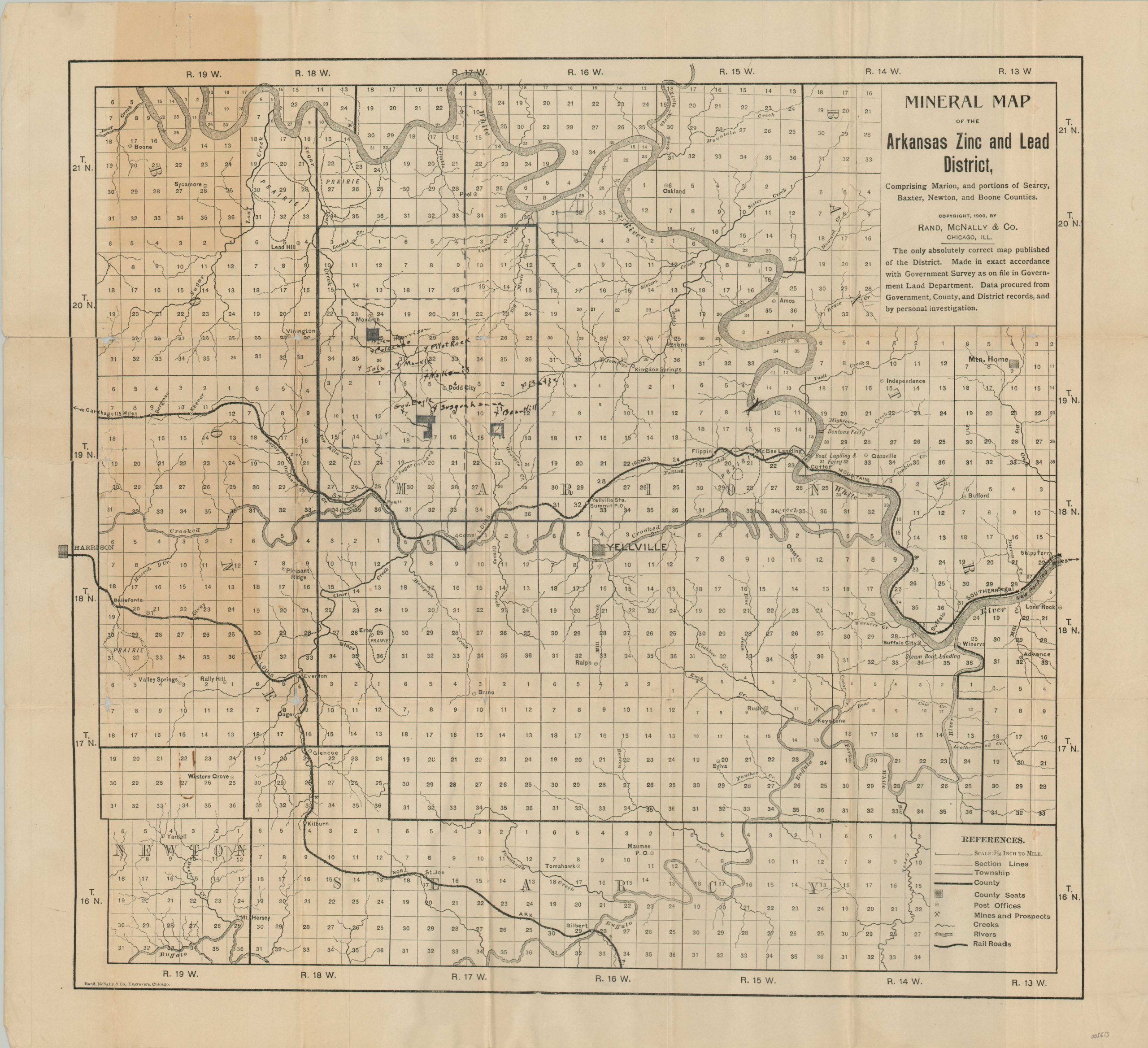
Top U.S. Spots for Beginners and Pros
Arkansas: Quartz Capital of the World
- Twin Creek Crystal Mine: $25 for all-day digging; wall access; 4WD required.
- Wagner Mine: $18 for 2 hours; guided truck ride; beginner-friendly.
- Ron Coleman Mine: Public tailings; camping; tools for rent.
New York: Herkimer Diamonds
- Found in dolostone pockets—double-terminated quartz with exceptional clarity.
- Ace of Diamonds Mine and Herkimer Diamond Mine (KOA) welcome beginners.
Colorado: High-Altitude Gems
- Mount Antero: Smoky quartz, aquamarine, amazonite.
- Devil’s Head: Accessible trail with proven crystal zones.
Utah: Topaz and Fluorite
- Topaz Mountain: Free public access; rhyolite fields with topaz pockets.
North Carolina: Emeralds and Sapphires
- Hiddenite: Only place in the U.S. where emeralds are commercially mined.
Pro Tip: Call ahead—hours and access rules change frequently, especially at private mines.
Must-Have Tools for Crystal Hunting
Essential Digging Gear
| Tool | Purpose |
|---|---|
| Geologist’s hammer | Split rock safely; avoid claw hammers |
| Pry bar (3–6 ft) | Move large boulders and expose pockets |
| Chisels and hand guard | Extract crystals without damaging them |
| Short-handled shovel | Efficient in tight holes |
| 3-tined scratcher | Sift tailings without bending |
| Flat-blade screwdriver | Gently pry crystals from clay |
Warning: Never use a carpenter’s hammer on rock—its steel can shatter and cause injury.
Cleaning and Transport Tools
- Oxalic acid: Removes iron stains from quartz (use outdoors, with gloves)
- Soft toothbrush: Clean delicate crystal faces
- Classifier screen: Sift dirt from small crystals
- Newspaper and box: Wrap and protect specimens
Safety Rule: When mixing acid, always add acid to water, never the reverse.
Dress and Pack for Success
What to Wear
- Closed-toe boots – Sharp quartz and wet clay demand protection.
- Old clothes – Red clay stains are permanent.
- Gloves – Prevent blisters and cuts.
- Hat and sunscreen – UV exposure is intense at high elevations.
- Avoid rings and bracelets – They trap dirt and can swell in heat.
What to Bring
- Water (2+ liters) – No reliable sources at most sites.
- High-energy snacks – Nuts, bars, jerky keep energy up.
- First aid kit – Quartz cuts like glass.
- Bear spray – Required in bear country (Colorado, Arkansas).
- Rain poncho – Lightweight and essential for sudden storms.
- Headlamp – Useful if digging late or returning in low light.
For Families
- Wagon – Haul tools and finds.
- Carrier or play yard – Keeps toddlers safe.
- Teach kids what to look for – Prevents collecting every pebble.
Digging Techniques That Work
How to Spot Crystals in the Field
- Look for shine after rain – Water reveals crystal tips.
- Break open red clay clumps – Crystals are often hidden inside.
- Watch for black spots – A dark reflection may be a clear crystal face.
- Check wall texture – Gray streaks in red clay suggest a pocket.
- Use a brush in dry conditions – Gently remove dust without damaging crystals.
- Dig around, not down – Crystals extend sideways more than you think.
Extracting Crystals Without Damage
- Approach from the side – Never stand over a pocket.
- Undercut carefully – Use chisels to loosen the base.
- Leave clay intact – It protects the crystal during removal.
- Wrap in newspaper – Prevents scratches in transit.
When You Hit a Pocket
- Work slowly—intergrown crystals can break easily.
- Listen for crunching sounds—indicates damage.
- If extraction is risky, consider leaving it in place.
Clean and Preserve Your Finds
Step-by-Step Cleaning Process
- Rinse with water to remove loose dirt.
- Use a soft toothbrush for stubborn residue.
- Soak in oxalic acid solution (½ cup per gallon) to remove iron stains.
- Rinse in clean water for 24+ hours to neutralize acid.
- For tough stains, use a heated water bath for 2–3 days.
Warning: Acid use requires gloves, eye protection, and outdoor ventilation.
What to Expect After Cleaning
- Some crystals reveal hidden terminations or clarity.
- Others may be milky or fractured—still geologically valuable.
- Sorting and cleaning can take days—patience pays off.
Stay Legal and Ethical
Know the Rules Before You Dig
Where You Can Collect
- Fee-for-dig mines: Legal, safe, and productive.
- Public land: Often restricted—check BLM and Forest Service rules.
- Private property: Never dig without permission.
Where You Should Avoid
- Active mining claims
- National Parks
- Protected geological zones
Reality Check: Even collecting a small sample on a claim can be considered theft.
Practice Leave No Trace
- Backfill every hole – Restore the site.
- Stay on trails – Minimize environmental impact.
- Pack out all trash – Including food wrappers and broken tools.
- Use hand tools only – No jackhammers or heavy machinery.
Manage Your Expectations
What Real Crystal Hunting Is Like
TV shows make it look easy—swing a pick, and a perfect cluster tumbles out. Reality is different.
Typical Outcomes
- Most finds are small – Individual points or clusters under 2 inches.
- Quality varies – Many crystals are milky, broken, or unremarkable.
- Success rates:
- Public land: Low chance of major finds.
- Fee sites: High chance of crystals; moderate chance of quality.
- Tailings: Good for fragments; rare for museum pieces.
Honest Advice: “You’ll find crystals—but don’t expect a gem-quality piece on day one.” – Seasoned digger
The Real Reward Is the Hunt
Crystal hunting is less about treasure and more about connection:
– To the earth’s deep history
– To the process of discovery
– To the quiet joy of finding something no one else has seen
Think of it like fishing. Some days the fish bite. Others, you just enjoy being outdoors.
Pro Tips from the Field
Wisdom from Experienced Hunters
- Start early – Beat heat, crowds, and afternoon storms.
- Use trekking poles – Essential on slippery slopes like Mount Ida.
- Check weather forecasts – Mountain conditions change fast.
- Join a rock club – Access to field trips, mentors, and private sites.
- Talk to other diggers – Share tips, locations, and warnings.
Dowsing: Myth or Method?
- Skeptics say: “Dowsing rods don’t work. Use geology, not magic.”
- Believers say: “I’ve seen them point to water and bodies. Why not crystals?”
- Bottom line: No scientific proof, but some diggers swear by it.
Alternative idea: Metal detectors only find metal—not crystals—but can help locate old dig sites.
Final Tips for Every Level
For Beginners
- Start at a fee site – Twin Creek, Wagner, or Ron Coleman.
- Bring core tools – Hammer, gloves, water, sunscreen.
- Learn basic geology – Know pegmatite, quartz, and pocket formation.
- Join a mineral club – Fastest way to learn.
- Enjoy the process – The hunt is the real reward.
For Advanced Hunters
- Focus on source pegmatite and float tracing.
- Invest in pry bars, chisels, and safety gear.
- Study geological maps and claim boundaries.
- Document your digs – Track locations, depths, and results.
Keep Learning and Exploring
Expand Your Knowledge
- Books: Voynick, Pearl, Mitchell, Kapelle – trusted by pros.
- YouTube: Search “crystal extraction” or “pegmatite mining.”
- Instagram: Follow Passion and Prospect (Betsy and Dillon) for real-time updates.
- Interactive maps: U.S. rockhounding maps show public and private sites.
Final Thought: “Crystals don’t change your life overnight. They reflect, amplify, and support what’s already within you.” – Seasoned collector
Happy hunting.

0 Comments