Bow hunting isn’t just about gear, arrows, and draw weight—it’s a mental and physical game of control, patience, and precision. The best bow hunting tips don’t come from flashy gadgets or viral videos; they come from field-tested discipline, silent movement, and ethical decision-making. Whether you’re chasing whitetails in the Midwest or elk in the Rockies, success starts long before the shot. It begins with mastering your mindset, refining your shot process, moving like a shadow, and understanding deer behavior down to the wind’s whisper. This guide delivers actionable, expert-backed strategies used by top hunters to close the gap, stay undetected, and make clean, confident kills—every time.
Mental Discipline: Control the Shot Process
You Can Never Get an Arrow Back
Once your arrow leaves the bow, there’s no turning back. That single moment defines the outcome: a clean harvest or a wounded animal lost in the woods. The best bow hunters don’t just shoot well—they decide well. They know that emotion, pressure, or desperation can override judgment, leading to rushed shots and regret. The golden rule? Shoot only perfect shots, or don’t shoot at all. This isn’t about missed opportunities; it’s about earning every harvest with integrity.
Break the Downhill Momentum
The shot sequence—nock, draw, aim, release—can feel automatic, especially under adrenaline. But that momentum is dangerous. When your heart’s pounding and a trophy buck stands 30 yards away, it’s easy to let instinct override ethics. Joel Turner of Shot IQ calls this the “uncontrolled shot cycle.” The fix? Insert mental roadblocks at every stage. Pause after nocking. Check your grip. Assess the wind. Ask: Is the deer calm? Is my form solid? Is this ethical? If anything feels off, abort—even at full draw. That discipline saves animals and builds confidence.
Use a Controlled Shooting Process
Train your mind to stay in command:
– Pre-shot checklist: Nock arrow, relax wrist, check anchor, breathe.
– Self-talk cue: “No one has a gun to my head.” You choose when to shoot.
– Abort permission: Lowering the bow is not failure—it’s wisdom.
This process turns shooting into a repeatable, reliable ritual, not a gamble.
Spot-and-Stalk: Move Like a Ninja
Be Fast, Be Still—Know When to Do Both
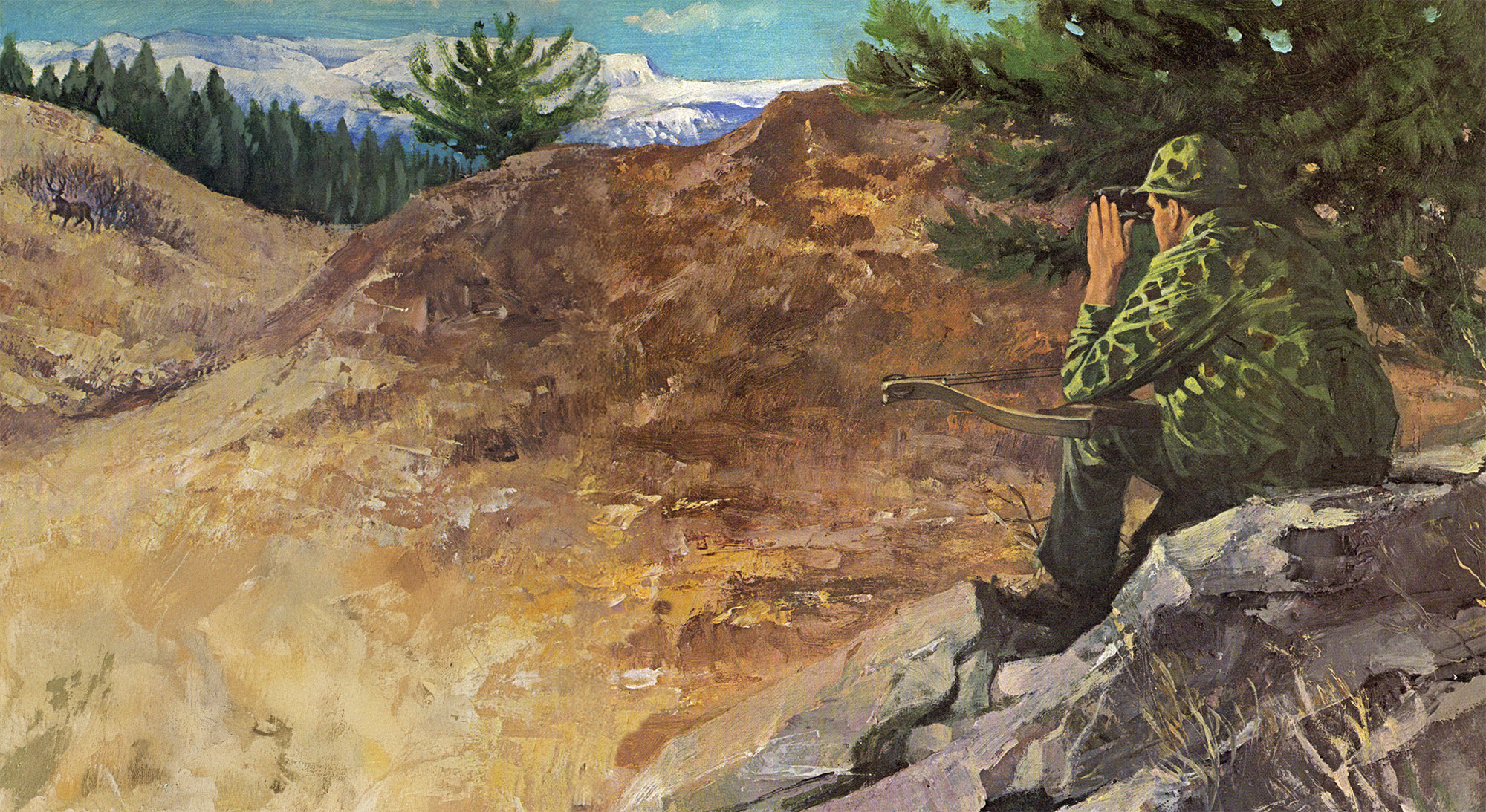
Spot-and-stalk hunting turns you into a predator. You see the animal, then close the gap unseen. But success hinges on timing: move fast when the animal feeds, freeze when it scans. Use terrain, wind, and natural cover to vanish into the landscape.
When to Move Slowly
- First sighting: Stop. Assess wind, cover, and behavior.
- Animal alert: If its head is up and still, it’s listening—freeze instantly.
- Use peripheral vision: Watch the deer while scanning for quiet footing.
- Move during wind gusts: Natural noise masks your steps.
Ideal for deer, elk, turkeys, moose, and sheep.
When to Move Quickly
- Bears, hogs, elk, javelina: These animals don’t bed—they feed and move constantly.
- Spring bears: Small stomachs mean short feeding windows. You must act fast.
- Key tactics:
- Get cover between you and the animal.
- Move when its head is down.
- Use draws, ridges, or brush for concealment.
- Watch for crunching hazards: sticks, rocks, ice.
The longer the stalk, the higher the chance of a wind shift—be ready to shoot fast.
Silent Gear Is Non-Negotiable
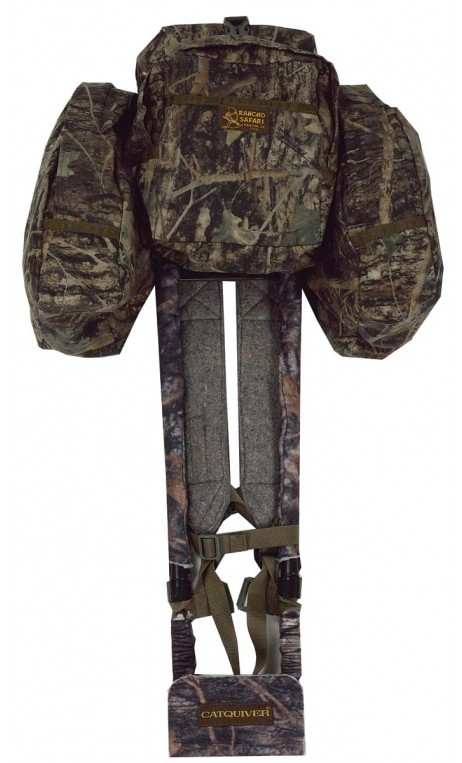
Noise kills stalks. Eliminate every clink and rustle:
– Footwear: Use Rancho Safari Cat Prowlers (fleece booties over boots) or soft-soled shoes.
– Clothing: Wear quiet fleece or wool in open-leaf camo that breaks your outline at 50+ yards.
– Silence your bow:
– Apply fuzzy Velcro to riser shelf, roller guard, and release aid.
– Tape belt buckles or replace with rubber clips.
– Optics: Use a silent harness—no Velcro, no dangling cables.
Test your full setup by walking slowly through dry leaves. If you hear it, so will deer.
Wind Is Your Lifeline
If you’re not playing the wind, you’re not hunting. Carry a wind checker and use it every 5–10 minutes. Hunt only when the breeze carries your scent away from game. One puff of human odor can ruin weeks of scouting.
Ground Hunting: Hidden Advantages
Sit on a Stool for Open Terrain
No trees? No problem. In prairies, crop fields, or CRP, use a camo stool behind natural cover:
– Bent sunflowers, tall grass, or downed logs.
– Stay nearly motionless.
– Draw only when the animal enters your lane.
One hunter took a 170-class whitetail in South Dakota—no tree within a mile.
Use Ground Blinds for Comfort and Stealth
Set up weeks in advance:
– Brush it in naturally.
– Avoid sudden changes that spook deer.
– Wear black hoodie and gloves inside—no light reflections.
Benefits:
– No climbing noise.
– Stay dry in rain.
– Small movements go unnoticed.
Perfect for food plots, bedding edges, or field borders.
Stalk Rutting Bucks Aggressively
During rut, bucks lose caution. They chase does, ignore danger, and travel unpredictably. This is prime time for spot-and-stalk whitetails.
– Use terrain to cut off moving bucks.
– Get ahead, set up, and wait.
– One hunter intercepted a 150-inch buck leading a doe—35-yard shot, clean kill.
Ask yourself: Is the reward worth the risk? If yes, act fast.
Pre-Season Practice: Train Smart
Shoot Daily, Not in Binges
Quality beats quantity. Fatigue ruins form. Instead of 100 arrows in one session:
– Shoot 25 in morning, 25 in evening.
– Focus on clean, repeatable shots.
– One perfect shot > ten sloppy ones.
Manage Your Body, Not Just Your Bow
- Stretch shoulders daily (20–30 seconds, multiple times).
- Reduce draw weight if needed (e.g., 63 → 55 lbs) for better control and injury prevention.
- This isn’t weakness—it’s strategy for consistency.
Shoot at 10 Feet to Build Natural Aim
Close-range shooting eliminates overthinking:
– Forces relaxed grip.
– Prevents torque.
– Promotes clean release.
– Focus on a tiny dot—develops true form.
You’ll learn what “perfect” feels like.
Shoot 60–70 Yards to Master 20–30
Long-distance practice tightens groups:
– When you can group at 60 yards, 30 feels easy.
– Builds confidence for field shots.
– Mimics real-world pressure.
Practice Like You Hunt
- Draw straight back—no sky-drawing or ground-drawing.
- Sit while shooting—replicates treestand stability.
- Minimize movement—stand only when necessary.
- Stillness = accuracy.
Treestand Setup: Hunt Smarter
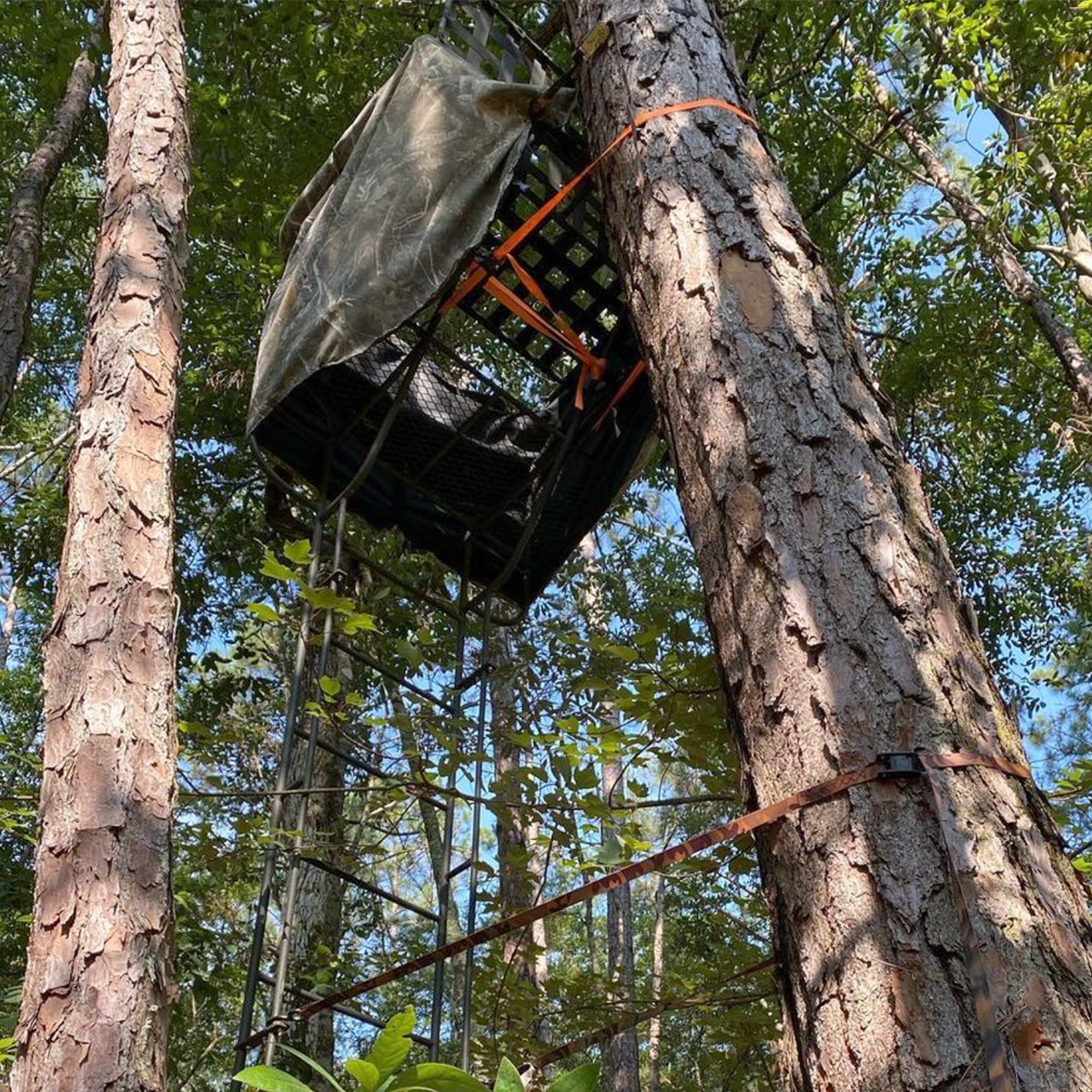
Hang 3–5 Stands per 100 Acres
Cover key zones:
– Food sources.
– Travel corridors.
– Multiple wind directions.
More options = more hunting days.
Choose Stands You Can Access Silently
If you can’t enter or exit without spooking deer, the stand is useless. Focus on 25 quality acres with clean access, not 100 acres of noise traps.
Align Your Peep Sight Perfectly
- Clip release, close eyes, draw, anchor.
- Open eyes—pin should be in peep without moving head.
- If not, adjust peep position.
Use a 1/4-Inch Peep for Low Light
Smaller peep = more light, wider field of view. Critical at dawn and dusk.
Check Visibility from Deer’s Eye Level
Walk 50–70 yards away, crouch, and look up:
– Does your outline stand out?
– Is there a natural backdrop (branches, shadows)?
– Choose height and angle that hide your shape.
Ideal Height: 17–20 Feet
- Clear lung shots at 20–35 yards.
- High enough to stay under radar, low enough for accuracy.
25+ feet helps carry scent over approaching deer (per Nick Mundt).
Hunt with the Sun at Your Back
- Sunrise/sunset behind you = 10 extra minutes of shooting light.
- Reduces glare, improves visibility.
Use Pull-Up Ropes
Attach two:
– One for bow.
– One for pack.
– Prevents drops during climb.
Safety First: Ladder Stand Tips
- Run ladder steps 1–2 feet above platform.
- Climb fully up, then step down.
- Never rush.
Shot Execution: Precision Matters
Get Multiple Range Readings
Adrenaline shakes your hands. Avoid ranging errors:
– Range the animal.
– Range its feet.
– Range a tree or rock nearby.
– If buck reads 64 yards but feet say 42, recheck.
Aim for Double-Lung Hits
Broadside Shot
- Aim 40% up from belly, 60% down from back.
- Hits heart and both lungs.
- Forgiving of slight arrow drop.
Quartering-Away
- Aim where front leg meets body, aligned with back of opposite leg.
- Ensures both lungs pierced.
Quartering-Toward
- Aim slightly forward.
- Avoid gut shots—lungs are the goal.
Bury the Pin, Follow Through
- Focus on a small patch of hair in the vitals.
- Keeps head down, form intact.
- Follow through:
- Keep bow arm straight.
- Watch fletching vanish.
- Don’t drop arm or jerk head to see results.
Broadhead Tuning Is Critical
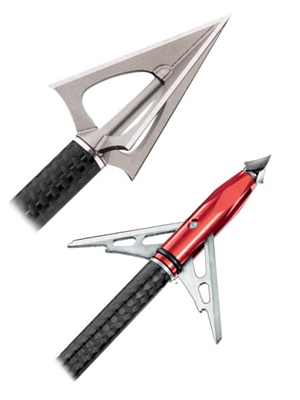
- Mechanical broadheads: 94.3% kill rate (Maryland 13-year study).
- Fixed blades: More reliable, but require tuning.
- Test every arrow: Broadhead must fly identical to field points.
- Mark top two performers for hunting.
Release Quietly, Not Quickly
- Hold bow arm straight, then slightly unlock elbow.
- Tilt wrist up, relax fingers on grip.
- A quiet release beats a fast one.
Hunting Psychology: Stay Sharp
Move Half as Fast, Think Twice as Much
Impatience kills hunts. One hunter rushed down a hill after javelina, fell, made noise, and spooked the herd. Take breaths. Assess. Plan.
Always Have a Stalking Plan
Before moving:
– Identify route.
– Note landmarks.
– Check wind.
– Know cover options.
No plan = missed opportunity.
Be Ready Before the Animal Appears
- Nock arrow early when stalking.
- Hold rangefinder in hand after nocking.
- Draw before animal enters lane if possible.
One hunter waited to draw—spooked the javelina. Be prepared.
Scent and Noise Control: Stay Invisible
Deer Smell 100x Better Than You
- Shower with scent-free soap before hunt.
- Wear clean, odor-controlled clothing.
- Avoid perfumes, lotions, scented detergents.
- Use cover scents (tarsal, acorn) near scrapes or rubs.
Silence Every Piece of Gear
- Rubber-coat safety harness clips.
- Tape noisy zippers.
- Wear soft fabrics—no rustling nylon.
- Test gear by moving slowly in the woods.
Read Deer Behavior: Hunt the Season
Early Season: Focus on Food and Bedding
- Deer are cautious.
- Use trail cameras to monitor patterns.
- Hang stands near water, food, and funnels.
Pre-Rut: Target Doe Trails
- Bucks seek does.
- Hang downwind of well-used doe trails.
- Use tarsal-scent wicks to attract curious bucks.
Rut: Chase Movement
- Bucks roam widely, often in daylight.
- Spot-and-stalk is prime.
- Set up near scrapes, rubs, or doe groups.
- Use 10–12 grunts to mimic buck activity.
Full Moon: Hunt Afternoon
- NC State study: During full moon (early October), deer move little at dawn.
- Active midday to evening.
- Shift focus to afternoon hunts.
Ethics and Tracking: Finish Strong
Wait 15+ Minutes Before Tracking
- Let adrenaline drop.
- Prevents bumping wounded deer.
- Most double-lung hits result in death—waiting improves recovery odds.
Track Smart
- One person stays at stand to preserve scene.
- Other tracks.
- Blood trails can stretch 200 yards.
- Clear, direct trail = double-lung hit.
Use a Bow-Mounted Camera
- Records exact shot placement.
- Helps decide when to track.
- Memory fades—video is fact.
Process Fast in Heat
- Above 80°F, meat spoils fast.
- Get to cooler or processor ASAP.
- Use ATV for quick retrieval.
Gear That Works: Prepare for Anything
Carry an Emergency Repair Kit
(Hoyt Archery recommends):
– Extra nocks
– D-loop material
– Allen wrenches
– Lighter
– Superglue
– Tape
Fix breaks in the field.
Prepare Broadheads Right
- Use new or freshly sharpened blades.
- Never reuse dull heads.
- Screw into all hunting arrows, test flight, mark best two.
Maintain Your Bow
- Check string and serving weekly.
- Replace if nicked, frayed, or stretched.
- String stretch changes draw length, peep alignment, and anchor.
Crossbow Tips
- Lighted nocks essential—see shots in low light.
- Practice slow, steady trigger pull—long travel requires control.
- Never carry cocked crossbow in vehicle—uncock safely at day’s end.
Scouting: Plan Next Season Now
Scout After Snow Melts
- Look for rubs, scrapes, trails, bedding areas.
- Use apps (Onyx, HuntWise) for wind and terrain.
- Verify in person—wind swirls in valleys.
Use Trail Cameras Wisely
- Best for early-season scouting and next-year planning.
- Check infrequently to avoid pressure.
- Place near food, water, funnels, rubs.
Attract with Food and Water
- Dry soybeans = powerful attractant.
- Place water near bedding, not food.
- Cattle waterers or earth ponds work.
- Deer visit water predictably—ambush there.
Hunt High-Movement Zones
- Drainage intersections and secondary points = buck highways (Mickey Hellickson).
- Acorn-rich ridges = scrape activity in mid-October.
- After corn harvest, set stands in adjacent woodlots—deer relocate fast.
The best bow hunting tips aren’t about gear—they’re about control, awareness, and restraint. Master your shot process. Move like a shadow. Hunt the wind. Practice with purpose. And always, always wait for the perfect shot. Do that, and you won’t just harvest deer—you’ll earn every one.

0 Comments