You’ve spent hours at the range, fine-tuned your bow, and studied deer movement patterns. But when that moment arrives—a mature buck steps into your shooting lane, your heart pounds, and adrenaline floods your system—will you make a clean, ethical shot? Success in archery hunting isn’t just about gear or luck. It’s about preparation, mindset, and execution under pressure. With the right archery hunting tips, even first-time bowhunters can consistently harvest game and build confidence season after season. This guide delivers field-tested strategies from experienced hunters, covering everything from shot placement and wind control to gear selection and recovery. Whether you’re chasing whitetails in the Midwest or mule deer on Western prairies, these actionable insights will help you hunt smarter, shoot straighter, and bring home more meat.
Adopt a Low-Pressure Mindset for Higher Success
Set Realistic First-Season Goals
Many new bowhunters fall into the trap of aiming for a trophy buck on their first outing. But that mindset often leads to missed opportunities and frustration. Instead, lower your standards to increase your odds. Accept any legal deer—fawn, doe, or young buck—as a win. Each successful harvest builds confidence, sharpens judgment, and transforms your identity from “hunter” to “killer.” That first clean kill changes everything. It teaches you the full cycle of the hunt: tracking, shooting, recovering, and processing. Don’t rush it—embrace the journey.
Prioritize Experience Over Trophy Size
Every time you step into the woods, you’re gaining valuable experience. Focus on mastering concealment, reading wind patterns, and improving shot timing. These skills compound over time. Trophy-class bucks will come later. For now, go home with meat in the freezer, not just stories. The more time you spend in the field, the more you’ll understand animal behavior, terrain, and your own limits.
Embrace Patience, Not Perfection
Deer have an incredible ability to detect movement. Rushing your draw is the #1 reason animals spook. Wait for the right moment—when the deer turns its head, looks away, or steps behind cover. Practice drawing silently in real hunting positions: from a crouched ground blind, twisted in a treestand, or kneeling behind a log. Build muscle memory so your draw is smooth and quiet under pressure. Patience beats perfection every time in the woods.
Choose the Right Bow for Your Hunting Style

Compound Bows: Best for Most Hunters
If you’re serious about success, start with a compound bow. Its cam system reduces holding weight at full draw (let-off), giving you more time to aim. Modern compounds offer 45–60 lbs of draw weight—plenty for clean kills on big game. They’re adjustable, accurate, and forgiving, making them ideal for beginners and experts alike. With consistent tuning and practice, a compound bow delivers repeatable precision when it matters most.
Recurve Bows: Build Strength and Form
Recurve bows demand more strength and consistency but build excellent shooting fundamentals. Takedown models let you swap limbs to increase draw weight over time. They’re affordable, reliable, and perfect for hunters who value simplicity. However, they lack let-off, so holding at full draw is more taxing. If you’re drawn to traditional archery, a recurve is a great way to sharpen your form—but be prepared for a steeper learning curve.
Crossbows: Ideal for Beginners and Youth
For hunters with physical limitations or those new to archery, crossbows offer extended range and reduced draw effort. Use a tripod rest for stability, especially in ground blinds. Just remember: crossbows require the same shot discipline as vertical bows. Never take risky shots. A clean, well-placed shot from a crossbow is just as lethal—if not more so—than one from a vertical bow.
Optimize Draw Length and Weight for Accuracy
Get Fitted by a Pro Shop
Draw length affects accuracy and comfort. A common formula—arm span divided by 2.5—gives a rough estimate, but professional fitting ensures precision. An improper draw length strains your shoulder, throws off anchor points, and causes poor arrow flight. Visit a local archery shop to get measured properly. It’s a small investment that pays off in consistency and shot placement.
Use Appropriate Draw Weight
- Practice: 20–30 lbs
- Hunting minimum: 40 lbs
- Recommended: 45–60 lbs
Higher draw weight increases kinetic energy and penetration. But don’t sacrifice form for power. Choose a weight you can hold steadily for 30 seconds. Many compound and takedown recurve bows are adjustable, so you can use one bow for both practice and hunting.
Tune Arrows and Broadheads for Maximum Lethality
Select the Right Arrow Material
Carbon arrows dominate modern bowhunting. They’re lightweight, durable, and fly consistently. Aluminum and wood are options, but carbon offers superior penetration and flight stability. Match arrow spine, length, and grain weight to your bow’s specs using manufacturer charts.
Use Identical Practice and Hunting Arrows
Never switch arrow types between practice and the field. Even slight differences in weight or stiffness throw off your point of impact. Shoot the same arrow setup you’ll use on game. This ensures your muscle memory and sight pins are perfectly aligned.
Pick the Right Broadhead Type
- Fixed-blade: Most reliable. Flies like a field point when tuned. No moving parts to fail.
- Mechanical: Expands on impact. Wider wound channel but slightly less penetration.
- Cut-on-contact: Best for beginners. Superior penetration, especially at lower speeds.
Keep Broadheads Razor-Sharp
Only use brand-new broadheads or replace blades before each hunt. Dull edges deflect off hide and bone. Test flight by shooting broadheads side-by-side with field points. If they don’t group together, tune your rest or adjust broadhead alignment.
Master Shooting Fundamentals for Consistent Accuracy
Perfect Your Stance and Grip
Stand with feet shoulder-width apart, aligned with your target. For right-handed shooters, left foot forward. Hold the bow with a relaxed grip—rest it in the web between thumb and index finger. Squeezing the grip torques the bow and ruins accuracy.
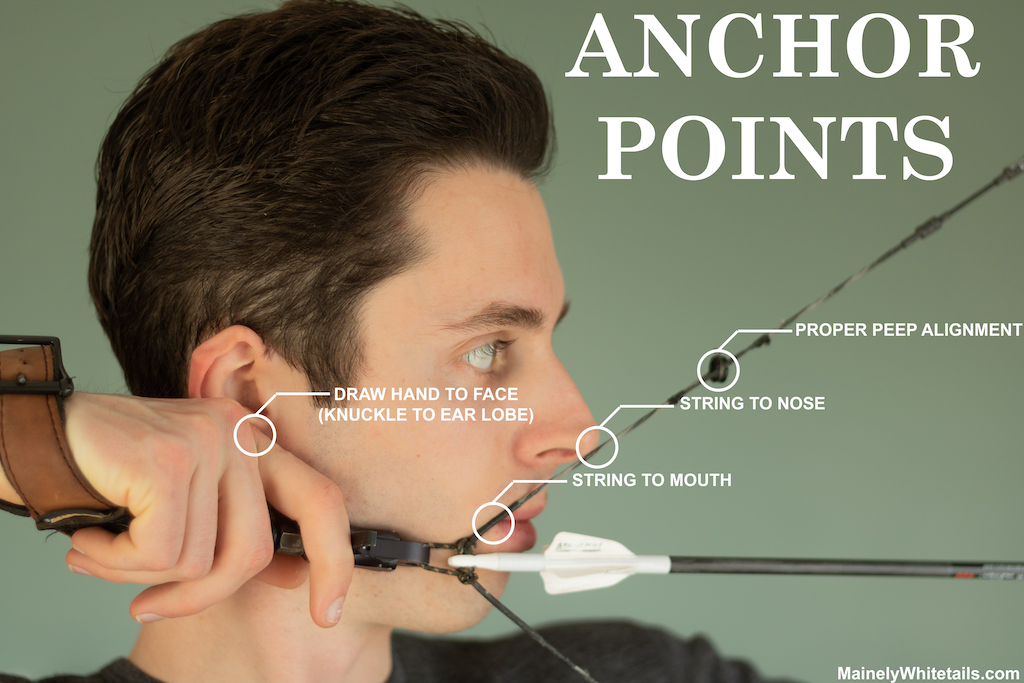
Anchor Consistently Every Time
Your drawing hand must touch the same spot on your face for every shot. Common anchor points:
– Corner of the mouth
– Under the jaw
– Side of nose
Use tactile cues: tie a knot in your D-loop or install a nose button so you feel contact with your cheek and nose. This ensures repeatable head position and peep alignment.
Follow Through Like a Pro
- Physically: Keep your bow arm up, grip relaxed, and head still until the arrow hits.
- Mentally: Stay focused on the target. Don’t drop your bow or turn your head early.
Most misses happen after the release. A clean follow-through locks in good form.
Control Breathing and Eliminate Target Panic
Breathe Correctly at Full Draw
Draw with a deep breath. Exhale halfway, then pause. Stop breathing during the shot. Resume after follow-through. This stabilizes your body and reduces movement.
Train for a Surprise Release
Target panic—the flinch before release—ruins accuracy. Combat it by practicing with a back-tension release in the off-season. It fires when your back muscles contract, teaching you to aim without anticipating the shot. Switch back to your regular release 2–3 weeks before season.
Execute High-Percentage Shots Only
Short Shots: Don’t Rush the Draw
Most bowhunting happens within 20 yards, yet hunters often panic when a deer appears. Let the deer walk past before drawing. This gives you a better angle, reduces the chance of being seen, and calms your nerves. Use 3D targets to practice treestand-height shots. Learn to aim using your second or third pin, or aim slightly high with your top pin.
Long Shots: Only If You’re Ready
Shots beyond 40 yards are controversial. Only attempt them if you’ve practiced at 50–60 yards regularly. Long-range practice exposes form flaws and builds confidence. But in the field, hunt closer than you can shoot. A 30-yard max range keeps you ethical and effective.
Stop Moving Deer Before Shooting
Never shoot a running deer. But a briskly walking buck? You can stop it. Make a soft “uurrpp” sound—deer often freeze to identify the noise. Wait until it’s 15–20 yards away, then take the shot. Decide in advance: will you track with the pin or hold ahead and wait?
Set Up for Success: Stands and Blinds
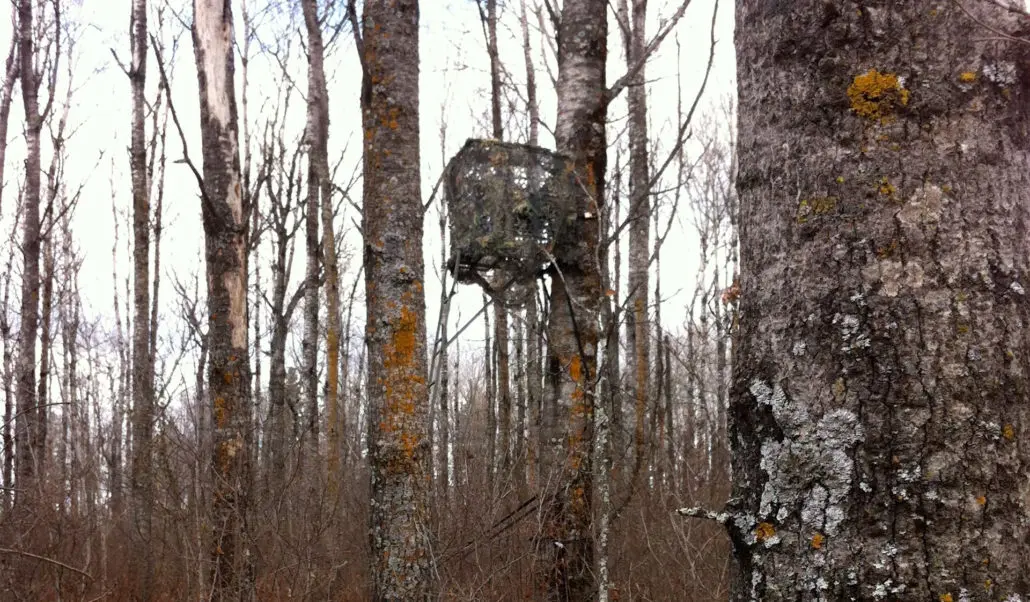
Hang Tree Stands at 15–20 Feet
This height offers the best balance of concealment and shooting angle. You’ll see the lungs clearly on a broadside deer 20–35 yards away. Higher stands (17–20 ft) carry your scent over incoming deer. Choose trees with thick horizontal cover—limbs, foliage, or multiple trunks. Scout from 50–70 yards away, crouch down, and look up: can you see yourself? If yes, so can a deer.
Use Ground Blinds Strategically
Ground blinds let you sneak in quietly, stay dry, and move slightly without spooking game. Set them up weeks in advance to let deer get used to them. Use natural brush or pop-up models like Barreton. Position for wind and shooting lanes. Test visibility during daylight. Best locations: food plot edges, high-traffic trails, bedding areas.
Control Scent and Read the Wind
Never Hunt Into the Wind
Deer rely on smell first. If your scent blows toward them, you’ll never see a mature buck. Always hunt with the wind in your face or crosswind. Use milk in a small container to test wind direction—watch how it flows. Carry scent wafers or powder puffers for real-time feedback. Apps like HuntWise and Onyx predict wind patterns based on terrain.
Hunt Thermals on Sunny Slopes
On clear days, warm air rises on east- and south-facing slopes. In the morning, sneak above deer and let your scent rise above them. This lets you get closer without detection.
Recover Game Effectively and Ethically
Wait 15 Minutes Before Tracking
It feels long, but rushing scares wounded deer. Most double-lung hits result in short, predictable blood trails—even up to 200 yards. Let the animal expire quietly. One person should mark the shot location. Use the last known position to start the search. Don’t bump the deer.
Process Quickly in Warm Weather
On days over 80°F, field-dress immediately. Pack out fast and keep meat cool. Time is critical to prevent spoilage and fly infestation.
Final Note: Hunt Smarter, Not Harder
Success in archery hunting isn’t about luck—it’s about preparation. Lower your expectations early, master your gear, and prioritize high-percentage shots. Control wind, stay patient, and trust your training. Whether you’re in a treestand at dawn or stalking a mule deer at dusk, these archery hunting tips give you the edge. Now go make your first kill—and start living like a hunter who gets results.

0 Comments