Bowhunting for deer is not just a sport—it’s a test of patience, precision, and respect for the wild. Unlike firearm hunting, where shots can be taken at 100+ yards, archery demands you get dangerously close—often within 17 to 20 yards—to your quarry. This proximity means every detail matters: your scent, your noise, your shot placement, and your preparation. Success doesn’t come from luck; it comes from consistent, intelligent effort long before opening day.
For new and experienced bowhunters alike, mastering archery deer hunting means embracing a mindset of humility, preparation, and adaptability. You must be ready to draw on a live buck, shoot accurately under pressure, and make ethical decisions in split seconds. This guide delivers actionable archery deer hunting tips—no fluff, no guesswork—just proven strategies from seasoned hunters, backed by real-world data and expert insights. Whether you’re chasing your first deer or fine-tuning your rut strategy, these tactics will help you close the distance and make every draw count.
Lower Your Standards to Succeed
Hunt Any Deer First
If you’re a beginner, your first goal should be simple: harvest any deer. That means does, fawns, or young bucks. Setting your sights too high—like waiting for a trophy 8-pointer—drastically reduces your chances. Most new bowhunters never even get a shot at a big buck because they pass up every opportunity waiting for perfection.
Instead, follow the advice of veteran hunter Tony J. Peterson: “Set the bar so low a turtle can clear it.” Taking a smaller deer builds confidence, teaches fieldcraft, and gives you real-world experience with wind, movement, and shot execution. You’ll learn how deer react to noise, how wind shifts ruin stands, and how hard it is to draw silently when a buck steps into range.
Once you’ve made that first ethical harvest, everything changes. You’ll understand the rhythm of the woods, the value of stillness, and the importance of preparation. Then—and only then—should you raise your standards.
Focus on Learning, Not Killing
Archery hunting is a journey. Success isn’t measured solely by meat in the freezer—it’s about growth. Did you read the wind correctly? Did you stay hidden? Did you make a clean shot?
Treat every hunt as training. Even if you don’t shoot, you’re building discipline. You’re learning deer patterns, testing gear, and improving mental toughness. These intangible wins compound over time.
Embrace failure. Missed opportunities teach more than easy kills. Each sit sharpens your instincts. Over time, you’ll develop a sixth sense for when a buck is about to appear—and that’s when you’ll be ready.
Choose the Right Bow and Gear
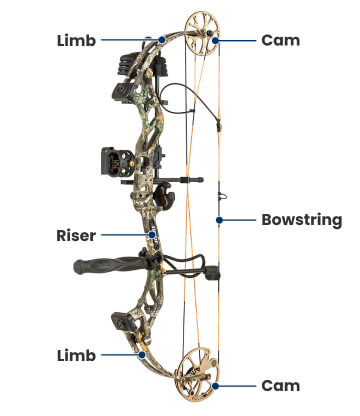
Pick a Bow That Fits You
Your bow is your lifeline. For most, a compound bow is the best choice—accurate, powerful, and forgiving. Modern mid-priced models outperform older flagship bows, so don’t overspend. Focus on fit and feel.
Visit a local pro shop and test multiple models. Pay attention to draw length—too short or too long ruins form and accuracy. Adjust draw weight so it’s comfortable under stress. If pulling 70 pounds feels hard in your backyard, it will feel impossible when a buck steps into range.
Crossbows are ideal for those transitioning from firearms or with physical limitations. They offer a shorter learning curve and come with scopes, making them beginner-friendly. But they’re louder and heavier, so consider mobility and noise.
Match Arrows and Broadheads
Use high-quality, straight carbon arrows. Micro-diameter shafts fly flatter and penetrate deeper but cost more. For most hunters, standard carbon arrows are sufficient and more forgiving.
Broadheads make or break your shot. Fixed-blade or replaceable-blade models are more reliable than mechanicals, especially for beginners. Cut-on-contact designs slice tissue cleanly and penetrate better.
Always use brand-new blades—never reuse dull ones. And crucially, practice with the same broadheads you hunt with. Field points often fly differently, leading to missed shots.
Essential Accessories You Can’t Skip
- Lighted nocks: Help track arrow flight and confirm impact in low light.
- Range finder: Critical for judging distances in the field. Practice estimating range before using it.
- Wind check tools: Use grass, breath, or dust to detect wind shifts. Apps like HuntWise or Onyx help predict patterns.
- Tree stands: Get you off the ground, out of sight, and above scent level. Ensure quiet climbs—fix squeaks and rattles.
- Ground blinds: Excellent for open terrain. Set them up at least one week in advance so deer accept them as part of the landscape.
Master Practice and Shot Readiness
Practice Farther Than You Plan to Shoot
Most bowhunters never shoot beyond 30 yards—but you should practice at 50–60 yards. Why? Because shooting longer distances makes 30-yard shots feel easy. It exposes flaws in form, anchor point, and release.
But in the field, hunt closer than you think. The average successful shot is just 17 yards. Get within 20, and your odds of a clean kill skyrocket.
Train for Real-World Shot Scenarios
Don’t just shoot from a bench. Practice under realistic conditions:
Short Shot (0–10 Yards)
Deer often walk in close unexpectedly. Use 3D targets from a treestand to simulate angles. Aim high or use a second/third pin to avoid poor arrow trajectory. Despite seeming easy, short shots require dedicated practice.
Long Shot (40–50 Yards)
Common near food plots or field edges. Practice at 60 yards to build confidence. Know your bow’s limits—don’t shoot beyond ethical range.
Moving Shot
Frequent during rut. Limit distance to 15–20 yards. Two methods: track with your pin or lead the deer slightly. Or use a soft “uurrpp” sound to stop a walking buck.
Quick Shot
Deer appear suddenly. Keep your bow in hand. Hunt standing when possible for faster draw. Critical in snow or wet conditions when stealth is harder.
Zero and Tune Your Bow
Ensure broadheads hit the same spot as field points. If not, tune your bow. Watch YouTube channels like Nock On Archery or Inside Out Precision for step-by-step tuning guides. A poorly tuned bow kills accuracy and confidence.
Set Up Stands and Blinds Strategically
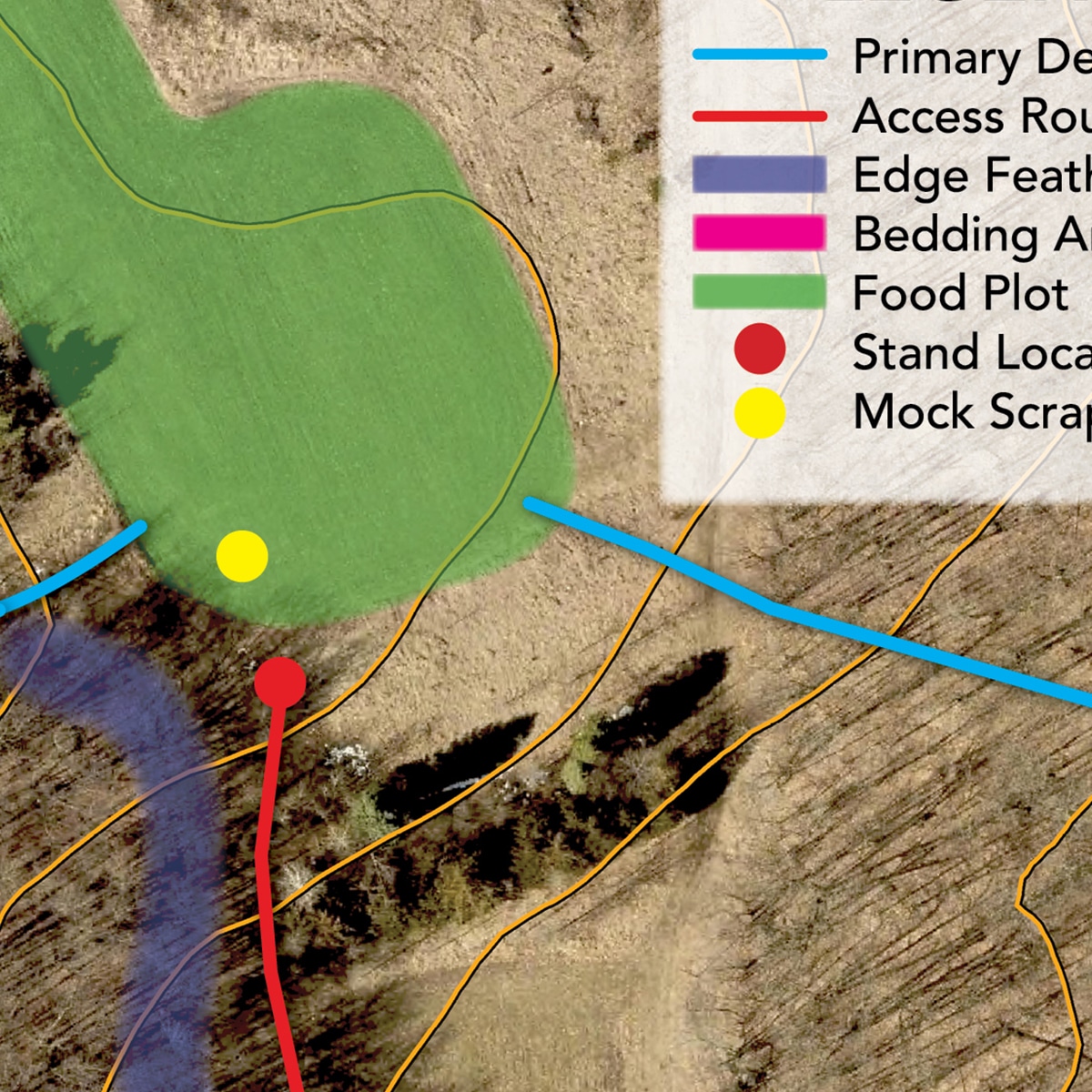
Hunt Food, Water, and Travel Corridors
Deer must eat and drink daily. Focus on bean fields, food plots, oak stands with acorns, or water sources. These are predictable and effective for both public and private land.
Avoid gimmicks early—skip decoys and calls until you’ve mastered scouting, wind reading, and concealment.
Hang Stands Midday, Trim Lanes Early
Hang tree stands when deer are inactive—midday. Trim shooting lanes by August 1st so cut branches look natural. Choose trees with covert access and egress.
Place Ground Blinds Wisely
Use in cornfields, food plots, or along fencelines. Brush them in thoroughly. Plan entry/exit routes that zig-zag to avoid detection. Never leave gear inside—rodents chew through it and leave scent.
Scout Like a Pro
Scout Early and Often
After snow melts and before leaves fill in, scout for rubs, scrapes, tracks, droppings, beds, and trails. Use binoculars to glass feeding areas in late afternoon.
Use Trail Cameras Smartly
Minimize human contact. Use cellular cameras or change SD cards at night. Place them on:
– High-traffic trails
– Mock scrapes
– Mineral licks (where legal)
– Food plot entry points
Look for patterns: Does a buck enter a field corner every evening at 6:15 PM? That’s your setup spot.
Adapt Tactics by Season
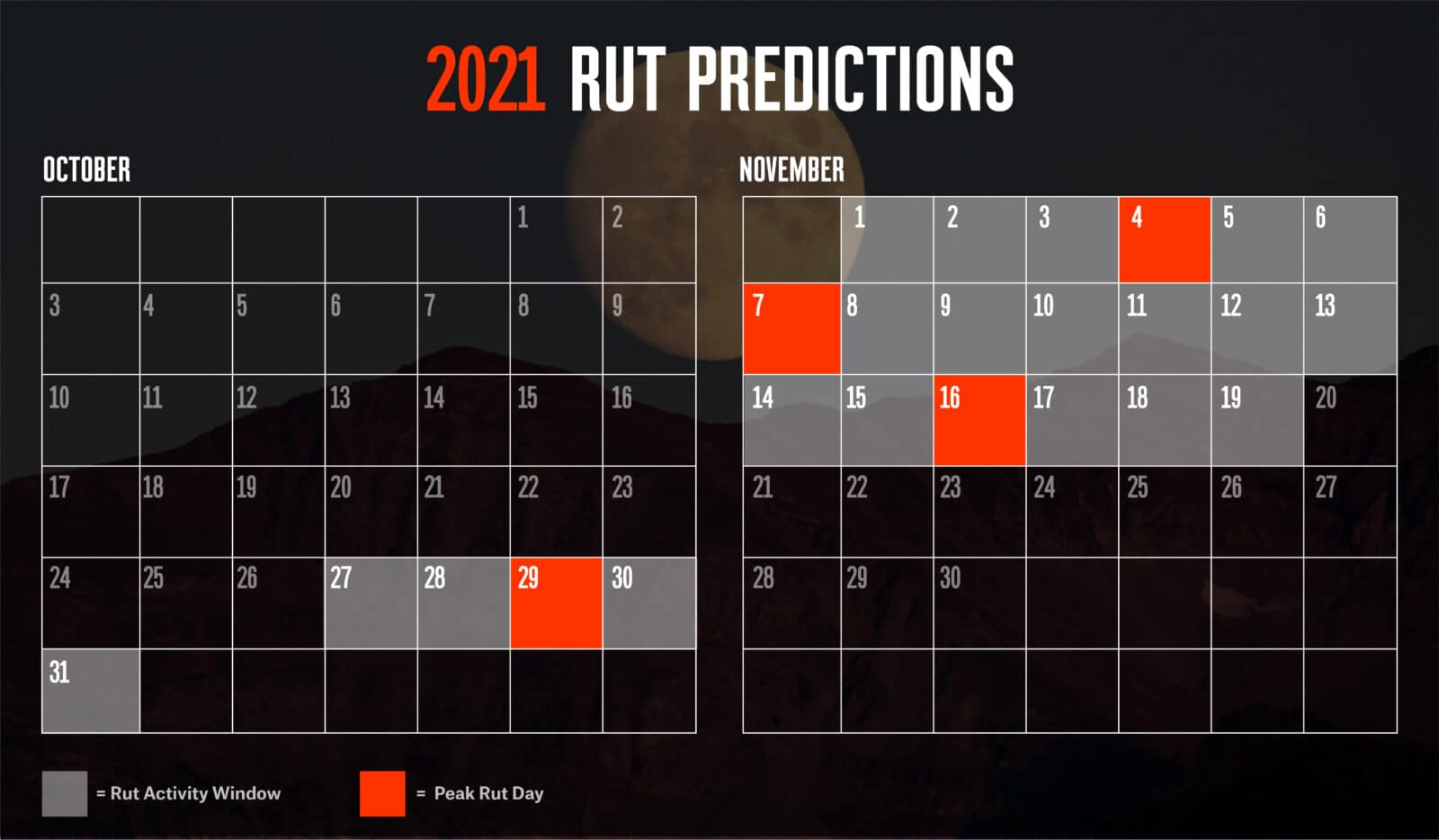
Early Season: Focus on Food
Deer are relaxed and predictable. Hunt evenings when they move from bedding to feeding. Avoid mornings—you risk spooking them.
Target bachelor groups. Use a subdominant buck decoy facing the trail to trigger curiosity. Add light rattling if the biggest buck hesitates.
October Lull: Hunt “Ice Cream Trees”
When acorns drop, deer scatter. Focus on oaks with sweet, capless acorns—called “ice cream trees.” Signs: no visible acorns, churned leaves, droppings, rubs.
Scout for rubs—even if few nuts remain, bucks may still patrol.
Scrape Week: Hunt Daylight Bucks
In late October, rising testosterone triggers increased daylight activity. If trail cams show bucks visiting scrapes during the day, hunt them.
Set up upwind of scrapes near bedding areas. Use rattling and calling to draw in curious bucks.
Rut Phases: Know When to Act
Seeking Phase (Early November)
Bucks search for does. Hunt ridge ends, hogsbacks, gully tops—high vantage points with funnels. Use grunt calls and rattling to mimic fighting bucks.
Chasing Phase
Look for running tracks, broken sticks, snorting. Set up near thick bedding cover or pinch points. Call aggressively—bucks losing track of does may investigate.
Peak Rut
Focus on doe bedding areas. Find clusters of oval beds in brushy knolls or overgrown pastures. Set up downwind—mature bucks scent-check from the edge.
Monitor activity: passive does aren’t in heat; pacing, bawling does likely are.
Post-Rut
Target last estrous does and tired mature bucks. Hunt macro funnels—travel corridors between food and bedding. Use mapping apps to find creeks, ridge systems, waterways.
Also look for hidden food sources: remote food plots, clearcuts, oak ridges.
Late Season: Hunt Hot Food Sources
Cold weather and snow restrict deer to core areas. Focus on standing crops (corn, sunflowers), cover crops, or oaks with remaining acorns.
Hunt afternoons—deer move late. Use ground blinds to stay warm and concealed. Move with extreme caution—one mistake clears the field.
Master Ground Hunting Techniques
Use a Stool in Open Country
In states like Kansas or Nebraska with few trees, stool hunting works. Sit behind downed logs, crop rows, or sunflower stalks.
Stay completely motionless. Draw only when deer is in range. Best for ambush when patterns are predictable.
Hunt from a Ground Blind
Pros: undetected entry, stay dry, slight movement allowed, great for those afraid of heights.
Cons: limited visibility, requires brushing-in, needs clear shooting lanes.
Set up at least a week early. Use natural vegetation to blend in.
Spot-and-Stalk When Conditions Are Right
Common in prairies or CRP fields. Best during rut when bucks are distracted.
Use wind to your advantage. Move slowly, stop often. Be ready to draw at 30+ yards.
Weigh risk vs. reward: if you spook a buck, you may educate him. But if the situation is right, take the shot.
Make Ethical, Lethal Shots
Aim for the Vital Zone
Broadside shot: Aim just behind the front shoulder, 40% up from bottom, 60% down from top. Goal: double-lung penetration.
Quartering-away: Aim in line with the back of the opposite front leg.
Quartering-toward: Aim slightly forward of shoulder crease, avoiding heavy bone.
Some modern hunters aim in the shoulder crease using tough fixed-blade broadheads. But for most, behind-the-shoulder remains the safest bet—largest target, least bone.
Follow Post-Shot Protocol
Wait 15 minutes before tracking. Adrenaline can make you think you missed when you didn’t.
One hunter stays at stand, one tracks—prevents blood trail contamination.
Use a bow-mounted camera to review the shot immediately.
Don’t assume a short blood trail means a miss. Double-lunged deer can travel over 200 yards before expiring.
Final Tips for Consistent Success
Practice Relentlessly
Success comes from reps. Practice drawing, aiming, and releasing under real conditions—standing, sitting, from height.
Control Scent and Noise
Always hunt downwind or crosswind. Wear scent-free, quiet clothing. Use carbon-lined gear. Eliminate noise from clips, zippers, or stabilizers.
Scout and Pattern Deer
Use cameras, glassing, and sign to learn movement. A simple pattern—like a buck entering a field at dusk—is gold.
Set Up Early, Stay Silent
Hang stands and blinds well in advance. Avoid revisiting. Let deer accept them.
Be Patient and Rotational
Have 3–4 stand locations for different wind directions. Skip poor weather sits to preserve stand integrity.
Success often comes after multiple failed attempts. Stay committed.
Final Note: Bowhunting begins where gun hunting ends. It demands skill, silence, and respect. By mastering wind, practicing realistically, and hunting with patience, you’ll turn close calls into clean kills. These archery deer hunting tips aren’t theory—they’re battle-tested strategies that work. Now go earn your tag.

0 Comments