Ducks are sharp-eyed predators of motion, shape, and color. A bright red or neon green kayak might be perfect for weekend fishing—but in duck hunting, it’s a death sentence for stealth. Even if your aim is true, ducks will flare long before you get a shot if they spot the unnatural silhouette of a seated hunter in a sleek, geometric boat. The solution? Transform your kayak into a floating extension of the marsh. Success hinges not just on color, but on breaking up the outline, matching the habitat, and eliminating shine and movement. This guide delivers proven, field-tested methods to camouflage any kayak—using paint, covers, natural vegetation, or a hybrid system—so you stay hidden, undetected, and in range.
Break Up the Kayak’s Silhouette to Fool Duck Eyes
Eliminate Straight Lines and Reflections
Ducks don’t just see color—they recognize patterns. A smooth, glossy kayak with clean edges screams “man-made.” To beat their visual radar, disrupt the shape with irregular textures and shadow lines.
Start by identifying high-glare zones: cockpit rims, hull sides, and paddle blades. These surfaces catch sunlight and create flashes that alert birds from 100+ yards away. Replace shine with matte finishes and jagged textures. Use ragged netting, stenciled paint, or loose raffia to fracture the outline. The goal is to make your kayak look like a clump of floating reeds, not a vessel.
Pro Tip: Lie down at water level and view your kayak from 50 yards. If it still looks like a boat, it needs more disruption.
Use 3D Texture to Mimic Wetland Cover
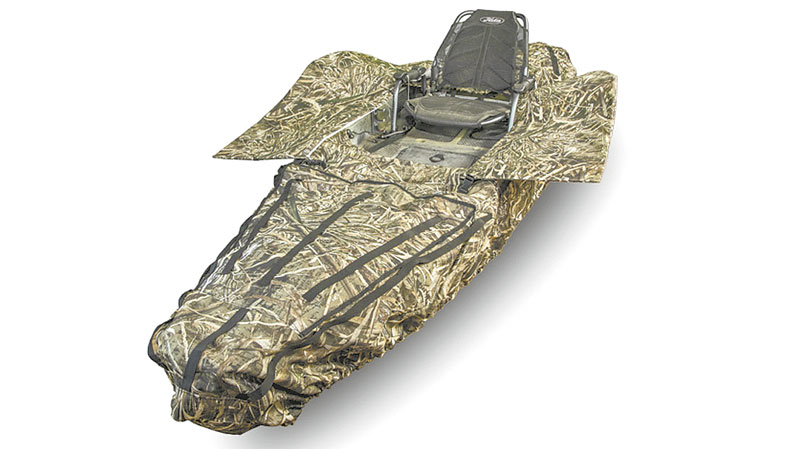
Flat paint alone won’t cut it. Ducks live in environments full of depth—cattails sway, grass clumps float, and shadows dance. Your kayak needs three-dimensional texture to sell the illusion.
Attach raffia grass, artificial cattails, or camo netting to create movement and shadow. For long-term setups, build a low-profile A-frame from PVC or fiberglass poles and drape netting over it. This keeps cover elevated, dry, and realistic. Let some material dangle into the water to mimic floating vegetation—this subtle touch convinces even wary birds.
Match Your Local Habitat for Maximum Concealment
Choose the Right Camo Pattern by Environment
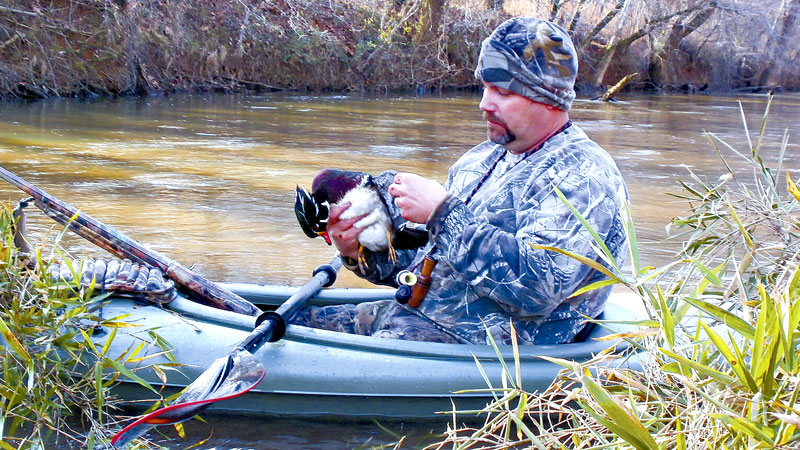
Using woodland camo in an open marsh is like wearing snow gear in the desert—it defeats the purpose. Tailor your setup to your hunting zone.
Freshwater Marshes
In cattail-dense areas, use olive drab, tan, and muted green. A spray-painted base layered with raffia grass works best. Add cut cattails (harvested legally or artificial) for realism.
Saltwater Estuaries
Here, colors shift to slate grey, olive, and sandy tan. Avoid black-heavy patterns—they stand out against light water. Use a camo cover with grey netting and shell-colored raffia for a natural look.
Wooded Backwaters
Go darker: deep green, black, and brown. Paint the hull and add burlap strips or leafy vines. Spray your paddle with flat black paint to eliminate glare.
Paint Your Kayak for Permanent, Budget Stealth
Prep the Surface Like a Pro
Plastic kayak hulls resist paint unless prepped correctly. Sanding is non-negotiable.
Wash the kayak with soapy water, then dry thoroughly. Use 220–320 grit sandpaper to scuff the surface until shiny areas are gone. Wipe away dust with a clean cloth. Skip this step, and your paint will peel after one use.
❗ Field-Tested Fact: Unsanded paint flakes off with minimal contact; sanded paint withstands abrasion and UV exposure.
Apply Camo Spray in Natural Layers
Use plastic-specific spray paint like Rust-Oleum for durability.
- Olive drab: Apply just above the waterline and inside the cockpit
- Tan: Blend upward for a natural transition
- Black: Add sparingly at rail edges to create shadow depth
For realism, use crumpled paper or real cattails as stencils. Lightly spray black paint around the edges to mimic organic patterns. Avoid solid blocks—ducks spot repetition instantly.
Seal and Protect the Finish
After 30–60 minutes of drying, apply a matte clear coat. This prevents UV fading and scratches. Reapply annually and touch up chips with matching paint.
- Cost: $15–$35
- Durability: 1–2 seasons
- Setup Time: 2 hours (including drying)
Use a Camouflage Cover for Fast, Reversible Concealment
Choose a Commercial Kayak Blind
The YakGear Ambush Cover is the top choice for quick, reliable concealment.
It fits 12’–14’ kayaks with a drawstring hem and includes Velcro shooting ports, pre-cut hatch access, and webbing straps for attaching real brush. It folds into a stow bag for transport.
⚠️ Downside: Adds drag—paddling feels like towing a raft.
User Feedback:
- “Paddling with it on is like dragging a cinderblock.” — Dennis H.
- “Perfect for reed-heavy backwaters.” — Jim C.
Build a DIY Camo Cover
Save money with a custom solution.
Buy camouflage rip-stop fabric (~$35). Cut a cockpit hole 1–2 inches smaller than your body for a tight fit. Secure with bungee cords or paracord. Layer camo burlap over bright areas using black zip ties.
Advantages:
- Fully reversible
- Weighs under 38 lbs
- Setup in under 20 minutes
Add 3D Natural Camouflage for Ultimate Realism
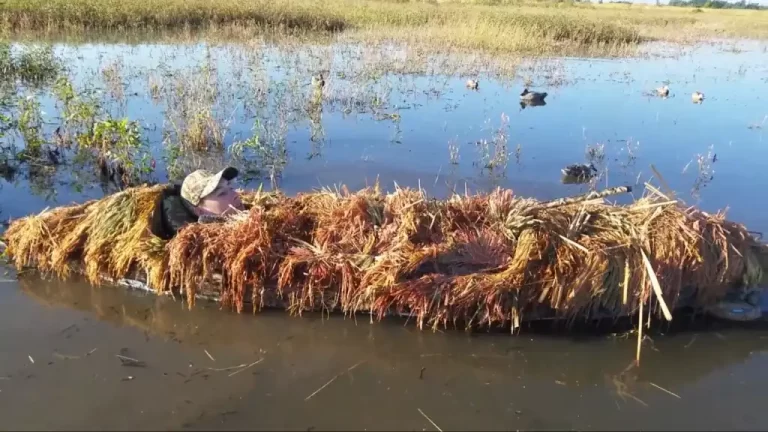
Attach Raffia Grass or Cattails
This is the most effective method—realistic texture and movement.
Use raffia grass ($2/bag at Walmart) or artificial cattails. Attach them to 2″x4″ plastic mesh fencing using UV-resistant zip ties. Drape the mesh over the kayak and secure at bow and stern. Darken overly bright raffia with flat black spray.
🦆 Hunter Note: One user used 5 bags for two kayaks—plan accordingly.
Install Long-Lasting Grass Mats
For durability, use realgrass or fastgrass erosion mats from landscaping stores. Attach to semi-rigid black mesh with zip ties. These mats last up to 15 years with seasonal use.
Build a Lightweight Support Frame
Keep cover elevated and dry with a PVC or fiberglass A-frame. Drape camo netting over it and insert raffia or cattails. Keep height under 24 inches—tall blinds stand out.
🌿 Utah Waterfowl Tip: Low profile wins—tall structures attract attention.
Combine Methods: The Hybrid Advantage
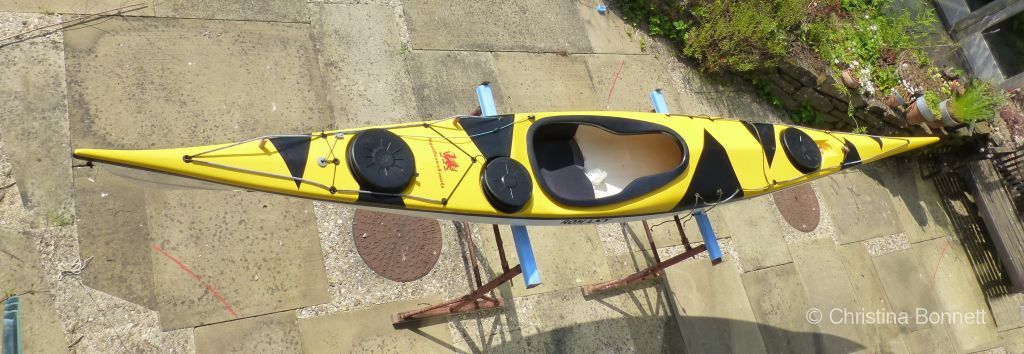
Paint + Cover + Brush = Ultimate Concealment
Top hunters layer their camouflage for maximum effect.
Triple-Layer System:
- Base: Spray-painted hull (olive/tan/black, sanded and sealed)
- Mid-layer: YakGear Ambush cover with Velcro flaps
- Top layer: Raffia or cattails attached via webbing straps
“Breaks up straight lines perfectly.” — tripleb, veteran hunter
Cockpit Concealment That Works
Even if the kayak is hidden, your upper body can give you away.
Use Hunters Specialties blind material with shock cord. Cut a U-shape for seating. Pull it back to enter, then lay it over your legs when hunting. Alternatives include camo burlap with elastic hem.
Alternative Camo Materials & Fixes
Use Burlap for Budget Texture
Burlap is cheap and blends in cattail zones.
Pros:
- Inexpensive (<$10)
- Easy to cut and attach
- Can be spray-painted
Cons:
- Absorbs water—gets heavy and smelly
- Degrades fast—replace yearly
- Leaves fibers—bad for the environment
❗ “Wet burlap smells bad and is a hassle.” — forum user
Tape Over Bright Spots
For quick fixes, use non-reflective camo tape.
- Duck tape (matte): Temporary fix
- Gorilla Tape (camo): Durable, stays on in rain
- Peel off after season—no residue if removed promptly
Avoid Gimmicks
Skip gluing feathers—it’s impractical and looks fake. Never fill your kayak with water—it’s a joke, not a strategy.
Position and Use Your Camo Kayak Wisely
Anchor Quietly and Strategically
Even perfect camouflage fails with poor placement.
Use a stake-out pole instead of a noisy anchor. Position parallel to shore or within reed beds. Avoid open water unless surrounded by decoys.
Control Movement and Light
- Stay still when ducks are circling
- Use wind-activated camo strips to mimic natural motion
- Test at dawn or dusk—low light reveals flaws
🌅 Pro Tip: Watch your shadow—on bright mornings, it can stretch across the water and spook birds.
Maintain Your Camo System
Care for Painted Kayaks
- Clean with soft cloth and mild soap
- Never pressure wash
- Store indoors or under UV cover
- Touch up annually
Store Covers and Brush Properly
- Rinse and dry completely
- Store in stow bag
- Inspect zip ties for brittleness
- Discard moldy raffia or burlap
Follow Legal and Environmental Rules
Practice Leave No Trace
- Don’t harvest live plants from protected wetlands
- Use invasive species like phragmites if allowed
- Remove all zip ties, mesh, and artificial materials after use
Check State Hunting Regulations
Some areas restrict:
– Permanent kayak modifications
– Floating blinds
– Motorized concealment
📋 Before you go: Visit your state wildlife agency website for rules.
Pro Tips from Successful Duck Hunters
“Think like a duck—they see color, shape, and motion better than we do.”
“Sanding is non-negotiable—paint won’t stick without it.”
“Less is more—subtle shadows beat solid blocks.”
“Test at dawn—lighting changes everything.”
“Shotgun recoil won’t tip you—myth busted.”
The best duck hunting kayak isn’t the most expensive—it’s the one the ducks don’t see. By combining proper prep, smart color choices, 3D texture, and stealthy behavior, you turn any kayak into a deadly-effective blind. Start simple, test early, and refine each season. With these methods, you’ll stay hidden, stay dry, and stay in the game.

0 Comments