When you’re gearing up for duck season, your dog is more than a companion—they’re your most trusted field partner. Duck hunting dogs, also known as waterfowl retrievers or gun dogs, are specially bred to endure the harshest conditions: freezing water, thick cattails, and long, demanding retrieves. The right breed can turn a grueling day into a successful harvest, while the wrong match might leave you frustrated and empty-handed.
Among the many types of duck hunting dogs, a few stand out for their proven performance, resilience, and trainability. While the Labrador Retriever dominates blinds across North America, there’s a surprising variety of breeds—from compact spaniels to rugged versatile pointers—that excel under specific conditions. Whether you’re hunting from a kayak in flooded timber or braving ice-choked lakes in a layout boat, there’s a breed built for your style.
This guide dives deep into the top duck hunting dog breeds, detailing their strengths, limitations, and ideal hunting environments. You’ll learn which dogs thrive in sub-zero temperatures, which fit best in tight boats, and which offer dual-purpose versatility for both upland and waterfowl. Most importantly, you’ll discover how to choose a breed that fits your lifestyle, not just your gear list.
The Top 3 Duck Hunting Retrievers
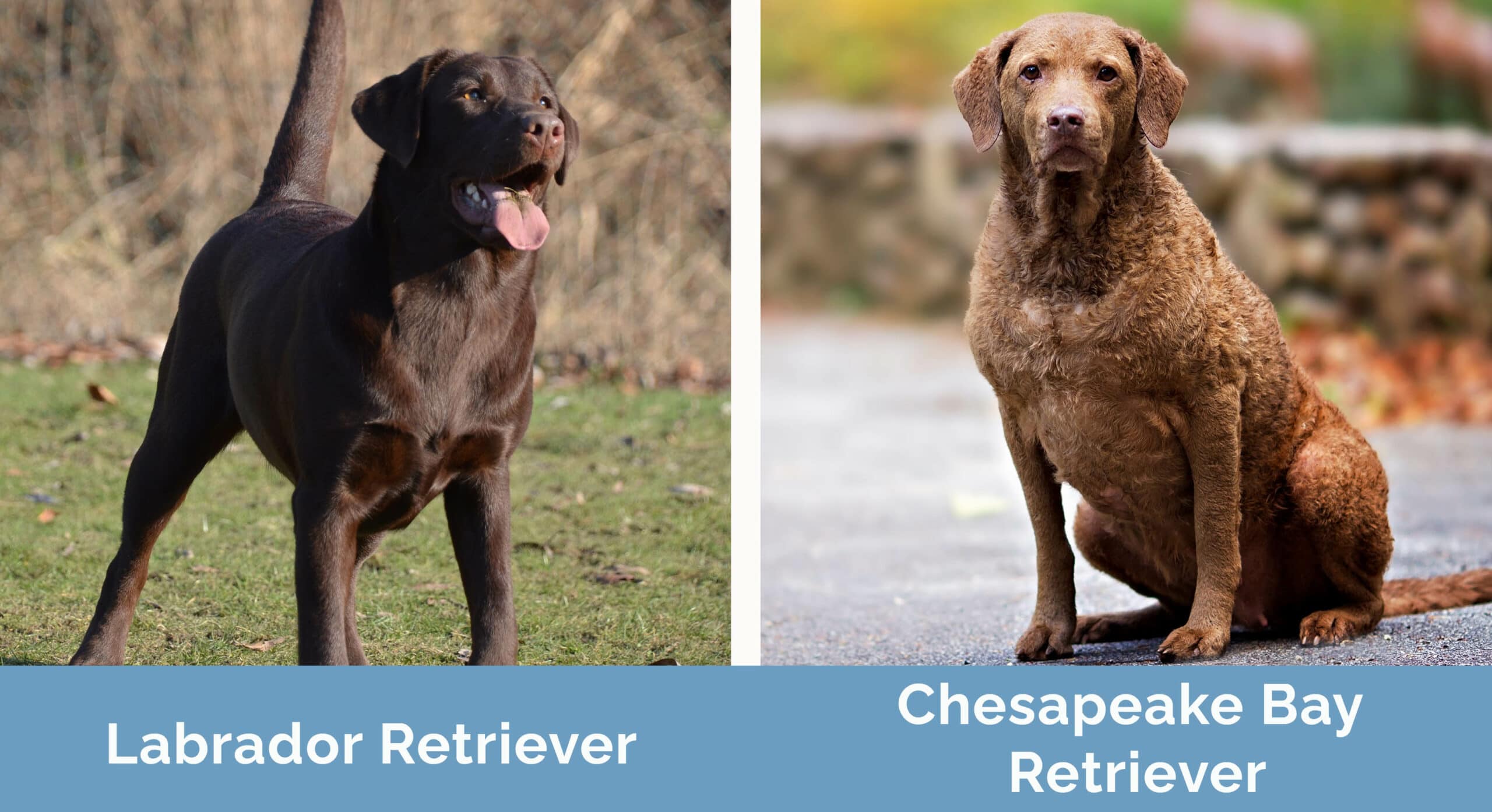
These are the most trusted and widely used retrievers in North America. Known as the “big three,” they dominate duck hunting due to their reliability, trainability, and availability from performance-tested lines.
Labrador Retriever: The Gold Standard
The Labrador Retriever is the #1 choice for duck hunters—and for good reason. Originally bred from Newfoundland fishing dogs, Labs combine strength, intelligence, and an unmatched love for water. They’re not just family favorites; they’re elite performers in cold lakes, coastal marshes, and flooded cornfields.
Why Labs Dominate:
– Natural retrieving instinct with a soft mouth
– Exceptional stamina in icy water and rough terrain
– Highly biddable and quick to train
– Friendly, adaptable temperament for home and field
Labs possess webbed feet and a dense, waterproof double coat that allows them to swim for hours and even break thin ice. Field-bred Labs, in particular, are leaner, faster, and more driven than show-line counterparts, making them ideal for serious waterfowlers.
“If all I did was waterfowl hunt, I can’t think of any negatives to owning a Lab.”
— ShootsTowardsDucks
Pro Tip: Always source from field-bred lines. Show-bred Labs may lack the intensity, endurance, and physical structure needed for real hunting.
Golden Retriever: Gentle but Driven
Don’t be fooled by their family-dog reputation—Golden Retrievers were originally bred to retrieve waterfowl. When selected from field-bred stock, they become capable, soft-mouthed hunters with strong swimming ability and natural bird sense.
Key Strengths:
– Calm, steady presence in the blind
– Excellent with kids and other pets
– Profuse shedding requires frequent grooming
– Less cold-tolerant than Labs or Chessies
Field-bred Goldens are noticeably leaner and more energetic than show-line dogs. However, many modern Goldens are bred for looks, not performance—so vet your breeder carefully.
“From structure to temperament… it’s almost like two completely different breeds.”
— Curt Zenefski, Maple Creek Acres
Critical Note: Avoid show-line Goldens for serious duck hunting. They often lack the drive, stamina, and water affinity required.
Chesapeake Bay Retriever: Built for Brutal Cold
If you hunt in northern climates with frozen marshes and frigid winds, the Chesapeake Bay Retriever is your best bet. Developed on Maryland’s Eastern Shore, Chessies were bred to retrieve diving ducks in icy bay waters—often making over 100 retrieves in a single day during the market hunting era.
Why They Excel:
– Oily, waterproof double coat insulates against cold
– Muscular build and powerful hindquarters for strong swimming
– High mental toughness and work ethic
– Protective nature makes them excellent watchdogs
Temperament Consideration: Chessies are loyal but aloof with strangers. They’re independent thinkers and don’t respond well to harsh training. Best suited for experienced handlers.
Best For: Hunters in the Midwest, Northeast, and Canada facing extreme winter conditions.
“Chesapeakes are popular waterfowl dogs for one reason: their hardiness.”
— Article 2
Small-Boat and Regional Duck Dogs

Not all duck hunting happens from large layout boats. In southern swamps, canoes, or jon boats, smaller, agile dogs are often preferred. These breeds are compact, lightweight, and built for tight cover and confined spaces.
Boykin Spaniel: The Southern Hunter’s Choice
The Boykin Spaniel is one of the few all-American duck dogs and the official state dog of South Carolina. Weighing just 30–40 pounds, it’s ideal for small watercraft and dense flooded timber.
Field Advantages:
– Fits easily in canoes and jon boats
– Agile and energetic in thick cover
– Mahogany coat blends well in southern marshes
– Excellent for dove and quail hunting too
Limitations: Poor cold tolerance. Boykins struggle in freezing northern climates and aren’t built for open-water retrieves.
Best For: Southern waterfowlers, kayak hunters, and those who hunt multiple game types.
“Boykins don’t do well in the bitter cold, which is why they haven’t become popular among hunters in the North.”
— Article 2
American Water Spaniel: The Midwest Original
Developed in Wisconsin’s river valleys, the American Water Spaniel was bred for small-boat hunters who needed a dual-purpose dog. Compact and sturdy, it’s perfect for retrieving ducks from canoes and kayaks.
Key Features:
– Liver-colored, wavy or curly coat
– Weighs 25–45 pounds
– Strong swimmer with good endurance
– Loyal and affectionate with family
Though rare today, it’s a hidden gem for hunters who value versatility and size efficiency.
Nova Scotia Duck-Tolling Retriever: The Lure Master
The Toller is the smallest of the retrievers, but it plays a unique role: tolling. This breed lures ducks within range by playing along shorelines—jumping, splashing, and wagging its fox-like tail to mimic a fox or raccoon.
How Tolling Works:
1. Dog plays near water’s edge
2. Curious ducks fly closer to investigate
3. Hunter takes the shot
4. Toller switches to retrieve mode
Other Strengths:
– Agile and fast in water and cover
– Water-repellent red coat handles cold well
– High energy and intelligence
Training Note: Tollers need experienced handlers. They’re sensitive and don’t respond well to force.
“The breed not only retrieves but can actually draw in birds from the unique motion they create.”
— Article 2
Other Waterfowl-Capable Retrievers
Beyond the big three and regional breeds, several lesser-known retrievers shine in duck hunting. These dogs combine intelligence, water love, and versatility.
Irish Water Spaniel: The Tall Marsh Dog
The tallest spaniel breed, the Irish Water Spaniel has a liver-colored curly coat and a distinctive topknot. Bred for sloughs and tidal marshes, it’s a strong swimmer with excellent endurance.
Field Traits:
– Long legs help wade through deep muck
– Natural retrieving drive
– Reserved with strangers
– Low shedding compared to Labs
Though rare, it’s a powerful performer in wetland environments.
Flat-Coated Retriever: The Energetic Performer
With a sleek black or liver coat, the Flat-Coated Retriever is built for speed and agility. It’s one of the most biddable retrievers, though it matures slowly—often not peaking until age 3–4.
Pros:
– Lively and enthusiastic in water
– Excellent family companion
– Highly trainable
Best For: Hunters who want a joyful, cooperative dog with strong retrieving desire.
Curly-Coated Retriever: The Durable Hunter
The Curly-Coated Retriever has the tightest curls of any retriever, providing superior insulation in cold water. Weighing 65–90 pounds, it’s large, athletic, and built for long retrieves.
Why It Stands Out:
– Minimal shedding
– Agile and graceful in water
– Loyal to handler, wary of strangers
– Less common in the U.S., popular in Australia
Requires patient training but rewards with toughness and precision.
Standard Poodle: The Forgotten Water Dog
Yes, the Standard Poodle was originally a duck hunter. Bred in Germany (pudelhund means “to splash”), it has a dense, water-resistant coat and ranks second in canine intelligence.
Hunting Strengths:
– Excellent swimmer and retriever
– Handles cold water well
– Low shedding (ideal for allergy sufferers)
– Highly trainable
Though rarely seen in modern blinds, it’s a historically significant and capable waterfowl dog.
Versatile Pointing Breeds That Retrieve Ducks
These dogs aren’t retrievers by breed standard—but with proper training, they excel at water work. Many pass NAVHDA Utility Tests, proving their ability to find and fetch downed ducks.
Wirehaired Pointing Griffon (Griffon)
The Griffon is a cold-weather powerhouse. With a sturdy double coat and webbed feet, it hunts in sub-freezing temps and breaks ice to retrieve.
Why Hunters Love It:
– Tough, weather-resistant coat
– Calm at home, driven in field
– Retrieves reliably on land and water
– More cooperative than other versatile breeds
Ideal for hunters in the North who want one dog for all seasons.
German Wirehaired Pointer
Rugged and intelligent, the German Wirehaired Pointer handles thorns, snow, and water with ease. Its wiry coat sheds water and resists brush damage.
Key Skills:
– Points, tracks, and retrieves
– Works well in cold, wet conditions
– Loyal and affectionate
Requires active ownership and consistent training.
Pudelpointer
A hybrid of Poodle and Pointer, the Pudelpointer combines intelligence with hunting instinct. Dense, water-resistant coat and high trainability make it a top choice for serious hunters.
Field Advantages:
– Calm temperament at home
– Explosive drive in the field
– Adaptable to various terrains
– Low shedding
Not AKC-recognized but highly respected in field circles.
German Shorthaired Pointer
The GSP is a true all-rounder. Fast, athletic, and eager to please, it retrieves ducks with confidence and handles upland game with precision.
Considerations:
– High energy—needs daily exercise
– Strong swimmer with good endurance
– May be too intense for young children
Best for active hunters who want one dog for everything.
Brittany
Lightweight and agile, the Brittany excels in marshes and dense cover. Though small, it has big drive and retrieves reliably.
Why It Works for Ducks:
– Fast and maneuverable
– Friendly and adaptable
– Good with kids
– Enthusiastic worker
Ideal for hunters who want a versatile, family-friendly dog.
How to Choose the Right Duck Dog
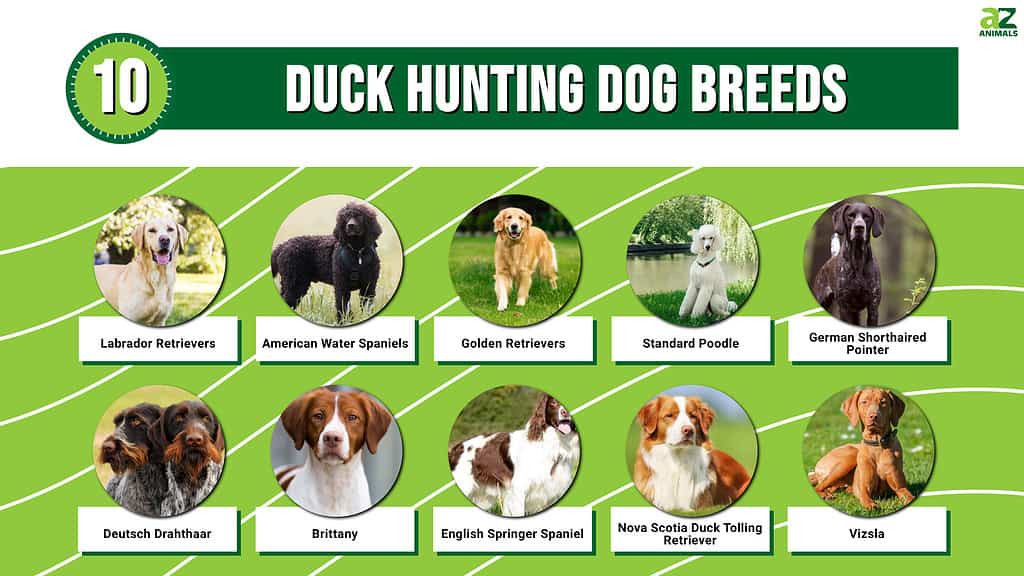
Picking a breed isn’t just about looks or popularity. Match the dog to your hunting style, climate, boat size, and lifestyle.
Match Breed to Environment
- Cold, open water: Chesapeake, Lab, Toller
- Small boats: Boykin, American Water Spaniel
- Marshes and sloughs: Springer, Irish Water Spaniel, Brittany
- Upland + water combo: GSP, Pudelpointer, Flat-Coated Retriever
Know the Breeding Line
- Field-bred dogs have higher drive, better structure, and stronger instincts.
- Show-bred dogs may lack hunting desire.
- Always ask for field trial results and health clearances.
“You’re buying a pedigree, not a puppy.”
— Tom Dokken
Consider Training Commitment
- Easiest to train: Lab, Golden, Brittany
- Need experienced handling: Chessie, Toller, Curly
- Require consistency: Spaniels, Pointers
Think Family Fit
- Best with kids: Lab, Golden, Boykin, Brittany
- Low shedding: Poodle, Curly, Griffon
- Watchdog ability: Chessie, German Wirehaired Pointer
Final Takeaways: Picking Your Perfect Duck Dog
The Labrador Retriever remains the most reliable, accessible choice for duck hunters. But it’s not the only option. From the ice-breaking Chesapeake to the clever Toller and the compact Boykin, there’s a breed for every hunting style.
Key Rules for Success:
1. Prioritize field lines over appearance.
2. Match the dog to your environment—don’t expect a Boykin to thrive in Manitoba winters.
3. Train early and consistently—even natural retrievers need guidance.
4. Choose temperament over trend—a dog that fits your life will perform better.
“Buy any retriever you want, but don’t buy something just to be different.”
— Ray Voigt
A duck hunting dog is more than a tool. It’s a partner in the blind, a protector on the water, and a loyal member of your family. Choose wisely—and you’ll have a companion for life.

0 Comments