If your Sitka hunting jacket no longer sheds water, or your base layers feel stiff and smell long after the hunt, the issue likely isn’t wear—it’s how you’ve been washing them. Sitka Gear uses high-performance technical fabrics like GORE-TEX® and DWR-treated materials that require specialized care. Tossing them in with your regular laundry can permanently damage waterproofing, clog breathable membranes, and shorten their lifespan by years.
The fix? A precise, manufacturer-backed cleaning routine that preserves stealth, scent control, and all-weather performance. This guide delivers a step-by-step process for washing Sitka hunting clothes—based on technical specs, field-tested user practices, and fabric science. You’ll learn exactly how to clean, dry, and maintain your gear so it performs like new, season after season.
Wash Sitka Clothes Only When Needed
Overwashing degrades DWR and breaks down fibers. Underwashing traps odors and blocks breathability. The key is timing.
When to Wash Your Sitka Gear
- After every extended hunt – Remove sweat, blood, dirt, and grime that clog fabric pores and reduce performance.
- Base layers: After every trip—direct skin contact means rapid oil and sweat buildup.
- Outer layers: Only when visibly soiled, smelly, or when water stops beading on the surface.
- Light weekly use: Some hunters wear Sitka pants weekly with no washing—clean only when performance drops.
Pro Tip: Some hunters (like “devon deer”) keep Sitka clothes unwashed to retain natural deer scent picked up in the field. While this can aid stealth, prolonged sweat exposure harms fabric function. Prioritize cleaning if breathability and waterproofing matter.
Use Only Technical Detergents for Sitka Gear
Regular detergents destroy Sitka’s waterproof membranes. Only use cleaners made for technical fabrics.
Safe Detergents for Sitka Hunting Clothes
- Nikwax Tech Wash – Removes oils without damaging GORE-TEX® membranes.
- Granger’s Performance Wash – Detergent-free, no UV brighteners (safe for stealth).
- McNett Tech Wash – Trusted by serious gear owners for synthetic layers.
- McNett Wool Wash – For merino base layers only.
- Unscented baby detergent – Mild alternative used by some hunters (e.g., justinch).
- White vinegar (1 cup) – Add to bleach dispenser to kill odors naturally.
- Baking soda – Deodorizes without leaving harmful residue.
Never Use These Products
- ❌ Regular laundry detergents – Contain enzymes and surfactants that clog GORE-TEX® micropores.
- ❌ Fabric softeners – Coat fibers, killing breathability and moisture-wicking.
- ❌ Bleach or optical brighteners – Damage fabric and may reflect UV light (visible to deer).
- ❌ Scented detergents – Introduce human odors that alert wildlife.
Expert Note: Detergent residue is invisible but deadly. Even small amounts can block pores and ruin performance. Always use the correct product and dosage.
Follow the Correct Washing Steps for Sitka Gear

A proper wash cycle protects seams, zippers, and fabric while removing field contaminants.
Step 1: Inspect and Prepare Clothes
- Check for holes, burns, or tears—repair before washing to prevent worsening.
- Close all zippers, snaps, and Velcro® to prevent snagging.
- Turn clothes inside out to protect the outer DWR finish.
Step 2: Sort and Load Properly
- Wash with similar technical gear (soft shells, base layers).
- Never mix with jeans, towels, or boots—abrasion damages delicate fabrics.
- Don’t overload—allow room for garments to move freely for thorough cleaning.
Step 3: Choose the Right Washing Machine
- ✅ Front-loading washer – Ideal. Gentle on fabrics, no agitator damage.
- ⚠️ Top-loader with agitator – Use only on gentle or delicate cycle. Agitators can tear seams and degrade DWR.
Step 4: Set Wash Cycle Correctly
- Water temperature: Warm (86–104°F / 30–40°C).
- Cycle type: Gentle or normal (not heavy-duty).
- Spin speed: Low to moderate.
Step 5: Add Detergent and Odor Fighters
- Use one cap of technical wash (e.g., Nikwax Tech Wash).
- Add 1 cup white vinegar to the bleach dispenser for odor control.
- Avoid pods—they leave concentrated residues that harm performance.
Visual Cue: After washing, water should run clear. If cloudy, residue remains—rerun rinse cycle.
Dry Sitka Clothes to Reactivate Waterproofing
Drying is not just about moisture removal—it reactivates the DWR finish so water beads again.
Tumble Dry on Low Heat
- Dry time: 30–60 minutes on low to medium heat.
- Why heat? It reactivates the DWR coating—restoring water beading and breathability.
- Do not air-dry GORE-TEX® garments unless you plan to heat-treat afterward.
Avoid These Drying Mistakes
- ❌ Line drying in direct sunlight – UV rays degrade DWR and weaken fabric.
- ❌ High heat – Can melt bonded seams or damage insulation.
- ❌ Storing damp – Leads to mildew and permanent odor.
Pro Tip: After applying spray-on DWR, tumble dry for 30 minutes to cure and bond the treatment.
Reapply DWR When Water Stops Beading

DWR wears down with use. Reapplying it restores performance and prevents “wet-out.”
Signs DWR Needs Refreshing
- Water soaks into fabric instead of beading.
- Outer layer feels damp during light rain.
- Garment feels clammy—sign of breathability loss.
How to Reapply DWR to Sitka Gear
- Wash first with Nikwax Tech Wash to remove oils and residues.
- Use spray-on treatment:
– Nikwax TX.Direct Spray-On
– Granger’s WaterRepel
– McNett DWR Refresher - Spray evenly on damp fabric—focus on shoulders, cuffs, hood.
- Tumble dry 30 minutes on medium heat to bond the treatment.
- Test: Sprinkle water. If it beads and rolls off, DWR is restored.
Why Spray-On Over Wash-In? Spray-ons target high-wear zones and avoid coating the inner lining, preserving breathability.
Care for Specific Sitka Fabric Types
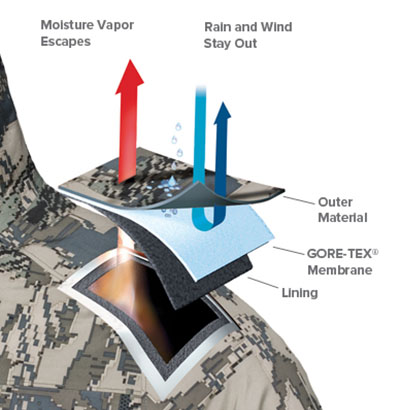
Different layers need different care. Treat each fabric correctly to maximize performance.
GORE-TEX® Jackets and Pants
- Found in Sitka’s waterproof shells and rain gear.
- Clean regularly—sunscreen, bug spray, blood, and sweat clog pores.
- Use Nikwax Tech Wash only—never fabric softener.
- Tumble dry after every wash to reactivate DWR.
Merino Wool Base Layers
- Naturally odor-resistant—wash less often than synthetics.
- Use McNett Wool Wash or hand-wash.
- Never use fabric softener—damages wool fibers.
- Dry flat or tumble dry on low.
Soft Shells and Insulated Layers
- Often have DWR-treated face fabrics.
- Wash with Granger’s or Nikwax.
- Avoid high heat—can damage bonded membranes and insulation.
- Air dry in shade if not using dryer.
Control Odors Without Damaging Sitka Gear
Scent control is critical—but so is hygiene. Here’s how to balance both.
Natural Scent vs. Performance
- Some hunters (like “devon deer”) keep Sitka clothes unwashed to retain natural deer scent after field contact.
- Others prioritize breathability and hygiene—wash after every trip.
Odor Removal That Works
- Vinegar wash – Eliminates odors without residue.
- MiraZyme soak – Enzymatic cleaner for blood or heavy field odors. Soak before washing.
- Store clean gear in scent-free containers – Avoid cedar, plastic bins, or garages with chemical fumes.
Warning: Never use scent-killer sprays with alcohol or fragrances—they degrade DWR.
Store Sitka Gear Properly to Prevent Damage
Improper storage ruins even well-maintained clothes.
Storage Rules
- Dry completely before storing—any moisture causes mildew.
- Hang or loosely fold—don’t compress long-term.
- Use breathable cotton bags or garment sacks.
- Never use plastic bags—they trap moisture and promote mold.
Ideal Storage Conditions
- Cool, dry, dark place.
- Away from direct sunlight and heat sources.
- Zippers open slightly to prevent seal degradation.
Pro Tip: Check stored gear every few months. Air it out and re-dry if needed.
Repair and Extend the Life of Your Sitka Clothes
Small fixes now prevent big replacements later.
Fix Damage Early
- Patch small tears with GORE-TEX-compatible repair tape.
- Replace worn zippers or elastic cuffs to maintain weather protection.
- Use Sitka-approved repair services or partners like REI Repair.
Long-Term Maintenance Schedule
| Task | Frequency |
|---|---|
| Wash outer layers | After heavy use or when DWR fails |
| Wash base layers | After every hunt |
| Inspect for damage | Before and after season |
| Reapply DWR | Annually or as needed |
| Deep clean with MiraZyme | For blood or stubborn odors |
| Dry and store properly | After every use |
Final Checklist: Sitka Washing Best Practices
✅ Wash only when needed—don’t overdo it
✅ Use Nikwax, Granger’s, or McNett technical wash
✅ Never use fabric softener or bleach
✅ Wash in front-loader on gentle cycle
✅ Use warm water, not hot
✅ Add vinegar for odor control
✅ Tumble dry on low heat to reactivate DWR
✅ Reapply spray-on DWR when water stops beading
✅ Store clean, dry, and in breathable bags
✅ Repair tears before they worsen
Bottom Line: Sitka hunting clothes are an investment. Washing them the right way isn’t optional—it’s essential. Follow these steps, and your gear will stay waterproof, breathable, and scent-smart for seasons to come. Whether you’re stalking elk in the rain or sitting a stand in freezing fog, clean, well-maintained Sitka gear keeps you in the field, undetected, and dry.

0 Comments