A mature buck freezes, nose high, ears swiveling. He hasn’t seen you—but he’s smelled danger. In that split second, your hunt ends. Despite perfect camouflage and pinpoint shot placement, human scent gave you away. For deer hunters, this is the silent killer: a whitetail’s nose is up to 297 million times more sensitive than ours. You can’t out-sneak it, but you can outsmart it.
Reducing human odor isn’t about magic sprays or carbon suits alone—it’s a full-system approach combining biology, behavior, and fieldcraft. From the moment you plan your hunt to the final breath in the stand, every choice affects your scent profile. The good news? You don’t need to be odorless—just undetectable. By layering hygiene, gear prep, wind strategy, and smart stand placement, you shrink your scent footprint to near zero. This guide delivers proven, field-tested tactics used by elite hunters to stay invisible to the nose of a wary buck.
You’ll learn how to wash clothes without contamination, mask bodily functions, rotate boots, and even use ozone to neutralize molecules mid-air. More importantly, you’ll understand why wind direction trumps all, and how one misplaced step upwind can ruin weeks of preparation. Whether you’re a DIY hunter on a budget or investing in top-tier Scent-Lok gear, these steps work—because they’re based on what deer actually detect, not marketing hype.
Master Wind Direction First
Hunt Downwind Always
Your #1 rule: never let your scent blow toward deer. Even trace odors alert mature bucks. Always position yourself downwind of expected deer movement. Use natural wind patterns—valleys, ridgelines, and thermals—to your advantage. If wind shifts during your hunt, exit quietly and return another day. No buck is worth blowing your cover.
Verify Wind Flow in Real Time
Don’t guess—test the wind every 30 minutes. Use a commercial wind checker, pinch of milkweed seeds, or powdered chalk to see subtle breezes. Hold it at chest level and release. Watch where it drifts. Even a faint crosswind can carry your scent into a bedding area. Carry multiple checkers for quick tests without reaching into pockets.
Plan Multiple Stand Locations
Wind changes daily. Have at least three stand sites, each optimized for different wind directions. Label them: “North Wind Tree,” “Thermal Ridge,” “West Funnel.” Rotate based on forecast. Pre-rig with harnesses and steps so you can move fast when conditions align. This flexibility keeps you in play year-round.
Use Thermal Currents Strategically
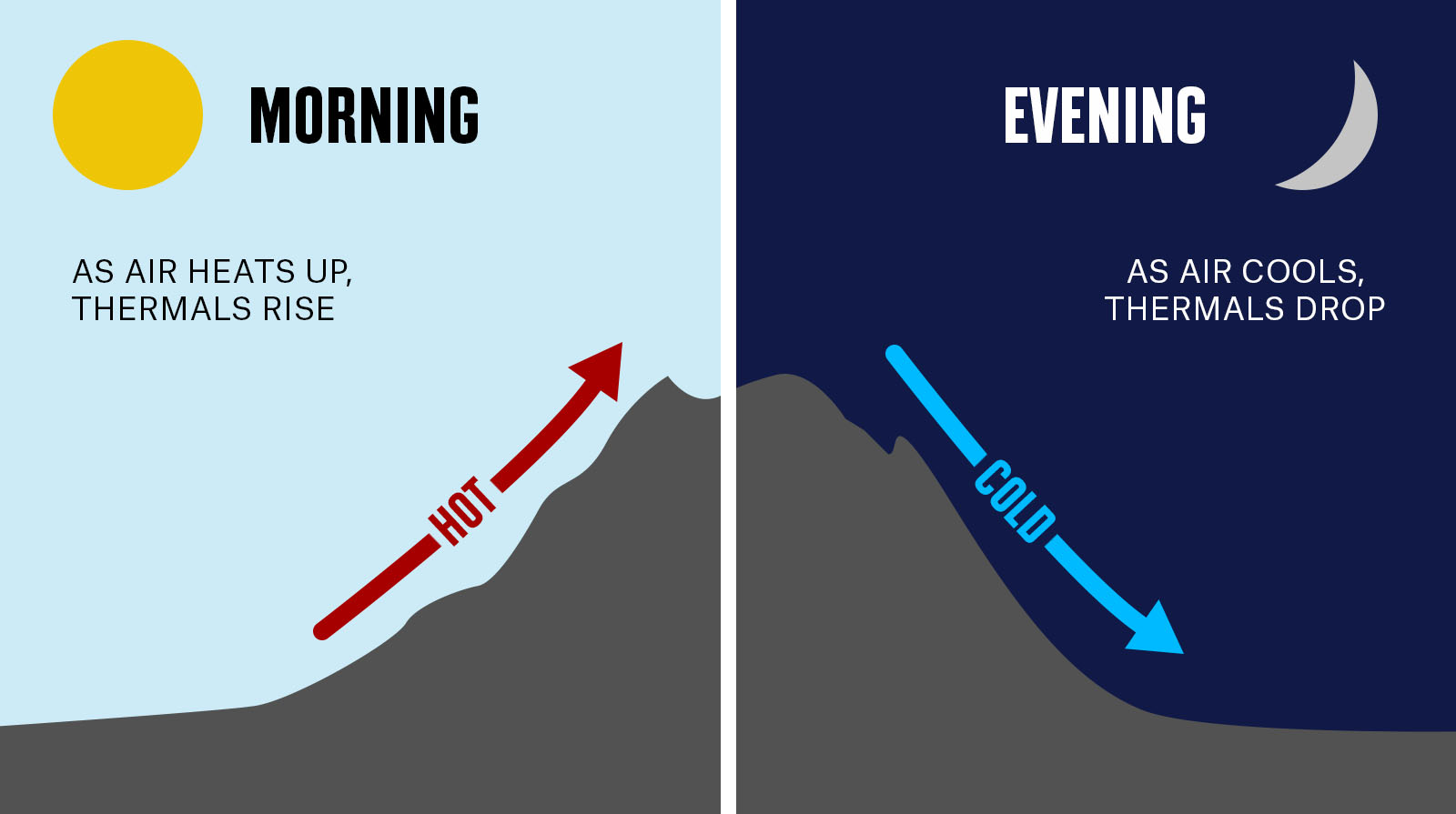
In hilly terrain, thermals override prevailing winds. Cold air sinks at night; warm air rises at dawn. Set up accordingly:
– Morning hunts: Place stands on lower slopes or valleys—rising warm air carries scent uphill, away from deer moving down.
– Evening hunts: Hunt higher elevations—cooling air flows downhill, keeping your scent below deer approaching feeding zones.
“If the wind’s in your face, you could smell like motor oil and still get close.” — Veteran Hunter
Optimize Personal Hygiene

Shower with Scent-Free Soap
Start scent control 72 hours before hunting. Use fragrance-free soap like Scent Killer or Dr. Bronner’s “Unscented” to strip oils and bacteria. Scrub with a washcloth—bar soap lifts dead skin better than liquid. Rinse with hot water to open pores, then cold water to close them and reduce post-shower odor release. Dry with a dedicated, odor-free towel stored in a sealed bin.
Neutralize Mouth Odor Completely
Brush teeth with baking soda or scent-free toothpaste. Floss with unflavored floss. Scrape tongue, gums, and roof of mouth—bacteria hide there. Avoid coffee—it leaves lingering throat odor no brushing can remove. Eat an apple before heading out; its enzymes naturally freshen breath. Carry unscented wipes for mid-hunt touch-ups.
Choose the Right Deodorant
Use scent-free, aluminum-based antiperspirant to block sweat. Avoid colognes, scented lotions, or “natural” deodorants—many contain essential oils detectable to deer. Apply after showering, before dressing. Reapply only if needed, using wipes designed for hunters (e.g., Scent Killer Body Wipes).
Adjust Your Pre-Hunt Diet
Three days out, cut garlic, onions, spicy foods, seafood, and red meat—they alter body chemistry and breath. Avoid dairy to prevent prolonged bad breath. Limit caffeine and alcohol—they increase urination and sweat. On stand, eat only apples or scent-neutral snacks. Never chew gum or smoke—tobacco lingers on breath and skin.
Wash and Store Hunting Clothes Right
Use Scent-Free Detergent Only
Wash gear in hunting-specific detergent like Scent Killer or “Free and Clear.” Never use regular, “natural,” or scented detergents—even residue from a previous load contaminates. Pre-rinse the washer with baking soda to eliminate household detergent buildup. Add ½ cup baking soda to the wash cycle for extra odor neutralization.
Air-Dry Outside Whenever Possible
Skip the dryer. Hang clothes outside on a scent-free line. Sunlight kills odor-causing bacteria. If using a dryer, clean the lint trap first and avoid dryer sheets—use unscented wool dryer balls instead. Never dry clothes in a garage or basement—gas, oil, and food smells cling to fabric.
Seal Clothes Immediately After Drying
Transfer clean clothes directly into a scent-proof container:
– Rubbermaid totes with carbon inserts
– ScenTote Hard Tote with Activated Carbon-Web
– Vacuum-sealed bags
Store in a clean room—never the garage, truck, or basement. Keep the lid closed at all times. Open only to pack for a hunt.
Dress in the Field, Not at Home
Avoid Vehicle Contamination
Trucks reek of fuel, food, and gear odors. Never dress at home or in your vehicle. Pack clean clothes in a sealed tote. Drive in regular clothes. At the trailhead, change upwind of your stand, standing on a clean tarp or trash bag. Use latex gloves to handle clothes—your hands carry skin oils and bacteria.
Tuck Pants Into Boots
Leave pants untucked, and every step pumps scent down into vegetation. Tuck pants into rubber boots to trap odor and redirect airflow upward. This simple move cuts ground-level scent dispersion by up to 60%. Use gaiters if needed for full coverage.
Control Boot and Foot Odor
Wear Rubber Over Leather Boots
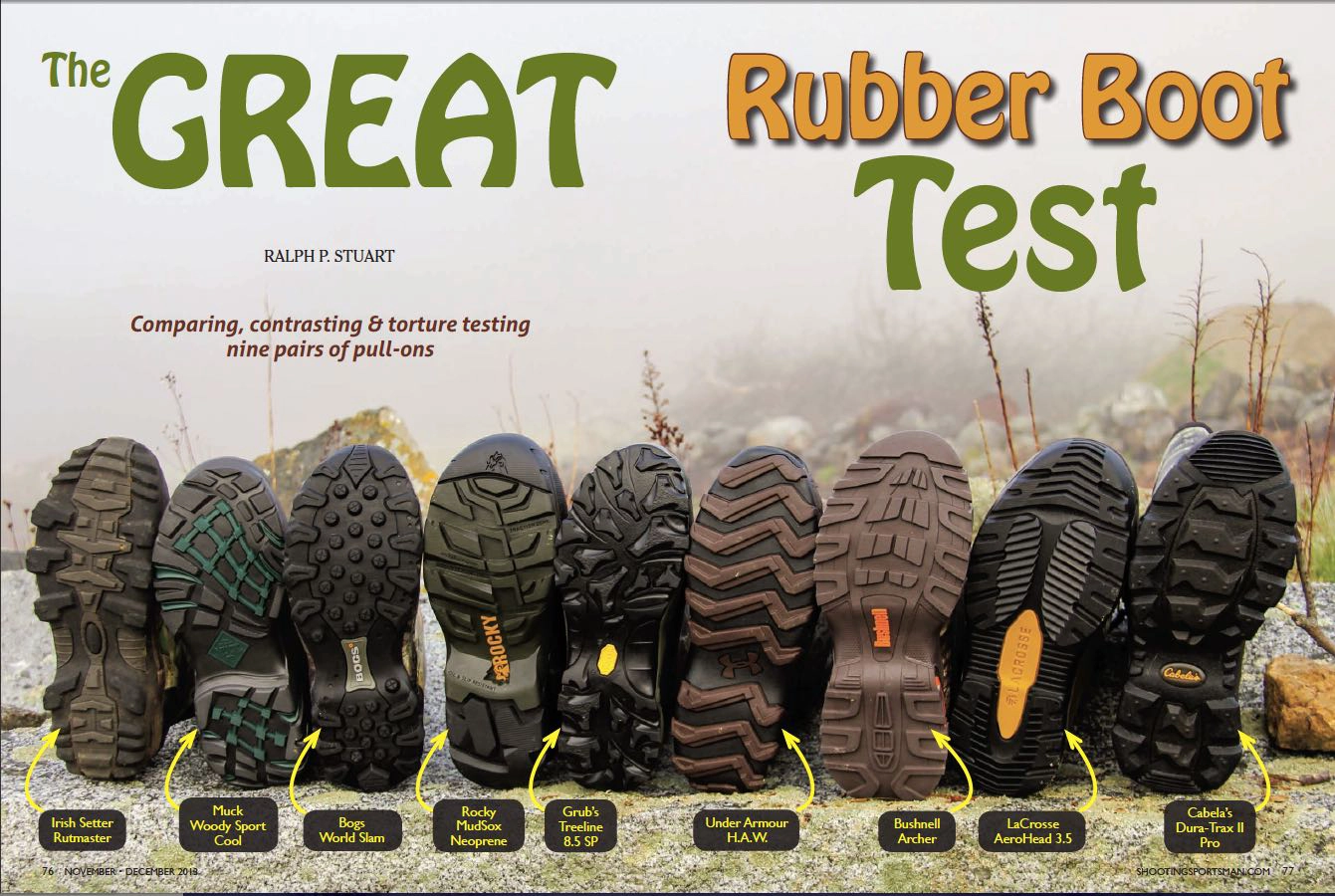
Rubber boots lock in scent—tight molecular structure prevents odor escape. Leather “breathes,” letting sweat and bacteria seep out. Choose molded rubber hunting boots for maximum scent containment. Clean inside and out with hydrogen peroxide or Scent Killer soap after each use.
Use Scent-Free Foot Powder
Apply scent-killing foot powder (e.g., Scent Killer Foot Powder) before every hunt. Rotate two pairs of boots so each dries completely between uses. Store in BooTotes or carbon-lined bags to absorb residual odors.
Mask Footprint Scent
Spray vanilla extract on boot soles—it’s a natural, familiar cover scent. Or lace Elimitrax hard bottoms with non-estrous doe urine to disguise footprints in tall grass. Avoid overuse—too much urine creates an unnatural zone that spooks deer.
Decontaminate All Hunting Gear
Clean Every Item Before Use
Your bow, backpack, knife, and water bottle all carry odors. Wipe down with paper towels soaked in hydrogen peroxide. Spray with scent-eliminating spray (e.g., Limit Shield). For optics, lightly dab lenses and housing—avoid moisture inside. Store releases, grunt tubes, and rattling antlers in sealed carbon totes.
Store Gear in a Scent-Safe Zone
Keep all hunting equipment in a dedicated room or shed—not the garage. Let ground blinds, stands, and decoys air out for 2–3 weeks before season to shed factory smells. Hang clothes in trees for 12+ hours to absorb forest odors.
Use Separate Practice Gear
Sweat soaks into bow grips, quivers, and releases. Use two identical releases—one for practice, one for hunting. This keeps field gear dry and scent-free. Wipe down practice gear weekly to avoid cross-contamination.
Minimize Scent in the Stand
Enter and Exit Downwind
Always approach your stand downwind. Plan two access routes—one for morning, one for evening—based on thermal flow. Avoid walking through bedding areas. If wind shifts, leave immediately. No deer is worth educating the herd.
Use Ozone Generators in the Tree
Hang an ozone generator (e.g., Ozonics) above head level. It emits ozone that bonds with and alters scent molecules, making them unrecognizable to deer. Effective in low-wind conditions. Recharge in the dryer for 30 minutes when performance drops.
Spray Down Before Climbing
Apply scent-eliminating spray from head to toe before entering the woods. Focus on boots, gloves, and face. Spray the base of the tree trunk with pine spray or vanilla extract to mask climbing odor. Reapply every 2–3 hours during long sits.
Apply Cover Scents Wisely
Crush Local Plants for Natural Odor
Rub pine needles, mint, or sassafras on clothes and gear. These scents blend with the environment and mask human odor. Avoid store-bought sprays with artificial chemicals—deer detect them as foreign. Let clothes sit in a bag with dry leaves or dirt pre-season to absorb natural forest smells.
Use Doe Urine Sparingly
Early season: non-estrous doe urine on boot pads. Rut: estrous urine near mock scrapes. Apply a few drops only—overuse creates a “scent bomb” that alarms deer. Use a scent dripper above a scrape for daylight release triggered by temperature rise.
Try Vanilla Extract as a Cover
Vanilla is sweet, familiar, and non-threatening. Spray on boots, gear, or tree base. It lasts longer than most sprays and doesn’t trigger suspicion. A budget-friendly, proven alternative to commercial cover scents.
Place Stands Strategically
Hunt Funnels, Not Open Fields
Set up in bottlenecks, saddles, or trail junctions—places deer must pass. Avoid open feeding areas where wind shifts expose you. Use topography: ridgelines, creek crossings, and fence lines funnel movement. Hunt the edge of cover, not deep inside—bucks scout from the perimeter.
Let Gear Acclimate Before Season
Walk the woods in old, scent-free clothes weeks before opening day. Let deer see and smell you as non-threatening. Hang stands and blinds early so they absorb forest odors. This “pre-season acclimation” reduces spooking when you return to hunt.
Enter After Daylight If Possible
If deer leave a field at dawn, enter your stand after sunrise. Your scent blows into an empty zone. Example: “Horse Pasture Stand”—arrive at 7:30 a.m. after deer have vacated. This flips the script: instead of hiding, you’re hunting after the pressure window.
Handle Bodily Functions Discreetly
Urinate in a Sealed Bottle
Use a rigid, screw-top sports bottle—no plastic water bottles (they crinkle and leak). Empty it 300+ yards downwind of your stand. Bury the spot with leaves. Never urinate near your entry trail or stand.
Defecate Far Downwind
Walk at least 300 yards downwind before digging a cathole. Use a compact camping shovel. Bury waste 6–8 inches deep. Burn used toilet paper to ashes—no trace left. Clean hands with unscented wipes. Do this before hunting, not during.
Use Technology as a Force Multiplier
Activate Carbon Storage Systems
Store clothes and gear in carbon-lined totes or bags. Activated carbon adsorbs and traps odor molecules. Recharge by drying on high heat for 30 minutes—restores adsorption capacity. Use in ScenTote, BooTotes, or DIY bins with carbon sheets.
Spray with DIY Odor Neutralizer
Mix ½ cup baking soda, 1 cup hydrogen peroxide, and 1 gallon of water. Spray on clothes, boots, and gear. Neutralizes bacteria and binds to volatile organic compounds. Cheaper than commercial sprays and equally effective.
Charge Ozone Devices Regularly
Ozone generators need maintenance. If scent control drops, dry the unit on high heat for 30 minutes. This reactivates the plates. Use in stand or storage—never inhale concentrated ozone. Provides an extra layer when wind is light or unpredictable.
Know What Works—And What Doesn’t
Wind Beats All Products
No carbon suit, spray, or ozone unit beats poor wind management. If your scent is blowing toward deer, you’re compromised. Focus first on stand placement and wind reading—products are secondary.
Avoid Overusing Artificial Scents
Too much doe urine, cover spray, or drag line creates an unnatural concentration that spooks deer. Use sparingly and strategically. One drop on a boot pad works better than drenching the area.
Layer Your Strategy
Scent control is cumulative. Combine:
– Clean body (hygiene, diet)
– Clean clothes (washing, storage)
– Clean gear (decontamination)
– Smart wind use (placement, timing)
– Cover scents (natural, minimal)
Each layer reduces detection odds. Even small efforts—like using scent-free soap—add up.
Final Note: Reducing hunting scent isn’t about perfection—it’s about probability. You can’t eliminate every molecule, but you can make detection unlikely. Focus on wind, stay disciplined with hygiene, and treat every item you carry as a potential scent source. Do this, and you’ll outlast the bucks that have learned to vanish at the first whiff of danger.

0 Comments