Wet hunting boots are more than just uncomfortable—they’re a liability. Whether soaked from creek crossings, drenched by downpours, or dampened by sweat, moisture inside your boots compromises everything: warmth, foot health, and gear longevity. The secret to staying dry, warm, and mobile in the field isn’t just great gear—it’s knowing how to dry hunting boots properly. This isn’t about speed at any cost; it’s about using smart, field-tested methods that preserve your boots while removing moisture safely. Heat ruins adhesives, cracks leather, and melts synthetic uppers. The real solution? Airflow, absorbents, and smart habits. In this guide, you’ll learn how to dry hunting boots fast—without damage—whether you’re in a tent, back at camp, or at home. From newspaper tricks to boot rotation systems, these strategies keep your feet healthy and your gear ready for the next hunt.
Remove Insoles and Laces Immediately
The drying process starts the second you take your boots off. Delaying this step traps moisture where it does the most harm: against your footbed and deep in the heel.
Pull Out Insoles for Faster Drying
Insoles soak up sweat and moisture like sponges. Leaving them in blocks airflow and creates a damp, smelly environment perfect for bacteria and fungus. Pull them out right away and set them on a rack, tent pole, or gear loop to air dry. Even if they only feel slightly damp, removing them can cut total drying time by up to 50%. Hunters in wet climates swear by this step—it’s simple, effective, and prevents long-term odor buildup.
“Pull the insoles also is a HUGE help in an effort to make them ‘less wet.’” — Luke Moffat
Unlace Boots Completely
Untie and remove laces to open the boot fully. This allows air to circulate deep into the toe box and heel—areas where moisture lingers longest. Drape laces over a branch or stuff them in a dry pocket so they don’t get lost. A fully unlaced boot dries significantly faster than one left zipped up.
Wipe and Shake Out Debris
Cleaning comes before drying. Dirt, mud, and debris hold moisture and slow evaporation.
Clean Exterior Mud Promptly
Use a dry cloth or soft brush to wipe off mud, snow, or dirt. Avoid rinsing with water unless you’re back at base camp—adding water to already wet boots can force moisture through seams or punctures, making drying take much longer. A clean boot surface evaporates moisture faster and resists material degradation.
Shake Out Internal Grime
Turn boots upside down and give them a firm shake. Remove pebbles, leaves, or pooled water in the heel. Use your fingers or a stick to dislodge debris from the tongue or crevices. A clean interior means better airflow and faster drying.
Use Newspaper to Absorb Moisture

Newspaper is one of the most effective, lightweight, and accessible tools for drying boots in the field.
Stuff Boots Loosely with Dry Newsprint
Crumple sheets of newspaper and pack them into the toe and midfoot. Don’t compress tightly—paper expands as it absorbs moisture. Replace every 2–3 hours or when damp to the touch. Newspaper pulls moisture from leather and fabric while helping boots hold their shape. It’s also a dual-purpose survival item: dry sheets make excellent firestarters.
“I carry a newspaper in a gallon Ziplock bag, throw it into my backpack. Firestarter of course. Reusable boot drier as well.” — pd
Reuse and Dry Newspaper
If sheets are damp, hang them near a heat source or in sunlight to dry and reuse. Many hunters rotate multiple sheets over two nights, especially in rainy conditions.
Try Paper Towels or Dry Socks
When newspaper isn’t available, lightweight alternatives work just as well.
Paper Towels: Lightweight and Efficient
Paper towels absorb moisture faster than cloth and leave no lint. A half-roll weighs only 3.5 ounces—perfect for backpackers. Stuff loosely and replace when damp.
“A full roll or 1/2 of paper towels don’t weigh very much… and will dry out damp boots better and faster than anything (other than a stove or fire).” — slim9300
Dry Socks: Absorb Moisture with Body Heat
Insert dry wool or synthetic socks into boots. Wear them briefly with dry feet—the socks wick residual moisture via body heat and airflow. Wring out and repeat as needed.
“Put on the dry socks and put the boots back on for a bit. The socks will soak up the moisture.” — Chesapeake
Maximize Airflow Around Boots
Air circulation is the safest and most effective drying method—especially in humid or cold environments.
Use a Fan for Indoor Drying
Place boots in a dry room (60–75°F) and point a fan at the openings. Airflow evaporates moisture without risking heat damage. Even a small battery-powered fan speeds up the process significantly.
“If drying needs a nudge, a fan is the safest way to provide it.” — British Hunters’ Guide
Keep Boots Off the Ground
Elevate boots on a rack, log, or tent pole. Direct contact with cold, damp surfaces slows drying and encourages mold. Use cords or sticks to hang them.
Hang Boots Upside Down
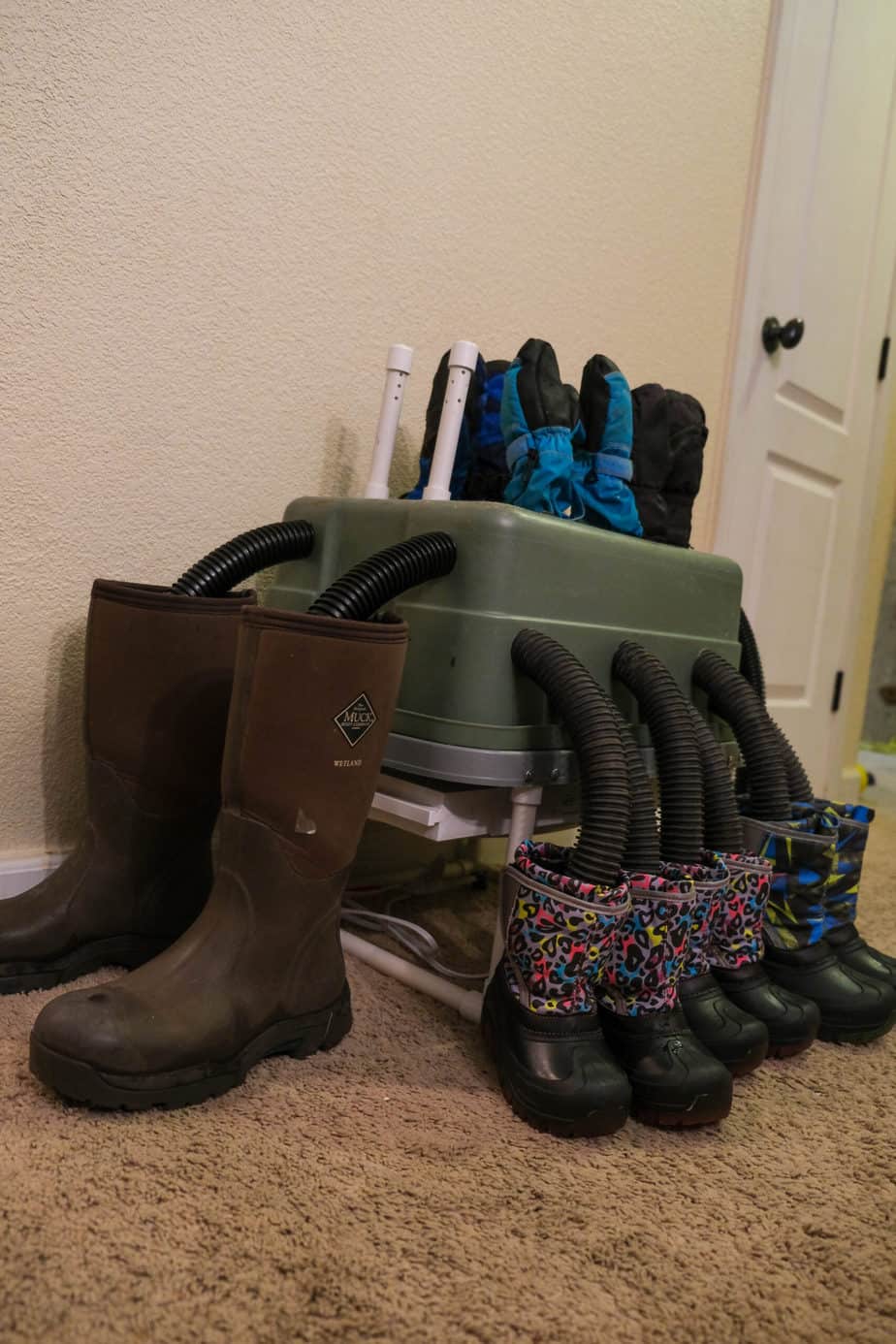
This simple trick uses gravity and airflow to improve drying efficiency.
String Boots in Tent or Shelter
Run a cord between tent poles or trees and hang boots upside down. The soles drain, and warm air rises into the toe box—especially effective in single-wall shelters.
“String his boots up into the top of his tent off his center pole… by the time you go to bed they should be mostly dry.” — 7mmfan
Use DIY Boot Dryer Sticks
Stick two branches into the ground inside your shelter and drape boots over them, toes down. Keeps soles elevated and improves air access.
“Get 2 sticks and stick them in the ground inside the tent/shelter… hang your boots upside down on the sticks as if they were on a boot dryer.” — mtn muley madness
Avoid Direct Heat at All Costs
High heat destroys adhesives, melts synthetic uppers, and cracks leather by pulling out natural oils too fast.
Never Use Campfires or Radiators
Placing boots near flames or hot surfaces risks melting $200+ gear in minutes. Even indirect radiant heat can warp shape or delaminate waterproof membranes like Gore-Tex.
“Placing your boots close to a fire could go up in smoke on you.” — Brooks Tiller
Skip the Hair Dryer
Hair dryers blow concentrated heat that damages glue and linings. If absolutely necessary, use only on cool setting, held at least 12 inches away, and for under 30 seconds.
Use Hand Warmers for Gentle Heat
Chemical hand warmers provide safe, low-level heat to boost evaporation.
Insert Warmers with Newspaper
Place one hand warmer inside each boot, then stuff with newspaper or dry socks. The gentle warmth increases moisture release without scorching materials.
“I carry some chemical hand warmers with me, and I will toss them in my boots at night.” — craitchky
Stack Boots Together with Warmers
Slide one boot into the other (soles facing outward) with warmers in the toe box. Creates a sealed, warm microclimate that speeds drying and keeps bugs out.
“I’ve placed hand warmers in each boot then stacked them together…” — PacificNWhunter
Try Desiccants and Alternative Absorbents
When airflow alone isn’t enough, moisture-absorbing materials pull humidity from enclosed spaces.
Use DrizAir or Similar Desiccant Systems
These reusable units use chemical desiccants to extract moisture from sealed containers. Place boots inside with the device, and water collects in a lower chamber—no electricity needed.
“It’s desiccant in a container that drains down to a lower chamber… I might get one and do a test run.” — EmeraldBullet
Try Rice or Cat Litter in a Sock
Fill a cotton sock with uncooked rice or non-clumping cat litter and insert into boots overnight. These materials draw moisture from the air inside. Best used with airflow, not alone.
“In places where newspaper isn’t available, hunters have always improvised.” — British Hunters’ Guide
Dry Boots with Body Heat
Use your own warmth to draw moisture out during rest periods.
Wear Dry Socks Inside Damp Boots
Put on dry wool socks and wear damp boots while eating or resting. Moisture transfers from boot lining to socks. Replace socks when damp and repeat.
This method works best with slightly damp boots—not soaked ones. Always follow up with airflow or absorbent stuffing.
Use a Boot Dryer for Frequent Use
For home, lodge, or base camp use, electric boot dryers are worth the investment.
Choose Low-Heat Air Circulators
Look for models that circulate warm (not hot) air through tubes inserted into boots. They dry in 4–8 hours, preserve materials, and often include UV sanitation to kill odor-causing bacteria.
“For those who face wet boots several times a week, a proper boot dryer becomes less of a safeguard.” — British Hunters’ Guide
Maintain Cedar Shoe Trees
Insert cedar shoe trees after initial drying to absorb residual moisture and reduce odor.
Use for Shape and Odor Control
Cedar naturally resists mold and mildew and helps boots retain structure. Use only after boots are mostly dry—never on soaking-wet interiors.
“It’s also a good idea to use cedar shoe trees in your boots to soak up any remaining moisture.” — How To Dry Work Boots
Apply Dehumidifiers in Enclosed Spaces
In cabins, lodges, or tents with stoves, reducing ambient humidity speeds drying.
Lower Humidity for Faster Evaporation
Place a portable dehumidifier near boots to pull moisture from the air. In older buildings, this can cut drying time in half.
“In older buildings, especially, a dehumidifier can transform the overnight drying process.” — British Hunters’ Guide
Dry Leather Boots Properly
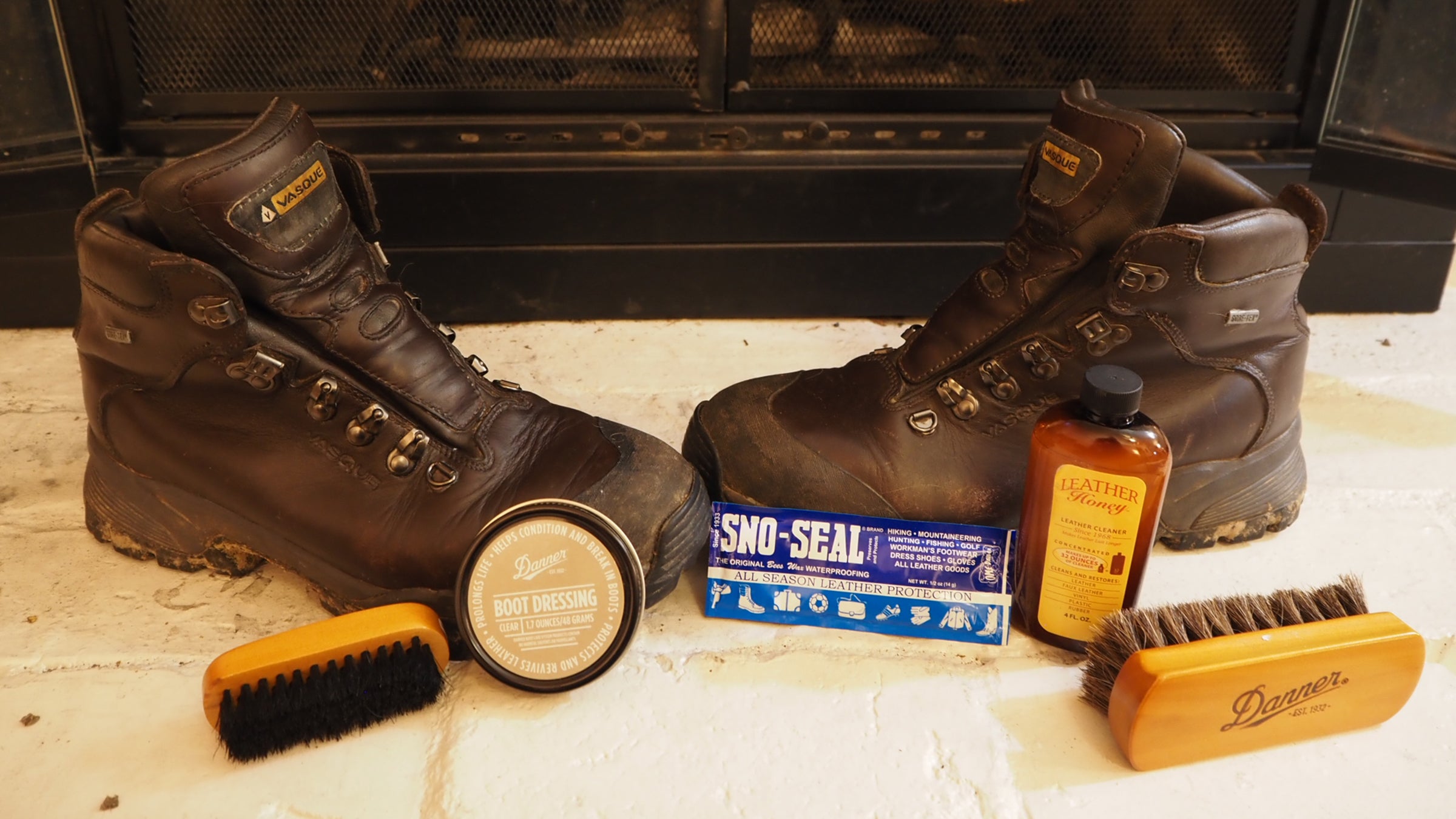
Leather requires slow, careful drying to prevent cracking and oil loss.
Air Dry at Room Temperature
Never apply heat. Let leather dry naturally over 24–48 hours. Stuff with newspaper to maintain shape and absorb moisture.
Condition After Drying
Once fully dry, apply leather conditioner or mink oil to restore natural oils lost during wetting and drying.
“Let the uppers air dry… Once the uppers of your boot have dried out, apply some boot conditioner.” — How To Dry Work Boots
Handle Fabric and Gore-Tex Boots Carefully
Nylon, polyester, and waterproof-lined boots dry faster but are vulnerable to heat damage.
Focus on Internal Drying
Moisture wicks into padding and insulation. Stuff with absorbents and prioritize airflow—especially around the tongue and heel.
Avoid High Heat That Delaminates Linings
Gore-Tex and similar membranes can separate from the boot shell under high heat. Stick to room-temperature drying only.
“Leather and fabric don’t dry the same way. Fabric boots release moisture faster but are no less vulnerable to heat damage.” — British Hunters’ Guide
Prevent Wet Boots in the Field
Smart habits reduce moisture buildup before it starts.
Store Boots Upside Down at Night
Place boots soles-up inside your tent or pack to prevent rain and dew from collecting inside.
“If you’re backpacking with no place to keep your boots dry, turn them soles up to decrease the amount of rain and dew that will settle inside.” — Brooks Tiller
Change Socks Midday
Swap sweaty socks for dry ones during breaks. Use wool or synthetic—never cotton. Store extras in a dry bag.
“I also change socks midday if my feet are wet or sweaty…” — Chesapeake
Wear Camp Shoes
Bring lightweight slippers or sandals to wear at night. Lets feet breathe, reduces moisture, and prevents blisters.
“Something to wear at camp besides your boots at night is another good idea.” — Limhangerslayer
Rotate Multiple Pairs of Boots
One of the most effective long-term strategies for multi-day hunts.
Alternate Pairs Every Day
Use two or more pairs and switch daily. Each pair gets 24–48 hours to dry fully. Ideal for wet climates or extended trips.
“Alternating between two pairs allows each to dry fully within 24 to 48 hours. Many experienced British hunters rely on rotation, not because it’s convenient, but because it works.” — British Hunters’ Guide
Avoid Common Drying Mistakes
Even small errors can ruin boots or create health risks.
Never Store Damp Boots in Sealed Bags
Trapped moisture breeds mold and mildew. Always dry completely before storage.
Don’t Assume Boots Are Dry by Touch
The outside may feel dry while the insole or midsole stays damp. Always stuff with absorbents and allow extra time.
Skip the Radiator or Fireplace
Heat warps, melts, and cracks—air, not heat, removes moisture safely.
“Rushing the process almost always causes more damage than the weather did.” — British Hunters’ Guide
Final Tips for Long-Term Boot Care
Drying is part of a larger maintenance routine.
Clean and Condition Regularly
After every hunt, wipe boots down and condition leather if needed. Preventative care extends life and improves drying efficiency.
Inspect for Damage
Check seams, soles, and waterproof linings for wear. Repair early to prevent water intrusion.
Store in a Dry, Ventilated Area
Never keep boots in basements, garages, or plastic bins unless fully dry and with silica packets.
“It’s not clever. It’s just dependable.” — British Hunters’ Guide
Properly drying hunting boots isn’t complicated—it’s consistent. Use airflow, absorbents, and rotation. Avoid heat. Remove insoles. Change socks. These small habits keep your feet warm, your boots intact, and your focus on the hunt.


0 Comments