You’ve scouted the trails, studied wind patterns, and invested in top-tier camo—but if your hunting gear carries human scent, you might as well hang a neon sign for deer. With up to 297 million olfactory receptors, whitetail deer can detect your presence long before they see or hear you. And it’s not just sweat or blood that gives you away—standard laundry habits are often the invisible culprit. Tossing your gear into a regular wash with scented detergent introduces UV brighteners and perfumes that linger in fabric, making you visible and smellable from hundreds of yards downwind.
The truth? Washing hunting gear isn’t just cleaning—it’s scent elimination. A single load with Tide or a dryer sheet can undo weeks of careful preparation. To stay undetected, you need a strategic, scent-safe process that protects your gear’s performance while erasing every trace of human odor. This guide delivers a complete system used by expert hunters and backed by fabric science—from detergent selection to post-season storage—so you can walk into the woods confident your gear isn’t betraying you.
Clean the Washing Machine Before Washing Gear
Eliminate Hidden Scent Contaminants in Your Washer
Before you wash a single piece of camo, clean your washing machine. Standard washers accumulate perfumes, oils, and fabric softener residues in the drum, seals, and detergent tray—even after multiple cycles. These residues transfer to hunting clothes, contaminating them with detectable scents.
Run an empty hot water cycle using one of these:
– 1 cup baking soda
– ½ cup unscented bleach
– Or a full scoop of scent-free hunting detergent
Afterward, scrub the rubber door gasket, detergent dispenser, and drum with a damp cloth and mild soap. These areas trap moisture and odors, creating a breeding ground for lingering scents.
Warning: Fabric softener residue is nearly impossible to fully remove. Even after cleaning, traces can remain and transfer to your gear.
Use a Dedicated Washer or Alternative Cleaning Method
For maximum scent control:
– Install a second washer exclusively for hunting gear
– Use a laundromat—test machines by sniffing the drum before use
– Or use a $9 plastic trash can as a soaking tub:
Fill with cold water, add scent-free soap, stir hourly with a broom handle, soak 6–8 hours, rinse with a hose, then air dry
This eliminates cross-contamination from household laundry and ensures your gear stays truly scent-free.
Sort Gear by Fabric Type to Prevent Damage
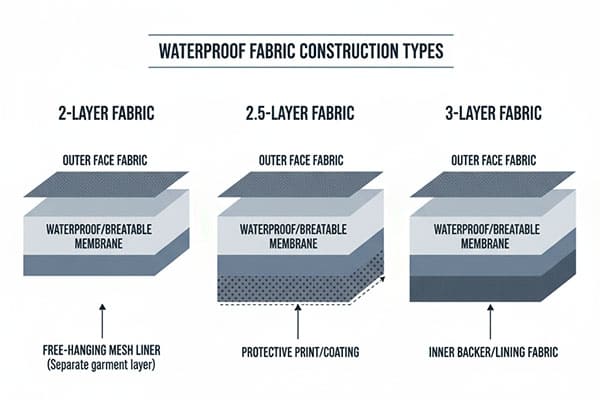
Separate Wool, Synthetic, Carbon, and Waterproof Layers
Not all hunting fabrics clean the same. Washing them together risks shrinkage, coating degradation, or odor retention.
Sort gear into these categories:
– Merino wool (base layers)
– Synthetic (polyester, nylon blends)
– Waterproof/DWR-treated (rain gear, outer layers)
– Carbon-lined (ScentLok, Ozonics)
– Cotton camo
Always wash hunting clothes separately from household laundry. Even one load with scented towels can transfer detectable odors.
Choose a Scent-Free, UV-Free Detergent
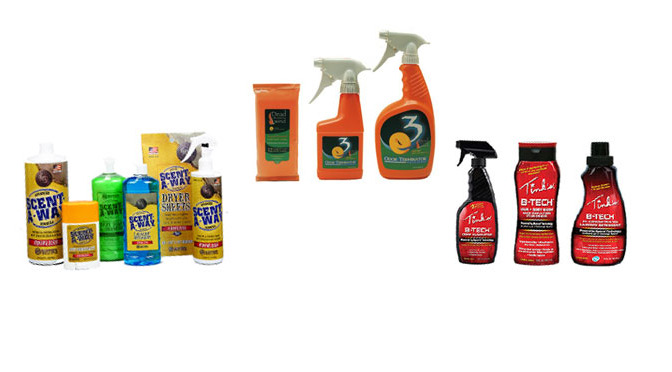
Avoid Detergents That Make You Visible to Deer
Standard detergents contain fragrances, dyes, and UV brighteners—all of which are dangerous in the field. UV residues reflect light that deer and reindeer can see, breaking your visual concealment.
Best Commercial Options:
- Dead Down Wind Laundry Soap
- Scent Killer Gold
- NikWax Tech Wash – Ideal for waterproof gear
- Grangers Merino Wool Wash – For wool base layers
- ScentLok Detergent – Specifically for carbon fabrics
Budget Grocery-Store Alternatives:
- Arm & Hammer Scent Free
- Tide Free & Clear
- All Free & Clear – Check labels: Some batches contain UV brighteners
- Charlie’s Laundry Powder – Confirmed no scents or brighteners
Pro Tip: “Some detergents don’t say they have UV brighteners, but unless they say they don’t, they still could.” – Wolfshead
Boost Odor Removal with Natural Additives
Use Baking Soda and Vinegar Safely
Even scent-free detergents may miss volatile organic compounds (VOCs) from sweat and blood. Enhance cleaning with natural odor neutralizers.
Baking Soda
- Add 1–2 scoops per load
- Neutralizes acids and breaks down odors
- Avoid overuse—can leave white residue
White Vinegar
- Add ½–1 cup in rinse cycle
- Removes mineral buildup and body oils
- Do not mix with baking soda in same cycle—creates foam
Dr. Bronner’s Unscented Soap
- Biodegradable and effective
- Used by hunters for body and clothes
Success Story: “Used baking soda on a thrift-store leather jacket. After 3–4 washes, the perfume smell was gone.” – NxNW
Wash Hunting Clothes in Cold Water Only
Prevent Stains and Protect Technical Fabrics
Hot water sets protein stains like blood and sweat into fibers and degrades DWR, moisture-wicking, and carbon layers.
Optimal Wash Settings:
- Water temperature: Cold to cool
- Cycle: Gentle or colors
- Detergent: 1 scoop scent-free + 1–2 scoops baking soda
- Never use: Fabric softeners, dryer sheets, or scented bleach
Manufacturer Rule: “Wash waterproof gear in cold water only.” – Stone Creek Gear
Treat Stains Before Washing

Remove Blood, Mud, and Grease Without Setting Them
Ignoring stains creates permanent odor traps. Treat them before washing.
| Stain Type | Treatment |
|---|---|
| Blood | Soak in cold water 1–6 hours. Add white vinegar or hydrogen peroxide. Never use hot water. |
| Mud | Rinse with cold water first to prevent caking. |
| Grease/Oil | Sprinkle cornstarch, wait 15–30 min, brush off. Or use dish soap for spot cleaning. |
| Grass | Rub non-gel toothpaste with toothbrush, rinse, then wash. |
| Rust | Soak in white vinegar, blot, then wash. |
| Skunk/Strong Odors | Soak in baking soda + water or hydrogen peroxide + baking soda mix. May require multiple cycles. |
Air Dry Hunting Gear Whenever Possible
Preserve Fabric and Enhance Scent Control
Heat damages sensitive fibers. Air drying is the safest method.
Best Practices:
- Hang on a clothesline or covered deck
- Avoid direct sunlight—fades colors and weakens fibers
- Ensure full drying before storage—dampness causes mold and odor
Pro Tip: “Bonus if it gets rained on. Since switching to baking soda and hang-drying, deer downwind haven’t reacted much to my scent.” – BOEHunter
Use a Dryer Only When Necessary
Apply Low Heat—Never Dryer Sheets
If you must use a dryer:
– Set to low heat only
– Never use dryer sheets—they leave scented residues
– Wipe the drum with a damp cloth before use
Exceptions Requiring Heat:
- Carbon-lined clothing: Dry on medium heat for 30–60 minutes to reactivate carbon pores
- Waterproof gear: Low heat helps redistribute DWR coating
Warning: High heat shrinks wool and degrades synthetic fibers.
Care for Specific Fabric Types
Wash Merino Wool Without Damage
- Detergent: Grangers Wool Wash or NikWax Wool Wash
- Water: Cold only
- Cycle: Gentle
- Drying: Air dry flat or on line. Do not wring
- Never use regular detergent—damages delicate fibers
Clean Synthetic Layers Safely
- Detergent: Scent-free, no softeners
- Water: Cold
- Drying: Air dry or low heat
- Avoid fabric softeners—they clog moisture-wicking pores
Maintain Waterproof Gear
- Detergent: NikWax Tech Wash (never regular detergent)
- Water: Cold
- Drying: Air dry or low heat to reactivate DWR
- Re-treat with spray-on DWR every few washes
Handle Carbon-Lined Clothing with Care
- Wash infrequently—only when muddy or bloody
- Use minimal soap
- Never use fabric softeners
- Must dry in dryer on medium heat to reactivate carbon
- Over-washing reduces carbon lifespan
Golden Rule: “Try to never wash carbon alloy clothing unless it’s muddy or bloody. It will disintegrate the life of the carbon inside.” – Matthias Van Damme
Wash Game Bags and Accessories After Every Use
Eliminate the Biggest Odor Source
Game bags trap blood, tissue, and bacteria—prime attractants for scavengers and warning signals to deer.
Cleaning Steps:
- Rinse by hand to remove debris
- Machine wash with:
– Bleach (in dispenser)
– Scent-free detergent
– 1 cup baking soda for stubborn odors - Air dry completely—never store damp
- Never dry with household laundry
Caution: “Having a spouse find ‘jerky’ in the dryer is not good.” – Article 6
Clean Boots and Backpacks
- Boots: Wipe with damp cloth. Clean with mild soap if muddy. Dry fully—stuff with newspaper. Store in cool, dry place
- Backpacks: Empty pockets, vacuum debris, wipe with damp cloth and mild soap, air dry completely
Store Gear in Airtight, Scent-Free Containers
Prevent Recontamination During Storage
Even clean gear absorbs ambient odors. Use sealed storage to maintain scent control.
Best Options:
- Rubbermaid or Sterilite airtight bins
- Scent-lock duffle bags
- Heavy-duty ziplock bags (short-term)
Avoid thin plastic bags—they trap moisture and promote mildew.
Choose the Right Storage Location
Keep Gear in a Pet-Free, Dry Area
- Ideal: Garage (if clean, dry, and pet-free)
- Avoid: Basement—often damp and musty
- Never store near pets—cats and dogs leave odors on clothing
Best Practice: “Store gear in a dedicated, sealed container in a cool, dry, pet-free space.” – Article 1
Enhance Scent Control in Storage
Add Natural or Active Odor Protection
Boost protection with:
– Cedar branches or chips – Natural deodorizer
– Pine needles or acorns – Add forest scent
– Scent wafers (Dead Down Wind, Scent Thief)
– Ozone treatment bags – “Best money ever spent.” – Doebuster
– Modified freezer with drilled vents – Provides cool, ventilated, odor-controlled storage
Follow a Complete Scent Control Routine
Washing Is Just the First Step
True scent control includes:
– Shower with scent-free soap (Dr. Bronner’s, Dead Down Wind)
– Wear rubber gloves when handling gear
– Change clothes at the hunting site
– Avoid eating, smoking, or scented products
– Use scent-eliminating sprays before entering stand
Critical Reminder: “Always check the wind direction. Even perfect scent control won’t help if you’re upwind.” – Article 1
Field Test: “Every time I didn’t follow this, deer hung up at 80–120 yards and fled.” – Axlrod
Perform Post-Season Maintenance
Clean All Gear Before Long-Term Storage
Ensure gear lasts and performs next season.
Firearms:
- Disassemble, clean with solvent, oil lightly, store dry
Bows:
- Remove string if recommended, clean riser, inspect cables, store in case
Knives:
- Wash, dry, oil blades, store in sheaths
Optics:
- Wipe lenses with microfiber cloth, remove batteries, add silica gel packs
Decoys & Blinds:
- Wash with mild soap, avoid brighteners, dry fully, touch up paint
Frequently Asked Questions
Can I Use Vinegar to Wash Hunting Clothes?
Yes. White vinegar neutralizes odors and removes oils. Use ½–1 cup in rinse cycle.
Can I Wash Clothes with Baking Soda Only?
Yes. Baking soda is a natural odor neutralizer. Use ½ to 1 cup per load.
Should I Wash Gear After Every Hunt?
Yes. Sweat and environmental odors build up fast. Wash immediately.
Can I Use Regular Tide?
Only Tide Free & Clear. Avoid scented or brightened versions.
Do I Need a Dedicated Washer?
Not required, but highly recommended.
How Do I Reactivate Carbon Clothing?
Dry on medium heat for 30–60 minutes.
Is Ozone Treatment Worth It?
Yes. Destroys odor-causing bacteria at the molecular level.
Final Summary: Best Practices Checklist
✅ Wash Smart:
Use scent-free, UV-free detergent, cold water, and clean washer first
✅ Dry Properly:
Air dry when possible, low heat only if needed, no dryer sheets
✅ Store Right:
In sealed, airtight container, in pet-free area, with cedar or ozone
✅ Maintain All Gear:
Clean firearms, bows, optics, decoys, inspect and repair
✅ Scent Control Holistically:
Shower scent-free, change near stand, check wind, use sprays
Final Wisdom: “Be smart, do what’s necessary but don’t take things TOO overboard.” – Minibouncer
But for mature, pressured bucks, meticulous scent control—from detergent to storage—is non-negotiable. Washing your gear correctly isn’t just about cleanliness. It’s about giving yourself the edge that turns close calls into successful harvests.


0 Comments