Nothing ruins a promising hunt faster than fogged-up windows in your hunting blind. Just as a buck steps into range, your breath or body heat turns the cold acrylic or glass into a steamed-up wall—obscuring your view, delaying your shot, and forcing you to wipe the window, which risks spooking game. This frustrating issue happens when warm, moisture-laden air inside the blind meets cold window surfaces, causing condensation. The solution isn’t just about wiping it away—it’s about preventing fog before it forms. With the right mix of scent-safe anti-fog treatments, ventilation strategies, moisture control, and modern defogging technology, you can maintain crystal-clear visibility from first light to last. In this guide, you’ll learn how to keep hunting blind windows fog-free using proven, field-tested methods so you stay hidden, focused, and ready when game appears.
Apply Scent-Safe Anti-Fog Coatings
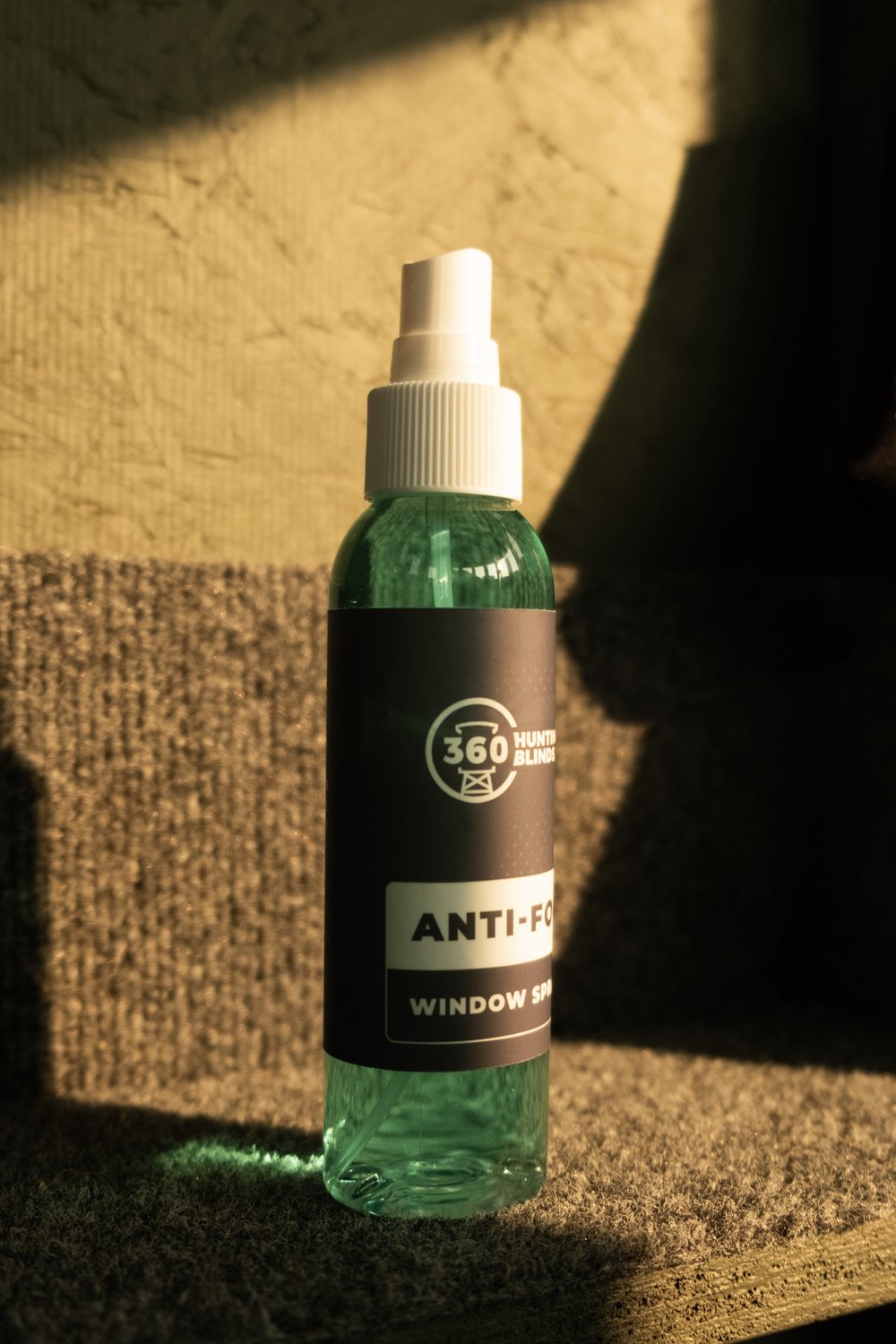
The most effective way to prevent fog is to treat your blind’s windows with an anti-fog coating. These hydrophobic layers stop water droplets from forming by spreading moisture into a thin, transparent film instead of fog.
Use Scent-Free Body Wash
Scent-free body wash, like Scent Away, is a top-rated solution for hunters who need both fog protection and stealth. Unlike scented products that could alert deer, this option delivers long-lasting clarity without compromising your scent control.
How to apply:
1. Clean the window with warm water and a drop of Dawn dish soap.
2. Apply a pea-sized amount of body wash to a microfiber cloth.
3. Rub in small circles across the entire interior surface.
4. Buff completely dry with a second clean cloth.
This method creates an invisible, durable barrier that resists fog for hours—even in high-humidity conditions. Many hunters keep a travel-sized bottle in their blind for quick reapplication before dawn sits or after heavy wiping.
Try Non-Gel Shaving Cream
Barbasol non-gel shaving cream is a budget-friendly, widely available anti-fog alternative that’s been tested by hunters in freezing conditions. It works by leaving behind a thin surfactant layer that prevents water from beading.
Application steps:
– Apply a small dab to the window.
– Spread evenly with a microfiber cloth.
– Buff off thoroughly until no residue remains.
It’s effective on both glass and acrylic windows and provides streak-free performance. Avoid gel formulas—these often contain alcohol or additives that leave a hazy film, impairing visibility.
Choose Z-Clear Anti-Fog Spray
Z-Clear is a hunting-specific anti-fog spray designed for cold, humid environments like ice shanties and box blinds. It offers fast, reliable performance without the DIY hassle.
Benefits:
– Scent-free and safe for acrylic and polycarbonate.
– Dries quickly with no streaks or residue.
– Lasts for multiple hunts under normal conditions.
Ideal for hunters who want a ready-made product, Z-Clear also works on optics like binoculars and rifle scopes. Pair it with a squeegee for maintenance during long sits, and reapply before each outing for maximum effectiveness.
Use Rain-X for Plastic Only
Rain-X makes a plastic-specific water repellent that works moderately well on polycarbonate or acrylic windows. It helps shed moisture and reduces fog buildup.
Critical note: Never use the glass version—it can damage plastic surfaces over time.
How to apply:
– Clean the window thoroughly first.
– Spray lightly and wipe with a microfiber cloth.
– Reapply every few hours in high-humidity conditions.
Some users report it lasts only a single session, and a faint scent may linger, making it less ideal for close-range ambush setups.
Skip Dawn Dish Soap Alone
While Dawn dish soap is excellent for cleaning windows before applying anti-fog treatments, it offers no fog protection on its own. Real-world tests show windows treated with only Dawn and water fog just as quickly as untreated ones. Always use Dawn as a pre-cleaner—never as the final step.
Keep Fog-Removal Tools On Hand
Even with preventive treatments, moisture can return—especially during long sits or high-humidity mornings. Having the right tools ensures fast, quiet visibility restoration.
Carry a Compact Squeegee
A 4-inch squeegee is the fastest way to clear fog without smearing or scratching. It clears large areas in seconds with minimal movement, reducing the risk of detection.
Why it works:
– Requires only a few smooth passes.
– Leaves no lint or residue.
– Quieter than wiping with cloth.
Pro tip: Mount a squeegee inside the blind with a hook or magnet for instant access. Apply Rain-X to the outside of the window to reduce squeaking during use.
Stock Multiple Microfiber Cloths
Microfiber cloths are essential for safely wiping treated surfaces. Use only lint-free, scratch-resistant cloths designed for optics or acrylic.
Best practices:
– Keep 2–3 clean cloths ready; swap when damp.
– Wash regularly with scent-free detergent—avoid fabric softeners.
– Never use paper towels—they scratch acrylic and leave behind fibers.
Install Battery-Powered Defogging Systems
For hunters who demand hands-free clarity, electronic defoggers offer consistent, scent-free performance.
Use the Box Blind Defrost System
The Driven Hunter Box Blind Defrost System is the first battery-powered, quiet defogger designed specifically for hunting blinds.
Key advantages:
– Silent operation: No fans or motors to spook game.
– Magnetic installation: Attaches quickly and securely.
– Expandable: Start with one window, add up to four.
– LED switch: Illuminated for low-light use.
How it works:
A heating element mounts inside the window frame and is powered by a lithium battery (sold separately). It raises the window surface temperature above the dew point, clearing fog, frost, and light snow within minutes.
Performance tips:
– Glass windows: Heat transfers faster—defrosts in 3–5 minutes.
– Acrylic windows: Slower conduction—may require dual defrosters or longer run time.
– Battery life: Varies by temperature and number of windows—follow manufacturer guidelines.
Installation options:
– Portable: Clip into place—ideal for shared or rotating blinds.
– Permanent: Secure with screws and harness straps for fixed setups.
– Wiring: Route cables along floor edges; mount switch within easy reach.
Improve Ventilation to Reduce Humidity
Trapped moisture is the root cause of fog. By allowing humid air to escape, you reduce condensation at its source.
Add High-Mounted Vents
Warm, moist air rises—so vents should be placed near the ceiling.
Effective vent types:
– Ridge vents: Run along the peak of the roof.
– Aluminum roof vents: 2–3 inch diameter, manually adjustable.
– Trap-door vents: DIY hinged panels in wooden blinds.
One hunter eliminated fog entirely after installing two high vents in his box blind—proving that airflow works when properly implemented.
Avoid Over-Venting
While ventilation helps, too much can compromise scent control.
Best practice: Open vents slightly when wind direction keeps your scent away from expected game paths. Close them during still air or headwinds to prevent odor leakage.
Crack a Window Slightly
Opening a window just an inch allows moisture to escape.
Risk: May release human scent—use only when downwind of travel corridors. While partially effective, it’s not ideal for close-range ambush setups where concealment is critical.
Choose the Right Heater to Reduce Moisture

Many portable heaters make fog worse by adding water vapor to the air.
Avoid Unvented Catalytic Heaters
Heaters like the Mr. Buddy produce water as a byproduct of propane combustion—increasing indoor humidity.
Result: More fog, dampness, and potential frost buildup. Hunters report constant fog despite anti-fog treatments when using unvented models.
Switch to Vented or Electric Heaters
These options heat without adding moisture.
Vented propane heaters:
– Exhaust fumes and water vapor outside via a pipe.
– Common in ice fishing shelters—now adapted for hunting blinds.
Electric heaters:
– Powered by extension cords (e.g., 1100 ft. line from home) or large batteries.
– Provide silent, dry heat—ideal for permanent stands.
– Multiple hunters report crystal-clear windows after switching to electric heat.
Upgrade to Insulated Windows

The material and construction of your windows play a major role in fog resistance.
Avoid Single-Pane Acrylic
Most factory blinds use thin acrylic sheets with poor insulation.
Problem: Interior surface cools rapidly, hitting dew point quickly.
Result: Constant fogging, even with treatments.
Install Double-Pane Glass
Double-pane windows have an air gap between layers, reducing heat transfer.
Benefits:
– Warmer interior surface = less condensation.
– Better sound insulation = quieter blind.
Caveat: If seals fail, internal fogging can occur between panes. Still requires anti-fog treatment on the interior surface.
Use Insulated Vinyl Sliders
Hunters upgrading permanent blinds recommend insulated basement vinyl windows (e.g., Menards 13″x30″ sliders).
Why they work:
– Designed for temperature extremes.
– Resist fog when paired with Rain-X or Z-Clear.
– No rattling in wind—unlike thin acrylic.
Cost: Around $60, often on sale.
Best for: Fixed-position or season-after-season ground blinds.
Prevent Moisture Entry Before It Starts
Stop humidity at the source—before it ever reaches your windows.
Knock Off Snow and Ice
Track moisture inside on boots and gear? It melts and evaporates, fueling fog.
Action steps:
– Brush off snow before entering.
– Use a small mat or tarp inside the blind floor to catch meltwater.
Bonus: Less dampness means warmer, more comfortable sits.
Regulate Body Heat and Sweat
Overdressing leads to sweating, which increases humidity.
Strategy:
– Dress in layers you can remove as you warm up.
– Use breathable base layers to wick moisture.
– Avoid heavy exertion just before settling in.
Maintain Proper Window Care
Scratches, residue, and improper cleaning reduce visibility and treatment effectiveness.
Never Use Ammonia-Based Cleaners
Products like Windex degrade acrylic and polycarbonate over time.
Damage signs: Cloudiness, micro-cracks, reduced clarity.
Safe alternative: Warm water + mild dish soap for routine cleaning.
Always Use Microfiber Cloths
Paper towels and cotton rags scratch plastic and leave lint.
Best choice: Nano-fiber or hunting-grade microfiber.
Keep them clean: Wash with scent-free detergent; avoid fabric softeners.
Final Checklist: Fog-Free Hunting Blind Setup
✅ Before the Hunt:
– Clean windows with Dawn and water.
– Apply scent-free body wash or Z-Clear anti-fog spray.
– Install defroster if using electronic system.
✅ During the Hunt:
– Keep squeegee and microfiber cloths within reach.
– Crack a vent if humidity builds and wind allows.
– Avoid breathing directly on windows.
✅ Equipment Upgrades:
– Replace single-pane acrylic with insulated vinyl or double-pane glass.
– Switch from unvented to vented or electric heater.
– Install Box Blind Defrost System for hands-free clarity.
✅ Daily Habits:
– Knock snow off boots before entering.
– Reapply anti-fog treatment before each use.
– Inspect windows for scratches or residue buildup.
Clear windows mean clear shots. By combining scent-safe anti-fog treatments, smart ventilation, moisture control, and modern defogging tech, you can eliminate fog for good. No more wiping, no more guessing—just steady visibility from first light to last. Whether you’re using a $5 bottle of body wash or a battery-powered defroster, the goal is the same: stay unseen, stay ready, and keep your view unobstructed.


0 Comments