Overhunting is one of the most urgent threats to global biodiversity. When wildlife is killed faster than it can reproduce, entire ecosystems collapse. Iconic species like elephants, tigers, and rhinos are pushed to the brink, while lesser-known animals like pangolins and songbirds vanish silently. Driven by trophy hunting, illegal trade, and unchecked consumer demand, overhunting has already caused extinctions—like the Carolina parakeet—and continues to destabilize food chains, disrupt migration, and erode livelihoods. But the good news is: overhunting can be stopped.
Proven strategies exist—from strengthening laws and deploying rangers to shifting consumer habits and empowering local communities. This guide reveals the root causes of overhunting, its far-reaching consequences, and most importantly, 10 actionable steps that governments, organizations, and individuals can take to protect wildlife. Whether you’re a policymaker, conservationist, or concerned citizen, you can play a role in ending this crisis.
Close Legal Loopholes in Trophy Hunting
The U.S. Fish and Wildlife Service (FWS) allows the import of trophies from endangered species like red lechwe and Arabian oryx if hunters claim the kill supports “conservation.” But this rule is widely exploited by canned hunting operations—facilities that breed animals in captivity solely for trophy kills. These hunts generate profit, not conservation benefits.
To stop this, the FWS must deny import permits for trophies taken from captive-bred or non-native populations. Without access to international markets, the financial incentive for canned hunting collapses. The U.S. should also ban imports of trophies from species listed under CITES Appendix I, ensuring that no endangered animal is killed for sport.
What You Can Do:
- Sign petitions urging the FWS to close trophy import loopholes.
- Contact elected officials to support legislation like the Conserving Ecosystems by Ceasing the Importation of Large Animal Trophies (CECIL) Act.
Expand Protections Before Species Collapse
Many species aren’t protected until they’re nearly extinct. By then, recovery is difficult, if not impossible. Proactive listing under the Endangered Species Act (ESA) and CITES can prevent overhunting before populations crash.
For example, pangolins were added to CITES Appendix I in 2016, banning all international trade. This move significantly reduced trafficking, though enforcement remains a challenge. Governments must monitor early warning signs—like declining populations or rising black-market prices—and fast-track protections for at-risk species.
Key Species Needing Urgent Protection:
- African grey parrots (targeted for the pet trade)
- Saiga antelope (hunted for horns)
- Sharks and rays (killed for fins)
- Slow-breeding mammals like gorillas and orangutans
Impose Harsh Penalties for Poaching
Weak fines and short jail terms fail to deter illegal hunting. In many countries, poaching carries less risk than petty theft. To change this, penalties must reflect the ecological cost of wildlife crime.
Kenya now imposes fines over $200,000 or up to 10 years in prison for wildlife offenses. Similar laws globally would make poaching a high-risk, low-reward crime. Additional measures should include:
– Permanent revocation of hunting licenses
– Asset seizure (vehicles, weapons, property)
– Blacklisting from future legal hunting
Stiff penalties send a clear message: wildlife is not a commodity to be exploited.
Deploy Rangers in Poaching Hotspots
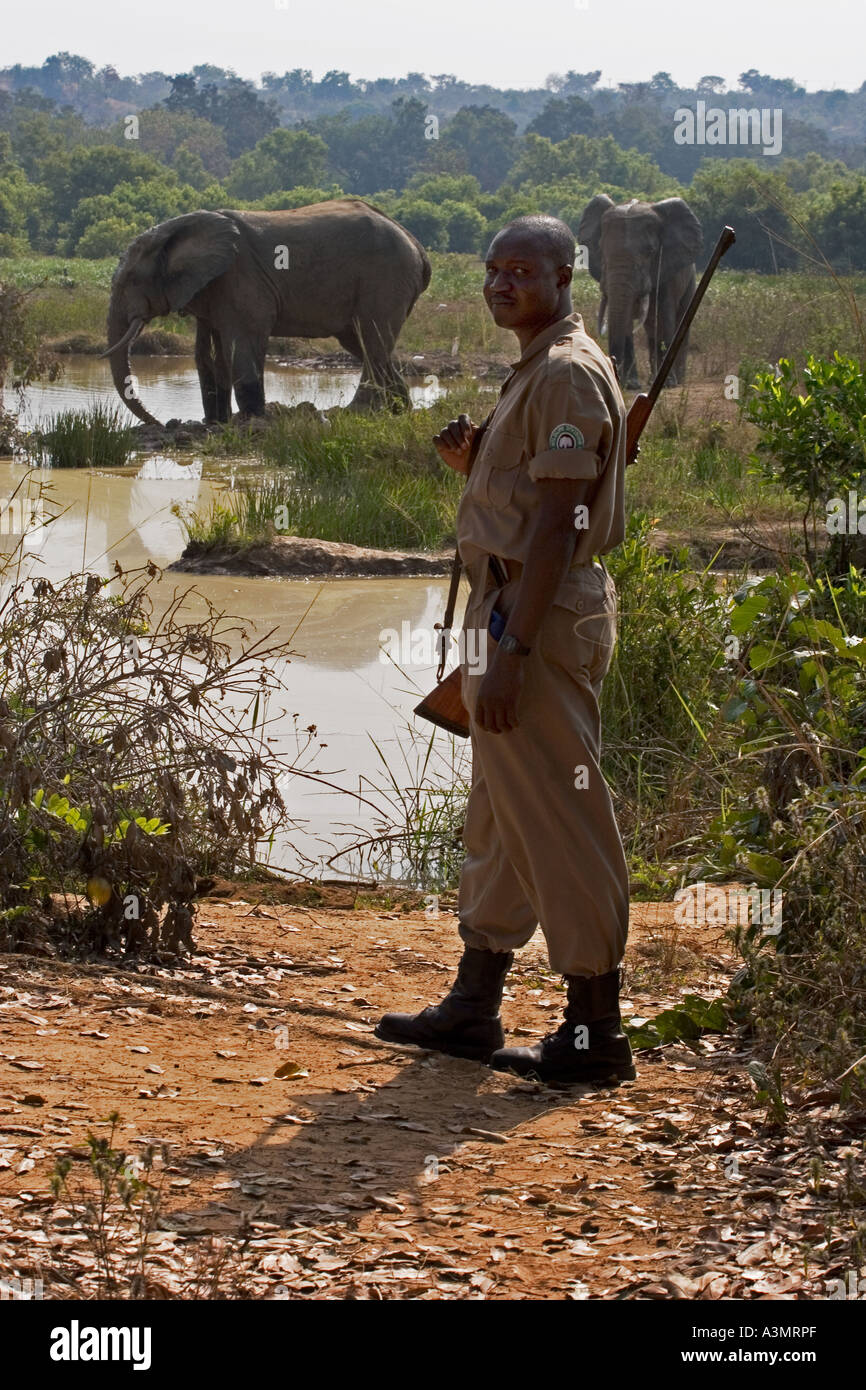
Wildlife rangers are the frontline defense against overhunting. Yet many operate with outdated gear, low pay, and no backup. Increasing ranger presence in high-risk areas—like African savannas, Amazon rainforests, and marine reserves—deters poachers and saves lives.
Programs like the International Ranger Federation provide training, equipment, and insurance, improving both safety and effectiveness. Governments and NGOs should fund more ranger units and ensure they’re equipped with communication tools, GPS devices, and emergency response systems.
Pro Tip:
Support ranger charities like Rangers Without Borders or Wildlife Ranger Challenge, which fund salaries, gear, and medical care.
Use Drones and Camera Traps for Surveillance
Technology is transforming anti-poaching efforts. Drones can patrol vast wilderness areas, spotting suspicious activity at night using thermal imaging. Camera traps capture evidence of illegal kills and help track animal movements.
In Namibia, drone surveillance reduced rhino poaching by 90% in one region over three years. These tools are cost-effective and scalable when integrated into national conservation strategies. When paired with AI analysis, camera trap data can identify species and alert rangers to threats in real time.
Track Animals with GPS Collars

GPS collars on elephants, tigers, and other high-risk species allow real-time monitoring. If an animal stops moving, rangers can respond within hours—sometimes preventing a poaching event or recovering a carcass for investigation.
Data from collars also reveals migration corridors, helping authorities allocate patrols where they’re most needed. For migratory species like elephants and sea turtles, GPS tracking is essential for cross-border protection.
Success Story:
In India, GPS tracking helped reduce tiger poaching by enabling rapid response to distress signals from collared animals.
Ban Domestic Markets for Endangered Animal Products
While CITES bans international trade in endangered species, domestic markets often remain open. This fuels the black market. China’s 2018 ban on domestic ivory trade led to a 65% drop in global ivory prices—a clear sign that market closures work.
Other countries must follow suit by banning internal sales of:
– Rhino horn
– Tiger bone wine
– Pangolin scales
– Shark fins
– Exotic leathers (python, crocodile)
Closing domestic loopholes removes demand and disrupts trafficking networks.
Disrupt Wildlife Crime Syndicates
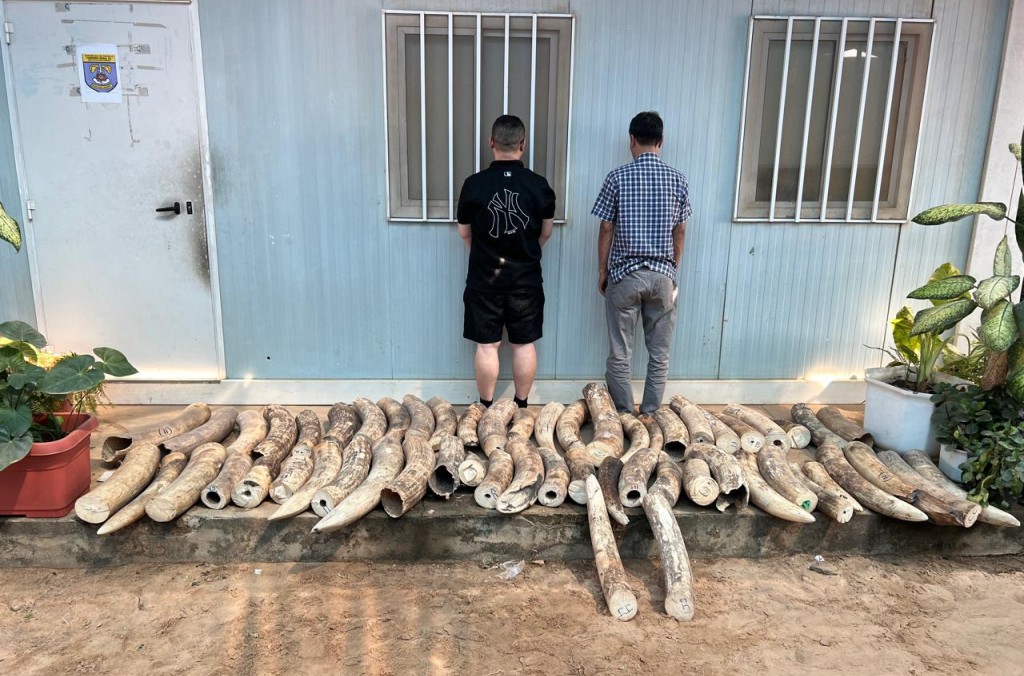
Illegal wildlife trade is run by organized crime networks that use corruption, smuggling routes, and money laundering—just like drug cartels. To stop them, we need intelligence-led policing and cross-border task forces.
Operations like Cobra III (2015) seized over $100 million in illegal wildlife products and led to hundreds of arrests across Asia and Africa. Similar efforts must be scaled up with support from Interpol, the World Bank, and national law enforcement agencies.
Key Tools:
- Financial investigations to trace illicit profits
- Undercover operations to infiltrate trafficking rings
- International cooperation to share intelligence
Promote Eco-Tourism and Alternative Livelihoods
When wildlife is worth more alive than dead, communities become conservation allies. In Rwanda, gorilla trekking generates over $20 million annually, funding parks and local jobs. Community-run safaris, birdwatching tours, and cultural experiences offer sustainable alternatives to hunting.
Governments should invest in:
– Eco-tourism infrastructure (roads, lodges, guides)
– Vocational training for former hunters
– Marketing campaigns to attract tourists
Proven Impact:
In the Congo Basin, villages that switched to eco-tourism saw a 40% drop in bushmeat hunting.
Educate the Public and Shift Consumer Behavior
Consumer demand drives overhunting. Campaigns like WildAid’s “When the Buying Stops, the Killing Can Too” have reduced demand for shark fin soup and rhino horn in Asia by up to 80% in some regions.
Similar efforts should target:
– Trophy hunting
– Exotic pets
– Traditional medicines made from endangered animals
How to Help:
- Share awareness content on social media
- Support influencers who advocate for wildlife
- Teach children about conservation in schools
- Boycott products made from endangered species
Final Note: Everyone Has a Role to Play
Overhunting is not inevitable. With stronger laws, better enforcement, global cooperation, and informed consumer choices, we can reverse the damage. The key is collective action: governments enforcing bans, businesses sourcing ethically, and individuals refusing to buy wildlife products.
When we value animals not as trophies or commodities, but as vital parts of our planet’s web of life, we create a future where both people and wildlife thrive. The time to act is now—before the next species disappears forever.


0 Comments