Rabbit hunting is one of the most accessible and rewarding forms of small-game hunting, ideal for beginners, youth, and seasoned outdoorsmen alike. Whether you’re using a .22 rifle, a 20-gauge shotgun, or tracking with a beagle, success begins with knowing how to find rabbits hunting—locating their hiding spots, reading subtle signs, and timing your approach perfectly. Rabbits are masters of concealment, blending into brush, freezing when danger nears, and relying on silence and stillness to avoid detection. This makes them challenging but deeply satisfying to harvest. In this guide, you’ll learn exactly where and how to find rabbits in the wild by using habitat clues, seasonal behavior, and proven hunting techniques. From identifying species to mastering field dressing, every step is designed to turn curiosity into confidence—and cover into harvest.
Identify Rabbit Species Before You Hunt
Before stepping into the field, confirm what you’re hunting. Misidentifying a jackrabbit as a cottontail—or vice versa—can lead to legal trouble or poor shot placement.
Cottontail vs. Jackrabbit: Know the Difference
The eastern cottontail (Sylvilagus floridanus) is the most commonly hunted rabbit across North America. It weighs 1–2 pounds, has short ears, and flashes a white “cotton” tail when fleeing. In contrast, jackrabbits are actually hares (Lepus spp.), larger (3–6 pounds), with long legs, oversized ears, and no white rump. They rely on speed, not cover, and are built for open terrain.
Why it matters: Some states regulate hares and rabbits differently. Shooting a protected or misclassified animal could violate game laws. Always verify species before taking a shot.
Know Your Local Subspecies
Regional variations matter. Eastern cottontails dominate the Midwest and East. In mountainous areas, you might encounter Appalachian or mountain cottontails, which favor rocky slopes and juniper cover. In wetlands, swamp rabbits—weighing up to 6 pounds—live in cane breaks and floodplains. Recognizing these differences helps you tailor your search: look for swamp rabbits near water, mountain cottontails in high-elevation brush, and eastern cottontails in hedgerows and fencerows.
Target Prime Rabbit Habitats for Maximum Success
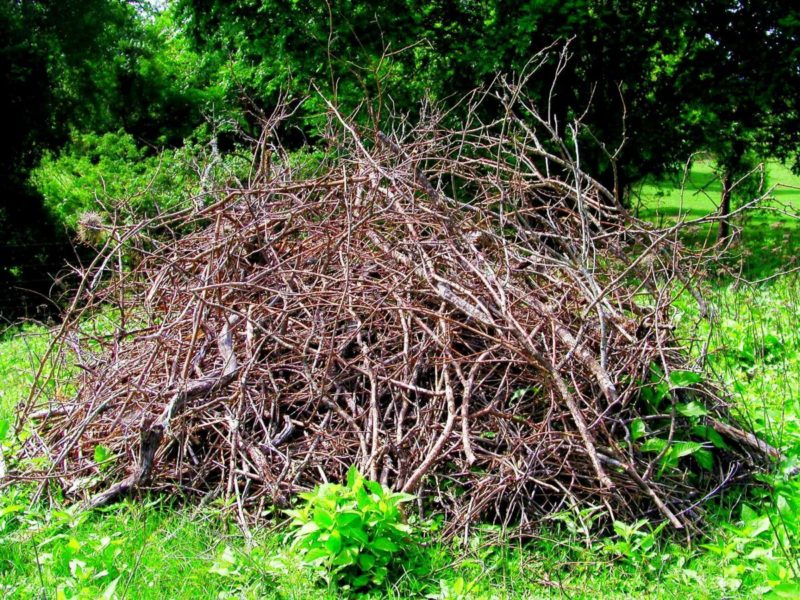
Rabbits need two things: food and cover. Find where these overlap, and you’ll find rabbits.
Focus on Brush Piles and Thickets
Dense tangles of multiflora rose, blackberry brambles, greenbrier, or honeysuckle are rabbit magnets. These thickets offer protection from predators and weather. The best spots are edge zones—where thickets meet open fields. Rabbits dart out at dawn and dusk to feed, then retreat quickly.
Pro Tip: After logging or fire, revisit the area 2–3 years later. Regenerating saplings and low brush create ideal rabbit habitat.
Hunt Along Fencerows and Drainage Ditches
Linear cover like fencerows, ditches, or windrows act as natural travel corridors. Rabbits use them at night to move safely between feeding and bedding areas. Walk these lines slowly, scanning for runways—narrow, packed trails through vegetation that lead from thick cover to open ground.
Scout South-Facing Slopes in Cold Weather
In winter, rabbits seek warmth. South- and southwest-facing slopes warm faster in sunlight, making them prime basking spots after cold snaps. On sunny midday hours, use binoculars to scan ledges, leaf litter, and brush piles. A dark, compact shape could be a sunning rabbit.
Check Abandoned Structures and Barns
Old sheds, woodpiles, overgrown gardens, and barns offer shelter and food. Clover, spilled grain, and garden scraps attract rabbits. These areas are productive—but always get landowner permission before hunting near private property.
Read the Signs: How to Know Rabbits Are Nearby
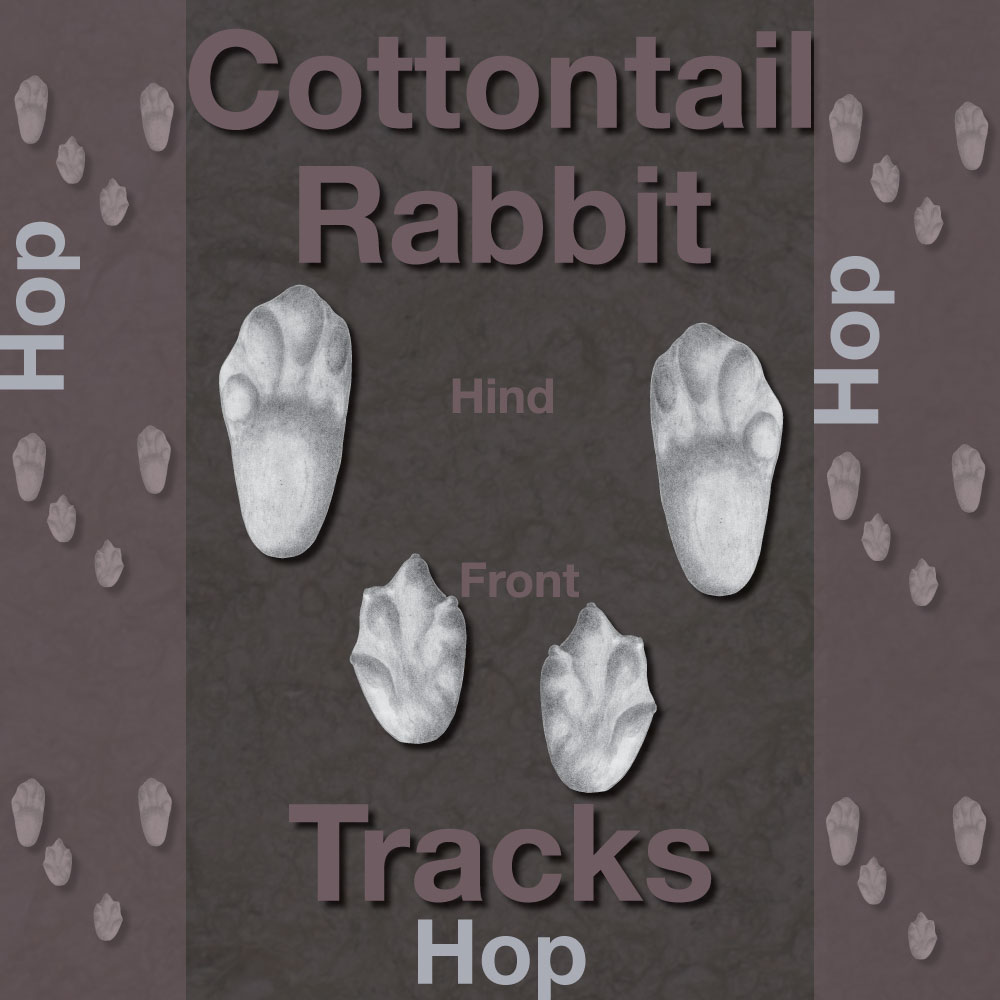
You don’t need to see a rabbit to know it’s there. Learn to read the evidence.
Look for Droppings and Tracks
Rabbit droppings are round, blueberry-sized pellets, often clustered near cover entrances. Tracks show a “2+2” pattern: two large hind feet (1.5–2 inches) in front, two smaller front prints behind. In snow, fresh tracks reveal direction and activity level—follow them to bedding areas.
Identify Feeding Damage
Rabbits leave clean, 45-degree cuts on twigs under ¼ inch thick. Girdled saplings—bark stripped in a ring up to 2 feet high—are another sign. Chewed clover or alfalfa patches indicate nightly feeding.
Expert Tip: Unlike deer, rabbits don’t leave saliva trails. Use a magnifying lens to check for fine tooth marks if unsure.
Locate Nests and Bedding Sites
Nests are shallow, fur-lined depressions under brush or tall grass. You’re more likely to flush a nursing doe than spot the nest itself. Avoid disturbing nesting areas during spring breeding season.
Safety Note: Never touch a nest. If exposed, gently cover it back with natural materials.
Best Techniques to Flush and Harvest Rabbits
Once you’ve found rabbit-rich cover, use the right method to trigger a flush.
Walk and Kick: The Solo Hunter’s Go-To
Also known as jump shooting, this method involves walking slowly through thick cover and kicking brush piles, logs, and tangles. Use a zig-zag pattern to approach from unpredictable angles.
Pace It Right: Walk 10–15 steps, then stop for 20–30 seconds. Rabbits freeze when they hear movement—pausing makes them nervous and more likely to bolt.
Stay Safe: Keep your finger off the trigger, safety on, and muzzle pointed safely. When a rabbit bursts out, react quickly but deliberately.
Organize a Drive Hunt With a Group
For higher success, set up a drive. Assign drivers to push through dense cover and standers to wait at escape routes—field edges, funnels, or known trails.
Safety Rules:
– All wear blaze orange
– Define shooting zones using a clock system (e.g., “7 to 9 o’clock only”)
– Never shoot toward the driver line
Ideal Setup: Position standers where trails converge or near brush piles rabbits use as refuges.
Hunt With Beagles for High-Percentage Shots
Beagles are the gold standard for rabbit hunting. Their nose is unmatched, and their baying tells you the chase is on.
How It Works: Rabbits run in circles around their home range. Hunters set up along likely crossing points. Wait for the rabbit to distance itself from the dog before shooting.
Ethical Rule: Never shoot a rabbit near your dog. Let it make at least one full loop.
Gear Up: Fit your dog with a blaze orange vest or collar for visibility.
When to Hunt: Timing and Weather Make the Difference
Even the best habitat won’t yield rabbits if you’re there at the wrong time.
Hunt at Dawn and Dusk
Rabbits feed heavily at first light and just before dark. Be in position 30 minutes before sunrise or sunset.
Winter Exception: On sunny days after a cold front, rabbits bask midday—prime time to spot them on south-facing slopes.
Always Hunt Into the Wind
Rabbits have an acute sense of smell. Approach cover into the wind so your scent doesn’t alert them.
Pro Tip: If the wind shifts, reposition. A quartering wind can still carry your scent sideways.
Use Snow to Your Advantage
Fresh snow transforms rabbit hunting. Tracks lead straight to active areas. Droppings stand out. And rabbits contrast sharply against white ground.
Follow the Trail: Fresh tracks mean the rabbit is likely nearby—check brush piles at the end of the trail.
Gear Up for a Successful Rabbit Hunt
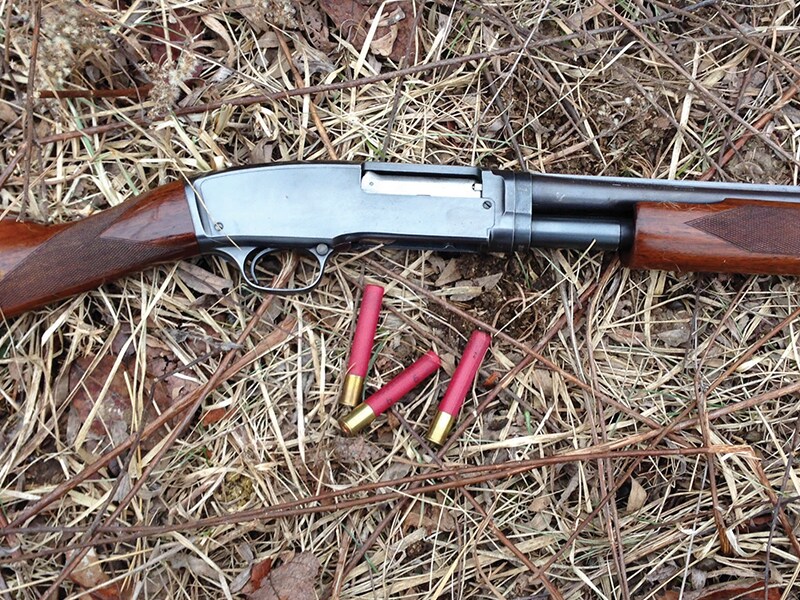
The right equipment increases your odds and keeps you safe.
Choose the Right Firearm
- Shotgun (20 or 12 gauge): Best for fast-moving targets. Use #6 or #7½ shot with improved cylinder choke.
- .22 LR rifle (scoped): Ideal for precision headshots. Preserves meat and allows longer shots.
- .410 shotgun: Lightweight, low recoil—great for kids or close-range work.
Ammo Tip: Avoid buckshot—it destroys meat. Use non-toxic loads if required.
Essential Clothing and Tools
- Blaze orange vest or hat (required in many states)
- Brush-resistant pants to handle thorns and briars
- Waterproof upland boots with secure lacing (BOA systems prevent snags)
- Small game vest with shell pockets and game pouch
- Binoculars for scouting thickets before entry
Optional but Useful: Walking stick, GPS to mark spots, gloves for handling brush.
Do Baiting and Luring Work?
Some hunters swear by baiting; others say it’s unreliable.
Natural Food Baits
Place carrots, apples, cabbage, or clover near brush piles. Some add apple cider spray to boost scent.
Reality Check: No scientific proof baiting consistently works. Rabbits are cautious and may avoid novel objects.
Behavioral Tricks That Help
- Whistle softly at a running rabbit—some say it makes them pause.
- Rustle brush gently to simulate a predator, prompting a flush.
- Stay still after pausing—rabbits may think danger has passed and move.
Best Lure? Silence and patience. Most successful hunters rely on stealth.
Stay Legal and Safe
Hunting rabbits is simple, but rules matter.
Know Bag Limits and Seasons
In Pennsylvania, the daily bag is 4 rabbits. Seasons run from fall through winter. Sunday hunting is now allowed in many states—check local regulations.
Myth: “No closed season on rabbits.” False. Most states have defined seasons to protect breeding populations.
Report Disease Signs
Rabbit Hemorrhagic Disease (RHD) is deadly but not yet in wild PA rabbits (as of 2024). If you find two or more dead rabbits with no obvious cause, report it.
Human Risk: None—RHD doesn’t affect people.
Field Dressing and Meat Handling
A clean harvest means clean meat.
Field Dressing Steps
- Wear gloves (rabbits carry fleas)
- Make a shallow cut from anus to chest
- Open cavity, remove organs, avoid puncturing gall bladder
- Rinse and cool quickly
Skin Immediately: Fresh rabbit skin peels off easily. Hang in a cool, dry place.
Butchering Tips
- Remove hind legs first (no bone connection to body)
- Separate saddle (loin) by cutting along the backbone
- Bone out for stew or fry the legs
Cooking Ideas:
– Braise in stew for tender meat
– Fry legs like chicken
– Make pâté from trimmings
Flavor Note: Rabbit tastes mild, like chicken, but leaner.
Final Tips for First-Time Hunters
Rabbit hunting rewards patience and persistence.
Avoid Common Mistakes
- Moving too fast through cover—slow down and scan
- Not being ready to shoot—keep your gun safe but accessible
- Ignoring micro-habitats—check every brush pile, no matter how small
Proven Success Strategies
- Scout in summer when vegetation is visible
- Use HuntWise or onX to map thickets and slopes
- Hunt after snowfall—tracks reveal everything
- Switch guns mid-hunt—let one hunter use a .22, the other a shotgun
Bottom Line: Rabbits are everywhere—if you know where to look. They freeze, hide, and rely on camouflage. But with the right habitat knowledge, timing, and technique, you’ll find them.
Final Note: Rabbit hunting isn’t just about the harvest. It’s about movement, observation, and connection to the land. Whether you’re chasing dogs through the pines or stalking silently with a scoped .22, every hunt builds skill. Get out, stay sharp, and keep trying. The woods are full of rabbits—waiting to be found.


0 Comments