Hunters across America are facing a growing challenge: access. With over 60% of rural land privately owned and public lands increasingly crowded, securing quality hunting ground has become harder than ever. The solution? Hunting leases—agreements that grant you legal access to private property for a set period. Whether you’re after whitetails, turkeys, or waterfowl, learning how to find hunting leases can open doors to less-pressured game, better harvest opportunities, and long-term stewardship.
According to the American Hunting Lease Association, nearly half of all hunters have leased land, and only 11% say they’d never pay for access. Yet many still struggle to find available properties. The key isn’t just knowing where to look—it’s understanding how to approach landowners, evaluate land, and negotiate fair terms. This guide breaks down every proven method—from door-to-door outreach to digital platforms—and gives you the tools to secure a lease that fits your goals and budget.
Start with Local Networking
Tell Everyone You’re Looking
Word of mouth remains the most effective way to find hunting leases. Most private landowners don’t advertise—they simply give access to people they know and trust. Let friends, family, neighbors, and coworkers know you’re seeking land. Use simple, clear messaging:
“I’m looking to lease hunting land and would pay a fair rate.”
Carry custom business cards that state your intent. Include your name, phone number, and a brief note like:
“Responsible hunter seeking lease opportunities – references available.”
Hand these out at feed mills, gun shops, and farm supply stores. The more visible you are in rural communities, the more likely you are to hear about openings.
Join Hunting Clubs and Associations
Local chapters of organizations like the Quality Deer Management Association (QDMA), National Wild Turkey Federation (NWTF), or state bowhunter groups often have exclusive access to large tracts. These groups are viewed as responsible stewards, making landowners more willing to lease to them.
Membership also boosts credibility when approaching landowners. Being part of an established organization signals you follow ethical practices and understand wildlife management.
Use Real Estate Agents and Land Brokers
Target Rural Land Specialists
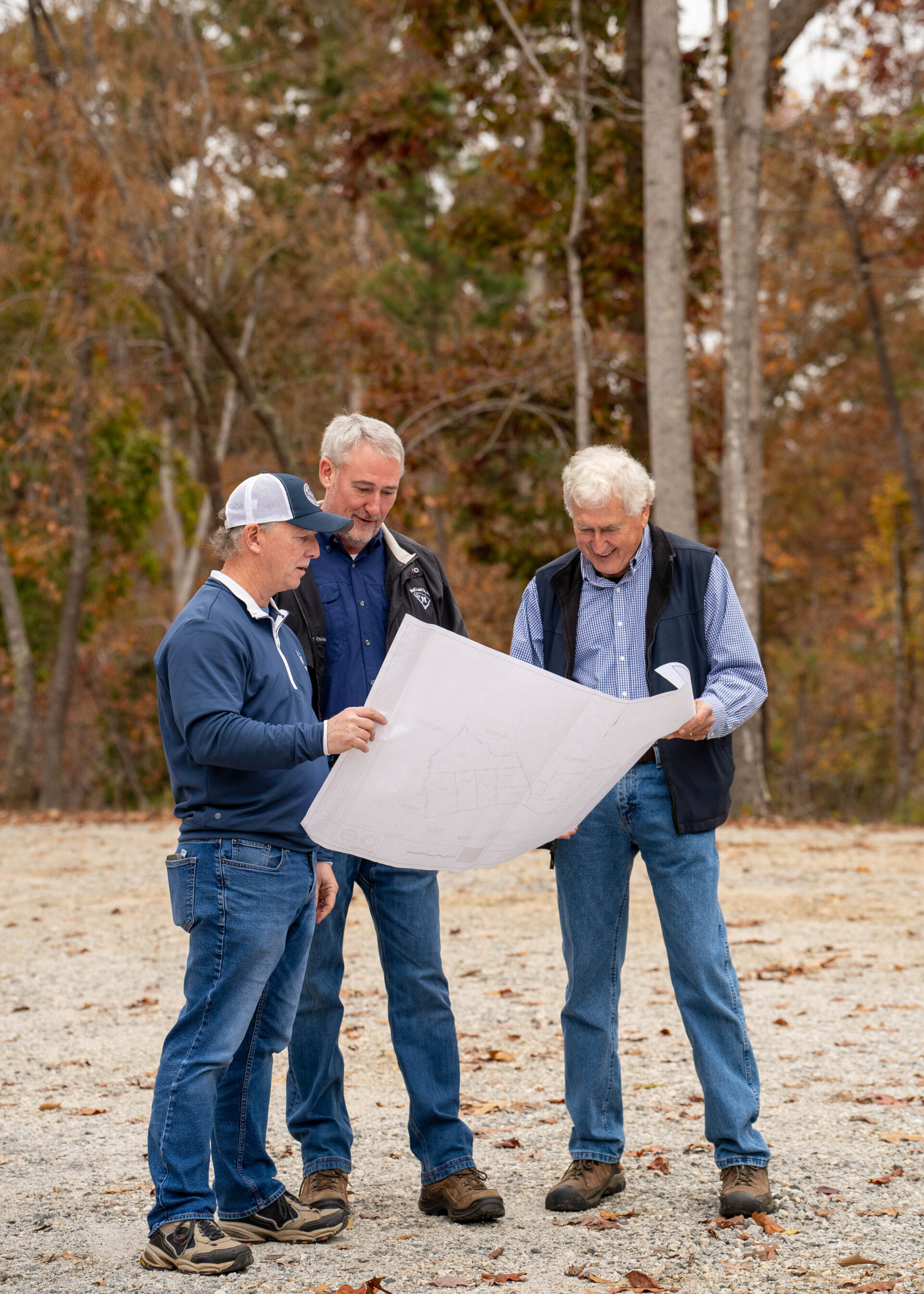
Many real estate agents focus on recreational or timberland properties. These professionals often know landowners who aren’t actively selling but may consider leasing.
Call local agencies and ask:
“Do you work with landowners who might be open to leasing for hunting?”
Even if their primary goal is sales, agents may refer you to clients who want steady income without selling. One Ohio hunter landed a five-year lease after connecting with a broker who introduced him to a landowner reluctant to sell but eager for passive revenue.
Leverage Broker Networks
Some brokers partner with hunting lease platforms like Base Camp Leasing or HLRBO, giving them access to off-market listings. Ask if they can connect you with hunting-specific opportunities.
Knock on Doors: Direct Outreach
Prepare a Professional Approach
Nothing beats face-to-face contact. The knock-and-talk method works—especially in areas where land isn’t listed online.
Before heading out:
– Wear clean, non-threatening clothing (avoid camo if it feels aggressive)
– Bring a boilerplate lease agreement drafted by an attorney
– Have a clipboard with property details, contact info, and a map
If the landowner declines free access, offer a paid lease on the spot. Presenting a ready-to-sign contract reduces hesitation and shows professionalism.
Pro Tip: Focus on farms surrounded by crop fields. These lands often support high deer density and give hunters a compelling reason to offer value—like helping with crop damage control.
Search Online Hunting Lease Platforms
Top Sites to Browse Listings
Digital marketplaces have made finding hunting leases easier than ever. These platforms provide transparency, secure payments, and detailed property data.
Hunting Lease Network (HLN)
- National listings with vetted properties
- Secure payment processing
- Lease terms and landowner reviews
Base Camp Leasing
- Full-service management: handles negotiations, contracts, and payments
- Properties often include food plots and stands
- Ideal for hunters who want a turnkey experience
HLRBO (Hunting Land Real Estate Brokerage Online)
- Free to browse
- Direct contact with landowners
- Includes maps, photos, and user feedback
Hunting Locator
- Zillow-style interface
- Filter by state, acreage, price, and species
- Great for comparing regional options
American Hunting Lease Association (AHLA)
- Offers sample contracts, liability insurance, and educational resources
- Curates vetted lease opportunities
Avoid Common Pitfalls
While online leases are convenient, they come with trade-offs:
– Higher prices due to platform fees
– Auction models that drive up competition
– One-year terms with annual rate increases
– Restrictive rules (e.g., mandatory volunteer hours, rank-based access)
Red Flag Example: One lease required:
– 3-year wait before harvesting a buck
– 80 off-season volunteer hours
– Donating corn for feeders
– Yielding blind access to “higher-ranking” members
Always read the full contract before signing.
Check Government and Institutional Lands
School Trust Lands
In states like Louisiana, North Carolina, and Arizona, school boards own vast tracts of land funded by public trusts. Much of this land is available for lease.
Contact your state’s School Land Office or State Board of Education to inquire about recreational leasing programs. These parcels often offer low-pressure hunting at affordable rates.
State DNR and Federal Programs
Some state Departments of Natural Resources (DNR) lease public hunting parcels through special access programs. Others partner with private landowners in cooperative wildlife management initiatives.
Check your state’s DNR website for:
– “Walk-in Access” programs
– “Hunt on Private Land” initiatives
– “Deer Damage Permit” leasing options
University-owned lands and federal trust properties may also offer seasonal leases.
Scan Local Bulletin Boards and Print Media
Visit Rural Hubs
Feed mills, gun shops, pawn shops, and farm supply stores are still active hunting lease markets. Landowners often post flyers in these locations.
Stop by and:
– Ask the clerk if anyone’s posted a lease
– Place your own 8×10 flyer with your contact info
– Check bulletin boards weekly
Flyer Tip: Use bold text:
“Serious Hunter Seeking Lease – Will Pay Fair Rate”
Include phone, email, and a QR code linking to your onX map.
Try Local Newspapers
Classified sections in rural papers sometimes list hunting land for lease. While fewer people use print today, many older landowners still do.
Set up Google Alerts for phrases like:
– “[Your County] hunting land for lease”
– “Private hunting access [State]”
Use Social Media and Online Classifieds
Search Facebook and Craigslist
Facebook Marketplace and Craigslist occasionally list hunting leases—especially in rural areas.
Use filters like:
– “For Sale > Farm & Garden”
– “Services > Event Services”
– Search keywords: “hunting lease,” “deer hunting land,” “private access”
Beware of Scams
Online deals carry risk. Always:
– Verify ownership via county GIS
– Confirm legal description and boundaries
– Avoid sending money without a signed contract
– Meet in person before paying
If a deal seems too good to be true—like $5/acre in a high-demand area—it probably is.
Tap into Forestry and Timber Industry Contacts
Connect with Consulting Foresters
Inactive timberlands are prime hunting lease candidates. These areas often have thick cover, low human traffic, and high game density.
Visit the Association of Consulting Foresters of America website to find professionals by region. These experts manage land for owners and may know of recreational leasing opportunities.
Why it works: Timber companies want responsible users who won’t damage equipment or interfere with harvest plans. Hunters who respect boundaries are welcome.
Evaluate Properties Like a Pro
Define Your Hunting Goals First
Before scouting, clarify:
– Target species (deer, turkey, etc.)
– Minimum acreage
– Preferred habitat (hardwoods, CRP, water sources)
– Travel distance limit
– Budget per acre
– Need for exclusivity
This focus helps you filter opportunities quickly.
Use Mapping Tools to Scout Remotely
Leverage technology to narrow your search:
County GIS Websites
- Free access to parcel maps
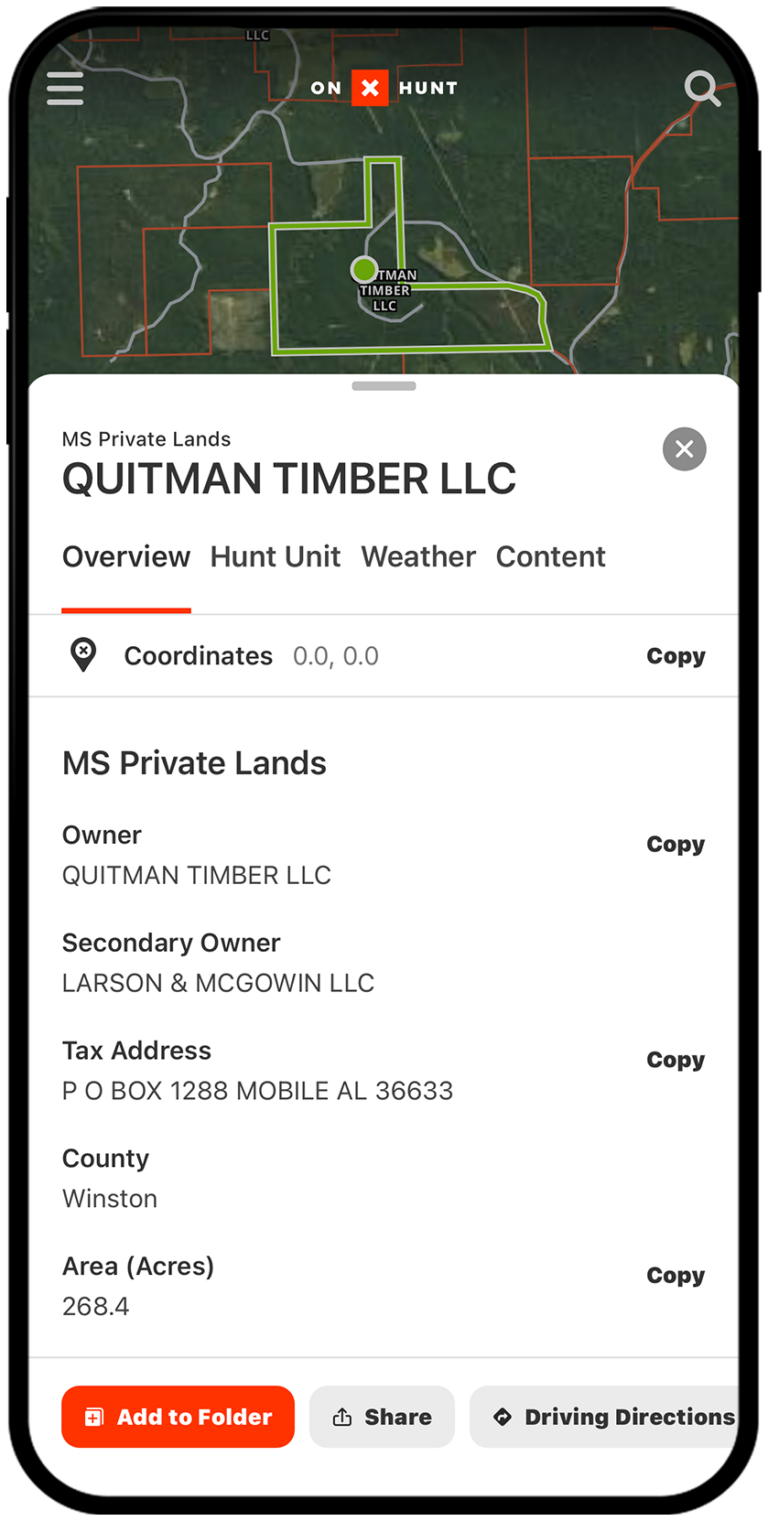
- Shows landowner names, acreage, and boundaries
- Some include aerial imagery
onX Hunt
- Public/private land overlays
- B&C Trophy Buck layers
- Distance measurement and offline maps
- Ideal for identifying unfenced tracts near crop fields
Huntstand
- Pin and annotate properties
- Take field notes
- Track landowner contact info
- Analyze food sources, water, and travel corridors
Look for:
– Properties off main roads
– Signs of deer activity (rubs, trails, scrapes)
– Natural funnels (ravines, creek crossings)
– Adjacent to agriculture (supports high deer numbers)
Scout the Land In Person
Walk the Property Before Committing
Never lease land based on maps alone. Visit during daylight and:
– Confirm access points and road conditions
– Identify bedding areas and travel corridors
– Locate water sources and feeding zones
– Assess cover thickness and stand sites
– Look for deer sign: tracks, droppings, rubs
Visual Cue: Fresh rubs on saplings = active buck movement.
Red Flag: Trespassing signs or litter = likely already hunted.
Talk to neighbors to learn about local deer patterns and hunting pressure.
Ask the Right Questions
Before Signing, Clarify Key Terms
Get answers to:
– Is access exclusive or shared?
– Can I camp, use ATVs, or build stands?
– Are food plots allowed? Who maintains them?
– What are payment terms (amount, due date, method)?
– Can I bring guests? How many?
– Are there species or harvest restrictions?
– Does the landowner reserve rights (e.g., haying CRP)?
– Is liability insurance required or included?
Contact Neighbors and Biologists
Call neighboring landowners to:
– Understand regional deer movement
– Learn about local hunting pressure
Contact your state wildlife biologist for:
– Deer age structure
– Population health
– Chronic Wasting Disease (CWD) status
– Harvest data from past years
Know What Makes Great Lease Land
Focus on the Four Essentials
Ideal hunting land provides:
1. Food – Natural browse, crops, or food plot potential
2. Water – Creeks, ponds, or wetlands
3. Cover – Thick timber, brush, or CRP for bedding
4. Security – Low human activity, minimal road noise
Look for Proven Success
Signs of quality:
– Abundant deer sign (tracks, scrapes, droppings)
– Adjacent to corn or soybean fields
– Topographical funnels (ridgelines, pinch points)
– Trail camera photos or harvest history
Examples:
– Wisconsin, 65 acres: Creek, apple orchard, corn crops, dense woods
– Kansas, 298 acres: Native timber draws, live creek, trophy history
– Iowa, 154 acres: Thick cover, lake-fed creek, recent buck sightings
Draft a Strong Lease Agreement
Include Key Legal Elements
A solid contract protects both you and the landowner. Essential components:
| Element | What to Include |
|---|---|
| Parties | Full names, addresses, contact info |
| Property | Legal description, GPS coordinates, map |
| Term | Start/end dates, renewal options |
| Payment | Amount, due date, payment method |
| Access | Days/times allowed, guest limits |
| Activities | Hunting, camping, ATV use, scouting |
| Species | Allowed game and bag limits |
| Liability | $1M–$2M hunting insurance required |
| Responsibilities | Food plots, trail maintenance, cleanup |
| Termination | Conditions for ending the lease |
| Dispute Resolution | Mediation or legal process |
Download a free sample from the University of Georgia Extension for reference.
Lease vs. Buy: Make the Right Choice
Compare Key Factors
| Factor | Leasing | Buying |
|---|---|---|
| Cost | $5–$50/acre/year | High upfront + taxes |
| Equity | None | Builds long-term value |
| Control | Limited by owner rules | Full autonomy |
| Commitment | Yearly or multi-year | Permanent |
| Management | Requires approval | Full freedom |
Leasing wins for flexibility and affordability. Buying suits those wanting control and investment.
Hire a Land Manager for Expert Insight
Get a Professional Evaluation
For serious hunters, hiring a land manager can be a game-changer.
Benefits:
– Expert assessment of property potential
– Custom habitat improvement plan
– Deer movement analysis and stand placement
– Access to off-market land leads
Matt Haun of Quaility Timber and Land Management is known for deep industry connections and strategic planning.
Cost: $0.50–$3/acre, depending on scope.
Pro Tip: A single day with a skilled manager can save months of trial and error.
Explore Alternative Access Options
Try Permit-Only Hunts
Some states offer short-term access via permits:
– Small fee per use
– Limited time on land
– Great for scouting or occasional hunts
Enter Draw Hunts
Lottery-based programs provide access to prime public or conserved lands:
– Found in WMAs, nature preserves, city parks
– Low odds but high reward
– Winners often get underutilized, low-pressure tracts
Final Tips for Success
Start Your Search Early
Begin in April or May. Most leases renew or expire then, before properties hit online markets.
Be Persistent and Respectful
Follow up politely. Many landowners say no at first but reconsider later.
Treat the Land Like Your Own
Leave no trace. Close gates. Communicate regularly. Build trust.
Document Everything
Even verbal agreements should be written down. Include dates, terms, and signatures.
Verify Ownership
Use county GIS to confirm the person you’re dealing with owns the land.
Carry Liability Insurance
Most leases require $1M–$2M in coverage. Some platforms include it.
Plan Improvements Wisely
Don’t plant food plots or hang stands without understanding deer movement first.
Use Technology Daily
Apps like onX Hunt and Huntstand streamline scouting, boundary checks, and property evaluation.
Final Note: Finding a hunting lease isn’t about luck—it’s about strategy. Combine networking, technology, and persistence. Whether through a handshake with a farmer or a click on HLRBO, the right lease is out there. With the right approach, you can gain consistent access to quality land, improve your harvests, and become a steward of the land for years to come.


0 Comments