When you’re knee-deep in the backcountry with a freshly harvested elk, your knife isn’t just a tool—it’s your lifeline. A poor choice can mean torn hide, spoiled meat, or even injury. The best hunting knife isn’t the flashiest or most expensive—it’s the one that performs flawlessly when it matters most. Whether you’re skinning a squirrel at dawn or processing moose in the rain, your blade must cut cleanly, hold its edge, and stay in your hand—no matter how wet or bloody the conditions. This guide cuts through marketing hype with real-world data and expert insights to help you choose a knife that matches your game, environment, and hunting style. You’ll learn why blade length is more critical than you think, how steel quality impacts performance far beyond brand names, and whether a fixed blade or folder suits your needs. By the end, you’ll know exactly what to look for—and avoid—so your next hunting knife becomes a trusted extension of your hand.
Match Your Knife to the Game You Hunt
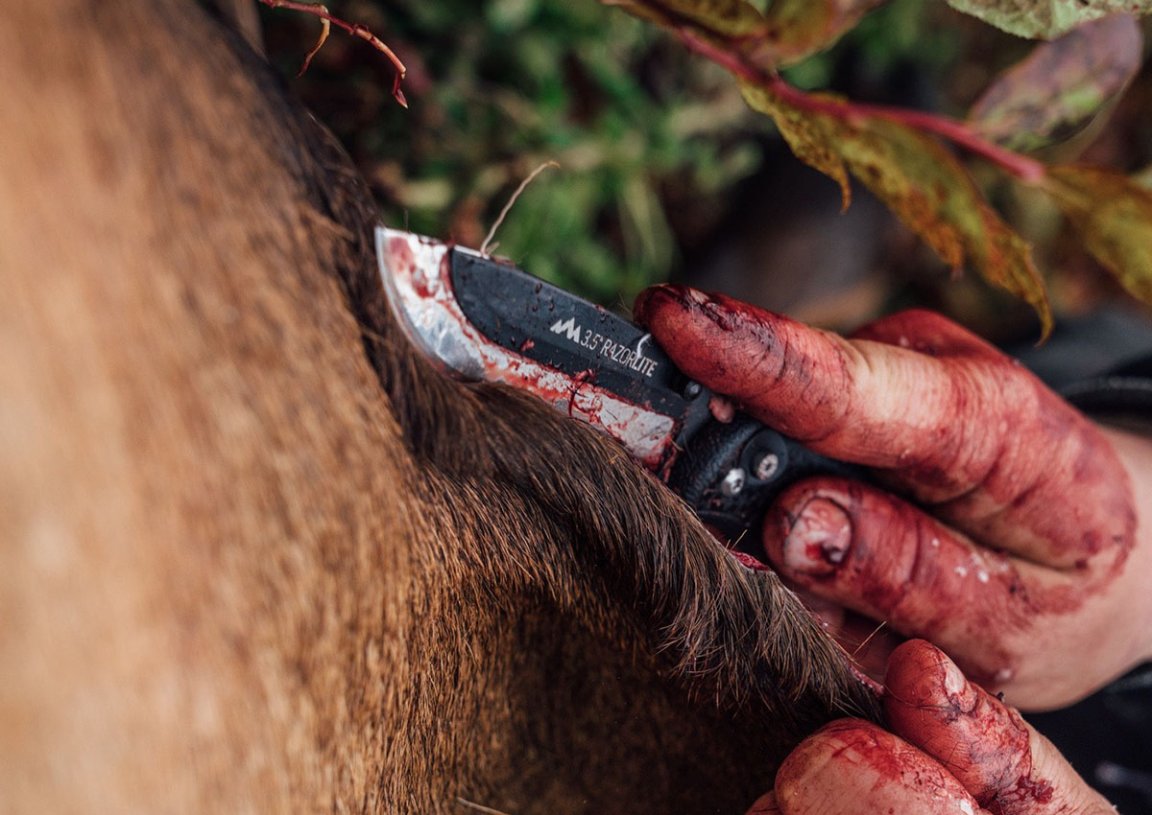
The animal you pursue dictates everything: blade size, strength, and even shape. Choosing based on game ensures precision without sacrificing durability.
Small Game Needs Precision, Not Power
Rabbits, squirrels, birds, and trout demand delicate handling. A 2.5–3.5 inch blade is ideal—short enough for control, long enough for clean cuts. Opt for a caping or fillet-style knife with a narrow tip and slight flexibility to navigate tight spaces like a squirrel’s ribcage. The Schrade Isolate Caper excels here, offering surgical precision. Avoid thick spines or bulky handles—they reduce dexterity and increase the risk of piercing internal organs, ruining meat.
Big Game Requires Strength and Control
Deer, elk, and moose need a 3.5–4.5 inch fixed-blade knife with a strong spine and full-tang construction. While it might seem logical to go longer, blades over 4 inches become unwieldy inside body cavities. A 3–4 inch drop point offers the perfect balance of reach and control for gutting and quartering. It cuts through tendons and hide without flexing. The MKC Blackfoot and Speedgoat are field-proven choices, built with high-toughness steel for heavy-duty work. For bear or moose, prioritize durability: full tang, thick stock, and corrosion-resistant steel.
Fishing Calls for Flexibility and Corrosion Resistance
Fillet knives dominate here. Their thin, flexible blades glide along fish bones, maximizing meat yield. Use a non-slip, rubberized handle—wet hands demand grip. Stainless steel is essential to resist rust from repeated water exposure. While some hunters use a caping knife, a dedicated fillet blade like the Benchmade Meatcrafter® outperforms multi-use tools in aquatic environments.
Hog Hunters Need Piercing Power and Backup
Feral hogs have thick hides and unpredictable behavior. Some carry a hunting dagger like the Buck 120 General with a 7.5-inch blade for emergency heart strikes. These are specialized tools—not replacements for skinning knives. Most still rely on a standard 4-inch drop point for processing, but a tactical dagger serves as a critical backup in dangerous encounters.
Pick the Right Blade Style for the Task

Blade shape defines function. Each design excels in specific hunting tasks.
Drop Point: The All-Around Champion
The drop point is the gold standard. Its spine curves downward to a strong, centered tip, offering excellent control during gutting. The wide belly allows smooth slicing through hide and fat. It’s tough enough for tendons and safe enough for beginners. Top picks: Benchmade Steep Country and White River Knives Small Game Hunter. If you own only one knife, this should be it.
Clip Point: Precision with a Trade-Off
Clip point blades have a sharper, higher tip due to the clipped spine. Great for piercing and fine work like caping or camp chores. But the tip is more fragile and can puncture organs during field dressing. Best for hunters who also use their knife as an EDC. Examples: Buck Model 110 Hunter, KA-BAR Dozier Folding Hunter.
Trailing Point: Skinning Specialist
Also known as a semi-skinner, this blade has a sweeping curve and elevated point. The long cutting edge enables continuous skinning motions with minimal repositioning—perfect for clean pelt removal. But the high point is harder to control in deep cavities. Stick with this only if skinning is your primary task. Try the KA-BAR Skinner or Victorinox Curved Skinning Knife.
Boning Knife: Butchering Precision
Narrow and often flexible, boning knives separate meat from bone with surgical accuracy. Use them after field dressing to debone quarters or fillet fish. Their agility shines in tight joints. Not ideal for initial gutting. The Benchmade Saddle Mountain Hunter combines boning capability with ruggedness.
Caping Knife: Trophy Hunter’s Tool
Trophy hunters need a short (2–3 inch), sharply pointed caping knife. Its upturned tip allows careful work around antlers, ears, and eyes—preserving the neck hide for taxidermy. Extremely precise, but too small for general use. The Buck Ergohunter Caping Knife is purpose-built for this.
Avoid These Blade Types
Skip trailing points with tips above the spine—they’re easy to lose control of during gutting. Wharncliffe or sheepsfoot blades lack the curved belly needed for efficient skinning. Serrated edges tear meat and hide, are hard to clean, and dull unevenly. Save them for survival kits, not hunting.
Choose the Ideal Blade Length
Size matters—but bigger isn’t better. The sweet spot balances reach and control.
Stick to 2.5–4 Inches
Most experts agree: 3–4 inches is optimal for nearly all hunting. Shorter blades (under 2.5″) lack reach for quartering. Longer ones (over 4.5″) are awkward in tight cavities. Even for grizzly or moose, a 4-inch blade suffices. As one hunter notes: “Longer blades become difficult to maneuver in tight spots and shorter blades don’t work as well for deep cuts.”
Match Size to Game
- Small game: 2.5–3.5 inches
- Deer-sized game: 3.5–4 inches
- Elk/moose: 4–4.5 inches (only if processing large quarters)
Thinner stock (≤0.125″) enhances slicing performance regardless of length.
Evaluate Steel Quality First
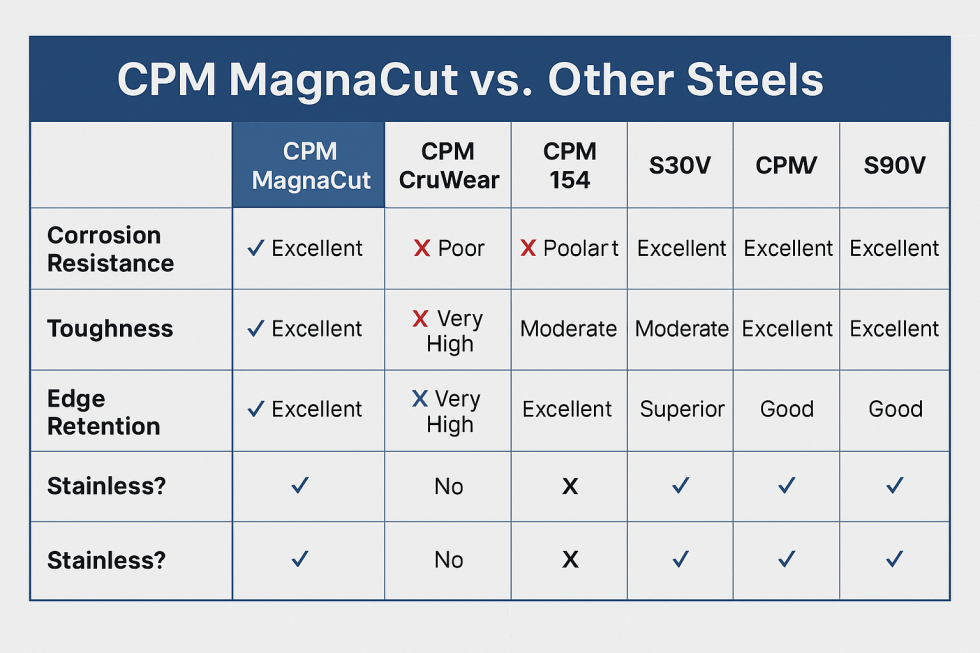
Blade steel determines edge life, toughness, and rust resistance.
Know the Key Properties
| Property | Why It Matters |
|---|---|
| Edge Retention | Stays sharp longer during heavy use |
| Toughness | Resists chipping when cutting bone or frozen meat |
| Corrosion Resistance | Prevents rust in wet/humid conditions |
| Ease of Sharpening | Crucial for field maintenance |
Don’t chase expensive names—find the right balance for your needs.
Best Steels by Use Case
- CPM-S30V / S35VN: Premium choice. Excellent edge retention and corrosion resistance. Found in Benchmade Saddle Mountain Skinner.
- MagnaCut: Emerging favorite. Balanced toughness, edge life, and rust protection. Used in Benchmade Taggedout®.
- AEB-L: Thin, easy to sharpen, great corrosion resistance. Ideal for Lishen Little Canuck.
- 420 HC / 420J2: Budget-friendly. Decent rust resistance but poor edge retention. Common in Buck Alpha Scout Select.
- 1095 Carbon Steel: Tough and sharpens easily, but rusts fast. Requires diligent oiling.
- D2 Tool Steel: Holds an edge well but chips easily and corrodes. Not recommended.
“Don’t go into choosing one based on a flashy name or discount a steel because it’s not expensive. Find the right balance.”
Fixed Blade vs. Folding: Make the Right Choice
Your decision hinges on durability versus convenience.
Fixed Blades Are Field-Ready
| Advantage | Why It Matters |
|---|---|
| Stronger construction | Full tang withstands heavy use |
| Easier to clean | No crevices for blood and bacteria |
| More reliable | No moving parts to fail |
| Better for processing | Safer and more efficient in wet, bloody conditions |
Best for extended backcountry hunts, big game, and survival. The MKC Raghorn® exemplifies strength and reliability.
Folding Knives Offer Portability
| Advantage | Why It Matters |
|---|---|
| Compact carry | Fits in pocket or belt sheath |
| Safer transport | Blade enclosed when not in use |
| One-handed opening | Assisted or flip mechanisms speed access |
| Multi-tool options | Some include pliers (e.g., Leatherman OHT) |
Ideal for short hunts, EDC, or as a backup. The Benchmade Taggedout® combines MagnaCut steel with carbon fiber for lightweight performance.
“Fixed blades are stronger and easier to clean. Folding knives offer convenience.”
Design a Secure, Comfortable Handle
Your grip must stay firm—even when wet, bloody, or wearing gloves.
Choose Durable, Grippy Materials
- G10: Top choice. Slip-resistant, durable, easy to clean.
- Micarta: Excellent traction and classic look.
- Kraton/Zytel: Lightweight, synthetic, and weatherproof.
- Wood/Bone/Leather: Attractive but absorb moisture and degrade.
- Cord-wrapped: Good grip but traps debris.
Avoid materials that swell, crack, or become slick when wet.
Prioritize Ergonomic Features
- Contoured shape fits hand naturally.
- Finger stop or guard prevents hand slippage.
- Jimping on spine gives thumb traction in low light.
- Avoid deep choils or sharp angles that limit grip styles.
“An ideal hunting knife grip is simple and has good traction even when bloody.”
Don’t Overlook Sheath Quality
A poor sheath ruins a great knife. It must protect, secure, and allow quick access.
Kydex Beats Leather for Hunting
- Kydex: Weatherproof, durable, easy to clean, secure retention.
- Leather: Classic look but absorbs moisture, degrades in rain, requires maintenance.
For real-world hunting, Kydex is superior. The MKC Boltaron® sheath sets the standard.
Look for Key Features
- Secure retention with easy draw
- Belt loop or MOLLE compatibility
- Drainage holes for wet environments
“I hate a good knife in a bad sheath. I actually prefer Kydex for pure practicality.”
Maintain Your Knife in the Field
A sharp, clean knife is a safe knife.
Clean After Every Use
- Wipe blade immediately.
- Wash with warm water and mild soap if contaminated.
- Dry thoroughly—especially carbon steel.
- Oil carbon blades to prevent rust.
Sharpen On the Go
Carry a compact field sharpener like the Guided Field Sharpener. Focus on maintaining a thin edge (10–12 thousandths). Use a whetstone for quick touch-ups.
Use Professional Services
- Benchmade LifeSharp® Service: Free edge restoration.
- MKC Generations® Program: Professional resharpening.
Final Note: The best hunting knife isn’t the most expensive—it’s the one that fits your hunt. Match blade style to game, steel to environment, and handle to grip. Whether you’re in the backcountry with a fixed blade or pocketing a folder for a day trip, prioritize function, durability, and ease of care. A well-chosen knife becomes an extension of your hand—sharp, reliable, and ready. Choose wisely, maintain it faithfully, and it may just last a lifetime.

0 Comments