You wake before sunrise, boots laced tight, breath visible in the cold mountain air. An elk bugles in the distance. This isn’t just another hunt—it’s the life you’ve dreamed of. Now you’re asking: Can I turn this passion into a career? The answer is yes—but becoming a hunting guide isn’t about trophies or shortcuts. It’s about service, sacrifice, and stamina. This guide cuts through the noise to show you exactly how to become a hunting guide, based on real industry insights, proven pathways, and the unfiltered truths top outfitters won’t tell you.
Most guides start with little pay, long hours, and no benefits—some earn as little as $1.85 an hour in their first season. Yet they persist, not for the money, but for the freedom, the wild places, and the chance to help others experience what they love. If you’re ready to work hard, learn fast, and put clients first, this career is within reach. Here’s how to build it step by step.
Master the Guide’s Core Responsibilities
A hunting guide isn’t just an expert hunter. You’re a safety officer, mentor, entertainer, and field leader. Your job is to deliver a safe, ethical, and unforgettable experience—whether or not the client harvests an animal.
Ensure Absolute Client Safety
Safety is non-negotiable. One mistake with a firearm, a misjudged river crossing, or a poorly secured tree stand can end a career—or a life. Guides prevent accidents by staying alert, assessing risks constantly, and knowing their clients’ limits.
Key safety duties:
– Enforce strict firearm safety during movement and shooting
– Scout terrain for hazards like cliffs, loose rocks, or downed timber
– Monitor weather and make evacuation calls when needed
– Prevent fatigue-related errors on long hunts
– Respond to injuries with first aid and emergency plans
“Accidents happen from poor decisions under pressure—not just falls or gear failure.” — Article 3
Never let ego override judgment. If conditions turn dangerous, you must call it off—even if the client disagrees.
Deliver Transformational Client Experiences
Clients don’t pay $5,000+ for a single elk. They pay for a story, a challenge, a personal breakthrough. Your attitude sets the tone. When weather turns bad or shots are missed, your calmness keeps morale high.
Traits of top guides:
– Emotional resilience under stress
– Clear, confident communication
– Empathy for nervous or frustrated clients
– Ability to manage expectations without compromising ethics
“Clients pay for a transformational experience—not just a trophy.” — Article 3
The best guides make clients feel capable, respected, and inspired—even when they go home empty-handed.
Create Hunting Opportunities (Not Just Kills)
Success isn’t measured by harvests. It’s measured by how many chances you give your client. Your job is to:
– Track animals using sign, wind, and behavior
– Spot game in rugged terrain
– Position clients for ethical, close-range shots
– Judge trophy quality accurately
– Use calling and glassing to trigger responses
“The real mission is creating opportunity.” — Article 3
A missed shot on a 380-inch bull is still a win if the client had a clean, fair chance.
Choose Your Guiding Path

There are four main types of hunting guiding. Each demands different skills, offers unique entry points, and attracts specific clients.
Backcountry Horseback Hunts
These are the most physically intense and logistically complex operations. You pack gear, horses, and clients deep into remote wilderness for multi-day hunts.
Ideal for: Aspiring wranglers, mountain hunters, and those who thrive in rugged conditions.
Skills needed:
– Horse packing and stock management
– Elk hunting in alpine terrain
– Camp setup and maintenance
– High-altitude endurance
Entry path: Start as a wrangler or assistant. Many guide schools focus on horse operations.
“Horse handling is something you can learn outside hunting season.” — Article 1
Pro tip: These jobs open often due to high turnover—your first break may come faster than expected.
Private Land Elk Hunts
Conducted on leased or owned property, these hunts offer higher success rates and more comfort than public land.
Ideal for: Hunters with deep elk knowledge and strong people skills.
Skills needed:
– Advanced understanding of elk behavior
– Calling, glassing, and judging expertise
– Client entertainment during downtime
Entry path: Focus on mastering elk patterns. Local knowledge is less critical than reading animal movement.
“These hunts are more about knowing elk than anything else.” — Article 1
Note: Less physical strain, but requires constant client engagement.
Trophy Hunts in Limited Entry Units
These high-stakes hunts target rare tags in exclusive zones. Success depends on pre-season scouting and intimate unit knowledge.
Ideal for: Local hunters with years of experience.
Skills needed:
– Detailed knowledge of specific hunting units
– Field-judging trophy quality
– Migratory pattern tracking
– Scouting and mapping
Entry path: Build a reputation by hunting your area hard. Outfitters hire locals who know where the big animals live.
“Knowledge of the animals and the area is key.” — Article 1
Warning: Without local experience, you won’t be trusted with high-dollar clients.
Public Land Day Hunts
Clients are driven daily from base camp to nearby public land. No overnight stock travel required.
Ideal for: Hunters with private access or hidden spots.
Skills needed:
– Familiarity with public land pressure points
– Terrain navigation and access routes
– Spot-and-stalk proficiency
– Horse packing (optional, for meat retrieval)
Entry path: Start by proving you can find game where others can’t.
“Having your own spots will benefit you greatly.” — Article 1
Bonus: These hunts deepen your personal hunting knowledge while building your resume.
Meet the Prerequisites
No college degree required—but you must meet real-world standards. Outfitters won’t hire based on enthusiasm alone.
Gain Western Hunting Experience
Most outfitters operate in the West. If you’ve never hunted mountain elk, mule deer, or high-country terrain, you’re at a major disadvantage.
How to build experience:
– Hunt your target region every off-season
– Focus on spot-and-stalk, glassing, and pack-in hunts
– Join public land draw systems to get tags
– Hunt solo to develop self-reliance
“You need to actually know: how to elk hunt.” — Article 1
No amount of YouTube watching replaces time in the field.
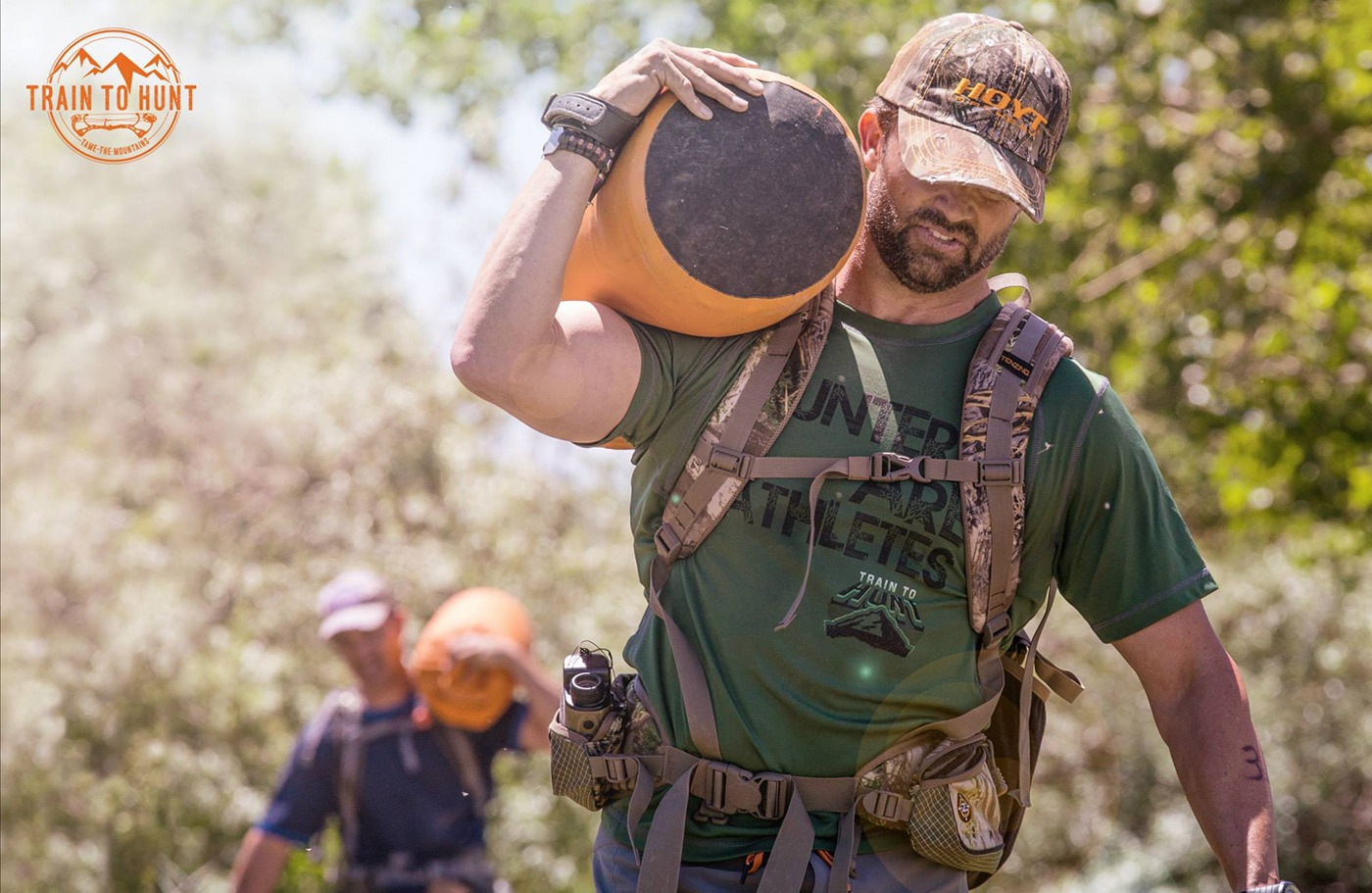
Build Physical and Mental Toughness
Guiding is grueling. You’ll hike 10+ miles a day at 9,000 feet, carry heavy packs, and endure freezing rain or 90-degree heat.
Train like an athlete:
– Hike with a weighted pack weekly
– Build leg and core strength
– Practice hiking at elevation
– Simulate long days without rest
Mental resilience matters just as much. You’ll face:
– Isolation
– Sleep deprivation
– Difficult clients
– Bad weather
Stay sharp by practicing mindfulness, journaling, and setting daily goals.
Develop People Skills
Many skilled hunters fail as guides because they can’t connect with clients.
To succeed:
– Be likable, positive, and patient
– Read body language and adjust your tone
– Manage egos and unrealistic expectations
– Stay calm when clients fail or complain
“Being a people person is paramount.” — Article 1
If you’re introverted, practice social skills deliberately. Your income depends on it.
Get Certified and Licensed
Legal requirements vary by state—but certification is non-negotiable.
First Aid and CPR
- Red Cross First Aid and CPR card: required
- Wilderness First Aid (WFA): highly recommended
- Recertify every 2–3 years
State Licensing Requirements
| State | Licensing Requirements |
|---|---|
| Arizona | 18+, pass 50-question exam |
| Alaska | Two 30-day hunting experiences (e.g., packer, hunter) |
| Wyoming | Pass 150-question written test |
| Utah | Background check, training, apprenticeship |
“Always verify current rules with your state’s wildlife agency.” — Article 6
“Taking money for guiding without a license is illegal in most Western states.” — Article 1 Bonus
Start by checking your state’s Department of Fish and Wildlife website.
Break Into the Industry

No one starts as a lead guide. You earn trust through service, reliability, and humility.
Start as a Wrangler or Assistant
Most guides begin in support roles:
– Wrangler: Care for horses, pack gear, maintain tack
– Packer: Haul meat, supplies, and equipment
– Assistant Guide: Help spot, track, and manage clients
– Camp Hand: Cook, clean, and maintain base camp
“Outfitters want you to be a wrangler for a few years before trusting you with clients.” — Article 2
Pay is low—sometimes minimum wage or less—but it’s your foot in the door.
Attend a Guide School
Reputable schools fast-track your training and connections.
Top programs:
– Outfitters Academy (Wyoming): Covers guiding, outfitting, mule packing
– AMS Guide School (Alaska): July–August sessions, hands-on
– Royal Tine Guide School (Montana): Licensed, accredited, wilderness-focused
– Swan Mountain Guide School: 4-week immersive program
Best for: Horseback operations, exam prep, and networking.
“Guide schools cater to horseback operations and provide hands.” — Article 1
Cost: $3,000–$7,000. Treat it as an investment.
Build a Hunting Resume
Outfitters hire based on proven skills—not resumes—but a strong one helps.
Include:
– Species hunted and locations
– Methods used (spot-and-stalk, archery, rifle)
– Horse or pack stock experience
– Certifications (First Aid, CPR, WFA)
– Physical fitness level
– Leadership roles (military, outdoor jobs)
– Photos of camps, harvested game, or field work
Add scouting maps, gear lists, or journal entries if possible.
Network Relentlessly
Opportunities come through connections.
How to network:
– Attend hunting expos (January–March)
– Follow outfitters on social media
– Join online forums (e.g., Elk101, Rokslide)
– Listen to hunting podcasts
– Email or call outfitters directly
“Networking is key. Get a contract in writing.” — Article 2
Don’t just ask for jobs—offer value. Volunteer, share scouting tips, or help with chores.
Volunteer for Experience
Trade labor for mentorship.
Ways to gain experience:
– Scout during off-season for free
– Help with camp setup or meat processing
– Assist on hunts as a spotter
– Work for room and board
“Volunteer or intern with an outfitter.” — Article 3
This builds trust and proves your work ethic.
Understand the Real Income and Lifestyle
Guiding isn’t a path to wealth. It’s a lifestyle trade-off.
Know the Pay Structure
- Daily rate: ~$150/day
- Meals and lodging: Usually covered
- Tips: ~10% of hunt price (can add $500–$1,500 per hunt)
- Bonuses: Some outfitters pay for client success
“Circumstances vary, but $150 a day is standard.” — Article 1 Bonus
To earn $30,000, you need 200 working days—nearly year-round.
Work Year-Round with Global Seasons
Maximize income by guiding across hemispheres:
– North America: August (Alaska) to February
– Spring: Bear hunts
– Summer: Fishing guiding (June–July)
– Southern Hemisphere: Africa, New Zealand, Argentina (spring/summer)
Many top guides work 10–11 months a year.
Face the Hard Realities
- No benefits: No 401(k), health insurance, or paid leave
- High burnout: Physical strain, client stress, long seasons
- Expensive living: Western towns have high housing costs
- Side jobs needed: Many guides work construction, firefighting, or trades off-season
“You’ll probably start as a wrangler—a thankless, physically draining way to make minimum wage.” — IdahoElk, Article 4
Balance Family and Freedom
Long absences strain relationships.
Consider:
– Missing holidays and birthdays
– Limited communication in remote areas
– Difficulty maintaining partnerships
– Kids growing up while you’re away
“It really does bite into family life.” — S-3 Ranch, Article 4
Only pursue this if you’re prepared to sacrifice personal time.
Master the Hidden Skills
The best guides don’t just know hunting—they master the intangibles.
Cultivate Active Patience
Patience isn’t waiting. It’s focused stillness, slow movement, and trust in the process.
Signs of impatience:
– Rushing clients into bad shots
– Walking too fast, head down
– Missing subtle animal movement
– Forcing encounters
“Impatience costs hunts.” — Article 3
Practice: Sit still for 30 minutes glassing. Walk at half-speed. Let the mountain come to you.
Trust Your Instinct and Adapt
Great guides pivot when plans fail.
When to change course:
– Trail blocked by fallen timber
– Campsite occupied
– Weather shifts unexpectedly
– Animals move early
Use earned intuition—built from hundreds of days afield—to make fast decisions.
“That’s not recklessness—it’s earned intuition.” — Article 3
Adaptability separates good guides from great ones.
Weigh the Alternatives
Many professionals recommend stable careers that support a hunting lifestyle.
Consider These Paths:
- Military service: Travel, training, GI Bill for education
- Firefighting: Outdoor work, seasonal schedule, good pay
- Skilled trades: Electrician, welder, technician—high demand, overtime pay
- Commercial fishing: Leads to captain’s license and business ownership
“Work OT off-season and afford time off during hunting season.” — SteveAndTheCrigBoys, Article 4
These jobs offer stability, benefits, and the freedom to hunt on your terms.
Take Your First Step
The path is clear. Now act.
10 Steps to Start Now:
- Check your state’s licensing rules (e.g., Arizona, Alaska, Wyoming)
- Gain experience—volunteer, intern, or assist on hunts
- Build core skills: navigation, tracking, first aid, horsemanship
- Get certified in First Aid, CPR, and WFA
- Attend a guide school if targeting horseback or outfitter roles
- Create a hunting resume with photos and proof of skills
- Network—attend expos, join forums, message outfitters
- Start small—take one hunt as a wrangler or assistant
- Be reliable, professional, and humble
- Put client success above your ego
“The most successful guides aren’t the most skilled hunters. They’re the ones who care most about their clients.” — Article 3
“You want the client to succeed more than you want to.” — Article 3
Final Note: Becoming a hunting guide is not about glory. It’s about service, sacrifice, and staying true to the wild. If you’re willing to start at the bottom, prioritize safety, and put clients first, you can build a life in the backcountry. The hunt of a lifetime begins with one decision: Take the first step.

0 Comments