Every year, millions of animals are chased, wounded, and killed—not for food or survival, but for sport, trophies, or profit. From elephants with their tusks ripped out to lions like Cecil, whose killing sparked global outrage in 2015, the reality of modern hunting is often cruel, ecologically destructive, and ethically indefensible. While subsistence hunting remains vital in some indigenous and rural communities, recreational and trophy hunting—especially of endangered species—fuels suffering, weakens ecosystems, and threatens biodiversity. The good news? You don’t need to be a policymaker or billionaire to make a difference. This guide reveals the brutal truth behind trophy and canned hunting, exposes the myths used to justify it, and delivers 11 actionable, science-backed strategies anyone can use to help stop the killing—starting today.
Expose the Cruelty of Trophy and Canned Hunting
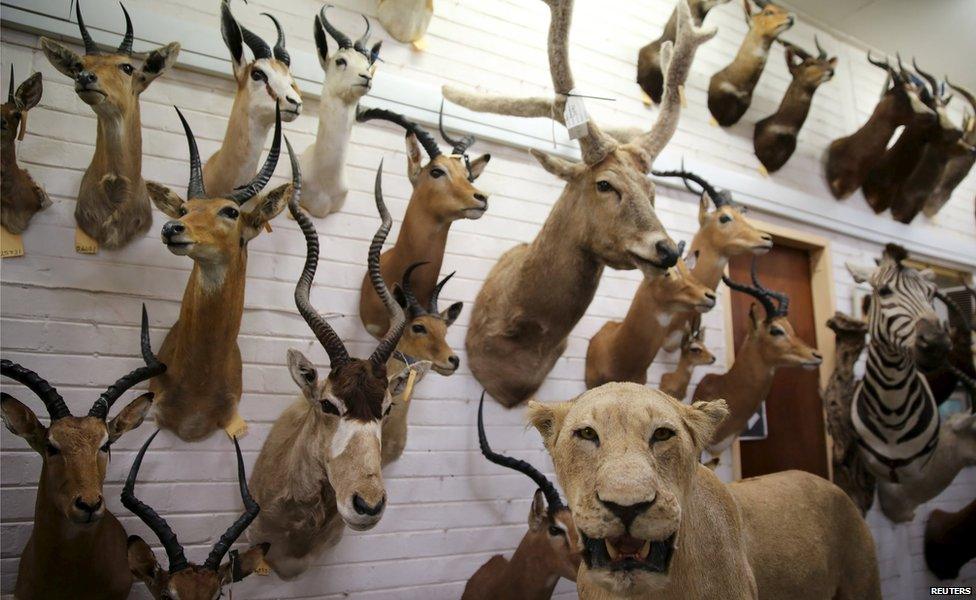
Trophy Hunting: Killing for Status, Not Survival
Trophy hunting isn’t conservation—it’s killing for status. Hunters pay up to $70,000 to shoot the largest, healthiest animals—those with the biggest tusks, horns, or manes—just to mount their heads on walls. These individuals are often the most genetically valuable, and removing them destabilizes entire populations.
But the cruelty doesn’t end with the kill. Many animals don’t die instantly:
– 11% of deer in the UK died only after being shot multiple times, some suffering over 15 minutes.
– Half of all animals shot with crossbows are wounded but not recovered, left to die slowly from infection or starvation.
– Hunters often avoid headshots to preserve the animal’s appearance, increasing the chance of non-fatal injury.
This is not hunting. It’s premeditated violence disguised as tradition.
Canned Hunting: Captive Animals, Guaranteed Death
Canned hunting is even more grotesque. Animals—often lions, antelopes, or bears—are bred in captivity and released into small enclosures where escape is impossible. These “hunts” are pre-arranged, with animals conditioned to human presence, making them easy targets.
Common in South Africa and parts of the U.S., canned hunting:
– Generates massive profits for ranch owners.
– Involves endangered species like the scimitar-horned oryx and Arabian oryx.
– Distorts conservation, turning wildlife into livestock for slaughter.
The animals never stood a chance. And yet, these practices remain legal in many regions, protected by powerful hunting lobbies.
End Lead Ammunition Poisoning
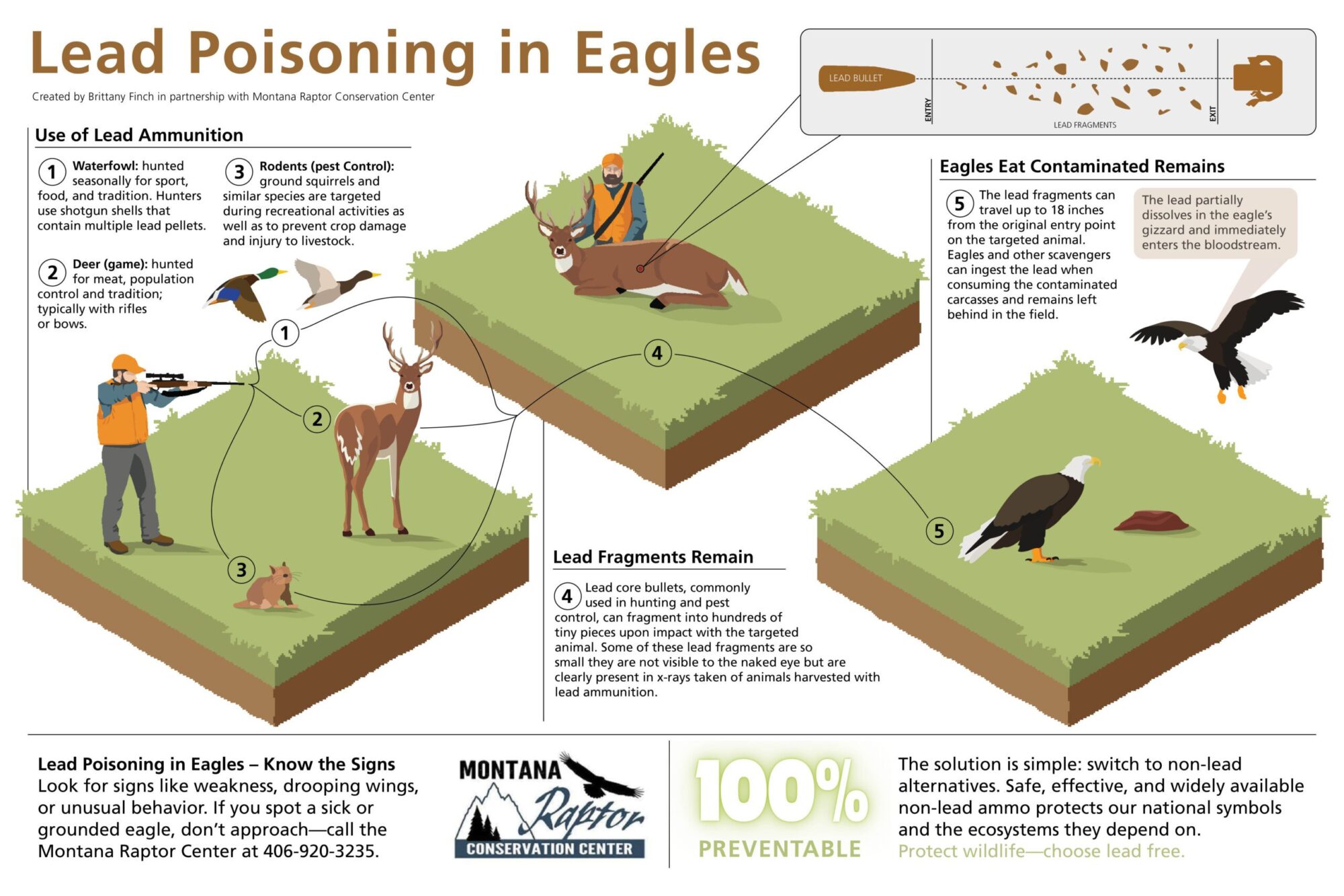
How Lead Bullets Poison Ecosystems
Lead bullets don’t just kill one animal—they poison many. When hunters leave behind gut piles or carcasses with bullet fragments, scavengers like bald eagles, vultures, and coyotes ingest the lead and die.
Each year:
– 10–20 million wild animals in the U.S. die from lead poisoning.
– Bald eagles, golden eagles, and endangered California condors are especially vulnerable.
– Humans who eat game meat may also consume toxic lead levels, risking neurological damage.
Despite this, lead ammunition remains widely used. Switching to copper or non-toxic alternatives would save countless lives and protect entire food chains.
Demand a Ban on Lead Bullets
Governments must phase out lead ammunition in all hunting zones. California has already banned lead bullets in condor habitats. Other states and countries should follow.
You can help by:
– Supporting legislation to ban lead ammo.
– Choosing non-lead bullets if you hunt.
– Advocating for mandatory non-toxic ammunition in all protected areas.
One bullet should not kill ten animals.
Debunk the Overpopulation Myth
Nature Regulates Itself—Humans Don’t Need to “Help”
Hunters often claim they “control overpopulation.” But ecosystems have evolved natural checks: predators, disease, and resource limits. When populations grow, they stabilize or decline naturally—without human bullets.
In fact, hunting often disrupts this balance:
– Removing strong, healthy animals weakens the gene pool.
– Killing predators like wolves leads to overgrazing and habitat loss.
– Human-driven culling is rarely science-based or precise.
Starvation and disease are part of nature—but humans don’t need to accelerate them for sport.
Use Humane, Science-Based Alternatives
Overpopulation issues—like deer in suburbs or wild boars in farmland—should be managed humanely:
– Fertility control for deer and other species.
– Habitat restoration to support natural migration.
– Wildlife corridors to reduce urban encroachment.
These methods are more ethical, sustainable, and effective than bullets.
Strengthen Wildlife Protection Laws
Close Loopholes in CITES
CITES (Convention on International Trade in Endangered Species) allows trophy hunting of endangered animals like elephants, lions, and rhinos—calling trophies “non-commercial” and “personal effects.” This loophole lets hunters legally kill species that poachers go to prison for targeting.
Reform is urgent:
– Ban all trophy imports for Appendix I species.
– Remove exemptions for recreational killing.
– Treat trophy hunting as commercial trade when fees are involved.
Push for National Trophy Hunting Bans
Countries must pass laws that reflect modern values:
– Kenya banned all hunting in 1977—but without community benefits, poaching rose and wildlife declined.
– Botswana banned then reinstated limited hunting due to human-wildlife conflict.
– The UK banned fox hunting with dogs in 2004, proving legal change is possible.
The lesson? Bans work best when paired with community incentives.
Replace Hunting with Eco-Tourism
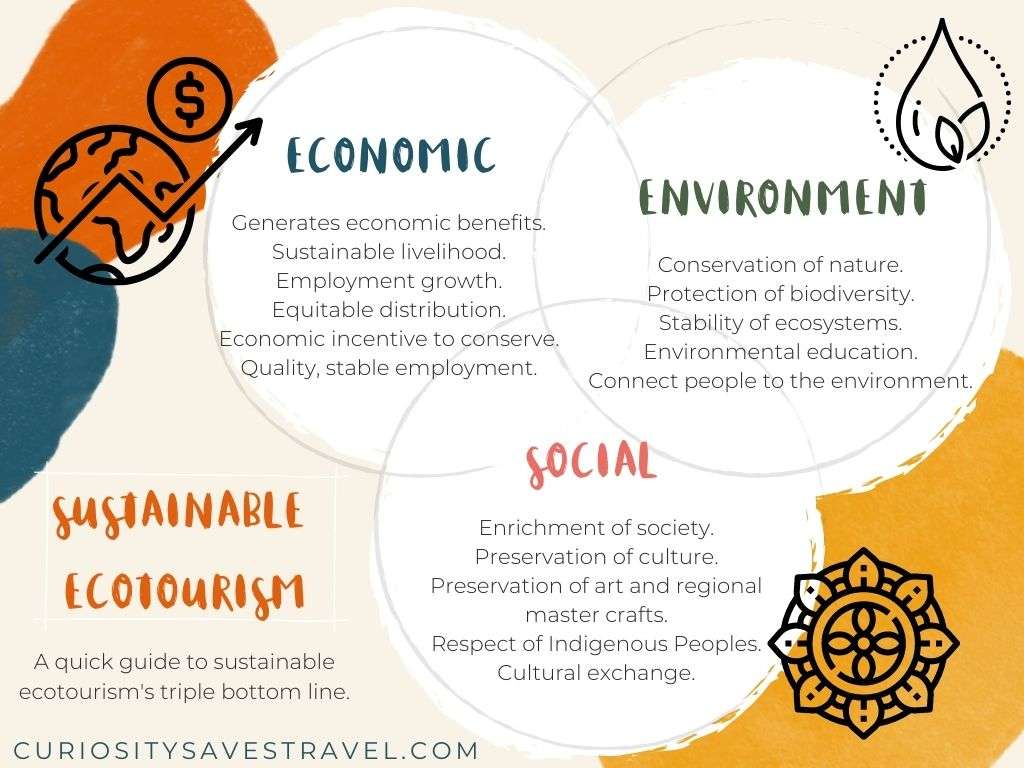
Eco-Tourism Pays More, Protects More
Wildlife is worth far more alive than dead. A single elephant can generate $1.6 million in tourism revenue over its lifetime—compared to $10,000 if killed for a trophy.
Eco-tourism:
– Generates 80% of wildlife-related tourism income.
– Creates 10–20 times more jobs than trophy hunting.
– Funds conservation, ranger salaries, and community development.
When people profit from watching animals, they protect them.
Train Locals as Conservation Workers
Instead of paying hunters, invest in:
– Wildlife guides and trackers.
– Park rangers and anti-poaching units.
– Researchers and educators.
Programs in Namibia and South Africa show that when communities earn from conservation, they become wildlife guardians, not poachers.
Cut Demand for Wildlife Products
Stop the Trade in Ivory, Horns, and Animal Parts
Trophy hunting and poaching are driven by demand. Rhino horn, elephant ivory, and tiger bones are sold as status symbols or fake medicine.
Solutions:
– Global bans on all trade in animal parts.
– Public education to debunk myths (e.g., rhino horn has no medicinal value).
– Promote synthetic alternatives (e.g., lab-grown rhino horn).
China’s 2017 ban on ivory trade reduced poaching by 80%—proof that policy works.
Boycott Products from Hunted Animals
Avoid:
– Fur, leather, or trophies from exotic or endangered species.
– Wine or tonics made from animal parts (e.g., “lion wine”).
– Hunting tourism packages.
Your wallet is a weapon. Use it wisely.
Mobilize Public Awareness
Educate Schools and Communities
Ignorance fuels cruelty. Teach children that:
– Animals are sentient beings who feel pain and form families.
– Ecosystems depend on every species.
– Conservation means protection, not killing.
Include animal ethics and biodiversity in school curricula.
Launch Media Campaigns
Exposure changes minds. The global outrage over Cecil the Lion’s killing in 2015 led to:
– Airlines banning trophy shipments.
– U.S. politicians proposing import bans.
– Millions signing petitions.
One story can spark a movement.
Support Anti-Hunting Organizations
Join the Frontlines of Change
Groups like PETA, Humane Society of the United States (HSUS), and League Against Cruel Sports are fighting on multiple fronts:
– Legal action to stop hunts.
– Sanctuaries to rescue animals.
– Lobbying for stronger laws.
The Campaign to Ban Trophy Hunting gathered 1 million signatures to stop trophy imports in the UK—showing public power.
Donate, Volunteer, or Protest
You don’t need money to help:
– Donate $5/month to support campaigns.
– Volunteer at wildlife sanctuaries.
– Protest canned hunts or sign petitions.
Every action counts.
Reform Wildlife Management Systems
End Hunter-Controlled Agencies
In the U.S., many wildlife agencies are funded by hunting licenses and gun taxes. This creates a conflict of interest: they serve hunters, not wildlife.
The result?
– Less than 4% of Americans hunt, yet they dominate policy.
– Non-hunters have little say in conservation decisions.
Demand equal representation on wildlife boards.
Fund Conservation Without Killing
Redirect funding to:
– Non-lethal population control.
– Habitat protection.
– Community-based conservation.
The Pittman-Robertson Act could be reformed to include eco-tourism and photography revenues.
What You Can Do Today
Take Immediate Action on Your Land
If you own property:
– Post “No Hunting” signs.
– Spread deer repellent or human hair (from barbershops)—it deters hunters.
– Report poachers: Call 1-800-628-7275 (NPCA hotline).
Contact Your Lawmakers
Demand:
– Bans on lead ammunition.
– Trophy import bans.
– Funding for eco-tourism and non-lethal management.
Use templates from organizations like HSUS or PETA.
Choose Ethical Tourism
Travel with companies that:
– Do not support hunting.
– Fund conservation.
– Employ local communities.
Avoid safaris that offer trophy hunts.
Share the Truth
Post on social media:
– Videos of rescued animals.
– Infographics on hunting’s impact.
– Success stories from eco-tourism.
One share can change a mind.
Stopping the hunting of animals is not about vilifying individuals—it’s about ending a system that prioritizes profit and pleasure over life. Trophy hunting, canned hunts, and poaching are relics of a past we must leave behind. By strengthening laws, shifting economies, and changing hearts, we can create a world where animals are valued alive, not as trophies on a wall. The time to act is now. Every voice, every choice, every protest brings us closer to a future where wildlife thrives—free from fear, free from bullets, and free from human cruelty.


0 Comments