You’re standing in a frost-covered field at first light, the air so still you can hear your own heartbeat. A single howl rips through the silence—close, curious, and on the move. Seconds later, a shadow darts between the trees. This is coyote hunting: a game of wits, timing, and instinct. If you’re wondering how to start coyote hunting, you’re stepping into one of the most dynamic and rewarding forms of predator calling. Unlike big game hunting, coyote hunting demands more than just a steady trigger finger—it requires strategy, adaptability, and deep knowledge of animal behavior.
Coyotes are everywhere—from open prairies to suburban backyards—and they’re smarter than most give them credit for. But with the right preparation, even a first-time hunter can call one in. This guide cuts through the noise to deliver a clear, actionable roadmap. You’ll learn how to read coyote sign, choose the right gear, use calls effectively, avoid common mistakes, and stay safe and legal in the field. Whether you’re a seasoned deer hunter looking to extend your season or a newcomer drawn to the challenge, this is your complete starting point.
Decode Coyote Behavior: What Makes Them Tick
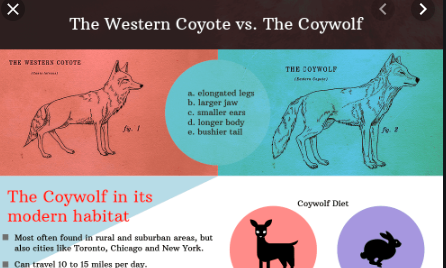
Coyotes aren’t just wild dogs—they’re survival specialists. Understanding their psychology is the foundation of successful hunting.
Eastern vs. Western Coyote Reactions
Coyotes west of the 100th meridian are generally more responsive to calls. Open terrain and fewer human pressures mean they often charge in aggressively. But east of the Mississippi, coyotes carry partial wolf DNA, making them more call-shy and cautious. They’re more likely to hang up at 150 yards or circle downwind silently to investigate.
Suburban coyotes are underhunted but hyper-alert. They associate loud noises with danger. Start soft—use a lip squeak before blasting a full-volume distress call. A gentle sound can trigger curiosity; a loud one can send them fleeing.
Know When They’re Active
Coyotes are active 24/7, but your best odds come during specific windows:
- Dawn and dusk (primary feeding times)
- 11 PM to 4 AM (especially in winter)
- Post-storm mornings (fresh snow forces movement and reveals tracks)
Use locator howls at night to find active zones. Stand on a ridge, blow a single coyote howl, and listen. If you get a response, mark the spot. You’ve just found tomorrow’s hunting setup.
Know Your Laws: Stay Legal and Ethical
Before you buy a single piece of gear, check your state’s regulations. Coyotes are typically non-game animals, but rules vary dramatically.
What to Check Before You Hunt
- Hunting seasons: Most states allow year-round hunting, but some restrict it during turkey season (e.g., Missouri).
- Night hunting: Permitted in many areas but banned in parts of New England.
- Electronic calls and decoys: Legal in most states, but restricted in certain zones.
- Thermal/night vision: Illegal in many states—confirm local laws.
- Baiting: Illegal in most states. Where allowed, strict rules apply (e.g., no meat left in the field).
Violating these rules can result in fines, gear confiscation, or loss of hunting privileges. Always verify with your state’s wildlife agency.
Hunt Ethically
- Get landowner permission: Always ask. Be respectful, clean up, and report kills.
- Aim for clean kills: A wounded coyote that escapes is unethical and damages public perception.
- Wear nitrile gloves: Coyotes can carry rabies, distemper, and tularemia.
“It’s your responsibility to know your laws. I don’t condone illegal or unethical hunting.” – Experienced Hunter
Scout Like a Pro: Find Where Coyotes Live
You can’t hunt what you can’t find. Scouting separates successful hunters from those who waste time in empty fields.
Use Aerial Maps to Plan
Start with Google Earth or HuntWise to identify:
- Fencerows and thickets (travel corridors)
- Natural funnels (draws, creek crossings)
- Water sources
- Livestock areas (calving pens, sheep pastures)
Look for terrain that holds prey—mice, rabbits, and deer fawns attract coyotes.
Ground Scouting Tactics
Once you’ve picked a zone, go on foot. Look for:
- Tracks (narrower than dog prints, direct register walk)
- Scat with hair, bones, or seeds
- Scrapes (urine-scented patches)
- Fresh kills (partially buried carcasses)
After fresh snow, tracks tell you everything—direction, speed, and frequency.
Talk to Locals
Farmers, ranchers, and neighbors often know more than any map. Ask:
- “Have you seen coyotes lately?”
- “When do they attack livestock?”
- “Any den sites on your property?”
You’ll gain intel and possibly access to private land.
Gear Up: Essential Equipment for Coyote Hunting

The right gear turns uncertainty into confidence. Don’t overbuy—focus on what works.
Best Firearms for Beginners
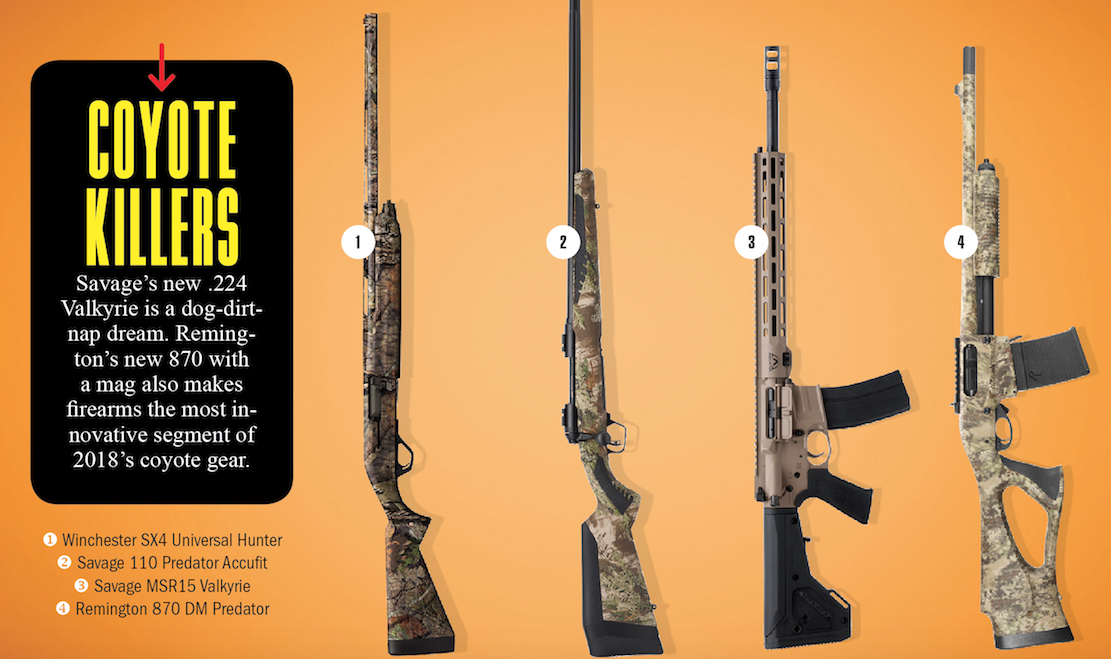
Choose a rifle with flat trajectory, accuracy, and fur-friendly ballistics.
| Caliber | Best For |
|---|---|
| .223 Remington | All-around choice; minimal pelt damage |
| .22-250 Remington | Long-range precision; fast and flat |
| 204 Ruger | Low recoil; great for new shooters |
| .243 Winchester | Power for 300+ yard shots |
| .17 HMR / .22 Mag | Only for headshots under 100 yards |
Avoid overkill like 6.5 Creedmoor unless hunting in extreme open country.
Ammunition That Works
Stick with soft points or hollow points for clean kills and pelt preservation.
- Winchester Varmint X: Polymer tip, rapid expansion, minimal exit hole
- Hornady V-Max: Popular but inconsistent—can fragment or over-penetrate
- Avoid FMJ or steel-core rounds—they don’t expand and ruin pelts
“I stick with soft points. I’ve seen ballistic tips fail more than once.” – Veteran Hunter
Master Calls and Decoys: Trigger Their Instincts
Calls trigger hunger, curiosity, or territorial defense. Decoys sell the illusion.
Start with Mouth Calls
- Cottontail distress: Inexpensive, effective, easy to learn
- Technique: Open and close your hand on the barrel to vary pitch
- Lip squeak: Silent at close range; use to coax hesitant coyotes
Upgrade to Electronic Callers
When ready, go with:
- FoxPro (Spitfire, Patriot): Works in -30°F, durable
- Primos Alpha Dog, Ecotech: Good sound library but can glitch in cold
Avoid overused sounds like common rabbit distress. Try snowshoe hare, red squirrel, or turkey kill to beat habituation.
Effective Decoy Types
- Mojo Critter: Spinning tail, realistic movement
- Primos Sit N Spin: Adjustable speed, rabbit look
- Feather on a stick: Cheap, works in windy open country
- Remote-controlled (Western Rivers Deceptor): Lifelike, but expensive
Avoid live animal decoys—they’re risky and often illegal.
Optics, Clothing, and Scent Control
What you wear and see matters as much as your gun.
Must-Have Optics
- Binoculars: 10×40 Bushnell or better—scan ridgelines and cover
- Rangefinder: Pre-range calling zones and landmarks
- Scope: Nikon Buckmaster 4.5–14×40 or Leupold VX-2 4-12x40mm
- Red dot sight: Great for shotgun hunters in timber
Dress for Success
- Camo pattern: Match your environment—snow, woodland, or farmland
- Naked North Snow Camo: Top pick for winter hunts
- Face mask: Essential—coyotes spot human faces instantly
- Use a mesh bowhunting mask or balaclava
Scent Control Is Non-Negotiable
- Wash clothes in scent-free detergent
- Spray gear with Scent Killer Gold
- Store hunting clothes in airtight bags
- Avoid colognes, smoke, or strong soaps
Master Wind and Setup Strategy
One mistake—bad wind—can ruin an entire hunt.
Always Hunt Into the Wind
Coyotes circle downwind to smell the source of sound. If your scent drifts into the calling zone, they’ll vanish.
- Use terrain (ridges, trees) to predict airflow
- Hold up a damp finger to test wind direction
- Avoid setting up where wind carries scent toward cover
Proper Calling Setup
- Park 500+ yards away, hidden from view
- Approach quietly—no slamming doors
- Stay low when crossing ridgelines
- Set up 30–40 yards downwind from your e-caller
- Sit below the skyline—never silhouetted
- Wait 5 minutes after settling before calling
“Don’t set up right next to your e-caller. Coyotes can pinpoint sound.” – Pro Hunter
Call Coyotes In: Proven Sequences
Calling is psychology. You’re triggering hunger, curiosity, or territorial instinct.
Calling Rules
- Start quiet—use lip squeak to draw in nearby coyotes
- Call intermittently: 1–2 minutes on, 2–3 minutes off
- Total stand time: 45–60 minutes
- If no response in 20 minutes, move
Seasonal Calling Strategies
- Winter: Use howls, yodels, and pup distress
- Spring: Lone howl → puppy distress → fight sounds
- Summer: Prey distress (rabbits, birds)
- Fall: Mix prey and social calls—expect doubles
“Once you see a coyote, stop loud calls. Use lip squeaks to hand-coax them in.” – Expert Tip
Avoid These 7 Common Mistakes
- Over-calling
- Ignoring wind
- Poor scouting
- Skylining
- Vehicle visibility
- Repeating same calls
- Rushing the setup
Stay Safe, Ethical, and Conservation-Minded
Coyote hunting helps manage predator pressure on deer, turkey, livestock, and pets. Winter pelts are valuable—Alberta primes sell for $140, average $60.
Safety First
- Always follow firearm safety rules
- Wear blaze orange if required
- Know your target and what’s beyond
Hunter Responsibility
- Get educated—many states require predator hunting courses
- Respect landowners and wildlife
- Report harvests when required
Final Note: Coyote hunting is a mental game. It rewards patience, preparation, and persistence. With the right approach, you’ll go from wondering how to start to consistently bringing in howlers. Now grab your gear, pick your spot, and answer the call. The hunt is on.


0 Comments