Training a hunting dog is more than teaching commands—it’s building a partnership rooted in trust, discipline, and instinct. Whether you’re raising a Labrador Retriever for duck season or a German Shorthaired Pointer for upland birds, the foundation for success begins in the first weeks of life. With the right approach—early socialization, consistent obedience, and progressive exposure to birds, water, and gunfire—any pup with natural drive can become a reliable, steady, and eager hunting companion. This guide breaks down every phase of training, from introducing a whistle at three weeks to mastering blind retrieves and real-world hunts, using time-tested techniques from professional trainers and seasoned hunters.
Start Training at 3 Weeks Old
Many owners assume training begins at eight weeks—but the most critical window opens at just three weeks old. During this early developmental stage, puppies begin to explore their environment, making it the perfect time to shape behavior, build confidence, and lay the groundwork for future learning.
Introduce Whistle and Feeding Cues
Begin linking sound with reward by blowing a soft whistle during feeding. The consistent pairing of the whistle and food builds a powerful positive association. This early conditioning creates a lifelong recall reflex, making formal whistle training seamless later. Use a pealess whistle to avoid moisture buildup, and keep the tone consistent.
Begin Soft Food and Socialization
Start weaning with soaked puppy food at three to four weeks. While feeding, gently handle the pup’s paws, ears, and mouth. These small interactions build tolerance for grooming, vet exams, and handling in the field. Daily handling also strengthens the pup’s trust in people, reducing fear-based reactions later.
Expert Insight: “No phase of a dog’s life is more important than the first six months. That crucial half-year sets the stage for all that is to come.” – Tracy Divelbiss, Lookaway Kennels
Master Basic Obedience by 8 Weeks
By the time your puppy comes home—typically around eight weeks—formal training should already be underway. Focus on short, playful sessions that teach core commands and build focus.
Teach Essential Commands Daily
Use food lures and immediate rewards to teach:
– Sit
– Stay
– Down
– Come/Here
– Heel
– Focus (eye contact)
– Kennel (crate entry)
Keep sessions under five minutes, three times a day. End on a positive note—even if the dog only gets one command right. This builds confidence and keeps training fun.
Build Focus with Eye Contact
Say “look” while holding a treat near your eye. Reward instantly when the puppy makes eye contact. Practice this before meals, walks, and play. A dog that checks in with you will stay focused in high-distraction environments.
Pro Tip: Avoid sunglasses or hats during training—dogs read facial cues to build trust.
Start Whistle Recall Early
Begin teaching the two-blast whistle for come at eight weeks. Use it during fun moments—like releasing from stay or starting a game—so the sound becomes associated with excitement and reward.
Socialize in Real-World Environments
A hunting dog must remain calm and focused in unpredictable settings. Begin controlled exposure to new people, surfaces, and sounds immediately.
Expose to 6 New People Daily
Introduce your pup to people of all ages, genders, and appearances. Let them offer treats to build positive associations. This prevents fear-based reactions later.
Walk on Different Surfaces
Let your puppy experience grass, gravel, pavement, mud, and shallow water. Each surface builds confidence and coordination. Start on dry land, then progress to wet or slippery terrain.
Avoid Dog Parks—Use Controlled Play
Dog parks pose risks of disease and aggression. Instead, arrange playdates with vaccinated, calm dogs in fenced yards.
Introduce Water by 12 Weeks
For retrievers, swimming is essential. Start early to build confidence and endurance.
Start Shallow and Stay Positive
Use a calm pond or kiddie pool with floating grass. Walk in with your pup, offer a favorite bumper, and praise every step into water. Never force entry.
Join Your Dog in the Water
Demonstrate safety by entering first. Let the pup swim beside you or follow you to shore. Keep sessions short—under five minutes—and end before exhaustion.
Warning: Even in water, dogs overheat. Watch for heavy panting and stop if needed.
Ignite Prey Drive Safely

A strong prey drive is natural—but must be guided. Introduce birds gradually to avoid fear and build excitement.
Start with Dead Birds
At 2–3 months, let your pup investigate cold, dead birds (pigeon, quail, chukar). Allow sniffing and mouthing. This builds scent recognition without overwhelming the puppy.
Use Live Birds with One Wing Clipped
Tie a live bird to a string or place it in a cage. The flapping motion triggers instinct without risk of escape or injury. Reward calm focus, not aggression.
Never start with a free-flying bird—this can frighten a young pup and create lasting fear.
Add Scent to Dummies
Wrap a dummy in a real bird wing or use commercial bird scent (duck, pheasant). Let the dog sniff, then toss or drag the dummy. Reward when the dog finds and retrieves it.
Build Retrieval Skills Step by Step
The key to a great retrieving dog isn’t picking up the bumper—it’s bringing it back.
Reward the Return, Not the Release
Never take the bumper away after a retrieve. Instead:
– Put your hands in your pockets.
– Praise the dog while it holds the bumper.
– Throw it again as a reward.
This teaches: Bring it back → more fun. Taking the toy away teaches keep-away.
Teach the “Hold” Command
Start with a soft dummy or feather bumper. Say “hold,” wait 1–2 seconds, then “drop it.” Gradually increase hold time. Transition to duck dummies or real birds once reliable.
Use a Check Cord for Control
Attach a 15–30 ft check cord during early retrieves. If the dog tries to run off with the bumper, gently reel it back and restart. This builds discipline without force.
Train Steadiness with Denial Drills
A steady dog waits for the command—no matter how exciting the flush. Teach this with structured denial.
Practice the “Set” Command
Throw a bumper between you and the dog. As it moves forward, block with your body or check cord. Say “set” firmly. If it breaks, reset from the same spot. Only reward after a successful stop.
Golden Rule: “If they break, put them back where they broke from.”
Use Two Denials, One Retrieve
For every two denials, allow one successful retrieve. This builds control while maintaining high drive. Keep the pace fast and fun—never boring.
Add a Place Board for Elevation
Once steady on flat ground, use a 2×3 ft platform (place board). Practice “set” and “sway” (side-to-side movement). Add a Mo’ Mars decoy to simulate bird movement and test focus.
Condition to Gunfire Gradually
Gun shyness ruins hunting dogs. Prevent it with slow, positive exposure.
Start with a Starter Pistol 100 Yards Away
Fire the shot as the dog begins a retrieve. The distraction of the task reduces fear. Gradually move the shooter closer—always behind the handler.
Muffle the Sound at First
Fire the starter pistol behind your back to reduce noise intensity. Over weeks, progress to full firearm and normal volume.
Alternative Method: Toss and Fire
Have the dog sit 15 ft away. Toss a dummy behind you and fire the starter pistol. If the dog flinches, increase distance and repeat. Never punish a reaction—just reset.
Develop Field Skills with Realistic Drills
Move from yard training to field readiness with structured exercises.
Teach Quartering with Bumpers
Place dummies in a zigzag pattern across a field. Guide the dog with arm signals or whistle blasts. Praise when it reaches each point. This builds pattern hunting and range control.
Practice Blind Retrieves
Have a helper hide behind cover and launch a bumper out of sight. Use hand signals or whistle to direct the dog to the fall. Start at 20 yards, then increase distance.
Optional Tool: E-collar for directional cues—only after mastering voice and hand signals.
Train Bird Marking with Sky Falls
Have a “bird boy” 100+ yards out. Blow a duck call and catapult a bumper into the air. The dog watches the arc and retrieves. Reinforces sky watching and memory.
Breed-Specific Training Paths
Tailor your approach to your dog’s natural instincts.
Retrievers: Focus on Soft Mouth and Steadiness
Start dummy training at 6–7 months. Emphasize gentle carries and reliable returns. Use dead birds early to build soft-mouth habits.
Pointers: Teach “Whoa” on a Whoa Board
Lift the pup onto a platform, say “whoa,” and reward for staying. Use a suitcase leash (long line) to guide movement. Builds controlled point and flush.
Flushing Spaniels: Sit Until Sent
Train to sit and stay until the hunter says “get it.” Prevents premature flushing. Use live birds in a cage to simulate real hunts.
Hounds: Trail at Night with GPS
Start trailing at 4 months with a scented toy on a fishing pole. Use a Garmin Alpha GPS & TT15 collar for tracking. Train at night to sharpen scent focus.
Houndsman Tip: “Each pup should be trained to perform individually—this creates independent, confident hunters.”
Equip for Success with the Right Gear
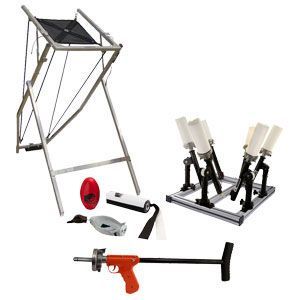
The right tools make training easier and more effective.
Essential Training Aids
- Check Cord: 15–30 ft line for control
- Dummy Launcher/Sling: Simulates real bird fall
- Flirt Pole: Reignites drive with prey-like movement
- Whistle: For recall and direction
- Place Board & Whoa Board: For steadiness drills
- Bird Scent & Wings: For realistic scent training
Choose the Right Hunting Vest
Introduce the vest early—let the pup wear it loose during play. Top options:
– Momarsh Versa-Vest: Durable, no chafing
– Browning Neoprene Vest: Affordable, trimmable
– Alps Outdoorz Top Flight: Flotation, dual handles
– Tanglefree Flight Series: Tough in marshes and prairies
– Field Armor Waterfowl Vest: Thorns and briar protection
Safety and Field Essentials
- YETI Boomer Bowl: Non-slip, durable
- Heyday Tagalong Station: 3-gallon water/food carrier
- Gunner Kennel: Secure vehicle transport
- First Aid Kit: Bandages, antiseptic, vet contacts
- Dog Boots: Protect paws on rocky terrain
- Reflective Collar: Engraved with “Reward” and phone number (never dog’s name)
Protect Health with Smart Nutrition
A hunting dog is an athlete—feed and care like one.
Feed High-Protein, Animal-Based Diets
Choose food with 90% animal-based protein. Use NutriSource Freeze-Dried Treats (beef, duck, venison) and rehydrate with bone broth or goat milk for extra nutrition.
Rebuild Weight After Season
Hard-working dogs lose condition. Regain with:
– One egg or cup of goat milk daily
– Duck eggs for higher fat and omega-3s
– Hydrated meals to encourage drinking
Prevent Common Dangers
- Foxtail Seeds: Check paws, ears, and coat daily. Trim foot hair. Seek vet if embedded.
- Bloat (GDV): Never feed before a hunt. Feed after. Ensure water access in cold weather.
- Dehydration in Heat: Pour water into lip pocket if refusing. Cool feet, armpits, belly—avoid back.
Validate Training with Real Hunts
Testing builds confidence and exposes gaps.
Enter Hunt Tests and Field Trials
Join AKC Retriever Field Trials or breed-specific events. These validate training, maintain off-season sharpness, and connect you with other hunters.
Prepare for the First Hunt
- Use a dog platform in the blind for comfort and stability.
- Bring brush to remove seeds and burrs.
- Do not feed before hunting—bloat risk is real.
- Force hydration in heat; cool dog properly after.
Final Tip: Introduce the vest during training—never on the first hunt.
Commit for the Long Term
Training doesn’t end. Every walk, ride, and hunt is a teaching moment.
Train Daily—Even Off-Season
Spend 15+ minutes daily on obedience, retrieves, or conditioning. Inconsistent training leads to regression.
Build the Bond Beyond the Field
Take your dog on hikes, beach trips, and town walks. A confident, well-adjusted dog performs better under pressure.
Accept the Full Commitment
- Time: Daily training and frequent hunting
- Space: Varied terrain, not just backyard
- Money: Budget for food, vet care, emergencies (e.g., $5,000 for bloat surgery)
- Lifestyle: High-drive breeds need activity—unsuitable for urban, long-hour jobs
Final Truth: “This is a 10–14 year commitment.”
A steady dog isn’t born—it’s trained. And the best training starts simple: just you, your dog, a bumper, and a check cord.

0 Comments