A pale face glimmers like a beacon in the woods—especially at dawn or dusk when deer, turkeys, and waterfowl are most alert. Even the quietest hunter can be spotted instantly if their face stands out against the natural backdrop. That’s where hunting face paint ideas come in. More than just a cosmetic trend, face paint is a tactical tool designed to break up your facial outline, eliminate shine, and blend you into the environment. Whether you’re stalking whitetail in dense timber or calling coyotes across open fields, the right camouflage strategy can mean the difference between a successful harvest and a long walk back empty-handed.
This guide delivers actionable, field-tested hunting face paint ideas that go beyond aesthetics. You’ll learn military-grade application techniques, discover top-rated and budget-friendly products, explore DIY alternatives like cork charcoal, and avoid common mistakes that compromise concealment. From high-contrast turkey hunting patterns to subtle deer-hunting smears, we cover what works—and what doesn’t—based on real hunter experiences and proven biology.
Break Up Your Facial Outline
The human face is instantly recognizable to wildlife due to its symmetry, smooth texture, and light skin tone. Animals don’t just see color—they detect shape and movement first. Face paint disrupts this visual signature.
Why Your Face Stands Out
- Symmetry: Most animals aren’t symmetrical; your balanced features scream “human.”
- Shine: Bare skin reflects sunlight, especially on the nose, forehead, and chin.
- Contrast: Pale skin against dark clothing or foliage creates a glaring mismatch.
Even if you wear full camo gear, an unpainted face can give you away at 50+ yards. The goal isn’t perfection—it’s disruption.
Eliminate Skin Shine
Glossy skin acts like a mirror under dappled sunlight or early-morning glare. Choose matte-finish paints with no oil, grease, or alcohol. Water-based formulas like Hardy Facepaint or clay-based Carbomask® provide full coverage without reflectivity.
Pro Tip: Test your finish by angling your face toward the sun. If any part glints, reapply with a drier formula.
Apply High and Low Point Camo
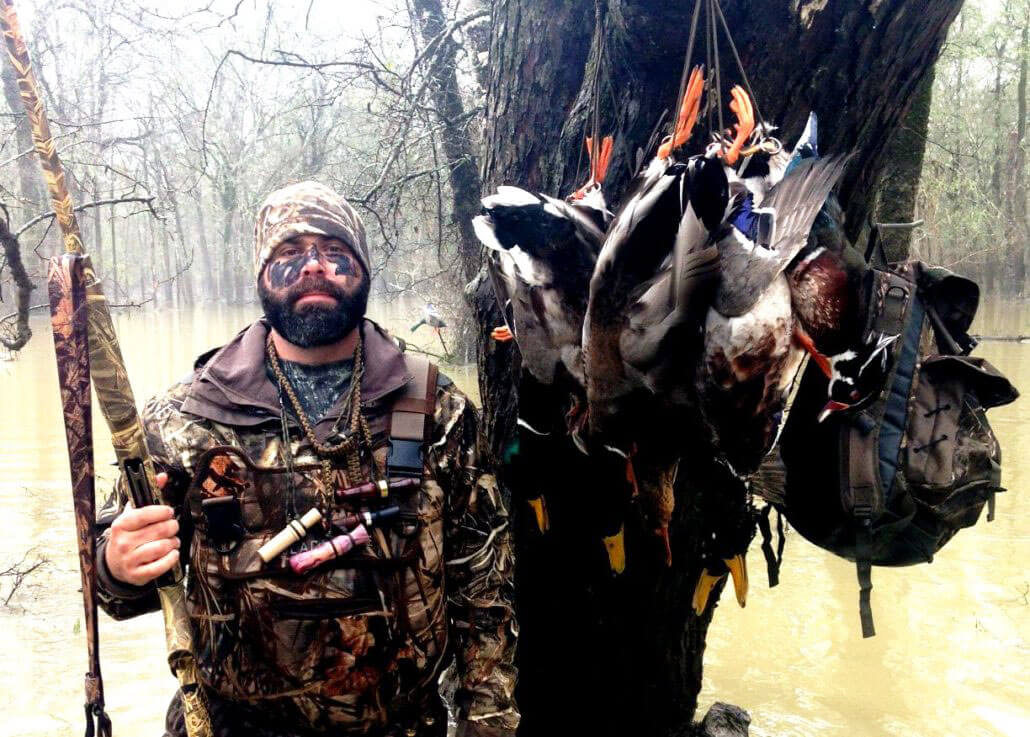
This military-inspired technique flattens your 3D face into a 2D shadow, making it harder for animals to recognize human form.
Dark on High Points
Paint these areas with black, dark brown, or forest green:
– Forehead
– Bridge of the nose
– Cheekbones
– Chin
These protrusions catch the most light—darkening them reduces depth perception.
Light in Low Points
Use tan, gray, or olive in recessed areas:
– Under the eyes
– Hollows of the cheeks
– Beneath the nose
– Under the lower lip
This reverses natural shading, helping your face disappear into the background.
Blend Seamlessly
Avoid sharp lines. Use fingers, a sponge, or included applicator wand to feather edges. Extend paint to ears, neck, and hairline—commonly missed spots.
Field Insight: “I can’t hear as well through a mask… my kisser button snagged it.” — Face paint beats masks for mobility and function.
Choose Patterns by Environment
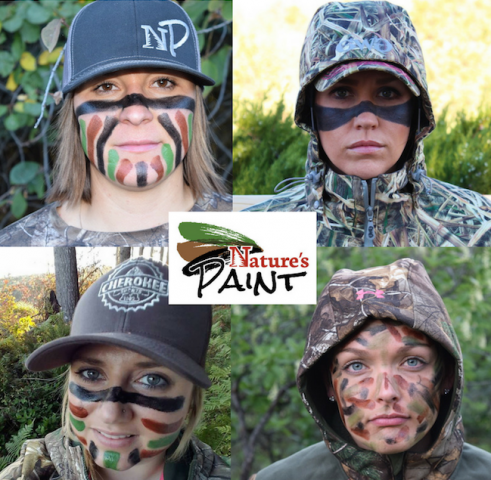
Match your pattern to the terrain. One design doesn’t fit all.
Wooded Forest: Irregular Blotches
Use blocky, uneven shapes in green, brown, and black. Mimic leaf litter and tree shadows.
How to apply:
1. Dab paint with a sponge for organic texture.
2. Make left and right sides asymmetrical.
3. Add a streak of black across one cheekbone to break symmetry.
Rule: Never mirror both sides. Animals aren’t symmetrical—neither should you be.
Prairie or Open Field: Vertical Stripes
Tall grasses move vertically—so should your camo.
Technique:
– Use tan, gray, and dark green in narrow vertical lines.
– Space stripes unevenly; vary width and color.
– Add a broken line to simulate wind-blown reeds.
Ideal for predator hunting and waterfowl decoying.
Aspen Groves: Light Stripes with Dark Streaks
Replicate bark with:
– White or light tan base
– Thin dark brown or black vertical streaks
– Occasional horizontal breaks for realism
Use a thin brush or stick edge for precision.
Shadowed Areas: Solid Black
For turkey hunting at first light or nighttime hog calling, full black paint helps you vanish into dark timber.
Expert Note: Turkeys have extreme eyesight—black eliminates contrast and shine better than any other color.
Use Proven Face Paint Products
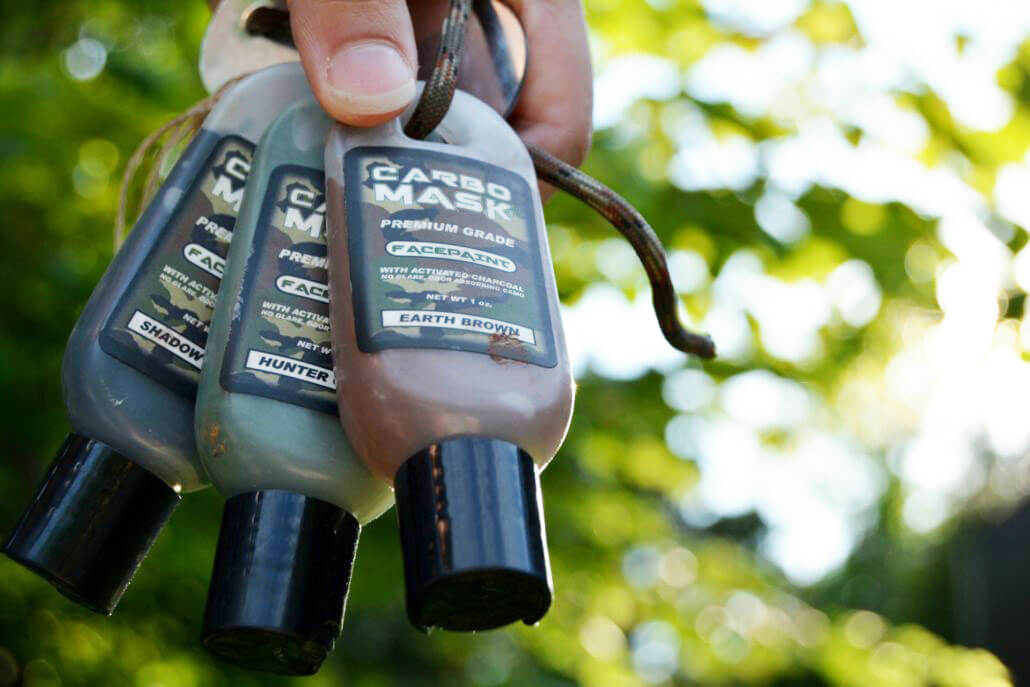
Not all paints work in the wild. Here are the best options based on performance, removal, and stealth.
Hardy Facepaint: Best Overall
- Water-based, zero grease
- Sweat- and water-resistant
- Scent-free, no parabens, gluten, or synthetic dyes
- Removes with soap and water
- $11.99 per stick (3-pack: $31.99)
Why it wins: Safe for sensitive skin, matte finish, easy cleanup, and reliable in rain or sweat.
“Hardy Facepaint was created by hunters, for hunters—lightweight, fast-drying, and effective.”
Carbomask®: Best for Tough Conditions
- Clay and activated charcoal base
- No oil or grease = zero glare
- Scent-free, mimics mud without odor
- Available in Woodland, Prairie, All Terrain
Ideal for humid environments or long sits where shine builds.
Camo FX: Limited Use
- Oil-based, hard to wash off
- Tends to “muddy” skin tone
- Better for short turkey hunts than all-day deer stands
Verdict: Functional but overpriced at $7 per stick.
H.S. Camo-Compac: Traditional but Outdated
- Grease-based stick
- Stains skin and towels
- Difficult to remove
- Used by older generations
Still found in some kits, but largely replaced by modern alternatives.
Try DIY and Budget-Friendly Options
You don’t need expensive gear to stay hidden.
Natural Cork Charcoal: Best DIY
How to make it:
1. Light the end of a wine cork.
2. Blow it out after charring.
3. Smear the ash on your face.
Benefits:
– Reusable (re-char when worn)
– High contrast
– No transfer to gear
– Cleans with soap and water
“The cork method is my primary choice—simple, effective, no mess.”
Athletic Eye Black: Quick Fix
- Grease-based, sold at sporting goods stores
- Apply under eyes and on nose
- Reduces glare and breaks up face shape
- Not full coverage, but better than nothing
Perfect for early-season bowhunters in high-sun conditions.
Halloween Makeup: Best Budget Buy
- Buy post-Halloween clearance (~$1/tube)
- Cream-based black, green, brown
- Washes off easily
- Smears with sweat—best for short hunts
Tip: Stock up in November for next season’s hunts.
Consider Face Decals and Alternatives
If paint feels too messy, try these concealment upgrades.
Ducky Decoy Face Decals
- Peel-and-stick camo decals
- Match your gear pattern
- Smudge-free, no blending needed
- Easy to remove
Great for hunters who want pattern consistency without the hassle.
Hoo Rag Balaclava
- Stretchy, breathable fabric
- Covers head, neck, and face
- Pulls up/down quickly
- Available in multiple camo patterns
Better hearing and comfort than full masks—ideal for cold-weather hunts.
Avoid Common Face Paint Mistakes
Even experienced hunters make these errors.
Symmetrical Designs
Mistake: Matching both sides of the face.
Fix: Make one side darker, larger, or differently shaped.
Exposed Skin
Mistake: Forgetting ears, neck, and hands.
Fix: Extend paint to all exposed skin. Use gloves or hand paint.
Shiny or Greasy Formulas
Mistake: Using products that reflect light.
Fix: Stick to water-based or clay formulas.
Overcomplicating the Design
Mistake: Painting detailed artwork.
Fix: Simple smears or high/low point method often work best.
Reality Check: “Movement matters more than color or pattern.” Stay still.
Try Creative Hunting Face Paint Ideas
While function comes first, some designs blend art and stealth.
Phoenix Rising from Ashes
- Full-face design with wings spanning the jawline
- Breaks symmetry effectively
- Best for TV hunters or themed hunts
“So long as the wings span your mandible, it should hide you from a tom turkey.”
Tiger Stripe
- Diagonal black and orange lines
- Mimics movement in tall grass
- Works in mixed terrain
Rhodesian Brushstroke Camo
- Military zigzag pattern in green, brown, black
- Disrupts facial contours
- Popular in tactical hunting circles
Animal-Inspired Patterns
Great for kids or novelty:
– Deer skull outlines
– Duck silhouettes
– Cheetah spots
Use sponge stamps for clean application.
Match Paint to Your Target Game
Different animals require different strategies.
Turkey Hunting: Max Concealment
- Use solid black or high-contrast patterns
- Hunt in shadows where black blends
- Wear gloves—hands move during calling
“Turkeys spot a shiny nose before they hear a call.”
Deer Hunting: Disruption Over Detail
- High/low point method works best
- Focus on stillness—movement defeats paint
- Use in open fields or at close range
Waterfowl Hunting: Eliminate Silhouettes
- Paint face, hands, and decoy gloves
- Use dark, non-reflective paint
- Stay low during setup
Hog and Predator Hunting: Low-Light Advantage
- Use darker tones for dawn/dusk
- Vertical stripes help in grassy fields
- Combine with natural debris (leaves, mud)
Maintain and Remove Paint Properly
Touch Up in the Field
- Carry a small mirror
- Reapply after sweating or wiping your face
- Store excess paint under fingernails for mid-hunt fixes
“You ought to have enough under your nails to touch up twice during the morning.”
Removal by Type
| Product Type | Removal Method |
|---|---|
| Water-based (Hardy) | Soap and water or moist towel |
| Grease-based (Camo FX) | Wipes + soap; may stain towels |
| Charcoal (Cork) | Wipe with paper towel, then wash |
| Cream (Halloween) | Washes off easily but smears during use |
Skin Care and Sensitivity
Hardy Facepaint is safe for sensitive skin—free of:
– Parabens
– Formaldehyde
– Phthalates
– Alcohol
– Synthetic dyes
Avoid products with fragrance or oil if prone to irritation.
Final Tips from Seasoned Hunters
- “Smear that shit all over your face” – Marine Corps method: coverage over art.
- Use eyeliner pencil for fine lines, then fill with earth tones.
- Paint fingernails to reapply during the hunt.
- Don’t overthink it: Even a smear helps.
“You don’t need paint—your great-grandpa hunted in red flannel. But if you’re serious, face paint beats a mask every time.”
Best Hunting Face Paint Choices at a Glance
| Category | Top Pick |
|---|---|
| Best Overall | Hardy Facepaint |
| Best for Wet Conditions | Carbomask® |
| Best Budget | Post-Halloween makeup ($1) |
| Best DIY | Cork charcoal |
| Best Partial Cover | Athletic eye black |
| Best for Kids | Sponge-applied animal shapes |
| Best No-Mess Alternative | Ducky Decoy decals or Hoo Rag |
Bottom Line: Hunting face paint isn’t about looking tough—it’s about staying unseen. Whether you use a $7 stick of Camo FX or char your own cork, the goal is simple: break your outline, kill the shine, and stay still. With the right technique and product, you’ll vanish into the wild—and come back with success.

0 Comments