Few hunting experiences match the thrill of a ruffed grouse exploding from the forest floor just steps ahead, wings pounding the air like a drumroll. This wild bird—never stocked, always unpredictable—demands more than just a shotgun and boots. Success in grouse hunting comes from reading the woods, understanding seasonal rhythms, and moving with purpose. Whether you’re chasing ruffed grouse in Maine’s young aspen stands or dusky grouse on steep mountain slopes in the Rockies, the same principles apply: know where the birds feed, how they escape, and when they’re most active.
With populations declining in parts of the Northeast due to habitat loss, every hunt becomes more valuable. But even in lower-density areas, skilled hunters using smart tactics still find flushes. This guide delivers actionable grouse hunting tips backed by biology, field observation, and expert strategies—from decoding drumming logs to using free digital tools and timing your hunts for peak activity. You’ll learn how to hunt effectively without a dog, choose the right gear, and support the conservation that keeps this iconic pursuit alive.
Read Drumming Logs to Locate Ruffed Grouse
Listen for the Spring-to-Fall Drum
The deep, accelerating thump of a male ruffed grouse on his log is one of the most distinctive sounds in the woods. This drumming display—a courtship and territorial behavior—starts with a slow beat and builds into a rapid crescendo, mimicking a distant motor starting up. Though most intense in April and May, drumming can occur year-round, especially at dawn and dusk in early fall.
If you hear drumming during hunting season, you’ve found a bird that’s claimed that territory. Focus your efforts on south-facing slopes and small forest openings where sound carries and males traditionally display. These logs are not random—they’re chosen for visibility and acoustics.
Scout for Physical Signs of Active Sites
Don’t just listen—look. Visit suspected drumming areas in late summer to confirm use. Key signs include:
– A smooth, polished surface on a log or stump, worn down by repeated wingbeats.
– Feathers or droppings at the base.
– Nearby dense cover within 20 yards—birds need quick escape routes.
Even if you don’t hear drumming during the hunt, returning to a confirmed site increases your odds. These territories often remain occupied for years, especially in stable habitat.
Hunt Dusky Grouse Using Elevation Tactics
Approach from Below to Improve Shot Angles
Dusky and sooty grouse live in rugged, mountainous terrain and rely on steep slopes to escape predators. When startled, they typically flush downhill, diving fast through trees and out of range in seconds. To get a better shot, hunt from below the bird’s location.
By approaching from the lower elevation, you force the bird to flush upward first, slowing its initial flight before it turns downhill. This creates a longer, flatter shot and gives you time to mount and swing. If hunting with a partner, position one person uphill to push birds toward a shooter stationed between the bird and the cliff or ravine.
Follow the Contour Line for Repeated Action
Once you locate a dusky grouse, don’t charge straight up or down the hill. Instead, follow the same elevation line around the ridge. These birds often move along contour corridors, using consistent feeding and roosting paths.
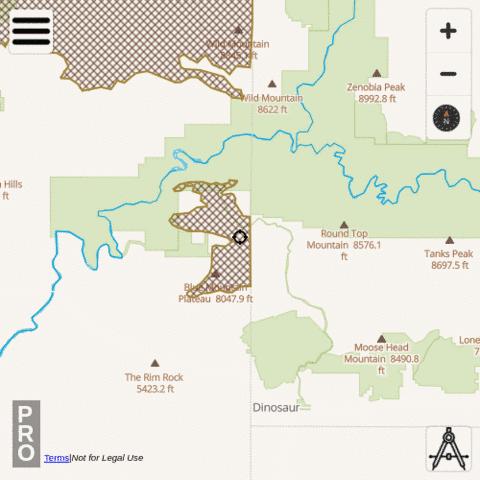
Use a GPS or topo map app like OnX to maintain your elevation. Look for:
– Aspen draws with berry-producing shrubs.
– Transition zones between conifers and open slopes.
– Fresh tracks in soft soil or early snow—icy tracks mean old activity.
Staying on the same contour increases your chances of encountering multiple birds in a single outing.
Target High-Yield Habitat Features

Focus on Edge Zones and Young Forests
Grouse are edge specialists, thriving where food and cover intersect. The most productive hunting happens in young, regenerating forests 5–15 years after logging, fire, or windfall. These stands offer dense shrub layers, saplings, and plenty of insects and buds.
Prioritize:
– Clear-cut boundaries and logging roads with clover in ditches.
– Creek bottoms, powerline cuts, and ridgelines.
– Conifer-deciduous transitions that offer both food and thermal shelter.
Avoid mature forests with no understory or isolated clear-cuts surrounded by miles of old growth. Grouse need a mosaic of regenerating patches close together.
Hunt Dense Cover That Holds Birds
Look for areas with thick, low-growing shrubs that provide protection and foraging:
– Blackberry brambles
– Autumn olive
– Witch hazel
– Scrub oak
– Grapevines
– Hawthorn
These plants offer food, concealment, and low perches. Also scan for downed logs and debris piles—they serve as drumming sites, shelter, and insect foraging grounds.
Follow the Food: Seasonal Foraging Patterns
Early Season: Chase Clover and Berries
From September to early October, grouse feed heavily on green vegetation like clover, raspberry leaves, and wild strawberries, as well as insects and soft mast like currants and wild grapes.
Hunt logging road ditches with lush clover growth—prime early-season ambush spots. Also check trickling streams; birds drink frequently in warm weather.
Pro Tip: Stop every 50 yards to listen. The sound of a bird pecking or scurrying in dry leaves can be your only warning.
Mid-Season: Hit Old Orchards and Nut Trees
After the first frost, green plants die off. Grouse shift to acorns, beech nuts, hickory nuts, and apples from abandoned orchards or old homesteads.
Use Google Earth to:
– Find old farmsteads on public land.
– Identify hedgerows or fencerows with fruit trees.
– Check historical imagery to verify tree presence.
Visit these spots in late afternoon—birds often feed heavily before roosting.
Late Season: Hunt Tree Buds and Conifer Needles
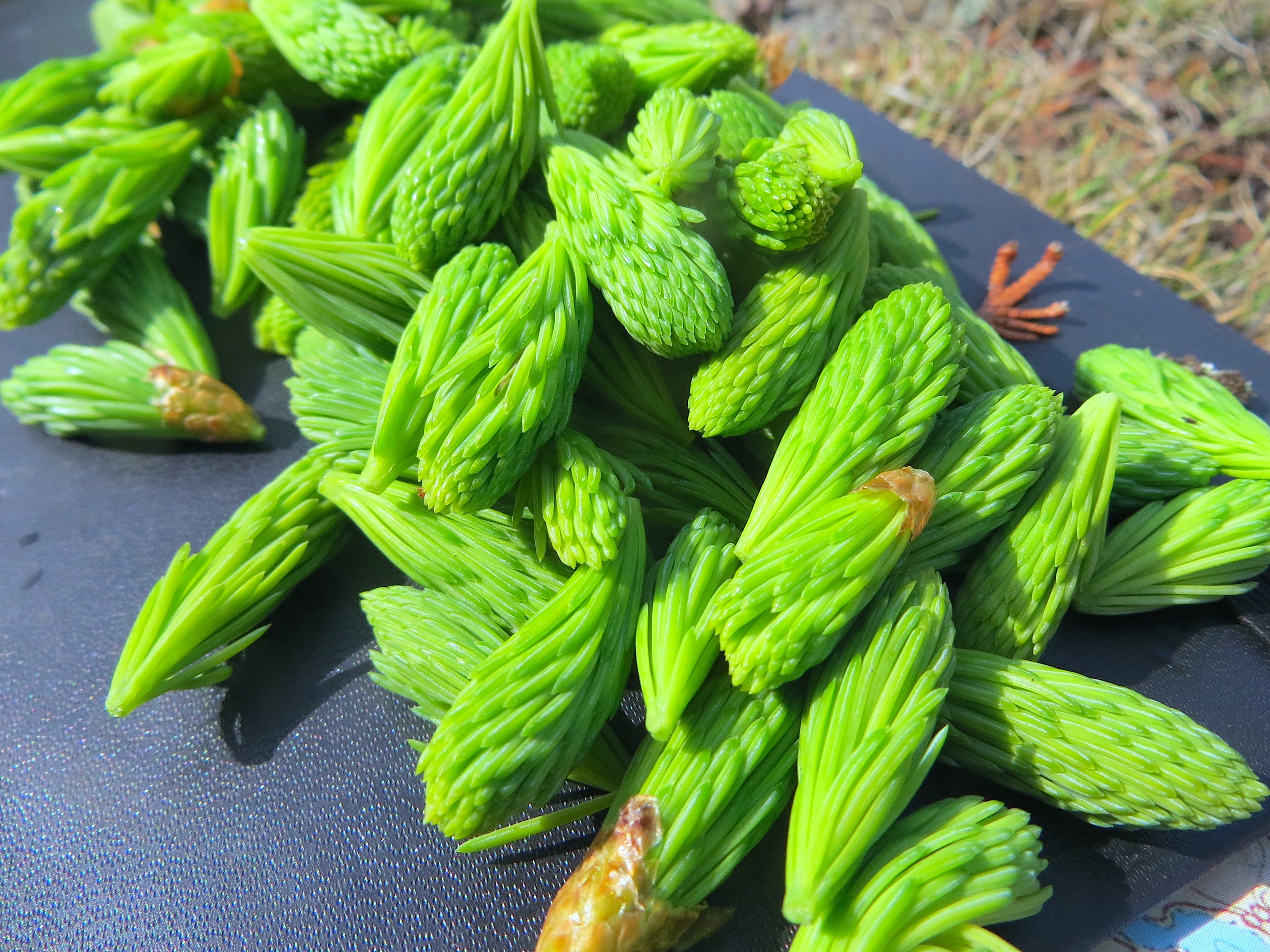
By November, grouse rely on aspen, black cherry, and apple tree buds, rose hips, and conifer needles.
Focus on:
– Hardwood-conifer mixes where buds are accessible.
– South-facing slopes warmed by sun.
– Dense pines or spruce for nighttime roosting.
Field-dress any harvested bird to check its crop. If it’s full of dried catkins or needle fragments, you’re in the right zone.
Scout Like a Pro: Use Free Digital Tools
Map Habitat with Google Earth
Start scouting from home. Use Google Earth to:
– Identify recent clear-cuts using historical imagery.
– Locate powerline cuts, stream corridors, and old roads.
– Overlay OnX or SGL boundaries to focus on public access.
Search for areas with multiple cuts of varying ages close together—this creates a habitat mosaic grouse love.
Tap Into RGS Habitat Projects
The Ruffed Grouse Society (RGS) funds habitat improvement projects nationwide. Their MAP and Drummer Fund areas are actively managed for young forest growth.
Download Google Earth files from RGS.org to see exact project locations. These zones often outproduce surrounding areas—even if state flush rate maps suggest otherwise.
Hunt Without a Dog: Walk Smart, Not Fast
Move Slow, Pause Often
Grouse freeze until you’re nearly on top of them. Walk at half your normal pace, scanning ahead and to the sides.
Every 30–50 yards, stop for 20–30 seconds. Listen for:
– A sudden peep or rustle in dry leaves.
– Wingbeats as a bird flushes just ahead.
Many hunters miss birds because they never pause long enough to let the forest settle.
Use Target-to-Target Movement
Move from cover feature to cover feature:
1. Approach a log.
2. Pause.
3. Move to a bramble patch.
4. Pause.
5. Advance to a stump.
This mimics predator movement and increases your chances of flushing a “holding tight” bird.
Time Your Hunts for Peak Activity
Focus on Early Morning and Late Afternoon
Grouse are most active:
– Just after sunrise.
– 1–2 hours before dark.
During midday, especially on warm days, birds retreat to shaded, cool areas.
On cold mornings (30s°F), birds may not feed until mid-morning. Adjust your start time.
Hunt After Storms
Clearing weather after rain or snow triggers feeding. Head out when:
– The sky begins to clear.
– Winds die down.
– Temperatures rise slightly.
These windows often produce multiple flushes.
Gear Up for Grouse: Shotgun and Clothing Tips
Choose the Right Shotgun
Best options:
– 20 or 28 gauge—lightweight, low recoil.
– 26–28 inch barrel—maneuverable.
– Modified or full choke—tighter pattern.
– #7½ or #8 shot—ideal for close shots.
Many veterans prefer the 28 gauge—light enough for all-day hikes.
Dress for Silence and Safety
- Quiet, earth-toned clothing.
- Blaze orange cap and vest.
- Sturdy hiking boots.
- Minimize scent near bedding areas.
Know Where to Go: Regional Success Zones
Avoid Declining Areas
Populations have dropped in:
– Pennsylvania (south of I-80)
– Northern New Jersey
– Southern New York
But localized pockets in SGLs or state forests can still produce.
Target Strongholds
Best odds in:
– Maine
– Minnesota
– Michigan
– Wisconsin
– Upstate New York
Use RGS habitat maps to find managed projects.
Practice Ethical and Sustainable Hunting
Harvest selectively. Support RGS or AWS. Advocate for young forest management.
Final Note: Grouse hunting isn’t about bag limits. It’s about patience, silence, and the sudden rush of wings. With these grouse hunting tips, you’re not just chasing birds—you’re mastering the forest. Stay alert, stay quiet, and let the woods teach you.


0 Comments