Elk hunting isn’t just another outdoor adventure—it’s a backcountry endurance test that demands physical grit, mental patience, and sharp fieldcraft. For beginners, especially those used to flatland deer hunting, the leap to elk country is steep. With public land success rates hovering around 15%, the odds are slim unless you prepare the right way. The truth? Most first-time hunters fail not because of bad aim, but because of preventable mistakes: poor fitness, ignoring wind, staying too close to roads, or overcalling.
This guide delivers 10 battle-tested elk hunting tips for beginners, drawn from veteran hunters, guides, and real-world data. You’ll learn how to train like a mountain athlete, gear up smartly, call effectively, read terrain, and avoid the pitfalls that derail new hunters. Whether you’re heading to Colorado, Idaho, or Wyoming, these strategies will help you go deeper, stay smarter, and dramatically increase your chances of a successful, ethical harvest.
Train Like a Mountain Hunter
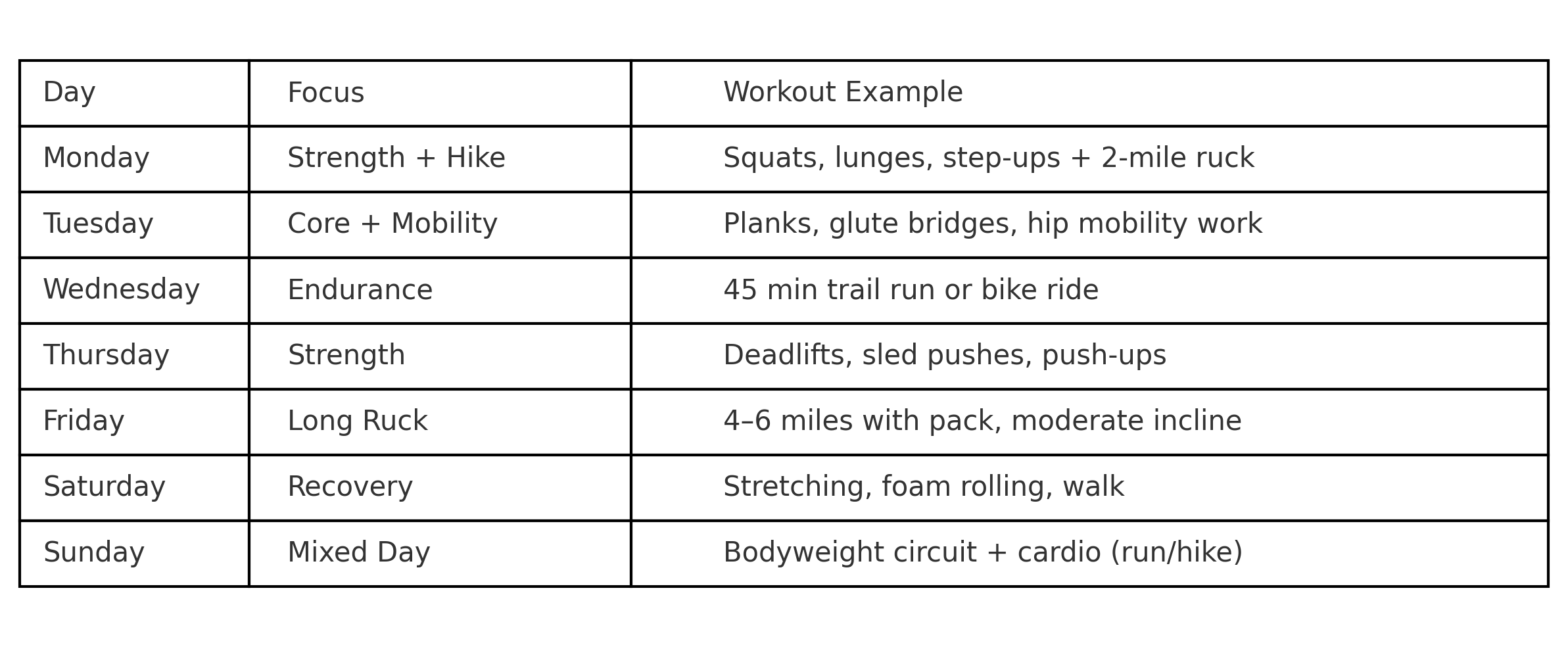
Elk live where most people won’t go—high, rugged, and remote. If you can’t hike 4 miles with a 50-pound pack at 9,000 feet, you won’t find them. Elk hunting is less about shooting and more about stamina and strength.
Build High-Altitude Endurance
Start training at least four months before the season. Focus on long, sustained cardio:
– Run or hike 3–4 miles, 4–5 days per week
– Gradually add elevation and pack weight
– Train with 40–60 lbs to simulate real hunting loads
Altitude is a silent threat. Up to 42% of lowland hunters suffer from Acute Mountain Sickness (AMS) in Colorado, with symptoms like headaches, fatigue, and poor sleep. To prevent it:
– Spend 2–3 nights camping at 7,000–9,000 feet before the hunt
– Drink one gallon of water daily above 10,000 feet
– Avoid alcohol and overexertion during acclimation
Pro Tip: If you can finish a sprint triathlon, you’re likely fit enough for elk country.
Strengthen Key Muscle Groups
You’ll carry yourself—and potentially hundreds of pounds of meat—over rocky slopes. Focus on functional strength:
– Legs: Squats, lunges, stair climbs
– Core: Planks, dead bugs, Russian twists
– Back: Pull-ups, rows, farmer’s carries
Skip the mirror workouts. Build stability and balance that translates to real terrain.
Gear Up for the Backcountry
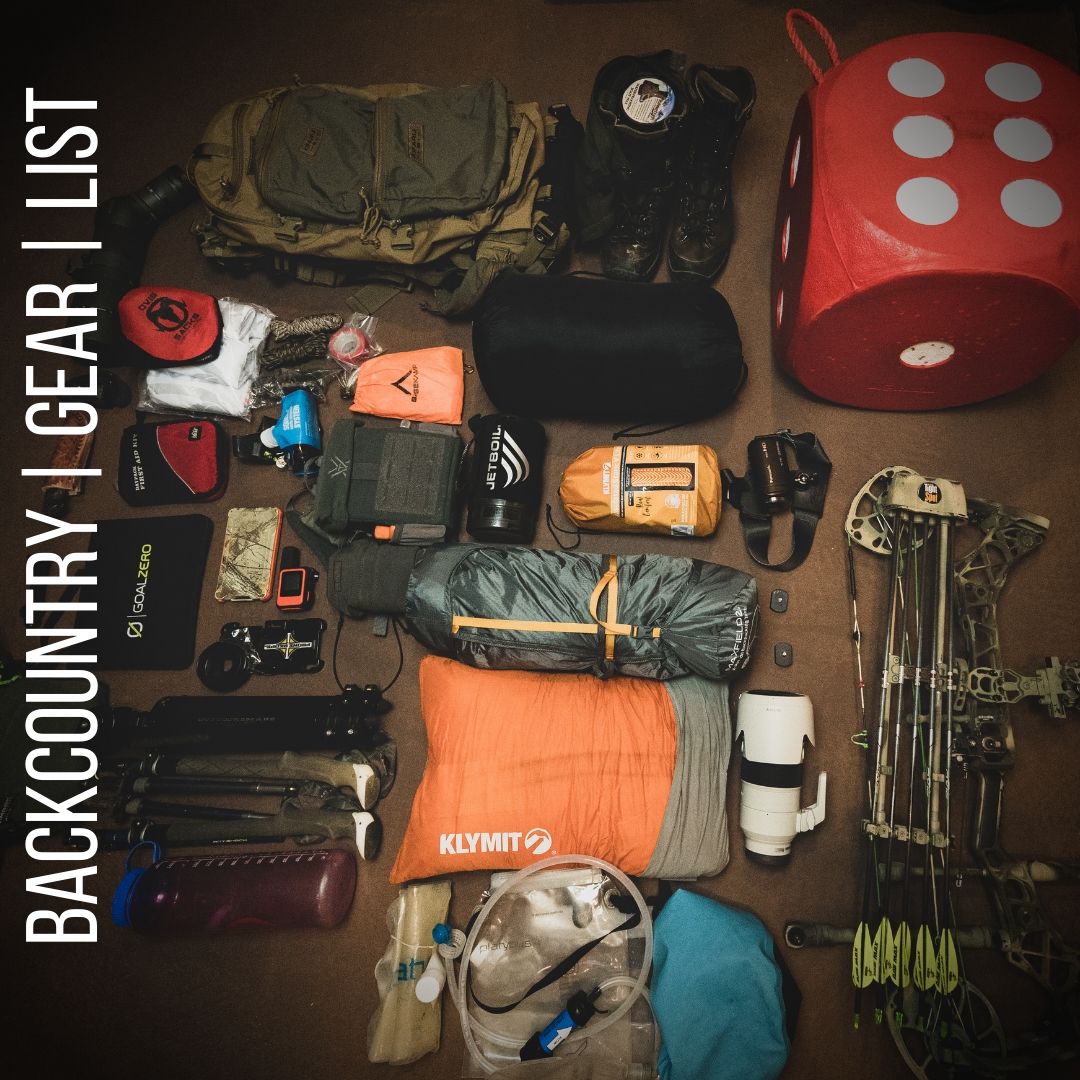
One faulty piece of gear can end your hunt. For beginners, reliability trumps cost savings.
Boots: Your Most Critical Investment
Your feet are your transportation. Blisters or sprains can ground you fast.
– Choose waterproof, ankle-supporting boots built for rugged terrain
– Break them in with 50+ loaded miles before the hunt
– Pair with merino wool socks—they wick moisture and resist odor
Warning: Never wear new boots in the field. Test them thoroughly first.
Backpack: Carry Smart, Not Heavy
Use a 45–70 liter external-frame or frameless pack with a load-bearing hip belt.
Essentials to pack:
– 3–4 liters of water (or filtration system)
– High-calorie food (nuts, jerky, bars)
– Weather-appropriate clothing layers
– First-aid kit and emergency shelter
– GPS, headlamp, spare batteries
– Game bags, knives, bone saw
– Satellite communicator (e.g., Garmin inReach)
Expert Note: Frameless packs save weight, but external frames help carry heavy meat loads.
Layered Clothing System
Mountain weather changes fast. Stay dry and warm with a three-layer system:
– Base layer: Merino wool or synthetic (never cotton)
– Mid layer: Fleece or insulated jacket
– Outer shell: Windproof, waterproof (e.g., Gore-Tex)
Camouflage matters less than scent control, silence, and staying dry.
Optics: See Before You’re Seen
You’ll spot elk long before you hear them. Invest in quality optics:
– Binoculars: 8×42 or 10×42 for glassing ridgelines
– Spotting scope: 20–60x for judging antlers at 500+ yards
– Rangefinder: Critical for shot accuracy beyond 300 yards
Pro Tip: Glass at dawn and dusk from high vantage points. Look for movement in timber edges and meadows.
Choose the Right Firearm and Practice
Pick a Powerful Caliber
Elk are massive and tough. Use a cartridge with deep penetration:
– .308 Winchester (effective to 400 yards)
– .300 Winchester Magnum (long-range, hard-hitting)
– .338 Lapua (premium stopping power)
Use premium bullets like Nosler Partition or Barnes TTSX for reliable expansion and bone-breaking performance.
Practice Real-World Shooting
Don’t just shoot paper targets. Train for field conditions:
– Practice 300–600 yard shots from prone, kneeling, and standing
– Simulate wind, cold, and fatigue
– Use bipods, shooting sticks, or natural rests
Archery hunters: Be proficient at 70+ yards and practice from uneven ground.
Master Cow Calling (Not Bugling)
Why Bugling Fails on Public Land
Viral videos show bulls charging in to bugles—but those are often staged. In reality, over-bugling scares off mature bulls. On public land, elk are wary. Loud calls can:
– Trigger dominance fights
– Cause elk to flee silently
– Alert every hunter within earshot
Fact: Only 1 in 10 elk are harvested via calling alone.
Use Cow Calls Realistically
Cow calling mimics estrous cows and attracts curious or breeding bulls—the most effective tactic for beginners.
Best tools:
– Reed calls: Easy to use, great for new hunters
– Diaphragm calls: Hands-free, quiet, versatile
– Acrylic calls: High realism (e.g., Slayer Calls)
How to Call Effectively
- Make 4–6 soft to medium cow calls (mix short mews and long calls)
- Wait 20–30 minutes—don’t move
- If no response, move 0.5 to 0.75 miles and repeat
- Only call where you’ve seen fresh sign (tracks, droppings, rubs)
“Real elk calls are rough and inconsistent. Don’t aim for perfection.” — Fred Eichler
Hunt the Wind Like Your Life Depends on It
Elk have a sense of smell far superior to deer. They can detect human scent from hundreds of yards away, especially in warm early-season weather.
Check Wind Every 30 Seconds
Use a pinwheel, smokeless wind checker, or powdered scent to test air movement.
– Avoid moving uphill during midday—thermals rise and carry your scent
– In the morning, air flows downslope
– In the afternoon, thermals rise, reversing wind patterns
Position Downwind
Always set up:
– Downwind of likely elk paths
– Behind natural barriers (rocks, dense timber)
– Near funnels, saddles, or wallows where elk travel
Rule of thumb: If you can smell campfire or your lunch, elk can smell you.
Scout Smart: Pre-Season and On the Ground
Use GPS Apps to Find Hidden Spots
Use onX Hunt, Hunt Stand, or Garmin GPS to:
– Mark water sources, wallows, funnels, and saddles
– Identify south-facing slopes (morning/evening feeding)
– Find north-facing slopes (cool, shaded bedding areas)
– Check road closures and MVUMs
Walk the Land Yourself
Apps help, but boots on the ground win hunts.
– Look for fresh tracks, scat, rubbed trees, and wallows
– Listen for bugles or cow calls at dawn/dusk
– Commit to one area—don’t bounce around
“You can’t kill an elk unless you’re out where the elk live.” — Jim Zumbo
Go Farther Than Other Hunters
Most Hunters Stay Within 1 Mile
Here’s the secret: elk avoid people. Most hunters never go more than a mile from roads.
Increase your odds:
– Hike 2+ miles from access points
– Target roadless areas (66,000+ acres in top Colorado GMUs)
– Backpack in and camp deep in elk country
Data point: Success rates jump dramatically beyond the first mile.
Best States for Beginner Elk Hunters
| State | Why It’s Great | What to Watch For |
|---|---|---|
| Idaho | Low hunter pressure, easy tags, vast public land | Research units—some are crowded |
| Colorado | Huge elk population (~250,000) | High competition in popular GMUs |
| Wyoming | Massive public land, quality bulls | Grizzly bears in some zones |
| Montana | Diverse terrain, good success | Grizzlies in the northwest |
| Utah | Well-managed herds, good access | Dry terrain—water is key |
Verdict: Idaho is often the best choice for first-timers.
Pack Out Meat Like a Pro
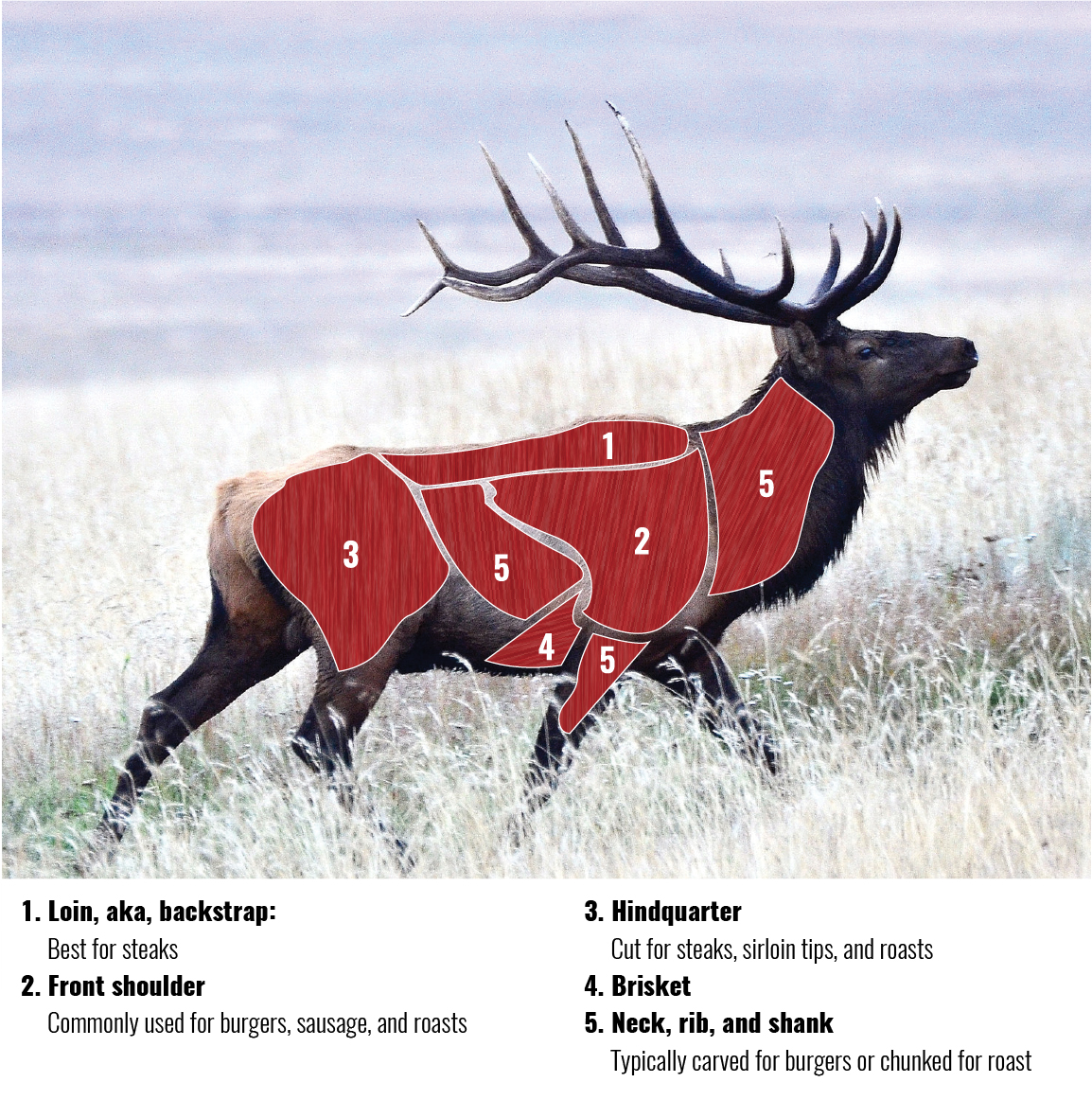
Prepare Before the Shot
Assume success. You’ll need to pack out 400–600 lbs of meat.
Essential gear:
– Two sharp knives (skin, bone)
– Sharpening stone
– Bone saw
– Cotton game bags
– Medical gloves
– External-frame pack
Field Dressing vs. Quartering
- Field dressing: Gutting on-site—necessary for whole transport
- Quartering without gutting: Remove legs first, then gut—faster for solo hunters
“Gutting an elk is a bent-over, head-down, muscle-straining job.” — Ben Long
Packing Strategies
- Cut meat into 50–70 lb loads
- Use game carts or sleds on snow or flat terrain
- Hire horse or mule packing if available
- Cool meat fast—hang in shade, avoid dirt and flies
Stay Safe and Ethical
Emergency Preparedness
Always:
– Tell someone your plan—exact location, route, return time
– Carry a satellite communicator
– Bring first-aid kit, fire starter, emergency bivy
– Know basic survival skills
Navigation Safety
- Download offline maps
- Mark camp, water, trailheads as waypoints
- Never rely on phone battery alone
Respect the Land and Other Hunters
Public Land Etiquette
- Don’t park next to others in small drainages
- Avoid loud calling early in the season
- Don’t ask other hunters about elk locations
- Give others at least 0.5 mile of space
Ethical Hunting Practices
- Know your max effective range—don’t take risky shots
- If you wound an elk, track it immediately and ethically
- Use all edible meat—honor the animal
- Follow local regulations and closures
Final Tips: What Really Works
Focus on Experience, Not Harvest
Your first year? Don’t expect to kill an elk. There’s a 99.9% chance you won’t—and that’s normal. Focus on:
– Learning elk behavior
– Reading terrain
– Building endurance
– Mastering wind and calling
Best Strategy for Beginners
Find a funnel, water source, or wallow with fresh sign. Set up downwind. Stay still. Wait. Repeat.
This simple method—hunting over resources, not just calling—accounts for 7 in 10 harvests on public land.
Top 10 Elk Hunting Tips Recap
- Get in peak physical shape—elk hunting is mountain endurance.
- Break in your boots—your feet carry your success.
- Scout early and deep—know your hunting area.
- Go 2+ miles from roads—elk avoid crowds.
- Master cow calling—use it sparingly and realistically.
- Check wind constantly—elk smell you first.
- Hunt funnels and water—not just blind calling.
- Use GPS apps—find hidden spots and plan routes.
- Pack for meat retrieval—knives, bags, and a strong pack.
- Stay patient and humble—success comes with time.
Elk hunting isn’t about luck. It’s about preparation, persistence, and respect. The mountain rewards those who go farther, train harder, and hunt smarter. With these beginner elk hunting tips, you’re not just ready for your first hunt—you’re ready to earn your place in the backcountry.


0 Comments