Duck hunting is more than just pulling the trigger—it’s a tradition built on preparation, patience, and respect for nature. For beginners, stepping into the world of waterfowl hunting can feel overwhelming. Where do you start? What gear do you actually need? And how do you get ducks to fly within range?
The truth is, success begins long before sunrise. With the right knowledge and mindset, even a first-time hunter can have a rewarding outing. This guide delivers actionable duck hunting tips for beginners, focusing on the four pillars of success: location, concealment, motion, and calling—plus essential gear, safety, and ethics.
You’ll learn how to pick a productive spot, stay hidden from sharp-eyed ducks, set up decoys that look real, and use calls without scaring birds away. No fluff, no jargon—just clear, field-tested advice to help you bag your first duck.
Pick the Right Location: Ducks Fly Where They Want to Be

If there are no ducks in your area, nothing else matters. Location is the most important factor in duck hunting—everything else depends on it.
Know the Flyways: Follow the Migration Routes
Ducks migrate along four major flyways in North America:
– Pacific
– Central
– Mississippi
– Atlantic
If you’re near one of these corridors—especially along rivers like the Mississippi—you’ll see more duck traffic. Birds follow these paths each fall when northern lakes freeze and food becomes scarce.
Cold fronts are your friend. When ice covers lakes up north, ducks move south fast. Watch weather reports: a hard freeze 500 miles away means birds could arrive in your area within days.
Hunt Where Ducks Eat and Rest
Ducks spend their time feeding and roosting. Focus on areas rich in food and shelter.
Best habitats include:
– Flooded agricultural fields (corn, rice, soybeans)
– Shallow lakes and marshes
– Rivers with backwater sloughs
– Swamps and cattail wetlands
Use free tools to scout:
– USGS Water Data (waterdata.usgs.gov) – check water levels
– National Weather Service (weather.gov) – track storms and temperatures
– Flood maps (water.weather.gov) – spot rising water
Rising water is golden. It floods grain and seeds, creating new feeding zones. Falling water often means ducks leave—so time your hunts right.
Scout Like a Pro Before You Hunt
Scout at dawn and dusk, when ducks move between roosts and feeding areas.
Step-by-step scouting:
1. Use binoculars from high ground—dams, levees, or boat ramps
2. Watch flight lines—where are ducks coming from and going?
3. Mark GPS points for promising spots
4. Return during legal hours to test access
Rule of thumb: Spend 2–3 days scouting for every day you hunt. Build a mental map of wind patterns, landing zones, and flyways.
Pro Tip: Ducks land into the wind. Always set up with the wind at your back so birds fly toward you.
Stay Hidden: Master Concealment to Fool Sharp Eyes
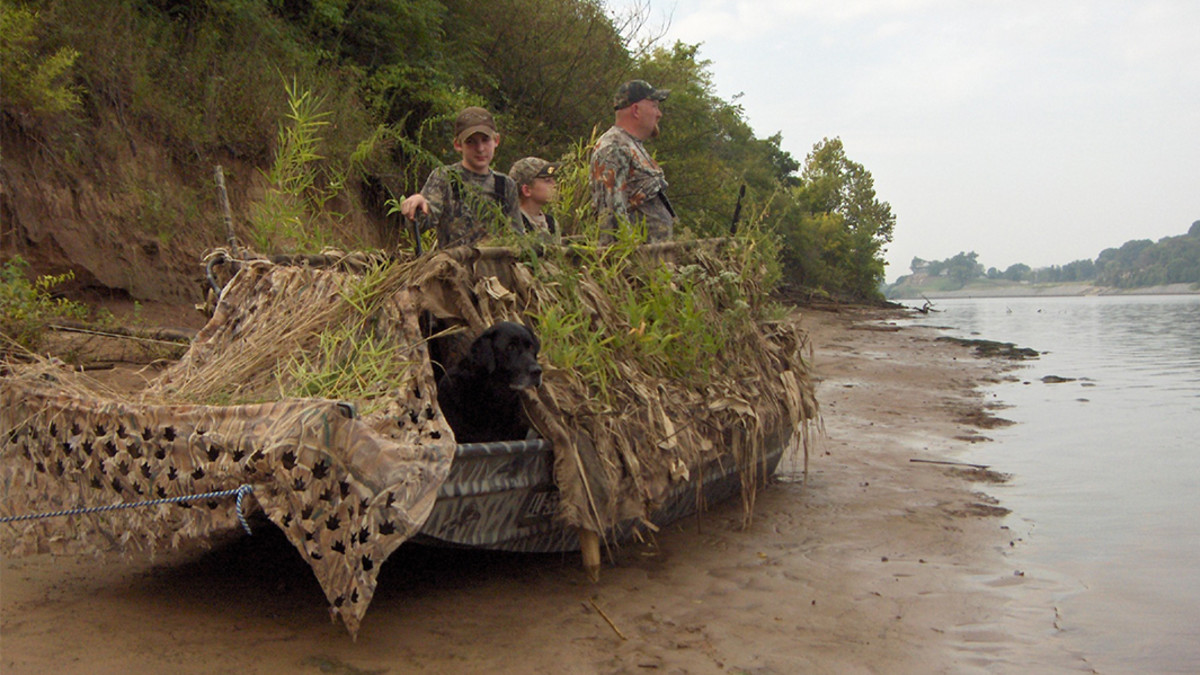
Ducks have better vision than humans—they see color, motion, and shadows clearly. If they spot you, they flare and vanish.
Cover Every Inch of Exposed Skin
Even a flash of skin can ruin your hunt.
Must-cover areas:
– Face
– Hands
– Neck
– Head
Use:
– Camo balaclava or facemask
– Face paint (green, brown, tan)
– Lightweight gloves
– Hooded camo jacket
Avoid bright colors, logos, or shiny gear—even a phone screen can reflect light.
Build a Natural-Looking Blind
Your blind must blend from above and the side—ducks look down as they circle.
Blind types by terrain:
– Marshes: Use cattails, reeds, and grasses
– Fields: Stack cornstalks or use layout blinds
– Timber: Hunt behind tree trunks—no need for grass
Never stand taller than surrounding cover. Stay low.
Avoid red flags:
– Right angles (unnatural)
– Duck-shaped shadows
– Reflective surfaces (glasses, bottles)
Real Talk: “One guy I hunted with had an orange Cheeto bag sticking out. Ducks flared 50 yards out.” — Anonymous
Pick up trash, tuck in decoy lines, and hide your boat at least 100 yards away.
Make Decoys Move: Add Motion to Sell the Illusion
Static decoys look dead. Motion makes them believable—especially on calm, glassy water.
Start with 12–24 Decoys
Beginners don’t need 100 decoys. A small, well-placed spread works better than a messy large one.
Recommended mix:
– Mallard hens (6–12)
– Mallard drakes (3–6)
– Pintails or teal (optional)
Arrange in a “C” or “U” shape, open end facing into the wind—this creates a natural landing zone.
Use a Jerk String for Realistic Motion
One of the cheapest, most effective tools.
How it works:
– Attach 3–4 decoys to a long cord with a bungee and anchor
– Pull and release to create swimming motion
– Mimics ducks feeding or diving
Best times to use:
– When birds are circling
– On calm, glassy water
Expert Note: “I carry two jerk strings—one with a spreader rig. Lightweight, tough, and foolproof.” — p8ntslinger
Other Motion Options
- Spinning wing decoys: Great for attracting distant birds, but expensive and not legal everywhere (check state rules)
- Silhouette decoys (2D): Set in a “Y” pattern to create shifting shadows
- Manual motion: Use your paddle, foot, or branch to splash water
Avoid electronic decoys as a beginner—they’re overkill and often banned.
Call Smart, Not Loud: Use Sound to Attract—Not Scare
Calling is overrated—but useful when done right. You can kill ducks without calling if your setup is solid.
Get the Right Calls
Start with:
1. One soft mallard hen call (mellow tone)
2. One loud raspy hen call (for distance)
3. One 6-in-1 drake whistle
Total cost: under $100. Trusted brands: Duck Commander, Haydel’s, Primos.
Use a call lanyard so you don’t drop it in the water.
Learn 3 Key Sounds
1. The Quack
- Purpose: “Everything’s fine here”
- When to use: Distant birds approaching
- How to make it: Tighten cheeks, blow from diaphragm: “VOOT” or “VUT”
2. The Hail Call
- Purpose: “Come join us!”
- When to use: Ducks flying past
- Pattern: 3–5 quacks, starting loud, getting faster: QUACK—quack-quack-quack
3. The Feeding Chuckle
- Purpose: “We’re eating and safe”
- When to use: Birds are close, circling
- Sound: Soft, fast “DUKDUKDUK” or “TUKTUKTUK”
Pro Tip: Cup your hand over the call end for a richer chuckle. Don’t flare fingers like in a hail call.
Call Based on Duck Behavior
- Coming straight in? Call soft or not at all
- Flying past? Hit them with a loud hail call
- Circling overhead?
- Soft quacks as they approach
- Feeding chuckles when close
- Hail call if they start to leave
Golden Rule: Less is more. Overcalling scares ducks.
Practice at home with YouTube videos or the Ducks Unlimited app.
Gear You Actually Need: Start Simple, Stay Legal
You don’t need top-dollar gear to start. Focus on function, comfort, and legality.
Shotgun Basics

- Best gauge: 12-gauge (most effective)
- 20-gauge OK for recoil-sensitive shooters
- Action type:
- Pump-action: Reliable, affordable
- Semi-auto: Faster follow-up shots, pricier
- Legal requirement: Plugged to hold 3 shells max (1 in chamber, 2 in mag)
Ammunition Rules
- Non-toxic steel only—lead is illegal for waterfowl hunting
- Use 3-inch, 1-1/8 oz shells
- Shot size: #2 to #4 (good balance of pattern and power)
Avoid 2¾” shells—they lack punch. Skip 3½” unless you’re experienced—recoil is brutal.
Waders and Clothing
- Chest-high waders are essential
- Neoprene: warm, heavy
- Breathable fabric: better for long hikes
- Reinforced stitching at boot and crotch—common failure points
- Carry a patch kit—leaks happen
Layer up:
– Wool socks
– Thermal base layers
– Camo outer layer (match terrain)
Eye and Ear Protection
- Hunting glasses: HD Gold lenses enhance contrast in low light
- Electronic earbuds: Walker’s Disrupter lets you hear ducks but blocks gunshot noise
Decoys and Transport
- Start with 12–24 decoys—mallards are best
- Use Texas rig system: tangle-free, durable
- Carry a decoy bag
Boat options:
– 14-ft Jon boat (camo-painted)
– Camo kayak (quiet, stealthy)
– Add navigation lights for night travel
Legal Requirements: Don’t Skip This
Break the rules, and you lose your license—maybe forever.
Before you hunt:
1. Complete a hunter safety course (required for first-timers)
2. Buy a state hunting license
3. Purchase a Federal Duck Stamp ($27.50)
4. Check for state-specific permits or tags
Always verify regulations annually—they change. Visit your state’s wildlife agency website (e.g., California DFW, Tennessee TWRA).
Best Times to Hunt: When Ducks Are on the Move
Prime Hours: Dawn and Dusk
Ducks move most at:
– First light (30 mins before sunrise)
– Last light (30 mins after sunset)
Set up early. Be ready before first flight.
Midday Can Work
If it’s cold, windy, or overcast, ducks may fly midday—especially after a cold front.
Avoid hunting in calm, sunny conditions unless you’re in a high-traffic zone.
Identify Ducks Before You Shoot
Mistakes cost you. Shooting a protected species leads to fines or license suspension.
Must-Know Species
- Mallard: Green head (drake), mottled brown (hen)
- Pintail: Long tail, white neck stripe
- Green-winged Teal: Tiny, bright speculum
- Wood Duck: Colorful, crested head
Use:
– Ducks Unlimited app
– State waterfowl guide
– Practice ID at home
Rule: If you’re not 100% sure—don’t shoot.
Hunt Ethically and Safely
Firearm Safety
- Treat every gun as loaded
- Muzzle in a safe direction
- Safety on until ready to shoot
- Know where your partner is
Water Safety
- Wear a life vest in boats or deep water
- Carry a first-aid kit
- Bring a charged phone or radio
Avoid Bad Habits
- Sky busting: Shooting ducks out of range—leads to wounded birds
- Overcalling: Scares ducks; be subtle
- Littering: Pack out all trash—leave it cleaner than you found it
Final Thoughts: Start Simple, Stay Patient
Duck hunting isn’t about gear. It’s about preparation, persistence, and respect.
You will have cold, quiet mornings with no birds. You’ll miss shots. That’s normal.
But when a flock swings in, cupping their wings, and drops into your spread—that moment makes it all worth it.
Start with the basics:
– Pick a good spot
– Stay hidden
– Add motion
– Call wisely
Build from there.
Hunt ethically. Retrieve every bird. Share the experience.
With time, you’ll find your rhythm—and the only “click” you’ll care about is turning off the safety as you line up that perfect shot.


0 Comments