There’s nothing quite like the crack of a shotgun at dawn, the rush of wings overhead, and the satisfying pluck of a downed dove—dove hunting is fast, fun, and deeply rooted in American tradition. Whether you’re a first-time hunter or a seasoned veteran, one truth remains: success in the field doesn’t come from luck. The best dove hunting tips blend timing, tactics, and preparation to turn opportunity into action. From knowing when doves fly to mastering your lead, choosing the right gear, and respecting the resource, these proven strategies will help you consistently bag your limit. Let’s dive into the field-tested techniques that separate good hunters from great ones.
Hunt the Golden Hours: Sunrise and Dusk
Doves are creatures of habit, and their daily movements revolve around three essentials: food, water, and roosting. To maximize your chances, align your hunt with their natural rhythms.
The first hour after legal shooting light is prime time. Birds leave their roosts—often in tall trees or along power lines—and head straight to feeding fields. This early movement is predictable and concentrated, offering high-volume shooting. Similarly, the last 90 minutes before sunset are golden. Doves fly to water sources before returning to roost, creating a second wave of activity.
Pro tip: Arrive at least 30 minutes before shooting light. Use this time to set up quietly and scan for flight lines.
Weather plays a big role, too. On overcast days, doves stay active longer, making midday hunts productive. In contrast, bright, sunny conditions push birds into loafing cover, so focus on water sources in the afternoon. And when a cold front approaches, watch out—barometric pressure changes trigger feeding surges. Hunt 24–48 hours before the front hits for some of the best action of the season.
Scout Like a Pro: Find the Birds Before Opening Day
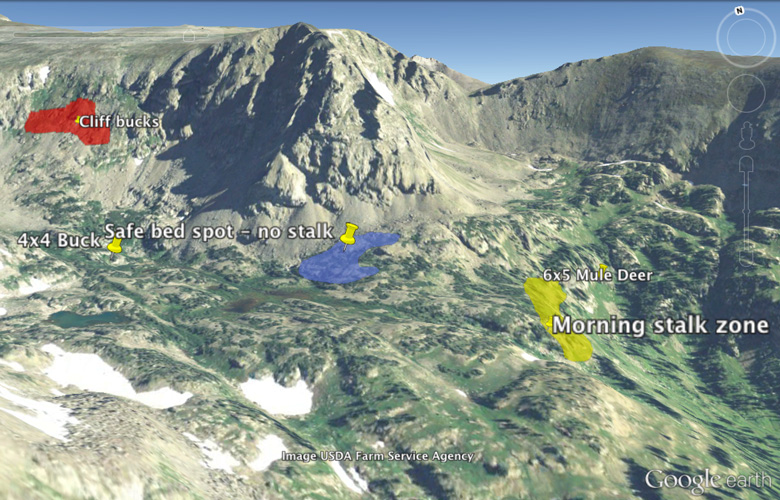
The best dove hunters spend more time scouting than shooting. Start two weeks before the season and drive rural backroads between 6–9 AM and 4–7 PM. Look for flocks circling over fields, birds landing on power lines, or dust bathing near gravel roads.
Target recently harvested fields—sunflower, wheat, or corn stubble are dove magnets. Freshly tilled or burned ground also attracts birds by drawing insects and new plant growth. And don’t overlook water sources like stock tanks, irrigation ditches, or small ponds, especially in dry regions.
Use OnX or Google Earth to map property boundaries and identify access points. Mark productive spots with GPS and look for flight corridors—gaps in tree lines, field corners, or power line crossings where birds naturally funnel. Avoid overhunted public fields on opening weekend; instead, rotate locations to stay ahead of pressure.
Set Up for Success: Concealment and Positioning

Even the best scouting fails if you’re seen. Doves have sharp eyesight and will flare at the slightest movement or unnatural silhouette.
Break up your outline using natural cover—fence rows, hay bales, sunflower stalks, or tall weeds. Wear drab or camo clothing and avoid bright colors. Sit in the shade to reduce visibility and stay cool. In open fields, a layout blind offers full concealment and keeps you hidden from above.
Position yourself where flight paths converge. Face into the wind when possible—birds often approach head-on. Leave 10–15 feet of clear shooting lanes and keep your gun ready, muzzle up. And always maintain 75–100 yards of spacing between hunters for safety.
Golden rule: “Don’t move! He can’t see us if we don’t move.”
Use Decoys Strategically: Attract, Don’t Overdo
Decoys work—especially later in the season when birds get wary. Use 15–25 decoys in small groups of 3–5, spaced 10–20 yards apart. Place them near natural perches or feeding zones, but never block your shooting lanes.
Inflatable decoys are lightweight and highly visible. Hard-body decoys offer durability and realism. For extra appeal, add a spinning-wing (mojo) decoy, but use it sparingly—too much motion can spook birds. Clip-on decoys work great on fence posts or power lines.
Pair decoys with soft cooing calls—2–3 calls per minute max. Late in the season, reduce your spread to 3–5 decoys to appear more natural under pressure.
Master Your Shot: Lead Like a Pro
Most dove misses happen because hunters shoot behind the bird. Doves fly fast—often at 40+ yards—and require aggressive lead.
Two effective methods dominate: the swing-through and pull-away techniques. In swing-through, start your swing behind the bird, pass the barrel through its body, and fire when daylight appears between barrel and bird. Keep the gun moving after the shot.
The pull-away method is often preferred for long shots. Start with the bead on the bird’s head—this matches gun speed to bird speed—then pull the barrel forward and fire once lead feels right. This method prevents under-leaded shots and is especially effective on fast crossers.
Avoid the butt-belly-beak method—it’s designed for flushed birds like quail and often fails on doves.
Expert advice: “Start the lead at the head of the bird instead of behind it.” — Marty Fischer, NSCA Instructor
Gear Up Right: Shotgun, Choke, and Ammo
Your gear makes a difference. A 12- or 20-gauge shotgun is ideal. Semi-autos offer fast follow-ups; over/unders provide control and safety. Remember: migratory bird rules limit you to three shells total (one in chamber, two in magazine).
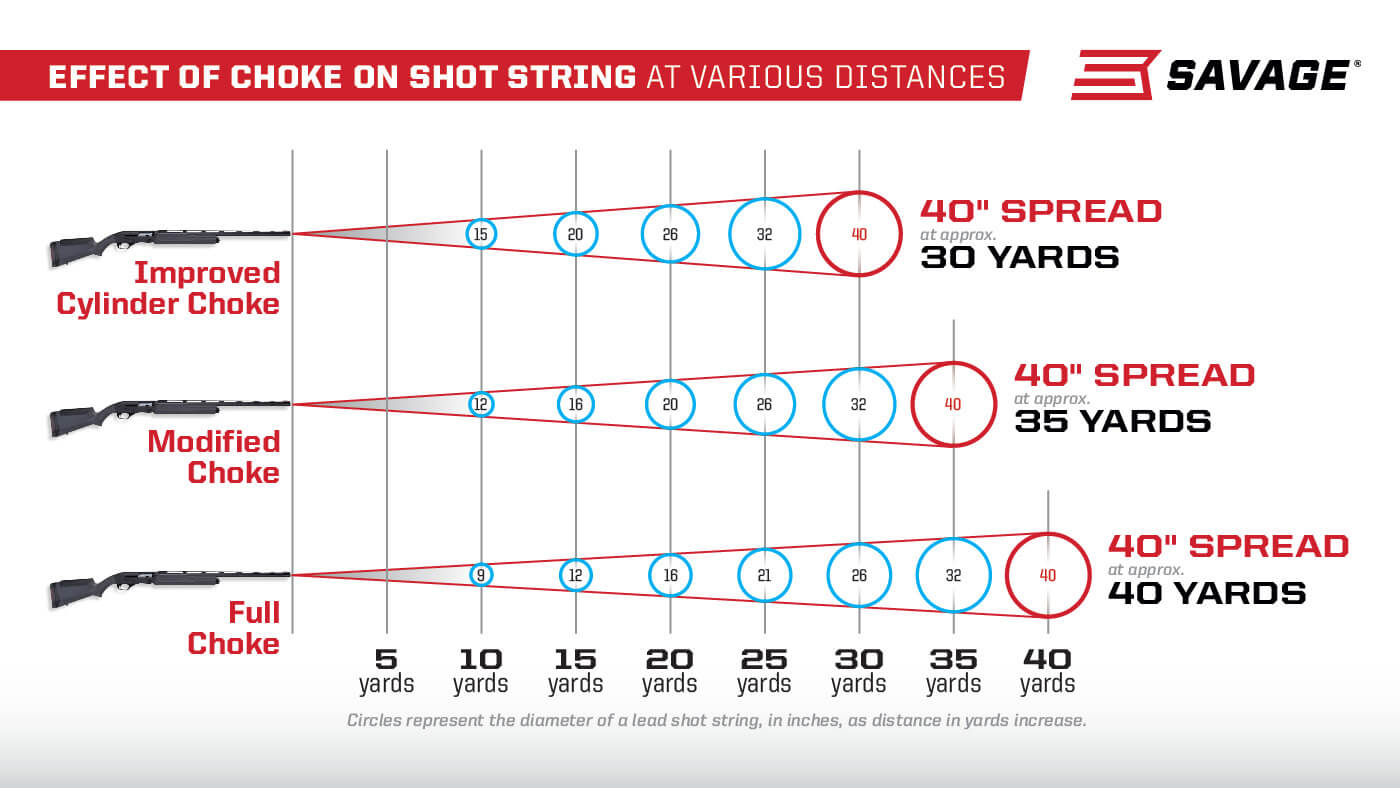
For chokes, modified is the best all-around for 25–35 yards. Improved cylinder works well for close shots; light modified handles longer ranges. Avoid full chokes—they pattern too tightly and reduce hit probability.
Ammo matters. Stick with 2¾-inch shells—no magnums. Use #7½ or #8 shot for the best balance of pattern density and power. For long shots, #9 shot with a modified choke can be effective.
Top brands include Federal Top Gun, Winchester Super Target, and Remington Gun Club. And always check if non-toxic shot (steel, tungsten, bismuth) is required on public lands.
Practice Before the Season: Train Like a Skeet Shooter
Dove hunting rewards the prepared. Practice skeet for rhythm, trap for reaction, and sporting clays for real-world flight simulation. Aim to practice 2–3 times in August before the September opener.
At home, run dry-fire drills to perfect your gun mount, cheek weld, and follow-through. Focus on keeping your head still—“The rear sight on a shotgun is your eye,” says Marty Fischer.
Stay Safe: Muzzle Control, Spacing, and Awareness
Safety is non-negotiable. Keep 75–100 yards between hunters and designate clear shooting lanes. Use two-way radios for coordination.
Keep your muzzle pointed straight up when not shooting. Never point below the tree line—others could be downrange. Always identify your target and what’s beyond.
Wear safety glasses and hearing protection—electronic muffs let you hear birds and talk to partners. And never drink alcohol while hunting.
Retrieve Every Bird: Ethics and Efficiency
Ethical hunting means recovering every downed dove. Keep your eyes on the bird until it lands. Mark the spot mentally and walk directly to it.
If you don’t have a dog, walk slowly and scan carefully—binoculars help. A bird dog is highly effective in short grass and can be prepped with shade, water, and snake-aversion training in rattlesnake country.
Eat What You Harvest: From Field to Table
Doves are delicious. Try bacon-wrapped breasts with jalapeño and cream cheese (dove poppers), grilled whole birds, or pan-seared breasts. Older birds benefit from slow cooking—braise or stew for tenderness.
Field dress birds quickly, store on ice, and process within 24 hours. Soak breasts in water after cleaning to ease feather removal.
Chef’s tip: “Turn your limit into the main course—not just an appetizer.” — Tyler Jones
Adapt as the Season Progresses
Early season brings high numbers and low pressure—hunt feeding fields. Mid-season, birds get wary—reduce decoys and rotate fields. Late season? Focus on water sources and hunt just before cold fronts.
Respect the Resource and Mentor New Hunters
Follow bag limits, retrieve every bird, and build landowner trust. Share your harvest, close gates, and pack out trash. Support conservation through licenses and the Harvest Information Program (HIP).
Dove hunting is the perfect “gateway” into the sport. Teach beginners gun safety, bird ID, and ethical shot placement. Use a 20-gauge with light loads, pick spots with close shots, and bring extra ammo and snacks.
“Dove hunting isn’t just about bagging birds—it’s about time outdoors, sharing experiences, and conserving wildlife.”
With these best dove hunting tips, you’re ready to outsmart the birds, outlast the heat, and make every shot count. The sky’s the limit.

0 Comments