Snipe hunting is no joke—it’s a demanding, rewarding form of wingshooting that separates the patient from the pack. Despite its reputation as a rite of passage prank, real snipe hunting targets the Wilson’s snipe (Gallinago delicata), a small, cryptic shorebird known for its explosive flush and erratic, zigzag flight. Found across North America in wet meadows, flooded fields, and marsh edges, snipe offer an under-the-radar public-land opportunity that demands sharp eyes, steady nerves, and a willingness to get muddy.
With open seasons often stretching from September through December and generous daily bag limits (typically 5–8 birds), snipe are a legal and accessible quarry for both upland and waterfowl hunters. These birds thrive where water meets grass—just like ducks—so many waterfowlers add snipe to their outings on slow duck days. But success isn’t about luck. It’s about reading the mud, walking the right line, and being ready for a split-second shot.
In this guide, you’ll learn proven snipe hunting tips rooted in biology, behavior, and field-tested tactics. From identifying prime habitat to executing clean kills and recovering downed birds, we’ll cover everything you need to turn frustrating misses into consistent success.
Find Snipe in Their Favorite Habitat
Snipe don’t wander aimlessly—they stick to specific conditions where food and cover converge. Knowing exactly where to look cuts your search time in half.
Target Wet, Muddy Edges
Snipe thrive in moist to muddy ground with shallow water (no more than a few inches deep) and low vegetation. They avoid bone-dry fields and deep water. Focus on:
– Soft, worm-rich mud
– Flooded crop stubble, irrigation ditches, or seepage zones
– Shorelines with sparse grasses, sedges, or reeds—not thick cattails
The ideal spot? Transitional zones where land meets water. These edges provide feeding access and quick escape cover.
Watch Water Levels Closely
Fluctuating water levels drive snipe movement. When water recedes slightly after rain or spring melt, it exposes mudflats—prime feeding areas. High water pushes snipe into thicker cover; drought drives them out entirely.
Best conditions: Slightly receding water that leaves behind saturated soil but not standing water deeper than 6 inches.
Scout for Signs of Snipe
Don’t guess—confirm presence before hunting:
– Flushes: Sudden, low, zigzagging birds with long bills
– Tracks: Four-toed footprints in soft mud
– Probe holes: Clusters of tiny holes where snipe fed
– Feathers or scat: Evidence of recent activity
Scout during off-season walks. Even a light drizzle improves habitat by softening the soil.
Hunt During Peak Activity Windows

Timing matters. Snipe are most active during low-light periods, especially at dawn and dusk. But unlike ducks, they don’t always fly at first light.
Focus on Early Morning and Late Afternoon
Plan hunts around:
– Sunrise to 9:00 AM
– 3:00 PM to sunset
These windows align with feeding peaks, especially in cooler weather. On warm, calm days, snipe may feed intermittently throughout the day.
Adjust for Weather and Season
- Rainy days: Increased activity; soil stays soft, boosting prey availability
- Cold fronts: Birds feed more aggressively before and after
- Migration periods (fall and spring): Highest concentrations
- Winter: Viable in southern states with unfrozen ground (e.g., Florida, Louisiana)
Avoid hunting during midday heat unless conditions are ideal.
Use the Walk-Up Method Effectively
The walk-up (or jump-shoot) method is the most common and effective way to hunt snipe in North America.
Walk Slowly and Stay Alert
Snipe hold tight until nearly stepped on. Move at a slow, deliberate pace:
– Scan 15–30 yards ahead
– Watch for slight movements in grass or mud
– Keep shotgun ready, muzzle up, safety off
A sudden burst from underfoot is normal—react fast, but don’t panic.
Follow the Edge Strategy
Walk along habitat edges:
– Marsh borders
– Field perimeters
– Ditch banks
– Wooded fringes
This forces snipe to flush over open ground or water, giving you better visibility and shot angles.
Adjust Your Path Based on Flushes
If birds flush far from water, you’re too deep in cover. Shift closer to wet areas. If no birds appear, expand your search or revisit after rain.
Even a few yards can make the difference between empty shells and a full limit.
Deploy Dogs for Better Success
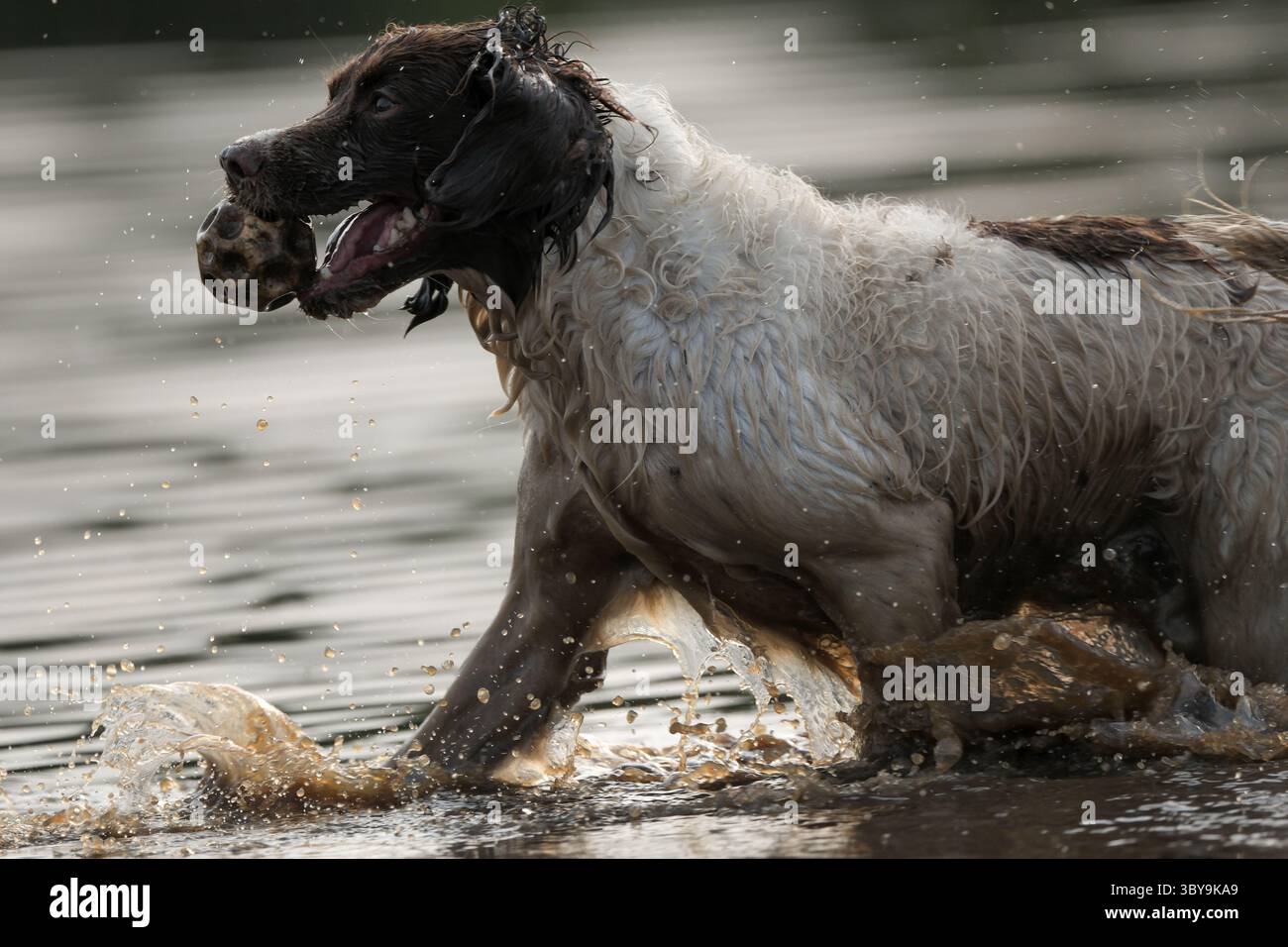
A well-trained dog is a game-changer for snipe hunting.
Choose the Right Breed
- Flushing dogs: Spaniels, retrievers, and versatile breeds excel
- Pointers: Less effective—snipe rarely hold for a point and often flush prematurely
Opt for a dog that works close and steady, covering ground without ranging too far.
Train for Muck and Retrieval
Snipe often fall in thick, wet cover. Your dog must:
– Navigate muddy terrain confidently
– Use fine scenting to locate downed birds
– Have a soft mouth to avoid damaging small game
Practice retrieves in similar conditions before the season.
Mark the Fall Zone Instantly
When you shoot, drop a blaze-orange bandana or hat at the spot. Snipe feathers blend perfectly with grass and mud—visual markers are essential.
Then send your dog to retrieve from the marked point.
Master the Shot: Lead, Swing, and Follow-Up
Snipe don’t give second chances—unless you miss.
Use Smooth Swing-Through Technique
When a snipe erupts:
– Mount quickly but smoothly
– Swing through the target with moderate lead
– Fire as the barrel catches up
Their erratic flight means lead adjustments are crucial. Don’t over-lead; they dart unpredictably.
Optimize Choke and Ammunition
- Choke: Improved Cylinder or Modified for close shots
- Shot size: #7.5 to #9
- Payload: 7/8 oz in 20 or 28 gauge; 1 oz in 12 gauge
- Material: Lead (best performance) or non-toxic (required in waterfowl zones)
Pattern your gun at 20–30 yards to ensure dense, even spread.
Be Ready for Second Chances
Snipe often fly short distances before landing. If you bump one, stay alert—it may flush again within range. Some birds get flushed multiple times in a single outing.
Gear Up for Muddy Conditions
Comfort and mobility matter when trudging through wetlands.
Wear Breathable Waders
Prioritize breathable waders (e.g., Gore-Tex) over rubber or neoprene:
– Lighter weight
– Better ventilation
– Reduced fatigue on long walks
If temps are warm, pair waterproof socks (like Sealskinz) with hiking boots for flexibility.
Dress in Layers
- Base: Moisture-wicking shirt
- Mid-layer: Lightweight pullover for cold mornings
- Outer: Wind-resistant, quiet fabric
Avoid bulky vests in heat—use a waist shell bag (e.g., Filson or Gamehide) instead.
Carry Only Essentials
- Extra shells
- Blaze-orange marker
- Water and snacks
- First-aid kit
Less gear = more mobility in muck.
Pass Shoot When Cover Is Thin
In open fields or pastures, pass shooting can outperform walk-up hunting.
Set Up Near Feeding Zones
Position yourself near:
– Waterholes
– Flooded stubble fields
– Irrigation ditches
Stay low and concealed. Use natural cover or a layout blind.
Take Long-Range Shots Confidently
Snipe may flush at 50–100 yards in open terrain. Use a slightly tighter choke (Modified) and #7.5 shot.
Lead generously and anticipate sudden zigzags. These shots demand skill—practice on clay targets that mimic erratic flight.
Use Decoys Sparingly but Strategically
Snipe can be attracted to decoys, especially during migration.
Try Snipe or Duck Decoys
- Place 2–3 snipe decoys along shorelines
- Or hunt near duck decoy spreads—snipe often fly in with waterfowl
Stay hidden and patient. Movement spooks them fast.
Best for Pass Shooting
Combine decoys with a stationary setup. Let birds come to you rather than chasing them.
Know the Rules Before You Go
Snipe are migratory birds—regulations apply.
Check Licensing and Stamps
You’ll typically need:
– State small-game license
– Federal Duck Stamp (migratory bird requirement)
– HIP registration (Harvest Information Program) in most states
Some refuges require special access permits.
Confirm Season and Bag Limits
- Seasons: Usually September to December (varies by state)
- Bag limit: 5–8 birds daily
- Possession limit: Often triple the daily bag
Always verify with your state wildlife agency before hunting.
Use Non-Toxic Ammo When Required
In waterfowl zones or lead-restricted areas, use:
– Steel
– Bismuth (e.g., Boss Bismuth No. 8)
– Other approved non-toxic loads
Even if not required, consider eco-friendly options to minimize impact.
Recover Every Bird You Shoot
Ethical hunting means retrieving what you hit.
Why Recovery Is Hard
- Camouflage: Snipe feathers mimic dead grass and mud
- Terrain: Wet, dense cover hides fallen birds
- Silent falls: No splash or visible crash
Use These Recovery Tactics
- Mark immediately with a blaze-orange item
- Send dog from exact spot
- Search in expanding circles if no dog
- Listen for movement—wing-dragging or faint calls
If you lose a bird, note the location and return later. Fresh kills may still be recoverable.
Respect Habitat and Hunt Ethically
Snipe hunting thrives on access and conservation.
Minimize Environmental Impact
- Avoid trampling sensitive vegetation
- Stay on firm ground when possible
- Pack out spent shells to reduce pollution
Land managers notice responsible hunters—your actions preserve future access.
Harvest Sustainably
- Stick to legal limits
- Avoid overhunting small areas
- Share the experience, not just the harvest
Snipe populations are stable (~2 million birds), but localized pressure can deplete spots quickly.
Embrace the Challenge and Tradition
Snipe hunting is as much mental as it is physical.
Expect Misses—Even Experts Do
These birds are fast, small, and unpredictable. A 50% hit rate is excellent. Stay patient.
Enjoy the Ritual
- The quiet walk through misty marshes
- The sudden burst of wings
- The satisfaction of a clean kill
It’s not about filling the freezer—it’s about connecting with the wild.
Pass It On
Snipe hunting is a tradition worth sharing. Teach newcomers. Hunt with friends. Leave a legacy.
“The key to snipe hunting isn’t just finding the birds—it’s walking the right line, reading the mud, and staying ready for that sudden burst of wings. When you finally connect, it’s not just a bird in hand—it’s a memory earned.” – Anonymous Louisiana Hunter
Final Note: Snipe hunting is one of North America’s best-kept secrets—challenging, accessible, and deeply rewarding. With these snipe hunting tips, you’re equipped to stop chasing myths and start chasing real birds. Grab your gun, lace up your waders, and hit the marsh. The mud is waiting.

0 Comments