If you’re chasing mature whitetails, hunting from the ground just won’t cut it. The best hunters know the real advantage comes from elevation—and with the right hunting stands tips, you can turn your tree stand into a precision deer-harvesting platform. Whether you’re using a hang-on, climber, or ladder stand, success doesn’t begin when the buck walks in. It starts weeks before, when you choose the perfect tree, trim silent shooting lanes, and lock in downwind access.
Mature deer are smart, cautious, and hyper-aware of their surroundings. But they rarely look up. By positioning yourself 17–20 feet above the forest floor, you stay out of sight, keep your scent above nose level, and gain a commanding view of deer movement. This guide delivers field-tested, expert-backed strategies to help you stay safe, stay hidden, and make clean, ethical shots—all from your elevated perch.
Let’s break down the proven tactics that turn average hunts into trophy moments.
Choose the Right Stand Type for Your Strategy
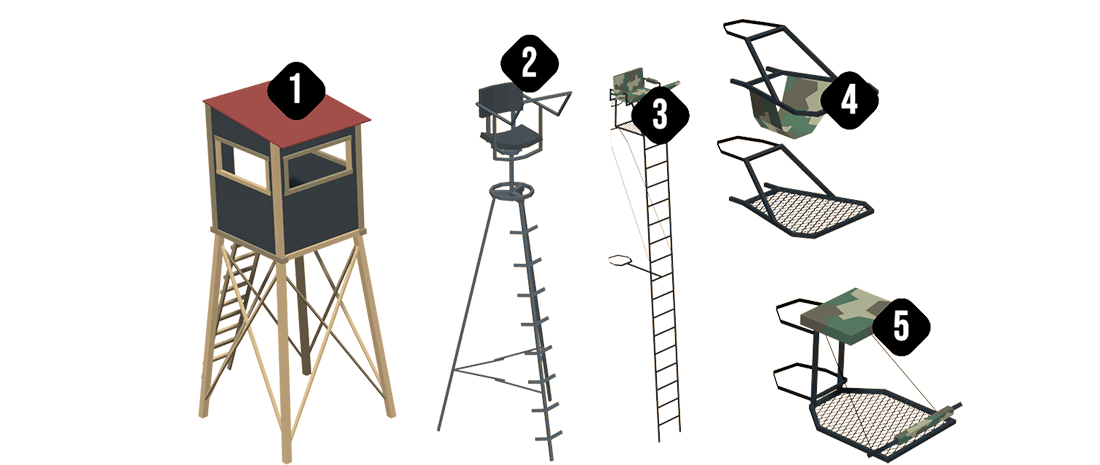
Not all stands are created equal. Your choice should align with your hunting style, terrain, and access. Picking the wrong one can cost you mobility, comfort, or even your hunt.
Hang-On Stands: Precision Where It Matters
For hunters who want total control over placement, hang-on stands are unmatched. Lightweight and quiet when installed correctly, they’re ideal for private land setups or public land stealth operations.
- Best for: Pinpoint spots near funnels, trail crossings, or field edges.
- Pair with: Climbing sticks or ladder sticks for silent, stable ascent.
- Avoid noisy models: Look for rubber-coated straps and silent risers.
- Pro tip: Hang your stand at least 24 hours before hunting—let the area settle and human scent dissipate.
Hang-ons are perfect for pre-season scouting. Install them early, let deer grow accustomed to them, and return when the rut heats up. But never climb without a full-body fall arrest system (FBFAHS) tethered to a lifeline—your life depends on it.
Climber Stands: Mobile Advantage During the Rut
When deer movement shifts daily—especially during the rut—climber stands give you unmatched flexibility. Hunt one ridge at dawn, move to a scrape line by midday, and be set up in minutes.
- Best for: Ridgetop runs, timbered hollows, and mobile hunting.
- Limitations: Require straight, bark-free trees; avoid heavily furrowed trunks.
- Weight: Up to 30 lbs—use a haul line to carry gear.
- Silence hack: Wrap metal clamps with electrical tape to eliminate metal-on-metal noise.
Engineers from Summit recommend climbers for rut-season adaptability. But remember: your climb path is a blind spot. Always approach from downwind cover and avoid exposing yourself until you’re 25+ feet up.
Ladder Stands: All-Day Comfort and Stability
For long sits in cold weather or mentoring young hunters, ladder stands are hard to beat. Their wide platforms support gear, folding chairs, and even heaters.
- Best for: Food plot perimeters, creek crossings, and small-property setups.
- Install once, hunt all season: Secure with ratchet straps and stabilizer bars.
- Stealth trick: Trim brush around the base so you can slip in unseen.
- Safety must: Use a haul line—never carry your bow or pack while climbing.
One real-world example showed a well-screened ladder stand producing 7 shot opportunities in a single season—proof that comfort and concealment pay dividends.
Elevated Box Stands: Weatherproof Edge in Harsh Conditions
In freezing rain or snow, box stands keep you dry, warm, and hidden. Fully enclosed, they allow heaters, lights, and even phone charging.
- Best for: Northern climates, waterfowl-deer combo hunts, or club properties.
- Drawback: Permanent footprint—always get landowner permission.
- Setup: Mount on steel legs or secure to multiple trees.
- Ventilation: Add small roof vents to reduce condensation and odor buildup.
They’re expensive and complex to install, but for brutal weather and long sits, nothing beats a box stand.
Optimize Stand Placement for Maximum Deer Traffic
Where you hang your stand matters more than how high you go. Smart placement turns random deer movement into predictable patterns.
Target Travel Corridors and Funnels
Deer follow paths of least resistance. Focus on terrain that funnels them into narrow zones.
- Pinch points: Where ditches, ridges, or thickets converge.
- Funnels: Brushy draws between bedding and feeding areas.
- Trail junctions: Crossroads where multiple trails meet.
Use apps like HuntStand to scout remotely. Drop pins on potential sites, then verify on foot. Look for sign—tracks, rubs, and scrapes—to confirm use.
Hunt Field Edges and Food Sources
Early season? Focus on food plots, agricultural edges, and mast trees. Acorns, soybeans, and clover attract deer predictably.
- Morning hunts: Set up downwind of bedding areas.
- Evening hunts: Position between food sources and cover.
- Avoid: Standing directly over food—this spooks deer at close range.
Place your stand 20–30 yards back, just inside the timber line, where deer feel safe moving in.
Respect Bedding Areas—Hunt the Edges
Mature bucks bed where they can see and smell danger. Don’t invade their core zones—hunt the edges.
- Ideal setup: 100–150 yards downwind of bedding thickets.
- Wind check: Use wind socks or powder to confirm airflow.
- Silent access: Plan routes that keep you hidden until you’re 25+ feet up.
A single misstep near a bedding area can shut down a property for days.
Set the Perfect Height and Orientation
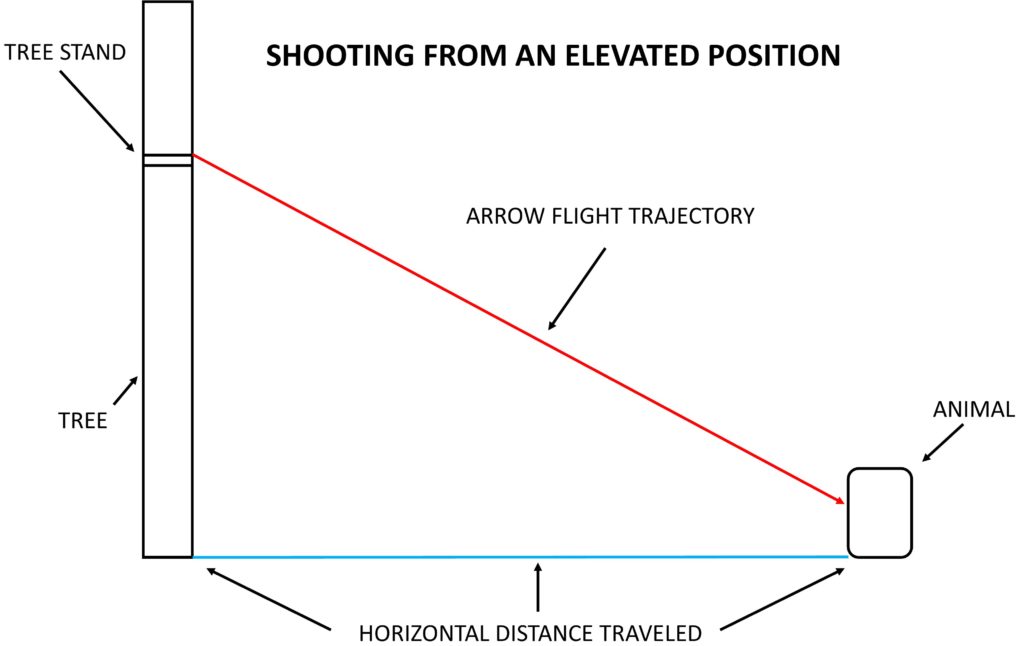
Too high, and your shot angle ruins placement. Too low, and deer spot you. Get it right with these proven guidelines.
Ideal Height: 17–20 Feet
This range keeps you above nose level but maintains shot confidence.
- Benefits:
- Deer rarely look up unless alerted.
- Scent disperses above ground level.
- Downward shot improves heart/lung penetration.
- Avoid: Over 25 feet—steep angles risk gut shots or missed vitals.
Sit in your stand and simulate a shot. Can you draw smoothly? Is your balance solid? Adjust if not.
Face the Right Direction
Sun and wind dictate where you should face.
- Morning hunts: Face northwest or south—sun at your back hides your silhouette.
- Evening hunts: Face northeast to south for same advantage.
- Wind alignment:
- Right-handed shooters: Prevailing wind on left side.
- Left-handed: Wind on right side.
This setup lets you draw without turning into the wind and alerting deer downrange.
Create and Mark Shooting Lanes Like a Sniper
No shot opportunity comes if a branch deflects your arrow. Prepare your zone of engagement with precision.
Identify Zones of Opportunity
After securing your harness, take inventory:
- Primary lane: Main trail or field edge.
- Secondary lanes: Rut paths, escape routes, or acorn drop zones.
- Wildcard zones: Openings where deer might veer off trail.
Deer don’t follow GPS—they react to wind, noise, and scent. Plan for the unexpected.
Measure and Mark Yardage
Use a laser rangefinder to tag distances to stumps, logs, and brush piles.
- Place utility flags labeled with yardage (e.g., “20 yds”, “35 yds”).
- Focus on 15–40 yard range—most ethical bow shots fall here.
- Create at least 3 cleared lanes, each up to 50 yards long.
During buck fever, you won’t think clearly. These markers save split-second decisions.
Trim Without Overdoing It
Sit in the stand, rope up your bow, and draw in every direction.
- Cut any limb that could:
- Hit your bow limb or cable.
- Knock your arrow off the rest.
- Deflect a bullet or broadhead.
- Drag debris downwind—never leave cut brush in your shooting lanes.
- Stop at natural cover: A few well-placed gaps look better than a bulldozed path.
Over-trimming screams “hunting stand” to cautious bucks.
Master Silent Access and Climbing
The final 10 yards are the most dangerous—not for you, but for your hunt. One misstep ruins everything.
Slow Your Final Approach
Break your human rhythm to avoid detection.
- Pause 1–2 minutes between steps.
- Shift weight with arms, not feet, when adjusting position.
- Tap boots gently to dislodge packed snow—clunks carry far.
Mature deer key in on unnatural movement. Move like the wind, not a predator.
Choose Quiet Footwear
Soft rubber soles beat aggressive treads.
- Best boots: Lightweight, minimal tread (e.g., Canadian military-style).
- Avoid: Hard soles—they squeak on frozen bark or ice.
- Test gear in cold: Materials stiffen; noise increases.
Silence starts at the ground.
Climb Without a Sound
Your ascent can make or break the hunt.
- Use a silent thumb-lock harness—no clicking during adjustment.
- Pack smart:
- Right-handed shooters: Hang pack on right hip.
- Keep bow in left hand during climb.
- Hang bow quietly:
- Use a bow hanger to swing it forward and within reach.
- Position so you can grab it silently once seated.
- Stay ventilated: Unzip bibs while climbing to avoid sweating.
- Keep left hand bare: For quick, dexterous bow grip.
Once in the stand, add layers—neck gator, hand warmers, insulated seat pad.
Never Skip Safety Protocols
Tree stand accidents are the leading cause of hunting injuries. But every fall is preventable.
Wear a Full-Body Harness
Non-negotiable: A full-body fall arrest system (FBFAHS) must be worn from the moment your feet leave the ground.
- Includes: Harness, tether, and support line anchored above the stand.
- Function: Limits fall distance and keeps you close to the tree.
- Self-rescue: Practice using a lineman’s strap or rescue device.
No harness? No climb.
Use a Haul Line for Gear
Never carry your bow, pack, or gun while climbing.
- Attach haul line to gear before ascent.
- Raise after you’re secured in the stand.
- Use a carabiner clip to prevent swinging or snagging.
A dropped bow can spook deer for days.
Inspect and Maintain Equipment
Pre-season checks prevent mid-season failures.
- Check bolts, straps, and welds for rust, cracks, or wear.
- Test stitching on harnesses and tethers.
- Clean and dry all components before storage.
- Store in a dry, UV-protected area—no garages or sheds with moisture.
Summit engineers stress: no stand is perfect. But a well-maintained one lasts for years.
Final Note: Success in stand hunting isn’t luck—it’s preparation. From choosing the right tree to trimming silent lanes and staying downwind, every detail counts. Apply these hunting stands tips consistently, and you’ll turn your stand into a command center for consistent deer encounters. Whether you’re on a climber chasing rutting bucks or in a ladder stand waiting on a giant, the principles are the same: stay safe, stay hidden, and stay ready.

0 Comments