Bow hunting deer is more than a sport—it’s a quiet battle of wits between predator and prey, where every decision counts. Success doesn’t come from luck; it’s earned through relentless practice, sharp instincts, and an intimate understanding of deer behavior. Whether you’re a first-time archer or a seasoned hunter refining your edge, mastering bow hunting deer tips can be the difference between a long walk back empty-handed and the unforgettable moment of a clean, ethical harvest.
The best bowhunters don’t just wait for opportunity—they create it. They know that preparation begins months before the season, that scent control matters as much as shot placement, and that patience often outweighs skill. In this guide, you’ll get actionable, proven strategies used by expert archers to consistently fill tags. From tuning your bow to reading wind patterns, stalking in silence to setting stands for success, we’ll cover everything you need to know to become a more effective and ethical bowhunter.
Perfect Your Shot Before Season
Practice Like You Hunt—No Exceptions
Real-world success starts long before opening day. Consistent, deliberate practice builds the muscle memory and confidence needed to make calm, accurate shots under pressure. Don’t just shoot at flat targets from a bench—simulate real hunting scenarios. Practice from a treestand, at 30-degree angles, through light brush, and while wearing your full hunting gear, including gloves and a pack.
During the off-season, shoot at least three times a week. Once deer season begins, fire one broadhead-tipped arrow per day to stay mentally sharp and ensure your equipment remains dialed in. Push your range—practice out to 50+ yards even if your ethical limit is 30. That extra distance training builds confidence and reduces flinching when it matters most.
Tune Your Bow for Broadhead Accuracy

If your broadheads don’t fly the same as your field points, you’re risking a gut shot or a complete miss. Spend time tuning your bow—adjust your rest, check arrow spine, and test different broadhead models. Use a block target to evaluate flight patterns and mark the two arrows that fly truest for hunting duty.
For beginners, fixed-blade, cut-on-contact broadheads are more reliable than mechanicals. They have no moving parts, penetrate deeper, and are less likely to fail on impact. Always use freshly sharpened blades—dull edges drastically reduce penetration and increase tracking time. If you’re unsure, consider models like the G5 Deadmeat, known for flying like field points.
Master Shot Placement for Ethical Kills
Ethical hunting means placing the arrow where it counts. The heart-lung zone—just behind the front shoulder—is your primary target. For a broadside shot, aim 40% up from the bottom of the chest, roughly the center of the ribcage. This ensures double-lung penetration and a quick, humane kill.
For a quartering-away shot, align your pin with the back of the opposite hind leg. This angles the arrow through both lungs and the heart. With a quartering-toward deer, aim slightly forward—just behind the shoulder—to avoid the paunch.
Many hunters aim at the lower third of the vital zone to counteract “jumping the string.” Even if the deer flinches, you’ll still hit high in the chest or lungs. Only take shots you’re 100% confident in—if the deer is alert or quartering toward you at a sharp angle, wait.
Gear That Wins Hunts
Choose the Right Bow and Draw Weight
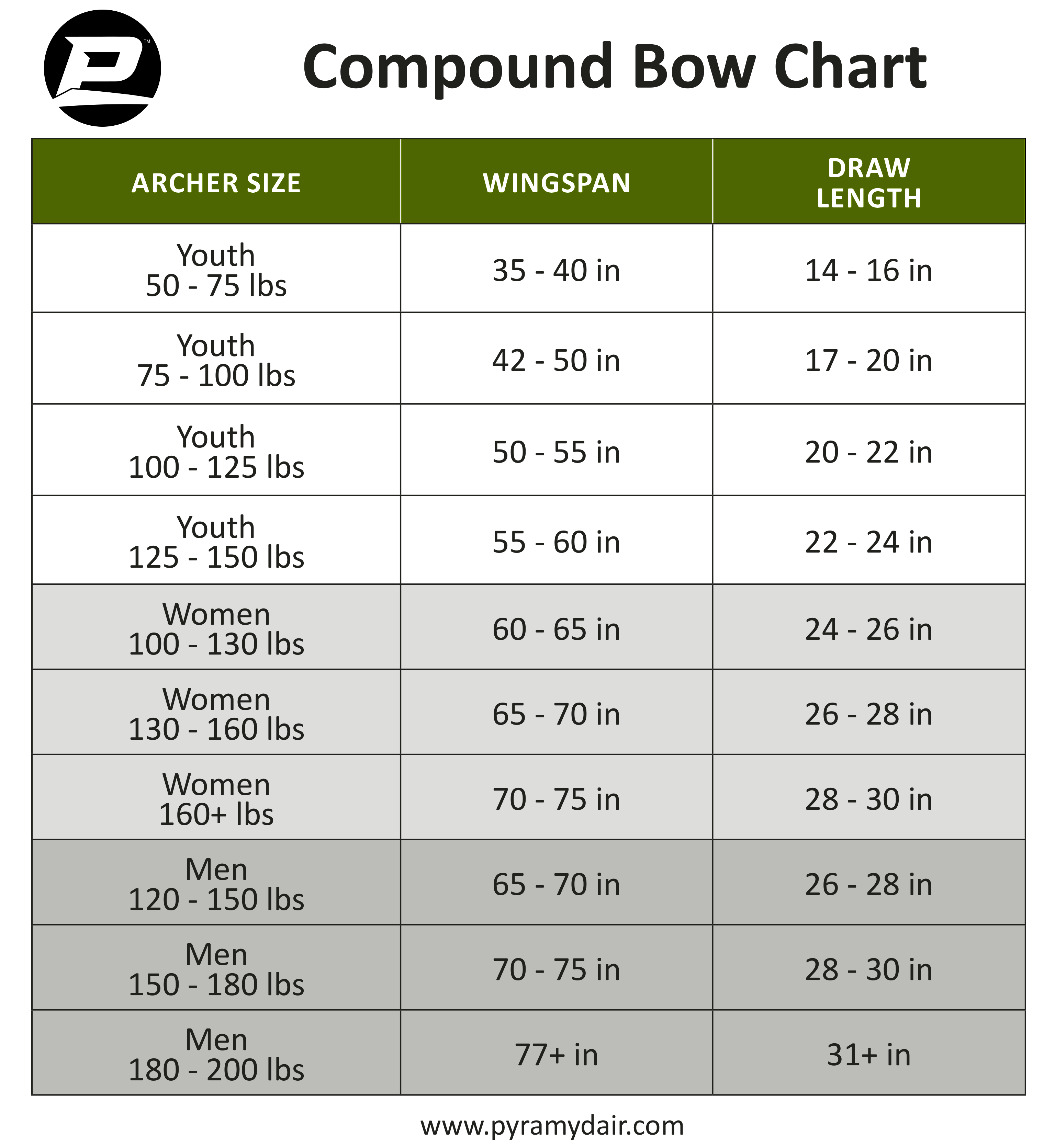
For most hunters, a 60-pound draw weight is ideal. It’s powerful enough for deep penetration, yet manageable when cold or in a cramped stand. Beginners should invest in a quality compound bow under $500 from trusted brands, focusing on draw length, balance, and let-off for comfort during long sits.
If you lack upper-body strength or hunt open terrain, consider a crossbow like the Raven. It delivers high energy, is easier to hold at full draw, and is especially effective for youth or older hunters.
Optimize Arrows, Nocks, and Quivers
Use only the straightest arrows or bolts—even slight warps cause flight issues. Pair them with lighted nocks for better impact tracking in low light. These glow on contact, helping you follow the arrow’s path and locate blood trails faster.
Attach arrows to a quiet, secure quiver. For treestand hunting, remove the quiver when drawing—less bulk improves stability. When still-hunting mule deer, keep it on for quick access.
Silence Every Piece of Gear
Deer hear and smell everything. A noisy zipper or clanging release can ruin your hunt. Use adhesive fleece, moleskin, or soft Velcro to deaden noise on your riser, release, and harness. Cover belt buckles and metal parts with tape or rubber sleeves.
Wear flexible, quiet fabrics—fleece or wool over stiff synthetics. Avoid zippers and noisy outer layers. Keep your safety harness silent by padding contact points. And always carry a backup release—dropping yours from a stand is more common than you think.
Control Scent and Wind Like a Pro
Hunt with the Wind in Your Face
Deer noses are up to 100 times more sensitive than humans. Always enter and hunt with the wind in your face so your scent blows away from deer. Use natural indicators: watch grass, leaves, or release a puff of scent powder to see airflow.
Don’t trust wind apps alone—terrain alters wind flow. A ridgeline or draw can create eddies that carry your scent right to a buck’s nose. Test the air frequently, especially when the breeze dies.
Eliminate Human Odor
Shower with unscented soap before hunting. Wear scent-free, odor-neutralizing clothing and avoid perfumes, deodorants, or scented laundry detergents. Stay cool—sweat increases scent. Store gear in airtight bags with activated carbon filters.
Use a tarsal-scent wick near your stand to mimic a passing buck. This can trigger curiosity and draw deer into range. But never overuse it—too much scent raises suspicion.
Hunt Smarter by Terrain and Tactics
Use Ground Blinds for Close Access
In open country like Kansas, Nebraska, or crop fields, ground blinds are game-changers. They let you get close without being seen, allow minor movements, and protect you from weather. Set them up weeks in advance so deer grow comfortable.
Place them downwind of trails or food sources, blend with local vegetation, and wear dark clothing inside to avoid silhouetting. Enter and exit quietly—use zig-zag paths to avoid being spotted from either end.
Stalk Like a Pro
Spot-and-stalk hunting demands stealth and timing. Use silent footwear—Rancho Safari Cat Prowlers (fleece booties over boots) or even bare feet with thick socks in safe terrain. Move fast when the deer is feeding or looking away. Freeze instantly when its head lifts.
Use peripheral vision to watch your steps while keeping eyes on the deer. Stay behind solid backdrops like trees or ridges. Cut off moving deer using terrain—draws, ridges, and thick cover.
Some hunters stalk best during the rut, when bucks are distracted. One hunter took a 150-inch eight-pointer by cutting him off in CRP land after spotting him in cattails.
Hunt from a Stool When Trees Are Few

In treeless prairies or farm fields, a hunting stool can be deadly. Tuck into tall grass, sunflowers, or behind a fencerow. Stay completely still—any movement gives you away. Draw only when the deer is looking away or feeding.
This method works best when you’ve patterned a deer and know its route. One hunter took a mature buck walking a sunflower-corn fencerow using nothing but a stool and perfect concealment.
Set Stands for Success
Hang 3–5 Stands per 100 Acres
Don’t rely on one spot. Hang 3 to 5 treestands per 100 acres across food sources, travel corridors, and bedding areas. This gives you options for different wind directions.
Focus on the 25% of land where quiet, hidden access is possible. Avoid roads, trails, or areas where deer can see or smell you coming.
Pick the Right Tree and Height
Ideal stand height is 17 to 20 feet—high enough to stay out of line of sight, low enough for accurate shooting. Back up 50–70 yards and look up from a deer’s eye level to check visibility and cover.
Choose trees with clear shooting lanes and minimal brush when drawing. Avoid trunks with shiny rubs—this may be a big buck’s core area.
Use Two Pull-Up Ropes
Always hoist your gear with two separate ropes—one for your bow, one for your pack. Never carry your bow while climbing. Install ladder steps 1–2 feet above your stand so you can climb all the way up, then step down safely.
Read Deer Behavior by Season
Early Season: Follow Food and Routine
Pre-rut deer stick to routines. Hunt bed-to-feeding routes at dawn, just before sunrise. Target areas with soybeans, corn, acorns, or cover crops.
Set up downwind of well-used trails and near active scrapes or rubs. Use tarsal-scent wicks to draw curious bucks. Limit scouting—too much pressure pushes deer nocturnal.
Rut: Chase the Hormones
During the rut, bucks drop their guard. They move more, especially two days after a cold front or during a full moon. According to an NC State study, deer are more active midday and afternoon during full moons.
Stalk does—bucks will be nearby. Use grunts (10–12 on a tube) to mimic a buck fighting. Set up near valleys and secondary points where rubs cluster—Tennessee research shows these are high-traffic buck zones.
Late Season: Hunt Core Areas and Water
Pressured deer retreat to core areas with food and cover. Focus on standing crops, cover crops, or cattle waterers. Use ground blinds to get close without spooking them.
Snow reveals tracks—follow them to find high-use trails. Rely on trail cameras for low-pressure scouting. One daylight image of a giant buck? Move in and hunt him.
Master the Mind Game
Stay Still, Stay Patient
Deer detect movement instantly. Freeze when the deer’s head stops moving—that’s when it’s alert. Maintain eye contact with its head, not its body. A muffled cough is less dangerous than fidgeting.
Use binoculars constantly during stalks. Watch for head lifts, wind shifts, and terrain changes. When the animal is feeding with head down, advance quickly.
Trust Your Follow-Through
After release, keep your bow arm straight, head down, and watch the fletching vanish into the deer. Most flinches happen here—jerking your head up ruins accuracy.
This is where clean kills are made. Bury the pin, watch the arrow fly, and stay committed.
Accept the Long Game
It may take multiple seasons to kill your first deer. One hunter waited four full seasons before taking a button buck—then gained unstoppable confidence.
Focus on learning from every hunt. Even if you don’t see a deer, you’re building experience. Success isn’t guaranteed—but preparation makes it possible.
Final Note: The Bowhunter’s Mindset
Bow hunting deer isn’t about the kill—it’s about the journey. It’s the crisp morning stillness, the rustle in the leaves, the thrum of the string, and the respect for the animal. Every missed shot, every empty hunt, builds wisdom.
Success comes to those who practice relentlessly, hunt ethically, and learn from every outing. Use these bow hunting deer tips to sharpen your skills, outsmart wary bucks, and make every season count.
Now grab your bow, head to the woods, and trust your training. Your moment is coming.

0 Comments