Elk hunting is one of the most physically and mentally demanding outdoor pursuits in North America—and also one of the most rewarding. For many hunters, the moment a bull answers a call with a thunderous bugle at dawn is the culmination of months of preparation, fitness, and study. If you’re wondering how to start elk hunting, you’re not just signing up for a trip into the mountains. You’re beginning a journey that requires strategy, stamina, and a deep respect for nature.
Unlike chasing whitetails near home, elk hunting often means hiking at 9,000 feet, glassing vast ridgelines, and calling into the wind with no guarantee of success. But the good news? With the right plan, gear, and mindset, any dedicated hunter can break into this elite pursuit—even on a DIY budget. This guide breaks down everything you need to know to go from curious beginner to confident elk hunter, using proven tactics, real-world tips, and expert insights.
You’ll learn how to choose your state, draw a tag, build fitness, scout smart, call effectively, and pack out meat—without wasting time on fluff or guesswork. Whether you’re planning your first DIY hunt or considering hiring an outfitter, this is your roadmap to success.
Choose Your State Wisely
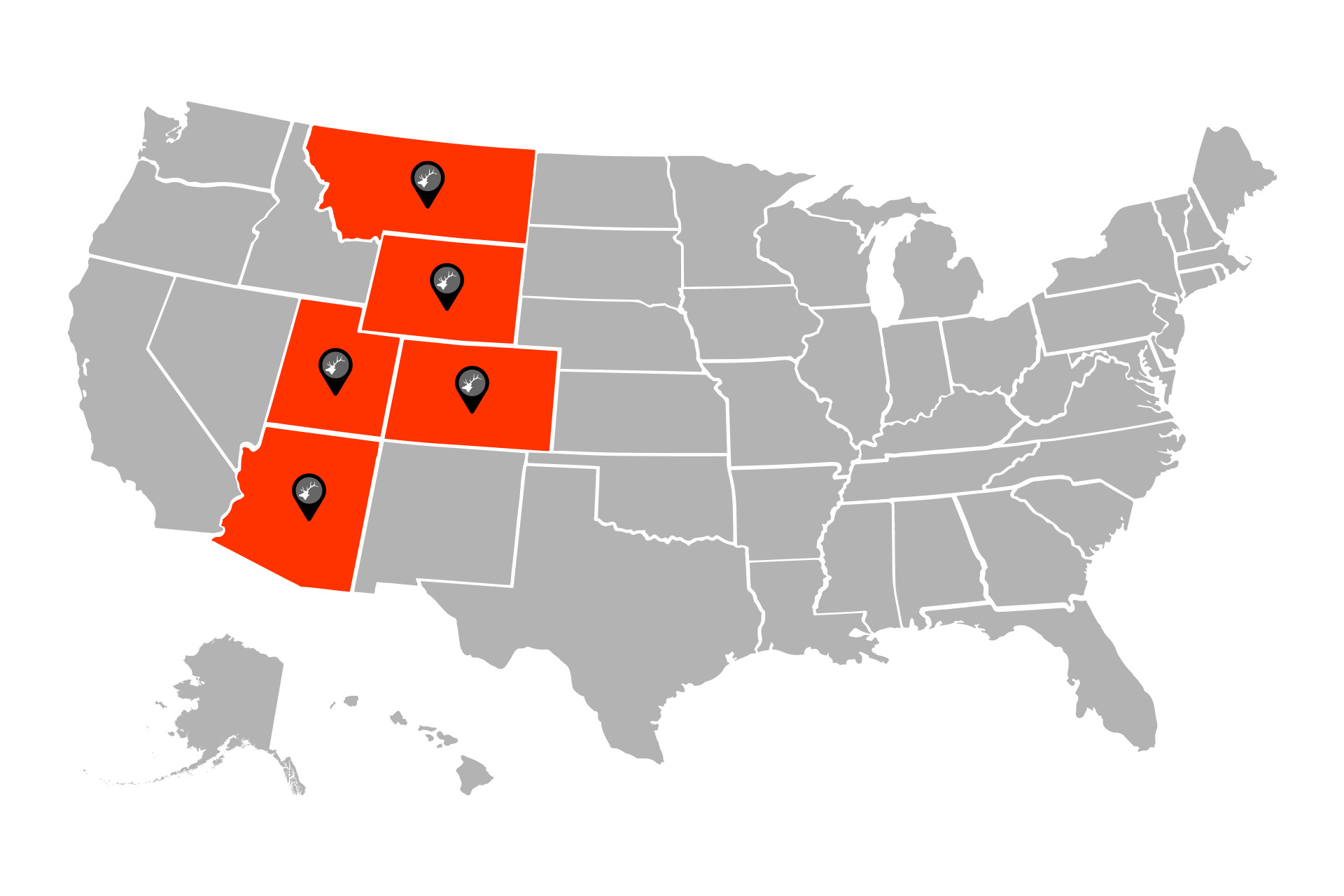
Top States for First-Time Hunters
Not all elk states are created equal. Your best bet depends on tag availability, public land access, and draw odds. For beginners, some states offer a faster path to the mountains.
Colorado leads the pack with over 300,000 elk—the largest herd in the U.S. It offers over-the-counter (OTC) tags in select units, massive public lands, and solid success rates for DIY hunters. The mix of OTC access and a preference-point draw system makes it ideal for new hunters.
Montana boasts vast wilderness areas and strong elk populations. While many rifle units require draws, some archery tags are available OTC. Its rugged terrain rewards those willing to hike deep.
Utah produces some of the largest typical and non-typical bulls in the country. However, non-resident draw odds are low, making it better suited for hunters committed to building points over years.
Wyoming offers high-quality bulls and a 60% non-resident draw rate for general tags. While it requires premium draw fees, it provides excellent backcountry access and a fair shot for first-timers.
Arizona is legendary for trophy bulls, especially in late-season hunts. But non-residents get only 10% of tags, making draws extremely competitive.
New Mexico stands out with its EPLUS landowner program, allowing hunters to purchase tags outright—bypassing the point system entirely. It’s expensive ($5,000–$15,000) but guarantees access.
Idaho has no-point random draws in some units, giving new hunters a real shot without waiting a decade.
Pro Tip: Use onX Hunt or Huntin’ Fool to compare draw odds, unit success rates, and public land percentages. Focus on states where 50%+ of the land is public.
Get an Elk Tag: OTC vs. Draw
Over-the-Counter Tags: Fast Access
OTC tags let you buy a license immediately—no lottery required. They’re ideal for first-timers who want to go this year.
These are typically available for spike bulls, cows, or archery seasons in states like Colorado, Montana, and Idaho. The pros are clear: instant access and no wait. But the cons include high hunting pressure, low success rates (often under 10%), and limited availability for non-residents.
Warning: OTC tags with quotas sell out fast. Mark application deadlines now.
Limited Entry Draws: Build for the Future
Most quality elk hunts require a draw tag. You apply annually, and if not drawn, you earn preference points—increasing your odds each year.
States like Colorado, Utah, Wyoming, and Arizona use preference points. In contrast, New Mexico uses a random draw, and Idaho has some units with no-point random draws.
Wait times can range from 5 to 15 years for top-tier units. But even if you start with an OTC hunt, applying for draws every year builds points for the future.
Strategy: Apply in multiple states annually—even if you’re using OTC. Diversify your odds and build long-term opportunities.
Landowner and Outfitter Tags
Landowner tags, like New Mexico’s EPLUS program, let you buy access but come with steep price tags. They’re best for those with budget and urgency.
Outfitter tags are included in guided hunts, which can cost $10,000 or more. They guarantee access, expert guidance, and higher success rates—but at a premium.
Recommendation: Start applying for draws now. Even if you hunt OTC first, those points matter later.
DIY, Guided, or Semi-Guided?
DIY Elk Hunting: Full Control, Lower Cost
You handle scouting, navigation, camping, and hunting alone or with a partner.
Best for fit, experienced outdoorsmen on a budget. Costs run $2,000–$4,000 (gas, gear, food, tags). The challenge? Total self-reliance, physical demands, and backcountry skills.
Tip: Hire packers post-harvest. GPS-tag your harvest site immediately for retrieval.
Fully Guided Hunts: Expert Support, High Price
Outfitters provide guides, lodging, meals, transportation, and often the tag.
Pros: Higher success rates, access to private land, reduced stress.
Cons: Very expensive ($10,000+), less independence.
Best for: First-timers short on time or fitness, or trophy hunters.
Semi-Guided: The Middle Ground
You get local intel or partial support—like a guide dropping you at a trailhead with maps and intel—then hunt solo.
Cost: $2,500–$6,000. Ideal for hunters wanting knowledge without full cost.
Verdict: Most beginners should try DIY first. Guided hunts are better after you’ve earned your stripes.
Scout Before You Hunt
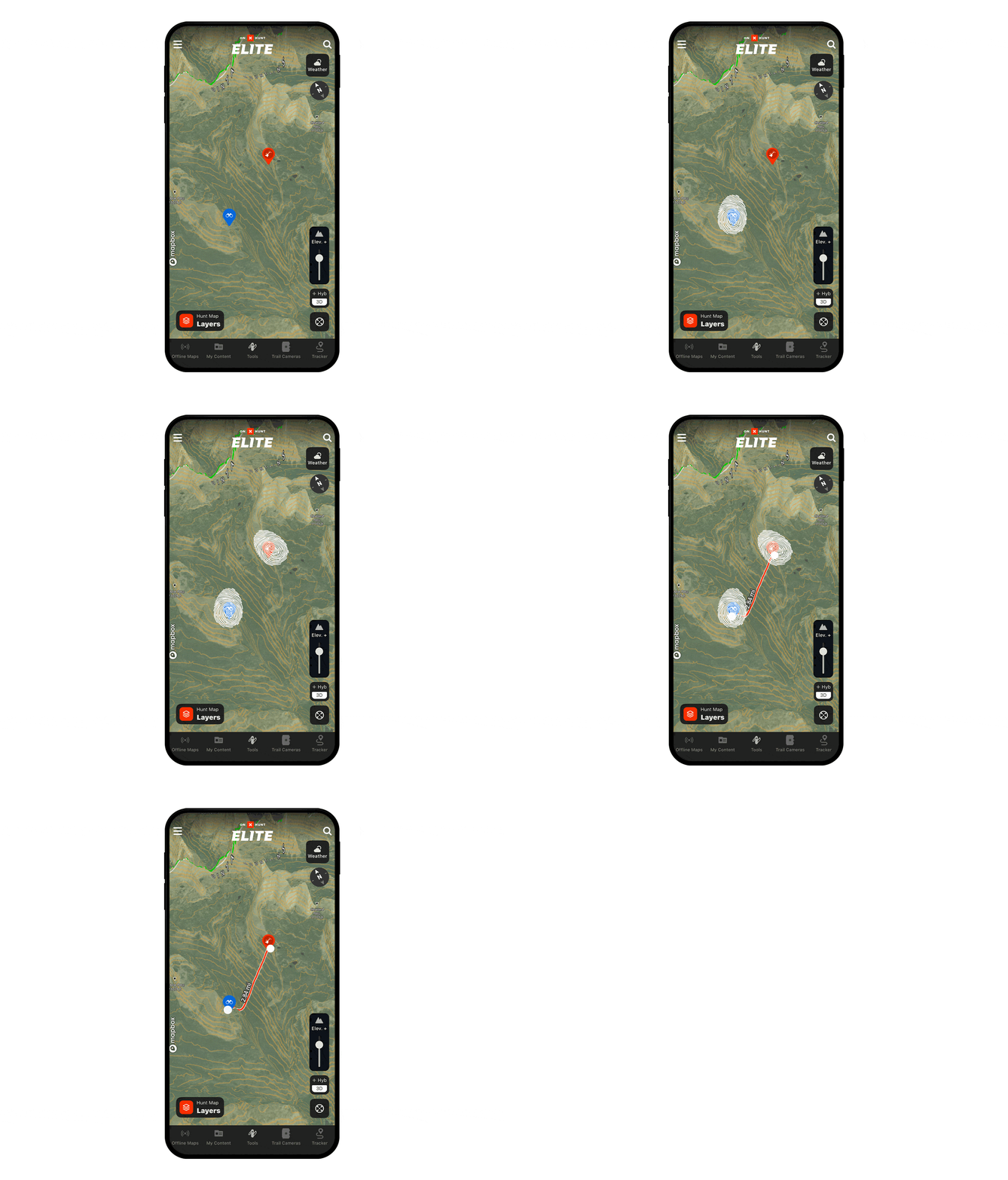
E-Scout with Digital Tools
You can’t kill elk where you’ve never been. Use apps to “pre-scout” and find high-probability zones.
Key Features to Map:
- Access points: Roads, trailheads, gates
- Water sources: Creeks, springs, wallows
- Bedding areas: North-facing slopes, thick timber
- Feeding zones: South-facing slopes, meadows, recent burns
- Travel corridors: Saddles, pinch points, drainages
Tools: onX Hunt, Google Earth, Hunt Stand, TopRut .KMZ overlays.
Pro Strategy: “Stack the puzzle”—find where bedding, feeding, water, and travel routes overlap.
Boots-on-the-Ground Scouting
Visit your unit before the hunt if possible.
Look for:
– Fresh tracks, scat, wallows, rubs, beds
– Active trails and feeding sign
– Moist scat = recent movement
Insider Move: Call the local state wildlife biologist. Many will share intel on herd health, migration, and pressure.
Quote: “You can’t kill an elk unless you’re out where the elk live.” – Jim Zumbo
Train Like an Elk Hunter
Fitness Is Your #1 Tool
Elk hunting is “hard work disguised as hunting.” You’ll hike 5–10 miles daily at high altitude with a loaded pack.
6-Month Training Plan:
- Cardio: Run or ruck 3–4 miles, 3x/week
- Strength: Focus on legs (lunges, squats), core, and upper body
- Rucking: Hike weekly with 50–60 lbs, building to 5 miles
- Altitude prep: Arrive early or train at elevation if possible
Programs: Try Atomic Athlete or MTN TOUGH—designed for hunters.
Quote: “Being in shape can be the difference between success and failure, enjoyment and disdain, or even life and death.” – Jerrod Meyer
Mindset Matters
- Expect to fail: Most first-timers don’t fill a tag. Success rates are often below 30%.
- Hunt the experience: Focus on learning, not just harvesting.
- Be patient: It may take years to draw a tag or kill a mature bull.
Mantra: “Do hard things. For the right reason. Let the struggle shape you.”
Gear Up the Right Way
Must-Have Gear List
You don’t need the most expensive gear—but you need the right stuff.
Clothing & Footwear
- Boots: Waterproof, insulated, moderately stiff (3–4/5 on support scale)
- Layers: Base (merino wool), mid (fleece), outer (wind/rain shell)
- Extras: Gaiters, gloves, beanie, 3+ pairs of quality socks
Tip: Mix camo and earth tones. You don’t need full kit to be effective.
Pack
- External frame pack (5,000+ cu in) for meat hauling
- Test fit: Load it with 60 lbs before buying
Optics
- Binoculars: 10×42 (lightweight, powerful)
- Spotting scope: Optional—use only if terrain demands long glassing
- Tripod or shooting rest: Essential for steady shots
Weapons
- Rifle: .30-06 or .300 Win Mag, zeroed to 300+ yards
- Bow: 50+ lb draw, fixed or mechanical broadheads
- Practice: Shoot from field positions (kneeling, off sticks)
Backcountry Essentials
- GPS (onX, Garmin), map, compass
- Wind checker, rangefinder, headlamp
- First aid kit, bear spray, water purifier
- Knife, saw, game bags, gloves, paracord
Camp Gear (Basecamp Style)
- Tent, sleeping bag, pad
- Stove, fuel, dehydrated meals
- Cooler (for meat pre-packing)
Reality Check: If you hunt whitetails and camp, you already own ~90% of what you need.
Master Key Hunting Tactics
Spot-and-Stalk: Rifle Hunter’s Go-To
Glass at dawn and dusk from high vantage points.
- Look for elk in meadows, burns, or south-facing slopes
- Use terrain for cover; move when elk are feeding
- Wait for elk to enter open, shootable areas
Quote: “Do I want to spook an elk now or kill an elk later?” – Steven Rinella
Calling: Bowhunter’s Edge
Calling works—but only if done right.
Cow Calling (Best for Beginners)
- More effective than bugling
- Use reed or diaphragm calls (hands-free)
- Technique:
- Call 2–3 times, wait 20–30 minutes
- Vary volume, length, cadence
- Mimic estrus cows: longer, drawn-out mews
- Don’t overcall—less is more
Bugling: Use Sparingly
- Can scare bulls if overused
- Best for challenging or locating—never during early season
Late-Season Calling
- Bulls are tired and wary
- Use soft, subtle cow calls
Pro Tip: Listen first. Learn elk sounds from Randy Newberg’s videos.
Ambush Hunting: Set the Trap
Set up on travel routes between bedding and feeding areas.
- Best spots: Saddles, pinch points, game trails, waterholes
- Be downwind. Use thermals—air flows downhill in morning, uphill in afternoon
Still Hunting: Move in Silence
Walk slowly through thick timber or bedding areas.
- Keep wind in your face
- Best after storms (quiet ground, fresh tracks)
- Use aspen groves—they break up your shape
Basecamp vs. Backpack Hunting
- Basecamp (Recommended):
- Camp near truck; day hunt
- Easy to relocate if needed
-
Less gear, lower cost
-
Backpack:
- Requires lightweight, expensive gear
- Hard to move if wrong area
- Not ideal for first-timers
Quote: “The ability to switch gears and move areas is paramount to success.” – Wentzler1425
Choose the Right Hunting Partner
Why Compatibility Matters
Hunting with the wrong person can ruin your trip.
Ask:
– Do we have the same goals (trophy vs. meat)?
– Are our fitness levels similar?
– Can we handle stress and fatigue together?
Test It: Do a ruck hike or overnight scouting trip together first.
Team Roles That Work
- Caller and Shooter: Caller draws attention; shooter stays hidden and ready
- Solo Hunting: Possible, but meat packing is brutal alone
Rule: Never hunt with someone you wouldn’t trust with your life.
Learn from the Best
Free and Paid Resources
Free Learning
- Randy Newberg (YouTube): Real-time hunts, calling tutorials, Q&As
- Steven Rinella (MeatEater): Philosophy, tactics, gear reviews
- Podcasts: Hunt Backcountry, Elk Talk, The Hunting Collective
Paid Courses
- Elk101 University of Elk Hunting: Best for bowhunters. Covers calling, scouting, gear
- Huntin’ Fool Webinars: Draw strategy, unit analysis
Books
- Hunt Elk by Jim Zumbo
- Sports Afield magazine archives
Advice: Watch 10 Randy Newberg videos before your hunt. It’s like free mentorship.
Set Realistic Expectations
What Success Looks Like
Your first elk hunt should not be about killing a giant bull.
Real Goals:
- Glass elk
- Make a good call
- Hike 10 miles in one day
- Navigate safely
- Survive the elements
Acceptable Harvests:
- Cow: Great for meat, helps herd management
- Spike or raghorn: Young bull, still delicious
- Any elk: A victory after years of preparation
Mindset: “Separation is in the preparation. Let the process be your reward.” – Steven Rinella
Final Checklist: How to Start Elk Hunting
- Pick a State with OTC access or good draw odds
- Apply for Tags every year—even if you’re not ready yet
- Choose Hunt Style: DIY basecamp is best for beginners
- E-Scout using onX, Google Earth, and Huntin’ Fool
- Train Hard for 6+ months—focus on rucking and cardio
- Gear Up with boots, pack, optics, and weapon—test everything
- Scout On Foot if possible. Talk to biologists
- Learn Calling—start with cow calls
- Pick a Partner you trust and train with
- Hunt with Humility—success may take years
Final Note:
Elk hunting isn’t about filling a tag. It’s about earning your place in the mountains. It’s early mornings in the cold, long hikes with heavy packs, and nights under the stars. It’s learning, failing, and trying again. Start now. Prepare thoroughly. Hunt hard. And let the wild shape you.


0 Comments